
Tech & Sci
12:04, 19-Aug-2018
First birth control app gets FDA green light
Updated
11:08, 22-Aug-2018
 ["china"]
Share







Copied
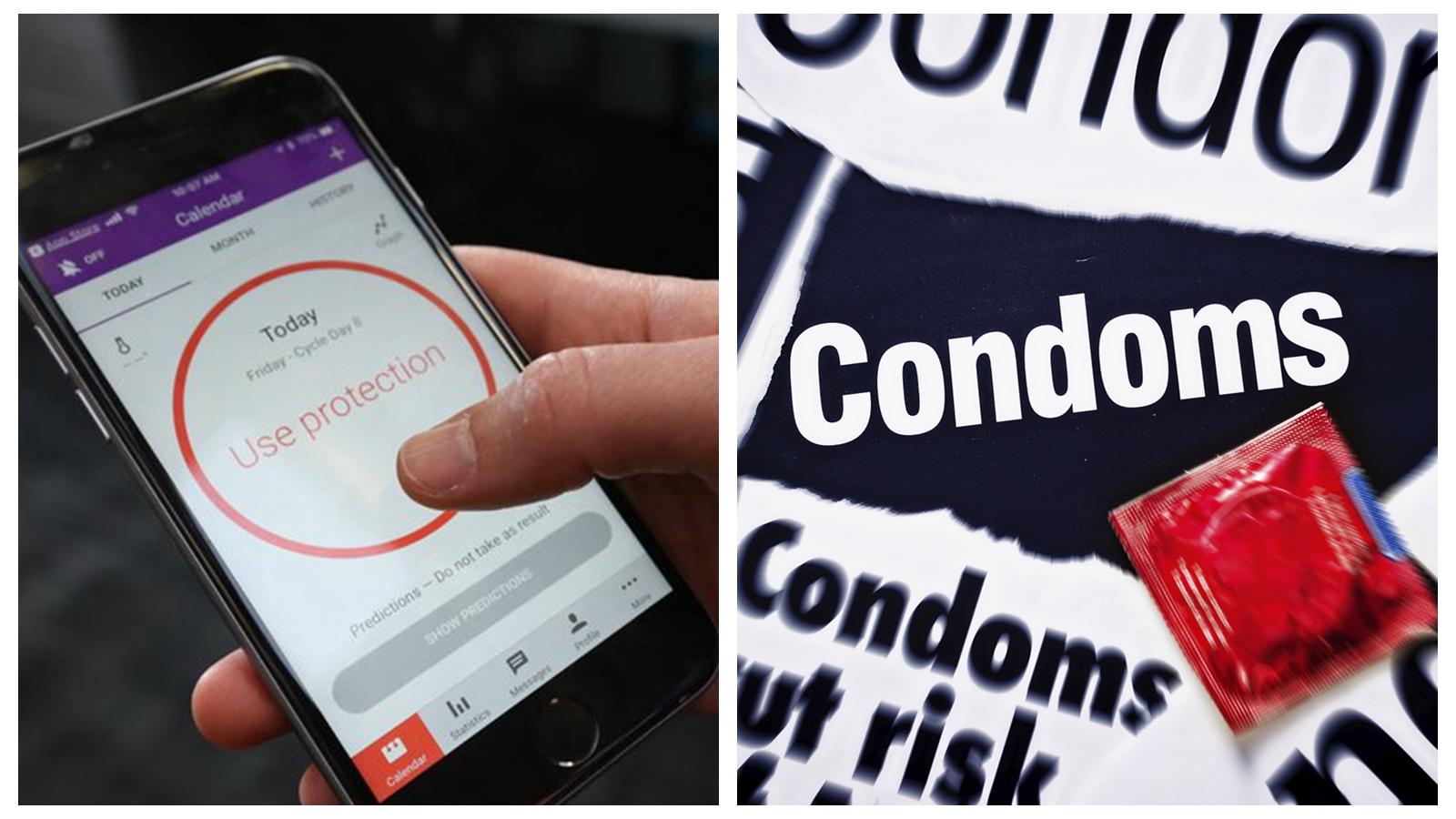
The condom, the pill and now, the smartphone?
Natural Cycles, a mobile fertility app, this month became the first-ever digital contraceptive device to win FDA marketing approval.
Women take their temperatures and track their menstrual cycle on the app, which uses an algorithm to determine when they’re fertile and should abstain from unprotected sex or use protection.
The Swedish startup says it’s effective and lets women avoid side effects common with other methods like birth control pills.
Natural Cycles boasts more than 900,000 users, and such fast growth underscores risks for regulators and concerns among health professionals as they grapple with the rapidly emerging market for mobile and digital health applications.
“Apps are incredibly popular and there’s nothing inherently wrong about using tech to support our health,” said Bekki Burbidge, deputy chief executive of the Family Planning Association, a British sexual health organization. “But they’re also an area that is fairly unregulated and it can be hard to sort the good, evidence- and research-based apps from the bad.”
The FDA approved app marketing as a mobile contraceptive is similar to hundreds of other period trackers already available, most of which are aimed at helping women conceive. The forecast is expected to grow to 11.2 billion Us dollars by 2025, up from at 1.4 billion US dollars in 2016, according to BIS Research.
But in China, the menstruation-tracking apps are more like an e-commerce platform and women’s social network online-community combined, as women can buy all kinds of products through a one-stop shop ranging from pads and tampons to condoms and cosmetics, and discuss womanly things in the group chat with their peers sharing the similar concerns.
The marketing of contraceptive apps needs to be extremely careful to ensure that women understand exactly what they’re signing up for and the limitations, the Faculty of Sexual and Reproductive Healthcare of the Royal College of Obstetricians and Gynecologists said in a statement.
The FDA gave its approval based on data from Natural Cycles involving 15,570 women who used the app for an average of eight months. The FDA said that if the app is used correctly all the time, 1.8 percent of women would get pregnant over one year. The “typical use” failure rate, which factors in human error, was 6.5 percent.
Source(s): AP