
World
15:39, 26-Apr-2018
The tragic consequences of NATO violations
 ["other","Libya"]
Share







Copied
03:22
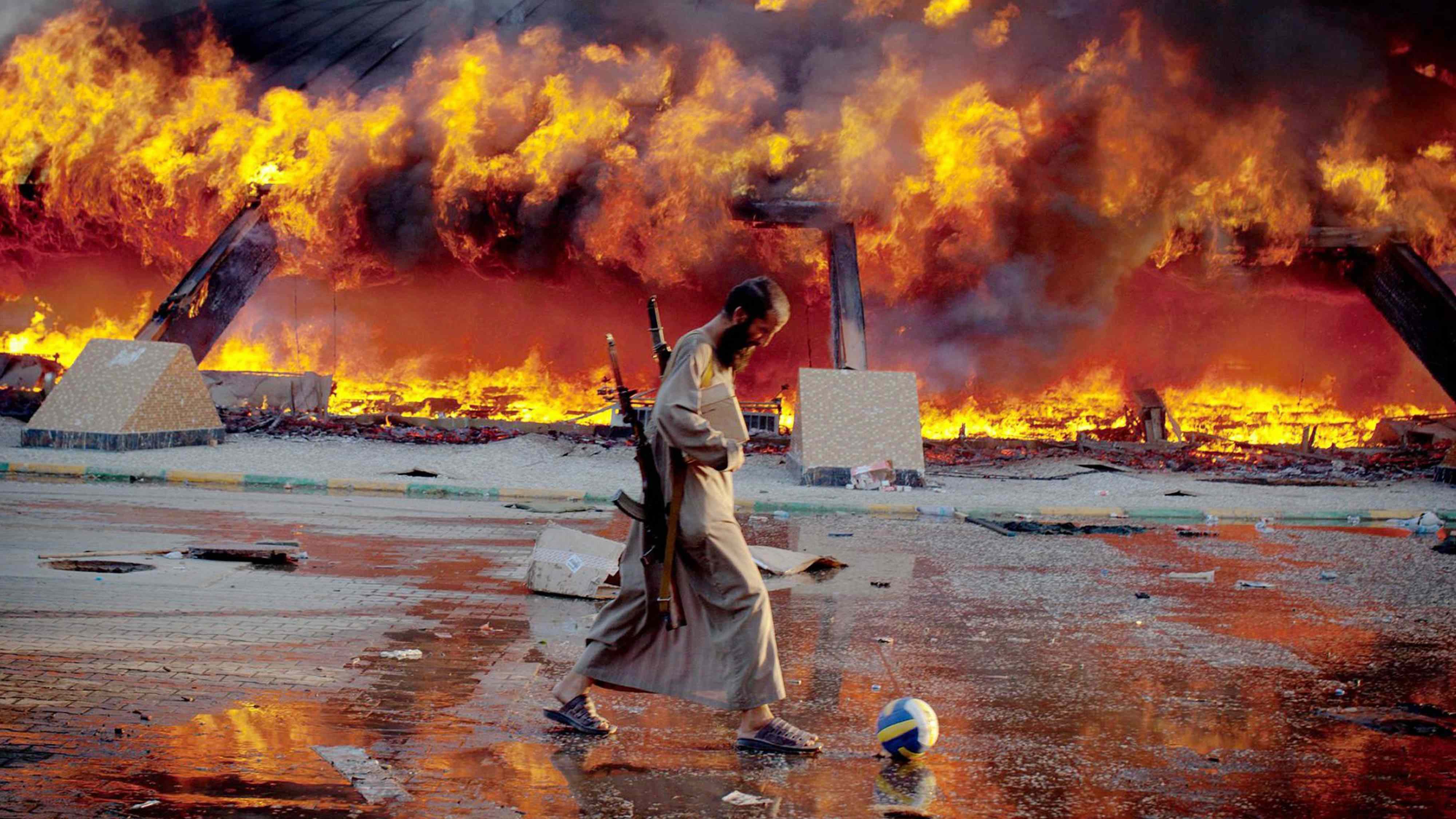
At the start of 2011, against the backdrop of US efforts to bring democracy to the Middle East, the “Arab Spring” began to envelop the region.
On Feb. 15, 2011, anti-Gaddafi protests broke out in Libya. Before long, they had evolved into all-out fighting between protesters and the military.
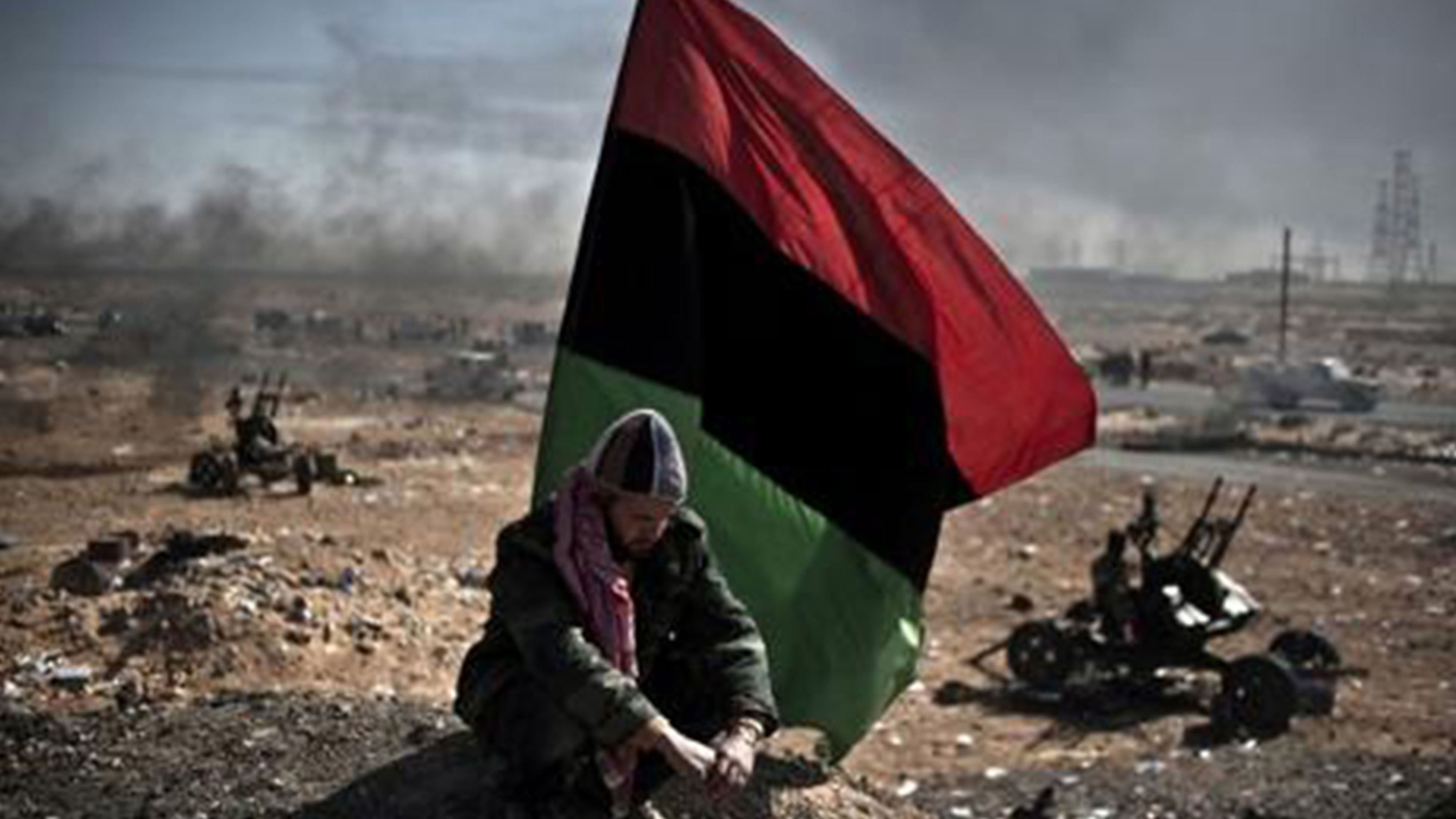
On March 17, 2011, the UN Security Council passed Resolution 1973, establishing a no-fly zone over Libya. The Resolution also demanded that the countries involved take all necessary measures “to protect civilians and civilian populated areas under threat of attack”.
However, the sentiments expressed in the UN Resolution were deliberately misinterpreted by the US and other Western countries.
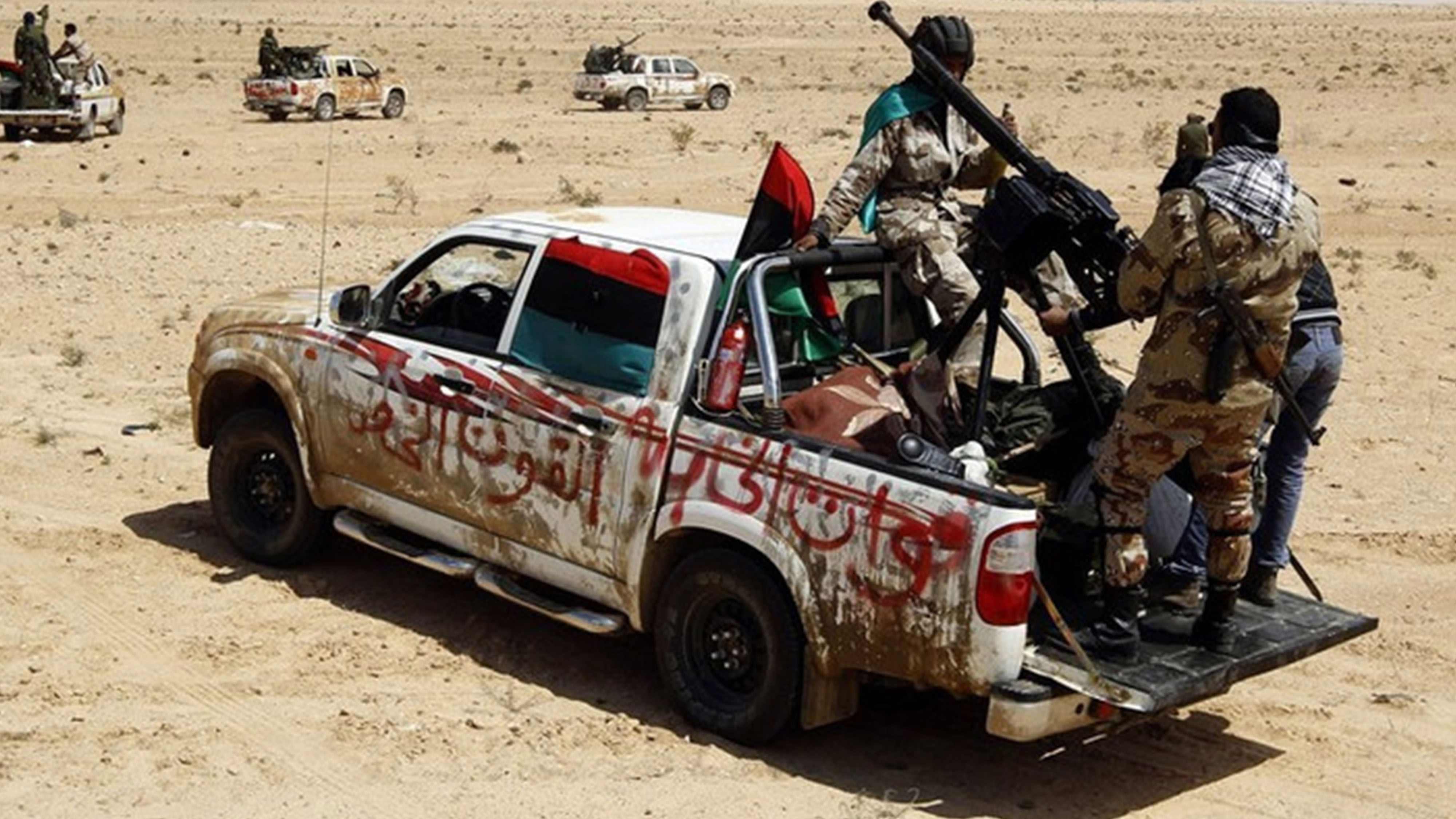
Resolution 1973 called for establishing a no-fly zone “in order to help protect civilians”. All aircraft, except for those bringing humanitarian aid and evacuating foreign nationals, were prohibited from entering Libyan airspace.
Yet NATO aircraft routinely entered the no-fly zone, attacking non-military targets on the ground, including civilian housing and radio and TV stations in the capital, Tripoli.
Resolution 1973 stated that any intervention measures must not include sending in ground troops. Yet NATO sent special forces into Libya. The resolution also called for an arms embargo against Libya. Yet NATO supplied large quantities of weapons and equipment to opposition forces.
In the meantime, Resolution 1973 stressed that it did not call for the overthrow of the Libyan government. Yet the US demanded that Libyan leader Colonel Gaddafi step down, and NATO aircraft targeted his residence, killing members of his family. Ultimately, his government was overthrown.
Gaddafi's overthrow divided Libya and plunged it into crisis. It became very difficult to guarantee anyone’s personal safety, and people began fleeing the country.