
Politics
21:59, 29-Jul-2018
Cambodian ruling party wins with challenges ahead
Updated
21:07, 01-Aug-2018
 ["china"]
Share







Copied
01:01
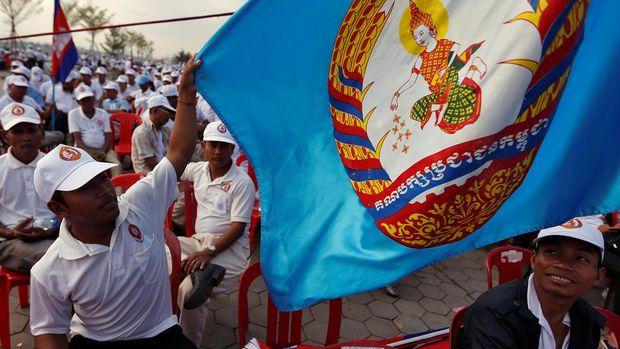
The ruling Cambodian People's Party (CPP) of Prime Minister Samdech Techo Hun Sen won Sunday's general election, according to the National Election Committee (NEC)'s preliminary results released on Monday.
Broadcast live on the state-owned National Television of Cambodia (TVK), the results indicated that the CPP earned 4.86 million, or 77.5 percent, of the total valid votes.
According to the calculation table by the CPP based on the NEC's preliminary results, the CPP won all the 125 seats in the National Assembly.
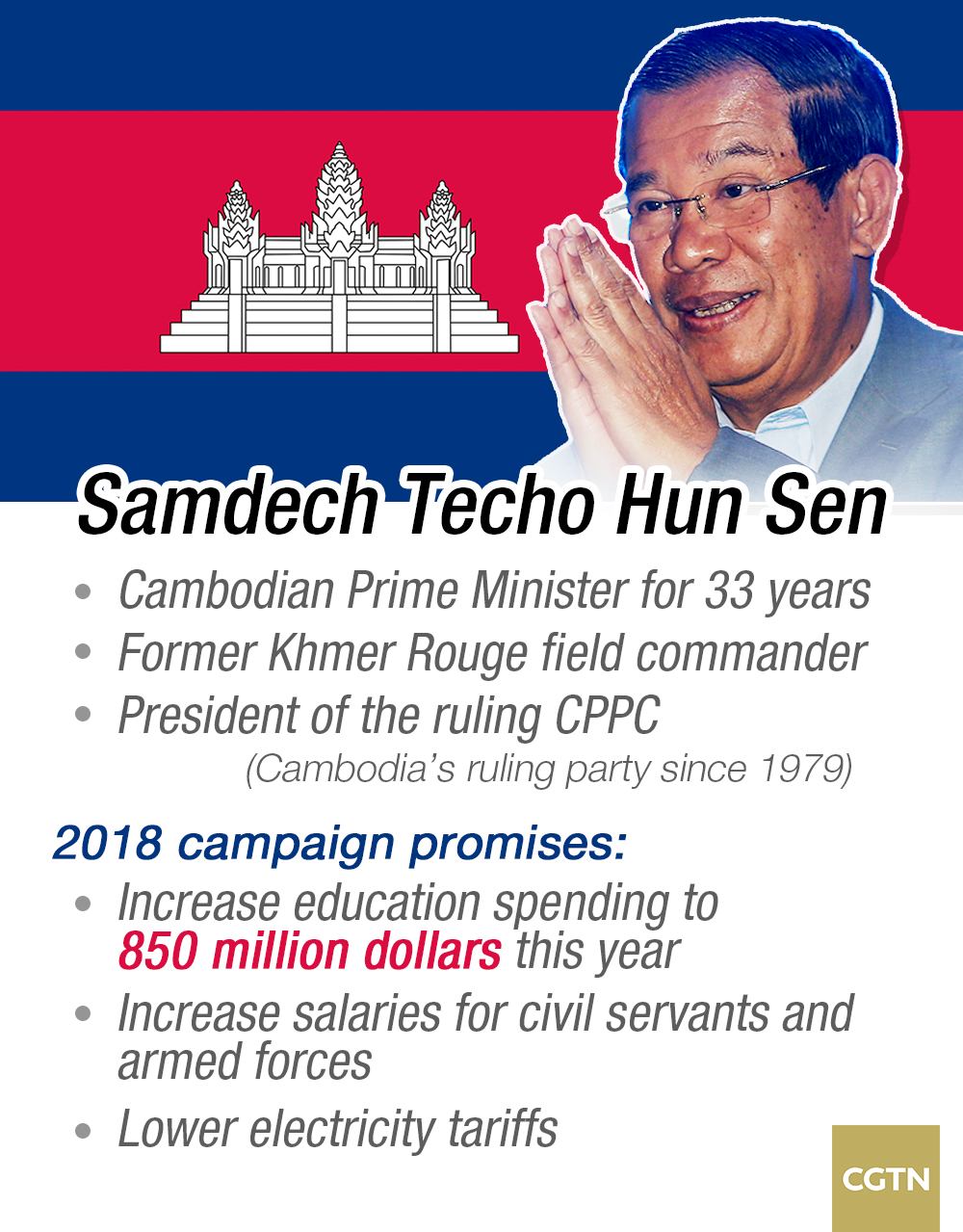
CGTN Photo
CGTN Photo
"We can say that this is a bright and historic success for the CPP," CPP spokesman Sok Eysan told Xinhua. "This clearly reflects the confidence of the Cambodian people in the leadership of the CPP, and they believe that only the CPP can lead Cambodia to a prosperous country."
In the last election in 2013, the ruling CPP won 68 out of 123 seats.
With the victory, Hun Sen, who has been in power for 33 years, will continue to lead the government for another five years.
In a Facebook post on Sunday, the prime minister expressed his gratitude to the compatriots for overwhelmingly turning out to vote.
"The siblings have really chosen the path of democracy and exercised your rights as stated in the constitution, which is the country's highest law," he said. "I thank all the people for voting to elect the lawmakers and ticking political parties that you like on the ballot-papers."
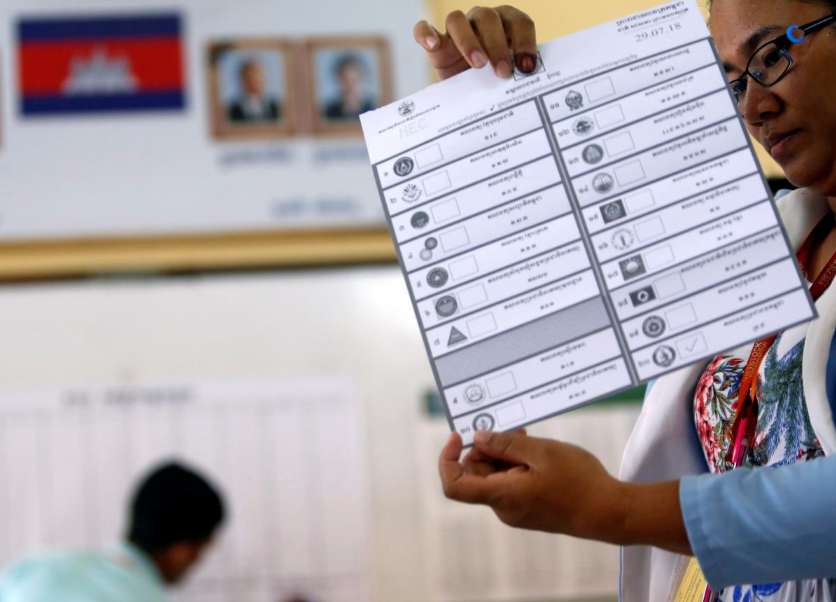
An official at a polling station in Phnom Penh starts the process of counting ballots after polls closed in Cambodia's general election, July 29, 2018. /Reuters Photo
An official at a polling station in Phnom Penh starts the process of counting ballots after polls closed in Cambodia's general election, July 29, 2018. /Reuters Photo
'Free, fair, just, transparent and acceptable'
Seng Sokheng, president of the Cambodian Nationality Party, which also joined the race, said on Monday that Sunday's election went smoothly without any disturbance, violence and intimidation.
He said in a statement that the election was "free, fair, just, transparent, acceptable and better than that of previous elections."
Twenty political parties contested in Sunday's election.
According to the NEC, some 6.88 million, or 82.17 percent, of the 8.38 million eligible voters cast their ballots at all 22,967 polling stations across the country.
NEC chairman Sik Bun Hok also said Sunday's election ran smoothly without any violence or intimidation, adding that the provisional results will be released on Aug. 11, and the official ones will be publicized on Aug. 15.
The election was monitored by more than 500 foreign observers from 52 countries and nearly 80,000 locals, according to the NEC.
China also congratulates Cambodia on the success of the election, "I wish the Cambodian people, under the leadership of the incoming new government, make greater achievements in national construction," Chinese Foreign Ministry spokesperson Geng Shuang said on Monday.
On the other hand, the European Union on Monday said elections in Cambodia that handed strongman Hun Sen full control of parliament lacked credibility and did not reflect the will of the people.
"The lack of genuine electoral competition and the absence of an inclusive political process mean that the July 29 election is not representative of the democratic will of the Cambodian electorate," a statement from the EU's foreign affairs office said. "Therefore its outcome lacks credibility," the spokesman added.
The US government on Sunday also criticized Cambodia's July 29 parliamentary elections.
03:16
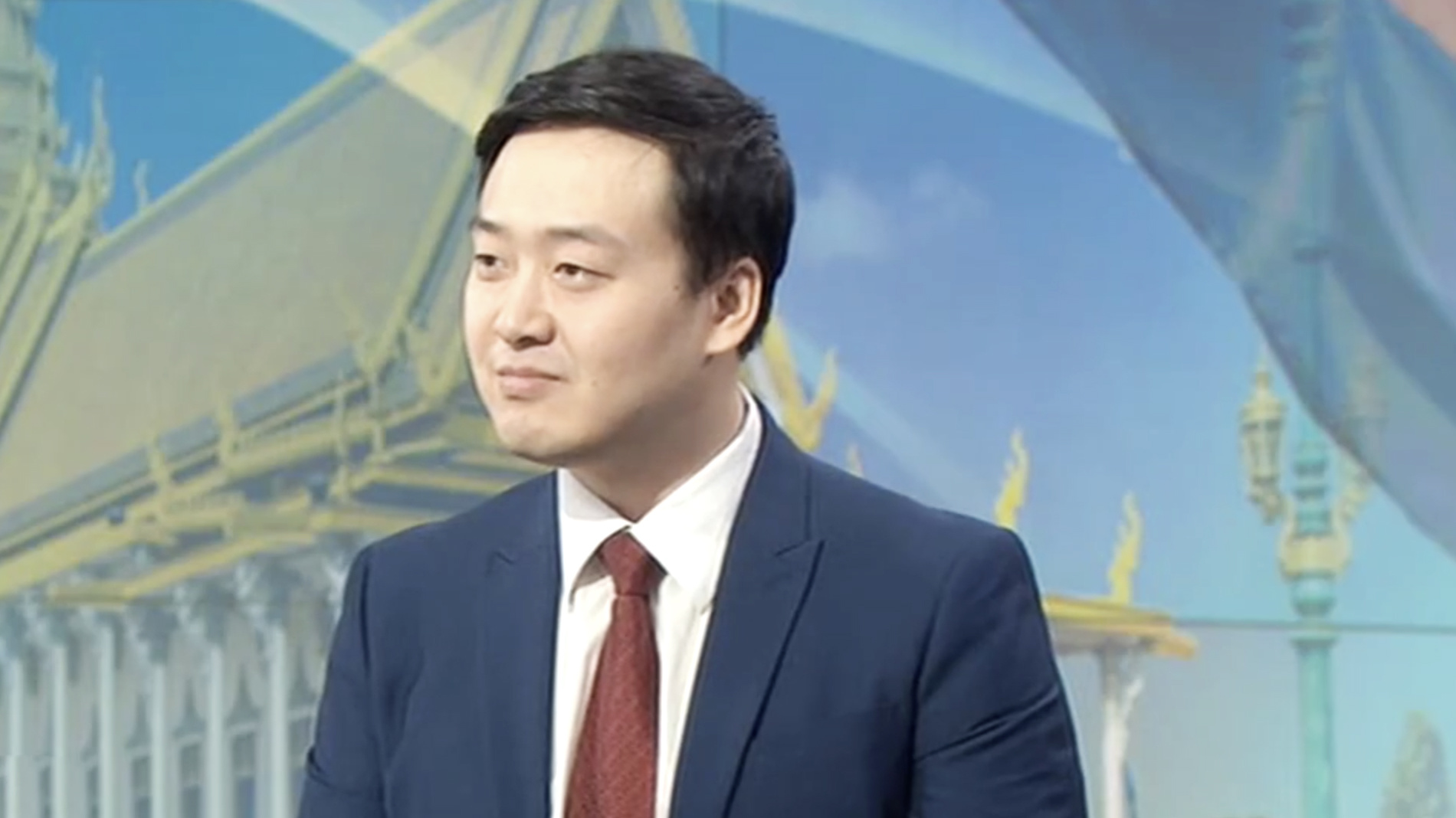
Wang Peng, the associate researcher at Chongyang Institute for Financial studies from the Renmin University of China, told CGTN that one word can explain the reason why Hun Sen can win such a landslide success, "that is economy".
"During the past five years, although there are some turmoils or economic crises in the Asia, Cambodia and China have cooperated many projects under the Belt and Road Initiative, which promotes Cambodian economy a lot," Professor Wang said.
Challenges lay ahead
CGTN's correspondent Rian Maelzer in Phnom Penh interviewed a Cambodian vegetable seller after the election result turned out, "I can just earn a little bit money, enough to feed my family, I can send my two younger kids to primary school, but my older kid has to drop out," the Cambodian woman said.
05:14
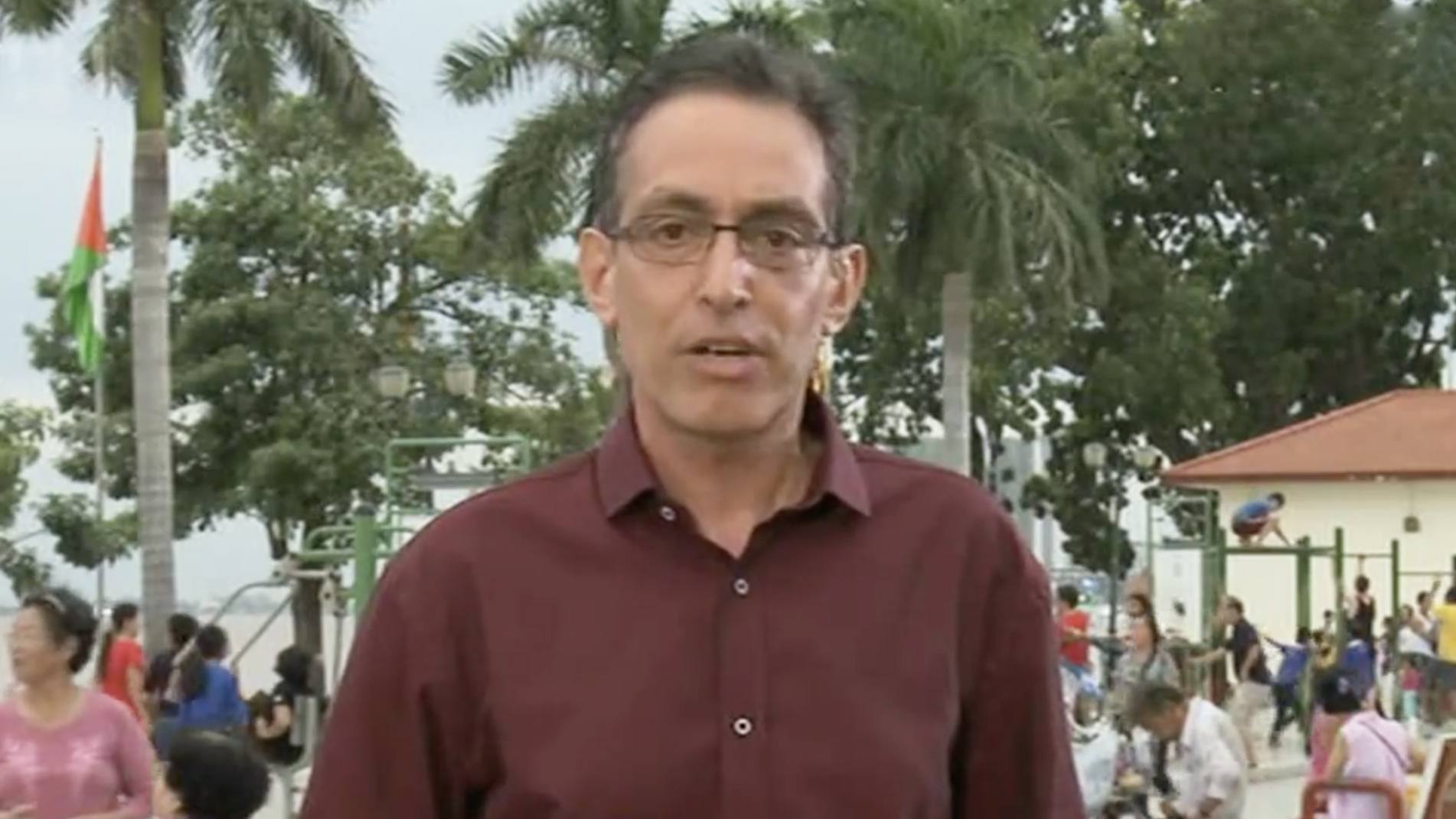
Uneven development, low wages, and poor education may be the three main big issues for the incoming government to deal with.
"Around one million Cambodians have left the country to work overseas and seek better opportunities, and Hun Sen did promise a sharp rise in wages," the correspondent added.
Wang Peng also said that Hun Sen should deepen and strengthen the cooperation with China with projects, 'We need more companies to open more industrial zones and parks in Cambodia".
He also added that the new government should ease the tensions between the ruling party and the opposition parties to attract more foreign investments.
In Hun Sen’s vision, Cambodia will become an upper-middle income country by 2030, and a high-income country by 2050. He also said Cambodia was aiming for economic growth of around 7 percent this year. If successful, this would increase the Gross Domestic Product to about over 24 billion US dollars.
According to Article 82 of the kingdom's constitution, the first session of the new National Assembly will be convened no later than 60 days after the election.
The Southeast Asian country holds a general election once every five years. Sunday's general election was the sixth of its kind since 1993.