
World
13:10, 03-Aug-2018
As one door closes
Updated
13:11, 06-Aug-2018
 ["china"]
Share







Copied
02:47
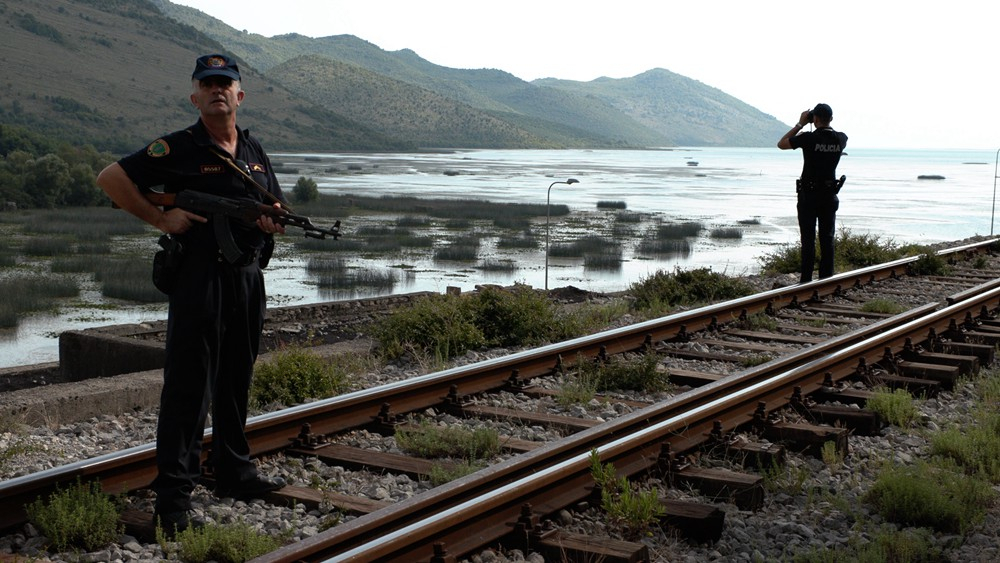
Some say that the peak of the migrant crisis in Europe dates back to 2015. But despite the number of migrants entering Europe from various directions significantly decreasing, still tens of thousands of people seeking a better life are finding their way into the EU.
In the latest bid to ease the migrant pressure on Europe, Western EU countries have suggested opening their new "migrant reception centers" in the southeast, with Albania cited as one possible location.
It was a proposal that was flatly rejected by the country's prime minister, Edi Rama.
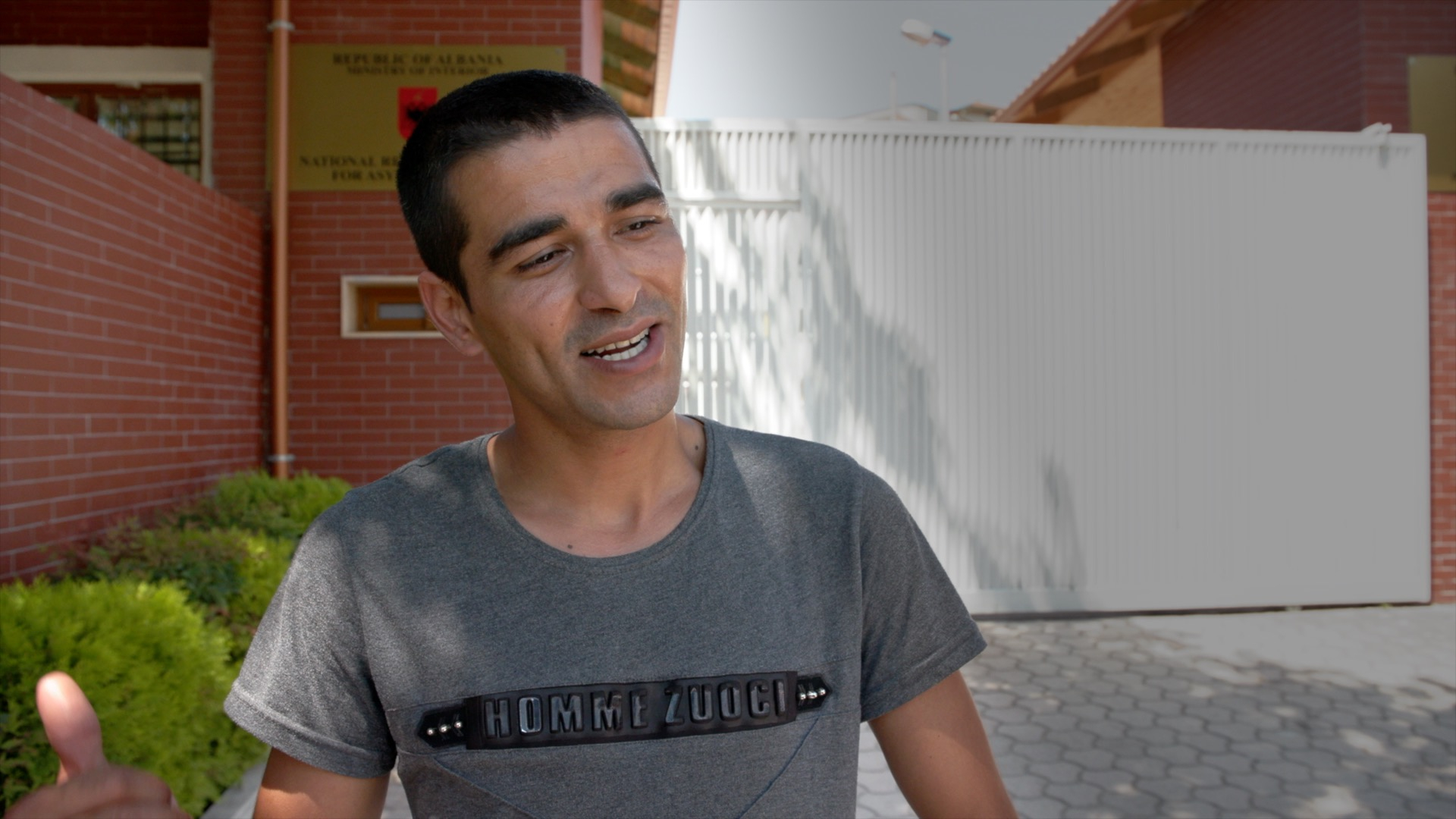
Momen Navid From Afghanistan is happy at the asylum center in Tirana, but wants to continue his journey to Austria. /CGTN Photo
Momen Navid From Afghanistan is happy at the asylum center in Tirana, but wants to continue his journey to Austria. /CGTN Photo
With that particular Southeastern European country becoming an increasingly popular entry point for migrants, authorities feel it could be a prime spot for the centers. In order to see what is currently happening there, we went to the Albanian border with Montenegro, where we met with Albanian border guards checking the surrounding mountains for potentially illegal crossings.
They normally come through the town of Shkodra, and on the main route to the Montenegro capital, Podgorica. The terrain is rough: temperatures regularly climb to near 40 degrees Celsius, while venomous snakes also lurch in the bushes. But none of that is enough to dissuade the thousands who desperately want to reach the EU.
In just one month, and at this section alone, hundreds of migrants were stopped trying to illegally cross into Montenegro. But how many of them actually went through undetected is anybody's guess.
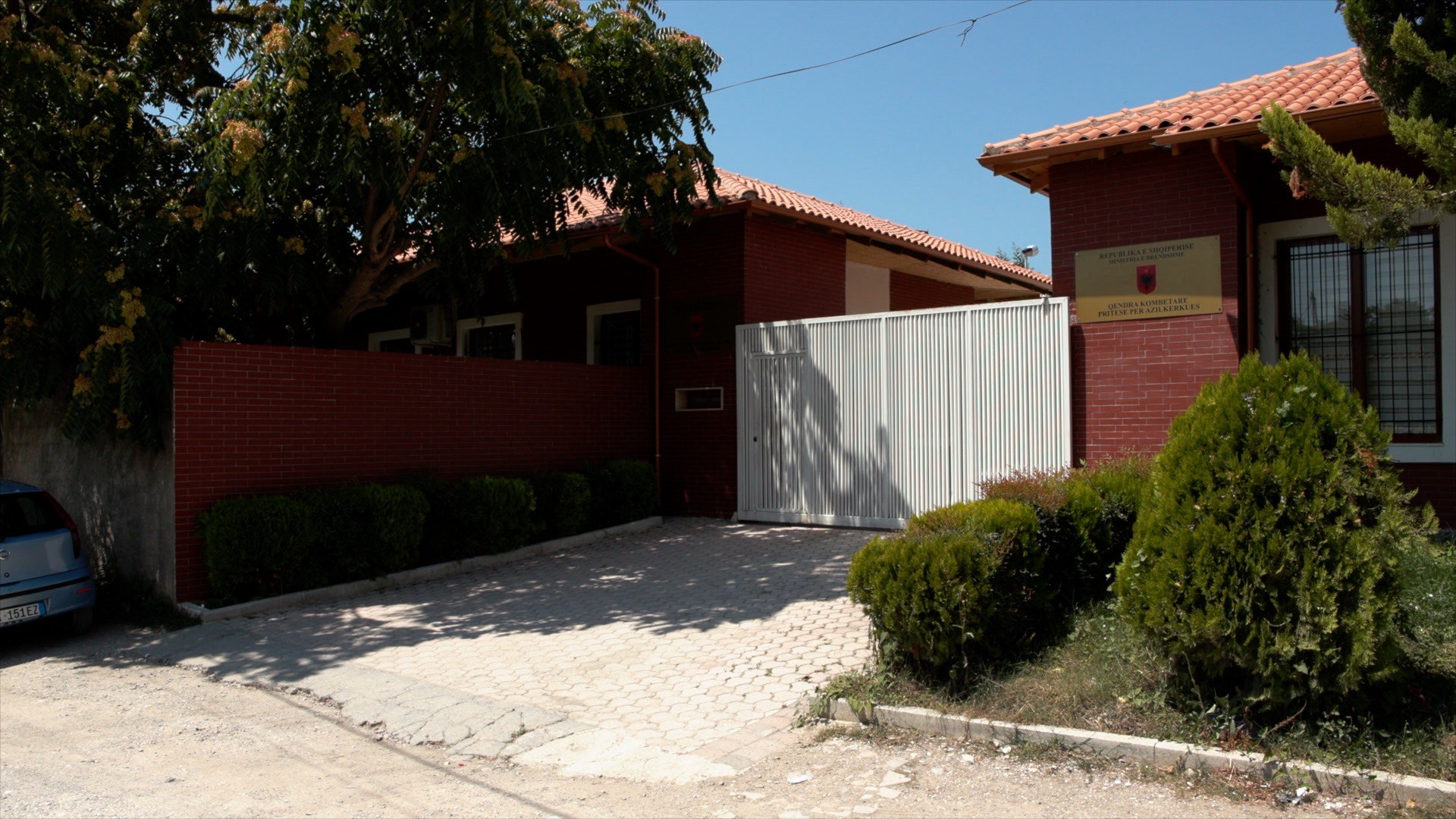
National reception center for asylum seekers in Tirana. /CGTN Photo
National reception center for asylum seekers in Tirana. /CGTN Photo
Into Montenegro through Albania has become the preferred route of many migrants. And that was confirmed to us by the migrants we spoke with at an asylum center on the outskirts of the Albanian capital, Tirana. They’ve told us that they chose to avoid the much more convenient Bulgaria route because, they feel, it's too dangerous.
One of them was Momen Navid, an Afghani migrant who left Kabul two-and-a-half years ago, hoping to rejoin his family in Austria. He too decided to avoid going through Bulgaria.
“It’s tougher. It’s tougher at the border, it’s tougher, they are beating people, taking phones, so I only had bad news. We have here a camp, and it is on the street, I don’t know. The people that went here before us, they give this information,” Navid has said.

Pablo Zapata, UNHCR representative in Albania. /CGTN Photo
Pablo Zapata, UNHCR representative in Albania. /CGTN Photo
As a result, the amount of migrants choosing Albania has increased, a worrying trend for the UN refugee agency in the country.
Keeping the situation under control
In Tirana diplomatic quarters, we’ve met UNHCR Representative in Albania Pablo Zapata. He shared modest optimism that the situation is not spiraling into mayhem just like 2015.
“The numbers, as I said, have risen with regards to last year. They are three times bigger than the whole last year, so we are not minimizing that. But this is the sixth month… The fifth month, sorry, where there is relative stability. So, January, February, March, saw exponential growth, and we are concerned about what would happen if this amount continues growing in the same proportion. However, after April the numbers have stabilized.”

Rovena Voda, Albanian deputy interior minister. /CGTN Photo
Rovena Voda, Albanian deputy interior minister. /CGTN Photo
While authorities seem to have controlled the situation to a certain degree, they know it could escalate at any time. Indeed it's not so long ago since Albania wasn't even considered a potential migrant route into the EU. So the government is now doing all it can, to secure it, as Albanian deputy interior minister Rovena Voda said in an interview with the CGTN.
“Our state police have tried to work on two directions, not only on border control and making patrols, joint patrols, etc., but also fighting the individuals and criminal groups that facilitate the route of illegal migrants through the borders of Albania to pass then to the EU countries.”
In the first half of 2018 alone, Albanian police arrested 24 smugglers. And yet many are wondering if their efforts are making any difference.
(Cover: Albanian border guards checking surroundings at the border with Montenegro. /CGTN Photo)