
Opinion
16:59, 25-Apr-2019
Critics of China’s development assistance to Africa lack facts
 ["china"]
Share







Copied
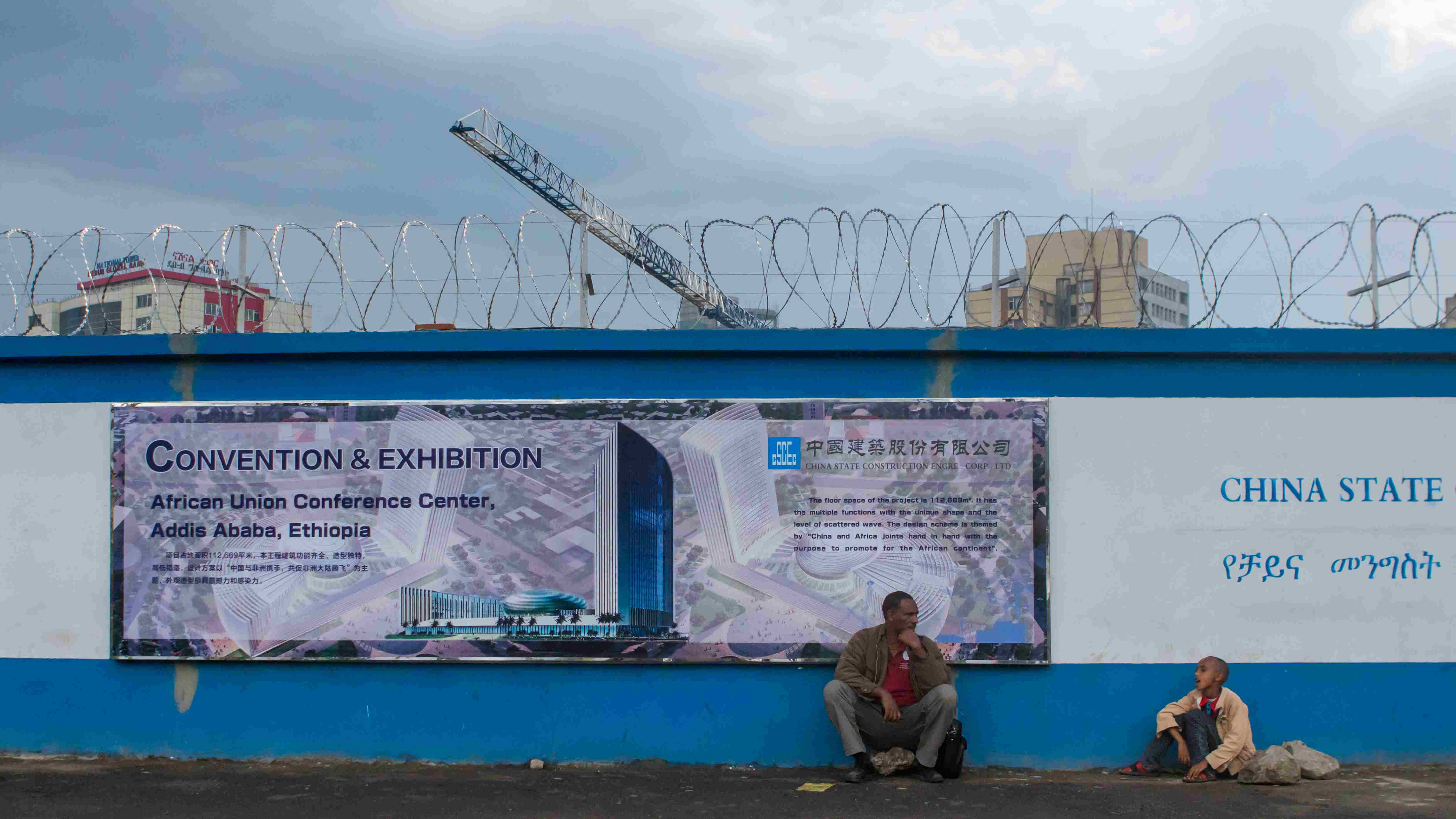
Editor's note: Ssemanda Allawi is a Ph.D. candidate specializing in International Relations and Diplomacy, and the author of the book Global Governance and Norm Contestation: How BRICS is Reshaping World Order. The article reflects the author's views, and not necessarily those of CGTN.
Over the past few decades, African countries have lagged behind in terms of infrastructure development, particularly in road networks, electricity and railways. In 2016, the World Bank identified lack of funding as one of the greatest bottleneck African countries were (and still are) facing when it comes to infrastructure development. Uganda is not exceptional, in regards to this challenge.
Consequently, to meet their needs for infrastructure development, African countries decided to look for assistance from allies. Indeed, China has extended much-needed development assistance to African countries.
Sadly, China's discretion and willingness to offer support to developing world through various initiatives such as loans, grants and Belt Road Initiative, which China shares opportunities as she pursues common development with the rest of the world has always been unfairly criticized downplaying the enormous benefits the Initiative brings.
Earlier this month, in Uganda, China funded the construction of Isimba Hydro Power Station. The dam increased the country's power capacity, and the development means the cost of electricity will reduce and power outage challenge which affects businesses will also decrease.
This gives Ugandans opportunity to have uninterrupted power supply and the ability to connect more Ugandans to hydropower grid which economists describe as one of the factors required to boost economic growth.
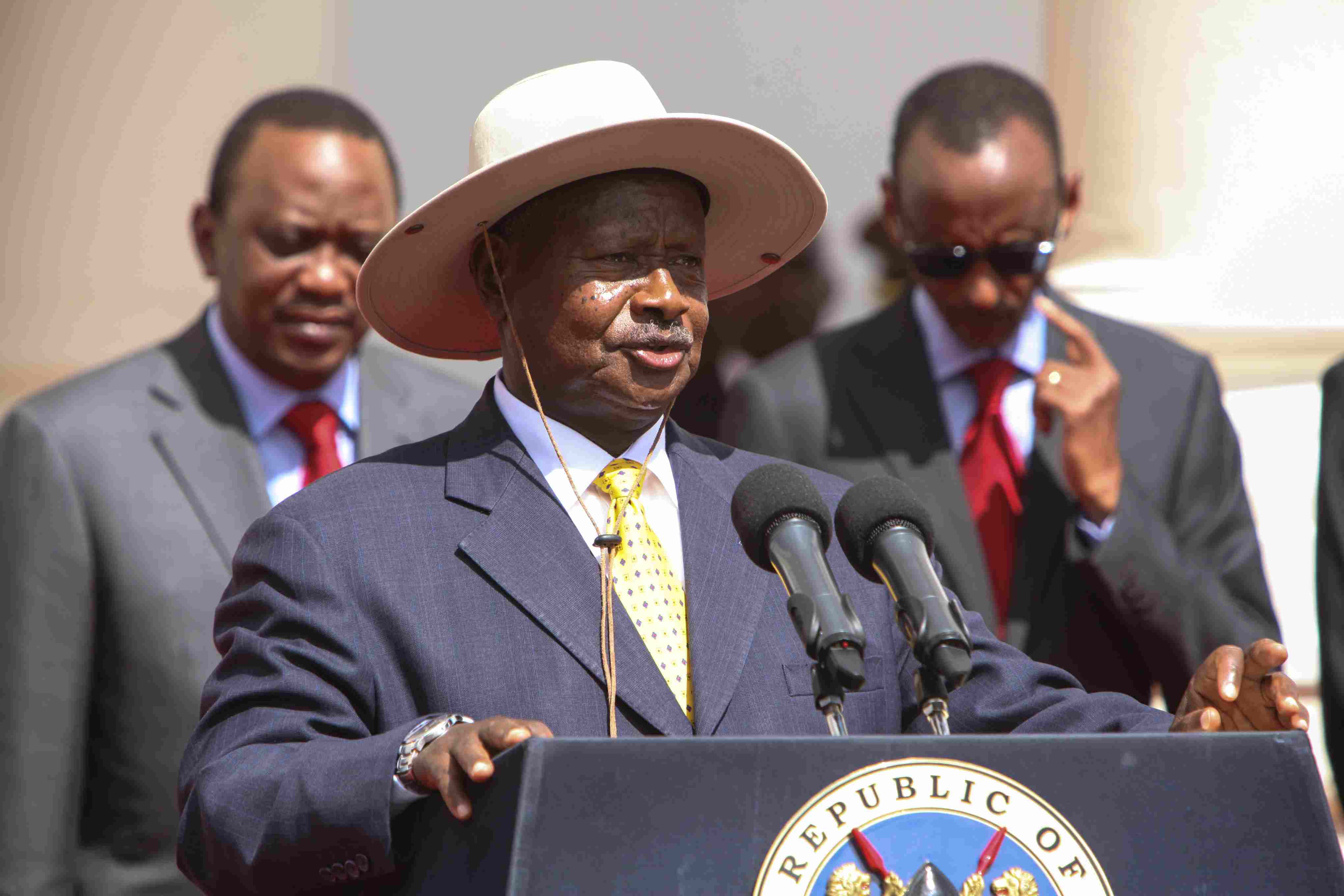
Uganda President Yoweri Museveni makes his remarks at the State House in Nairobi, Kenya, May 11, 2014. /VCG Photo
Uganda President Yoweri Museveni makes his remarks at the State House in Nairobi, Kenya, May 11, 2014. /VCG Photo
The development further puts Uganda on the right track in regards to attaining the 17 United Nations Sustainable Development Goals (SDGs) by 2030 especially goal No. 7 which calls for Affordable and Clean Energy and goal No. 9, Industry Innovation and Infrastructure. Therefore, all efforts meant to support infrastructure development in Uganda should be warmly welcomed for they wish us well.
Infrastructure projects such as hydropower dams, roads as it's the case with Entebbe expressway, several other roads in different parts of the country, and industrial parks which have been put up with Chinese government support all will in short and long run contribute towards our national economic growth.
It is, however, important to note that while such infrastructural projects are needed to spur economic programs, they are expensive and there are few development partners willing to support them with less or no conditions as other traditional Western institutions, such as World Bank, IMF and their counterpart states often put stringent requirements on their funding. Hence, the Ugandan government hailing Beijing for supporting Kampala's expensive infrastructure projects is very right.
America's Boston University's Global Development Policy Center's latest research indicates that the China Development Bank and China's Export-Import Bank of China now provide more financing to developing countries, especially in Africa more than the World Bank.
This does not include Chinese bilateral and multilateral development finance arrangements which the Chinese government extends to developing countries via bilateral and regional development funds all-over the world.
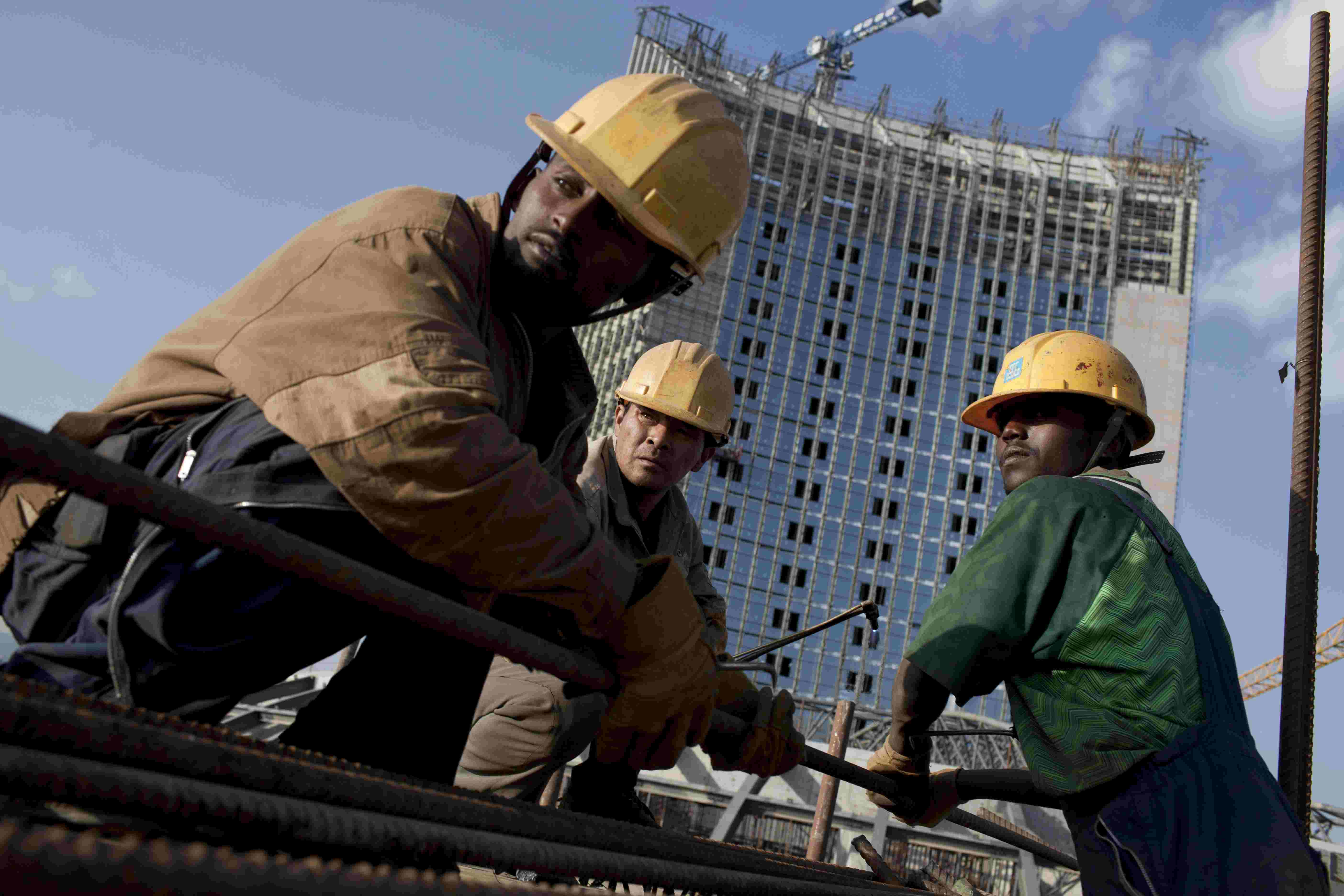
A Chinese construction worker with Ethiopian workers at the new African Union Buildings in Addis Ababa, Ethiopia, November 17, 2010. /VCG Photo
A Chinese construction worker with Ethiopian workers at the new African Union Buildings in Addis Ababa, Ethiopia, November 17, 2010. /VCG Photo
Sadly, China's kindness and willingness to extend credit to African countries to support huge projects which the West seem not ready too, rather than welcoming China's brotherly assistance to African countries, the United States is mistakenly shunning Chinese development finance around the globe.
Recently during a press conference in Kampala, America's Assistant Secretary of State for African Affairs Tibor Nagy criticized China for extending huge loans to African countries suggesting that African countries will fail to pay such loans, and that China was receiving gushing praises, yet the West's support receives less to no approvals compared to China's.
While Nagy is obsessed that China is extending infrastructure assistance to Africa and other developing countries, he doesn't mention that Western-led development finance from the Bretton Woods institutions such as World Bank and its counterparts have reduced after being stagnant for decades.
Secretary Nagy also should acknowledge that Global Infrastructure Facility supported by the Western-dominated so-called Group of 20 (G20) have raised 84 billion U.S. dollars and committed just 37 million U.S. dollars as opposed to China which has negotiated close to 170 billion U.S. dollars in bilateral and regional development funds announced during the 2018 Forum on China-Africa Cooperation (FOCAC) summit in Beijing.

Assistant Secretary of State for African Affairs Tibor Nagy (R) listens to a question during a press conference at the U.S. Embassy in Addis Ababa, Ethiopia, November 30, 2018. /VCG Photo
Assistant Secretary of State for African Affairs Tibor Nagy (R) listens to a question during a press conference at the U.S. Embassy in Addis Ababa, Ethiopia, November 30, 2018. /VCG Photo
Therefore, because of the huge funding gaps particularly infrastructure which China is willing to support on the basis of mutual benefit, it is really natural that Emerging economies, and developing countries especially African countries are happily embracing Chinese loans.
From the perspective of international relations, an argument can be made that African countries prefer China's loans and assistance simply because China respects African countries, and Chinese aid has no strings attached, African countries are at liberty to invest such funds in projects they find more relevant to their people than Western support which often comes with instructions on where to invest it.
That said, China is proving to African countries that Beijing is a reliable partner. While critics like Secretary Nagy continue to prophesize doom that African countries will default paying back huge Chinese loans and therefore China is risking, Chinese investors have not abandoned Africa.
As former Chinese leader Deng Xiaoping who opened up China and started reforms that saw China start modernity path once noted: "it doesn't matter whether a cat is white or black, as long as it catches mice." In Africa, it also doesn't matter where development assistance is coming from; provided it is not used to interfere in our domestic affairs or with conditions as Chinese are doing. Such aid assistance is always welcome.
(If you want to contribute and have specific expertise, please contact us at opinions@cgtn.com.)