
Politics
08:08, 02-May-2018
Netanyahu's Iran nuke claims fail to convince deal proponents
 ["china"]
Share







Copied
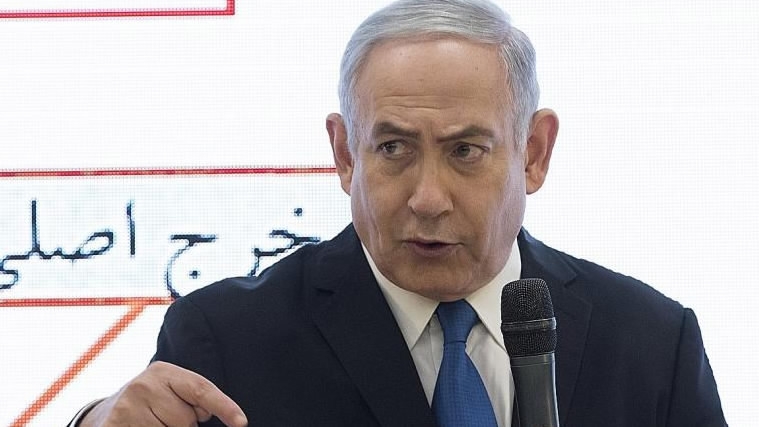
Israel began sharing an intelligence trove on Iran's alleged nuclear ambitions Tuesday, but Prime Minister Benjamin Netanyahu faced accusations his televised unveiling of it lacked evidence a 2015 accord had been violated.
The IAEA, the United Nations atomic watchdog, said it would evaluate any new relevant information, but cited its assessment from three years ago that it had no "credible indications" of an Iranian nuclear weapons pursuit after 2009.
Netanyahu's elaborate presentation live on television on Monday night came ahead of a crucial decision by US President Donald Trump by May 12 on whether to withdraw from the nuclear agreement between world powers and Iran.
The Israeli prime minister said tens of thousands of documents recently recovered by intelligence operatives in Tehran proved his country's main enemy Iran had a secret nuclear weapons program it could put into action at any time.
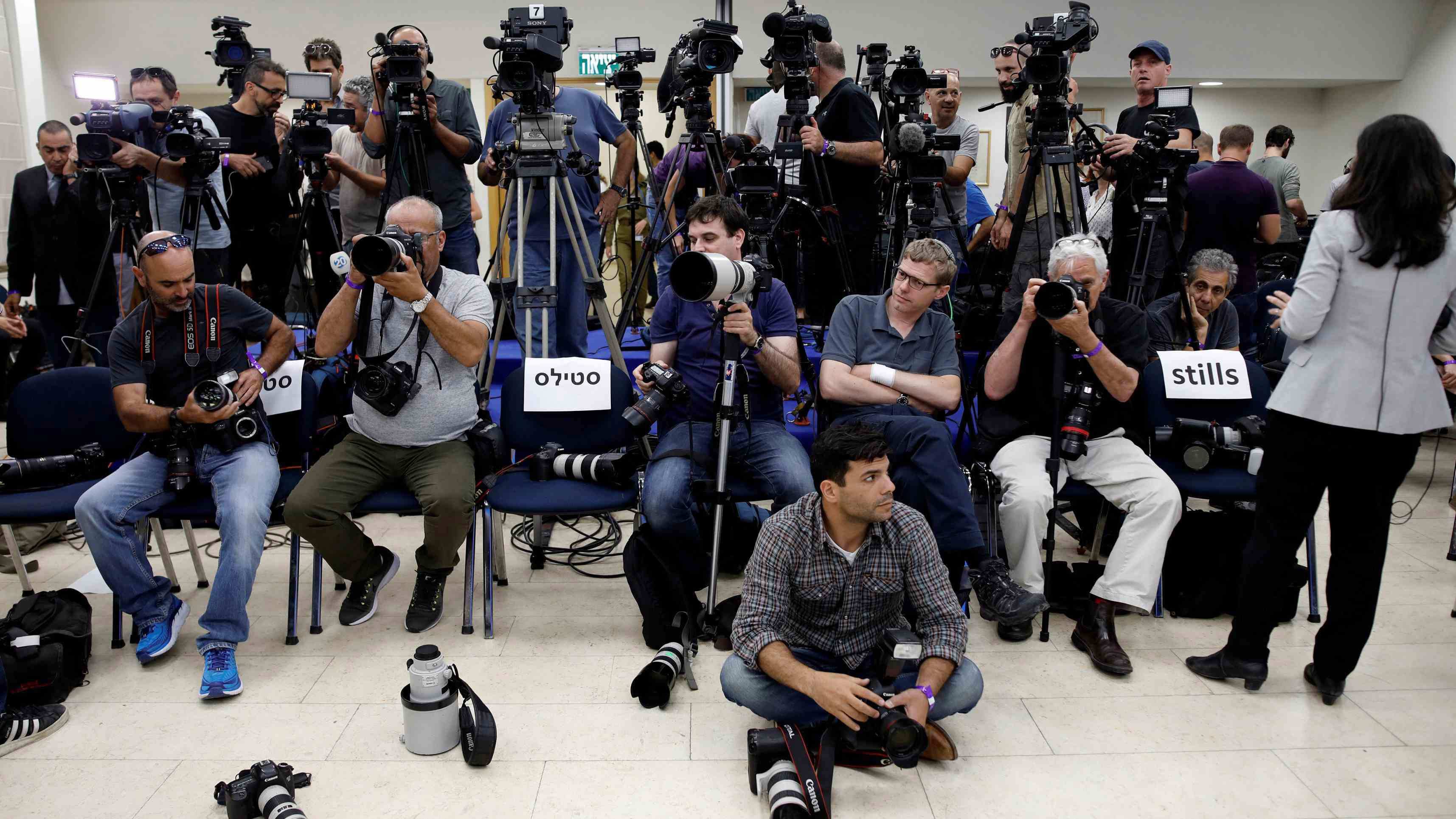
Media crews prepare themselves for a news conference by Israeli Prime Minister Benjamin Netanyahu in Tel Aviv, Israel, April 30, 2018. /Reuters Photo
Media crews prepare themselves for a news conference by Israeli Prime Minister Benjamin Netanyahu in Tel Aviv, Israel, April 30, 2018. /Reuters Photo
But the presentation that included props, video and slides led to accusations from some that the White House and Netanyahu coordinated it as Trump considers whether to pull out of the nuclear deal.
Some analysts and proponents of the nuclear agreement also said Netanyahu had presented previously known details and failed to produce evidence that showed Iran was not abiding by the accord.
"I have not seen from Prime Minister Netanyahu arguments for the moment on non-compliance, meaning violation by Iran of its nuclear commitments under the deal," European Union diplomatic chief Federica Mogherini said.
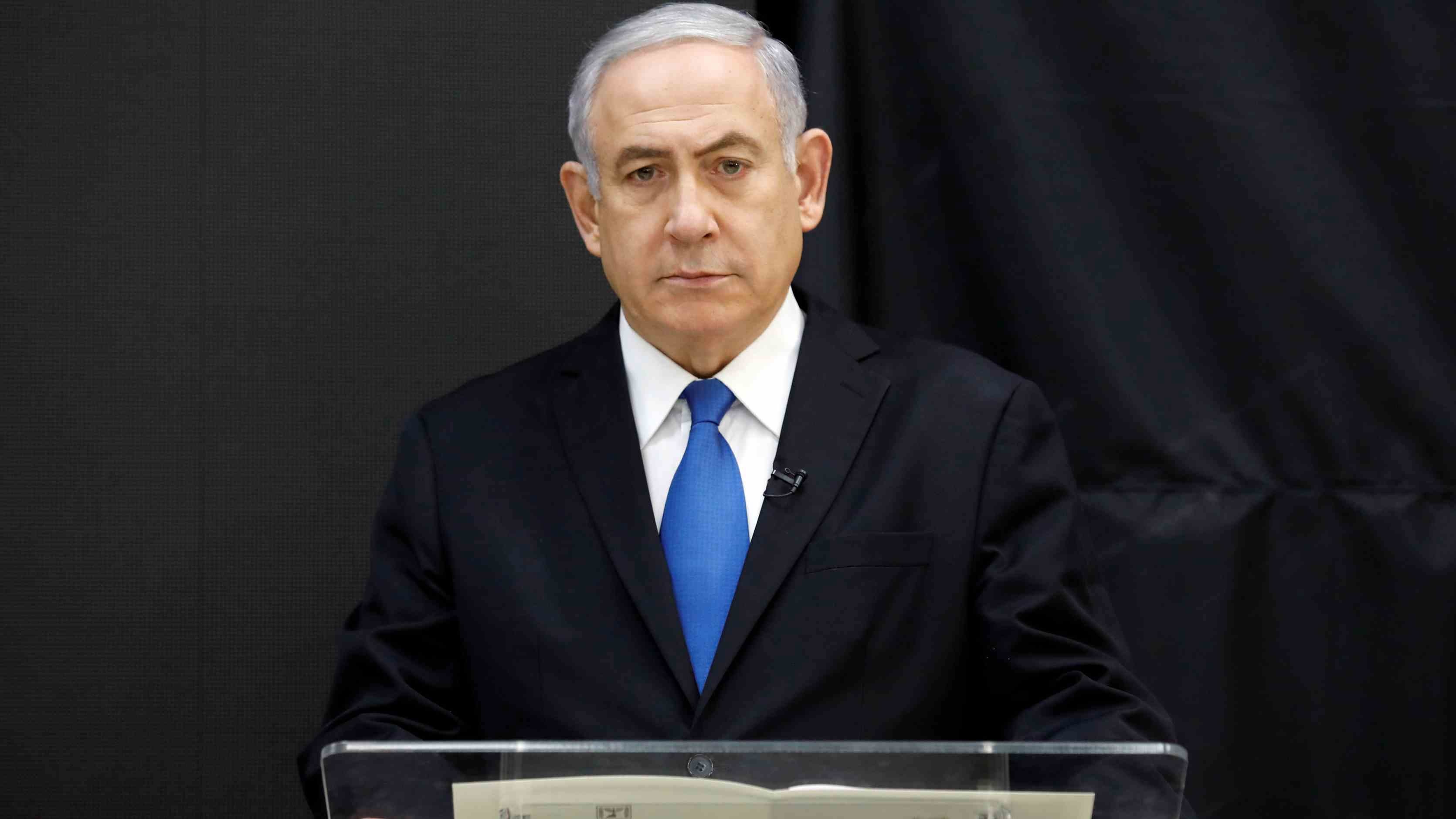
Israeli Prime Minister Benjamin Netanyahu speaks during a news conference at the Ministry of Defense in Tel Aviv, Israel, April 30, 2018. /Reuters
Israeli Prime Minister Benjamin Netanyahu speaks during a news conference at the Ministry of Defense in Tel Aviv, Israel, April 30, 2018. /Reuters
"And again, the deal was put in place exactly because there was no trust between the parties, otherwise we would not have required a nuclear deal to be put in place."
France's foreign ministry said Netanyahu's claims reinforced the importance of the deal.
Iran lashed out at Netanyahu, with foreign ministry spokesman Bahram Ghasemi calling him an "infamous liar" Tuesday.
Iranian Foreign Minister Mohammad Javad Zarif said immediately after the presentation that Netanyahu was "the boy who cries wolf."
Trump welcomed Netanyahu's presentation, as did his Secretary of State Mike Pompeo, who met the Israeli leader on Sunday in Tel Aviv.
The White House caused some confusion with its statement on the Israeli trove, at first saying it showed Iran "has" a secret nuclear weapons program before later changing it to "had."
Source(s): AFP