
World
11:43, 23-May-2018
Gaza residents face real humanitarian and health crisis
 ["china"]
Share







Copied
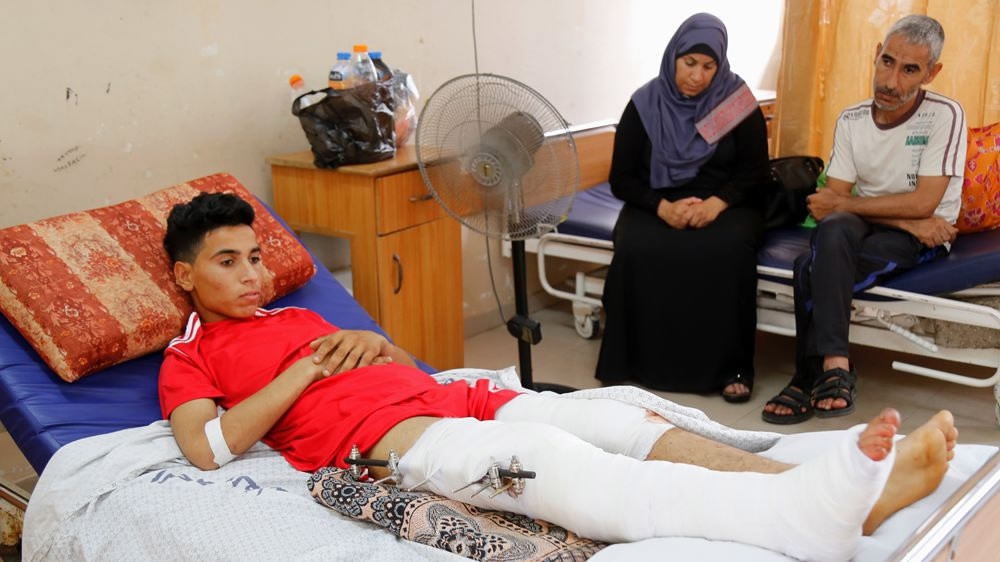
The United Nations Relief and Works Agency for Palestine Refugees (UNRWA) on Tuesday warned that the health sector in the Gaza Strip is on the verge of collapse. At a press conference in Gaza city, UN Commissioner-General Pierre Krahnbuhl said that many people in the world underestimated the size of the health crisis in the blockaded enclave.
"I was shocked not only by the numbers of the injured but also by the nature of the injuries. The demonstrators had been systematically shot either in the lower limbs, femurs, knees and ankles or in the abdomen, the back or in their heads, and the pattern of very small entry wounds and large exit wounds indicates ammunition used to cause severe damage to internal organs, muscle tissues and bones," Krahnbuhl said.
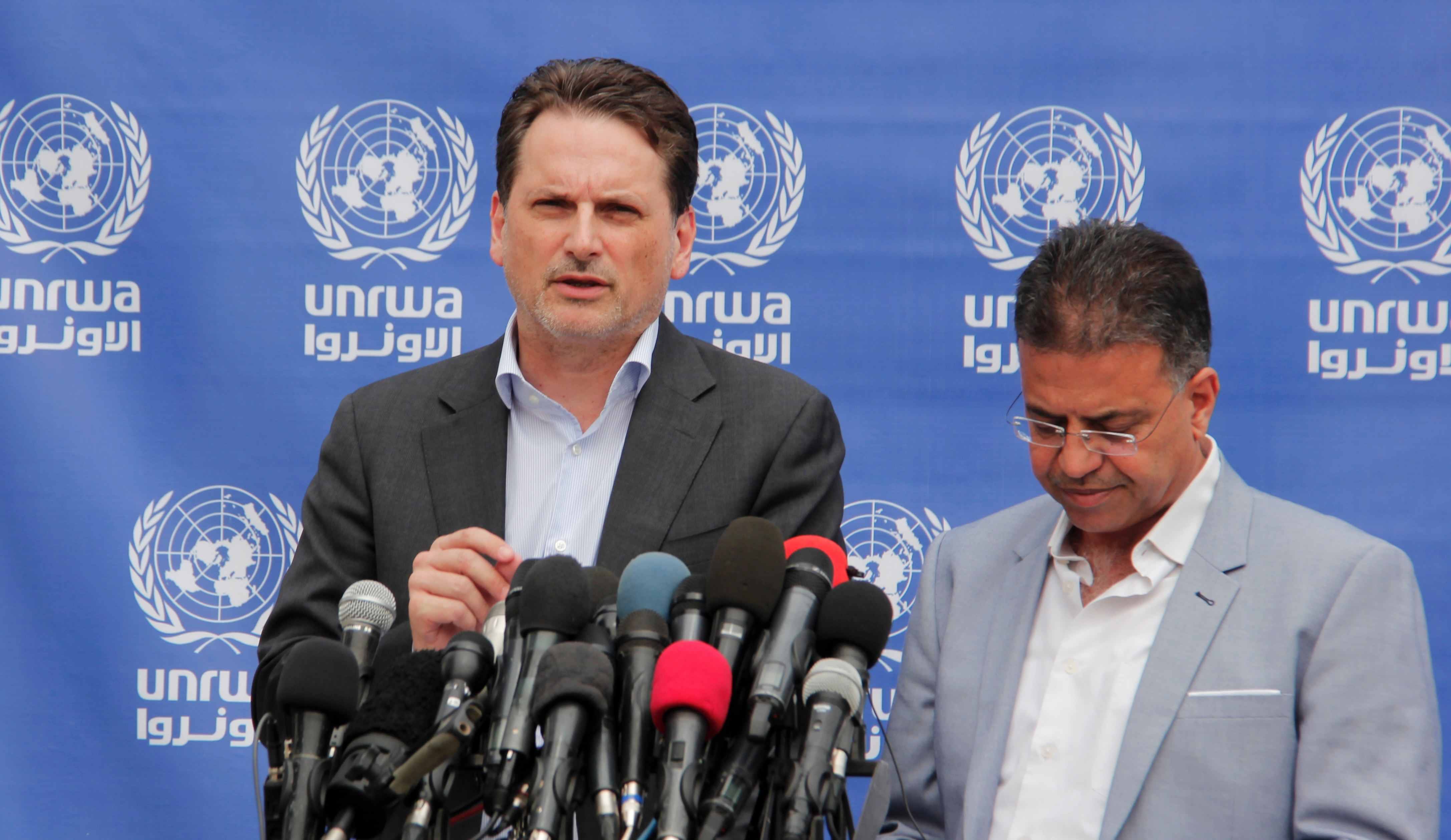
UN Commissioner-General Pierre Krahnbuhl is at a press conference in Gaza city, May 22, 2018. /CGTN Photo
UN Commissioner-General Pierre Krahnbuhl is at a press conference in Gaza city, May 22, 2018. /CGTN Photo
May 14 saw medical staff in Gaza working around the clock to save lives and treat injuries. The majority of the injured needed urgent surgical intervention, however, many of them remained on the waiting list for days and days.
Local sources in Gaza said that more than 60 people were killed, and around 2,500 injured, on the day the US opened its new embassy building in Jerusalem, the deadliest day in the coastal enclave’s history since the 2014 war.
Critical and severe cases of the wounded were transferred from several hospitals across the Gaza Strip to Al-Shefaa Hospital, Gaza’s central medical complex which provides health services to nearly two million people living in the Strip. It also contains the largest number of operation rooms, when compared to minor hospitals.
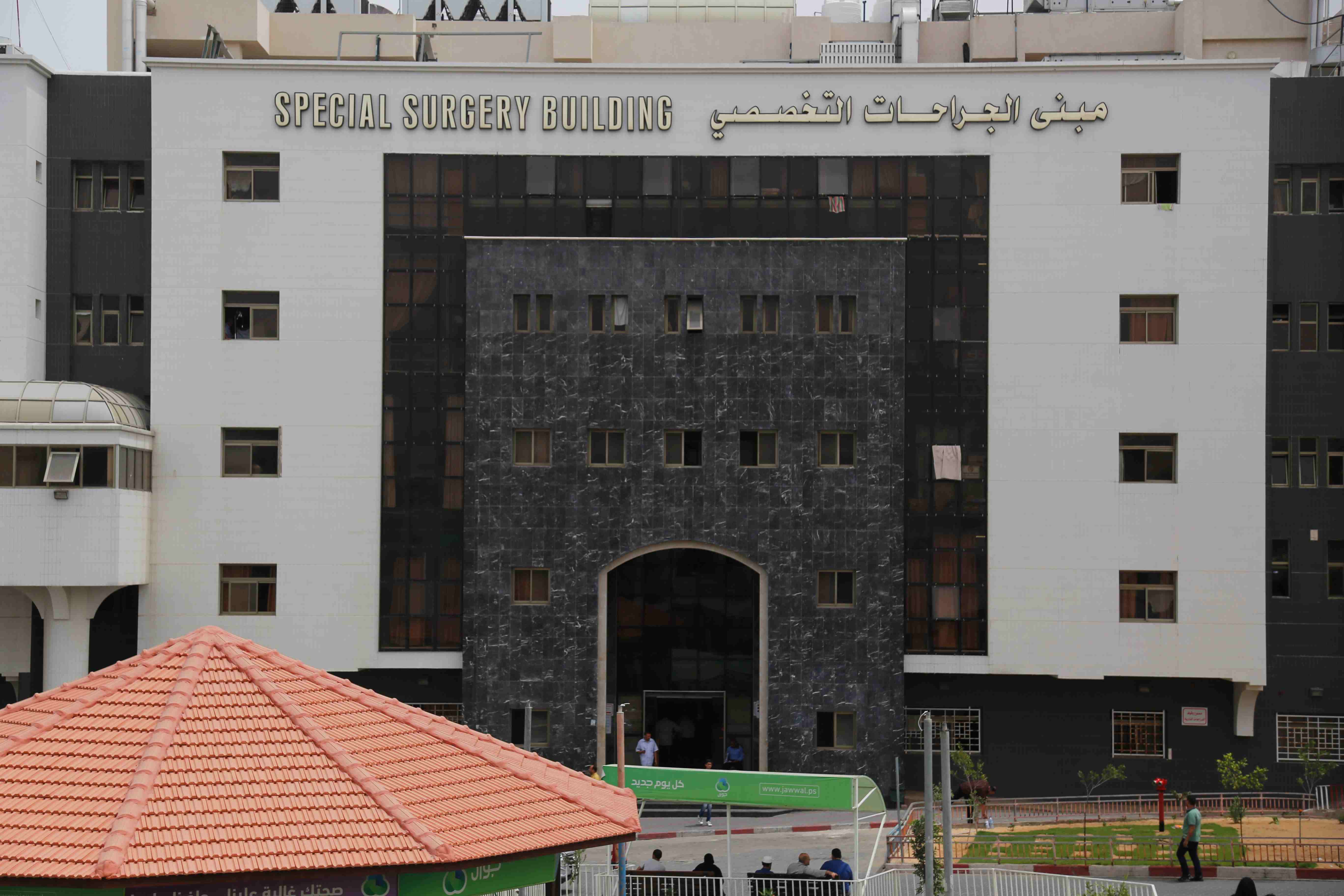
Surgery building at Al-Shefaa Hospital in Gaza city, May 22, 2018. /CGTN Photo
Surgery building at Al-Shefaa Hospital in Gaza city, May 22, 2018. /CGTN Photo
Director of the emergency department at the Al-Shefaa Hospital Dr. Ayman Al Sahabani told CGTN that medical crews at the hospital are facing a real challenge, due to the acute shortage of medicines and medical supplies there.
He added that 50 percent of essential medicines are at zero stock. “We appealed for urgent medical assistance from several parties and countries,” Sahabani said.
Mohamed Shalah, a 26-year old Palestinian who was shot in the leg by an Israeli sniper during the May 14 protests, was lying in bed in the orthopedic department at the Al-Shefaa Hospital. Mohamed said that he buys his medicines mainly, pain killers, out of his own pocket, because many drugs are not available at the hospital.
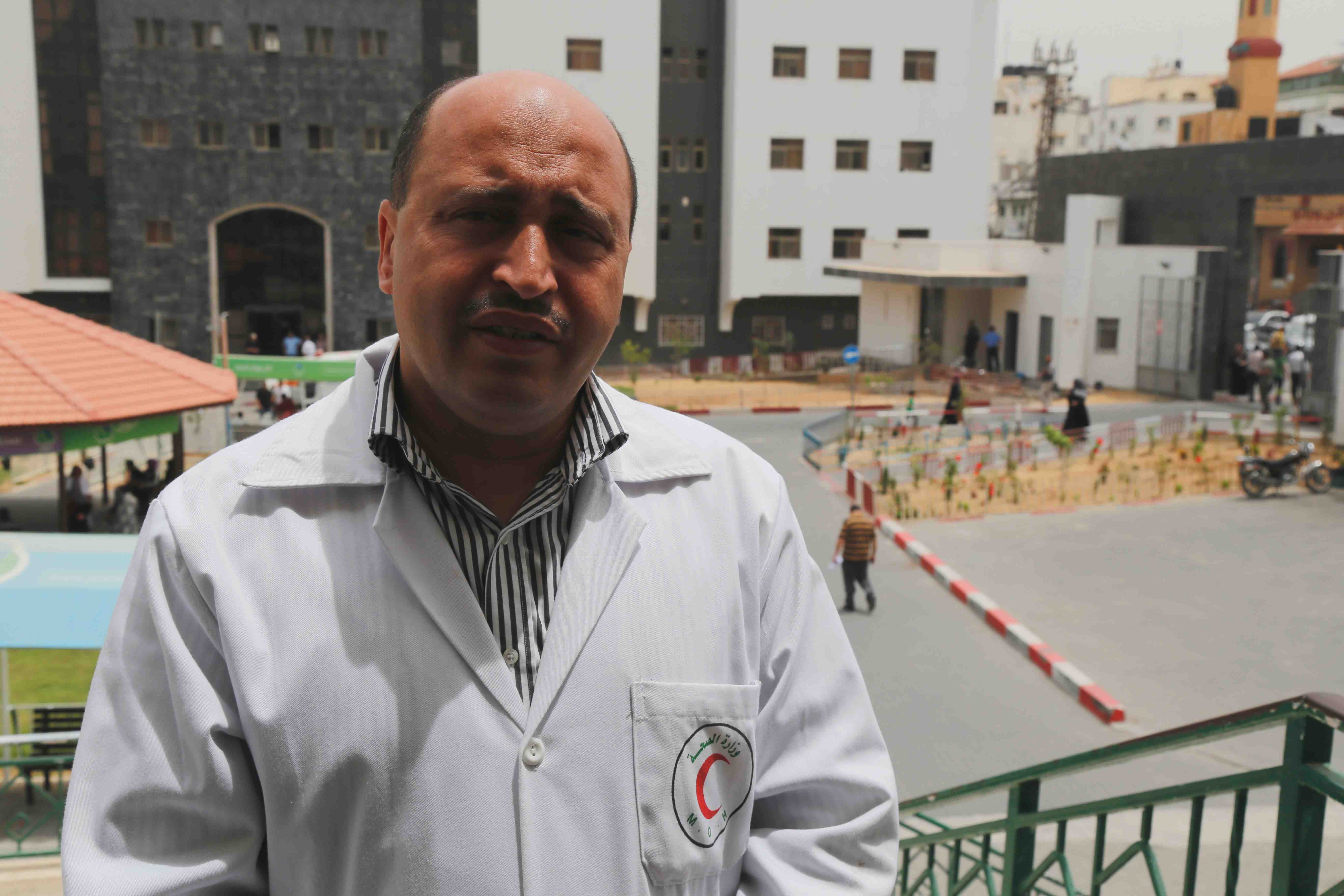
Dr. Ayman Al Sahabani, director of the emergency department at the Al-Shefaa Hospital, May 22, 2018. /CGTN Photo
Dr. Ayman Al Sahabani, director of the emergency department at the Al-Shefaa Hospital, May 22, 2018. /CGTN Photo
“I was critically wounded, the doctors said that I need treatment outside Gaza to keep my leg,” he said sadly.
It is time for the international community to save the already deteriorating health sector in Gaza, which was already facing a crisis of medical personnel, medicine and supplies, having been under blockade for more than 10 years.
Dismayed by the loss of life and injuries in Gaza, the UN’s Relief and Works Agency for Palestinian Refugees (UNRWA) last week called for an international investigation into Israel's excessive use of force against peaceful protesters in Gaza on May 14.