
Opinions
14:26, 10-May-2018
Opinion: Let’s avoid big disaster, American withdrawal from Iran nuclear deal
 ["china"]
Share







Copied
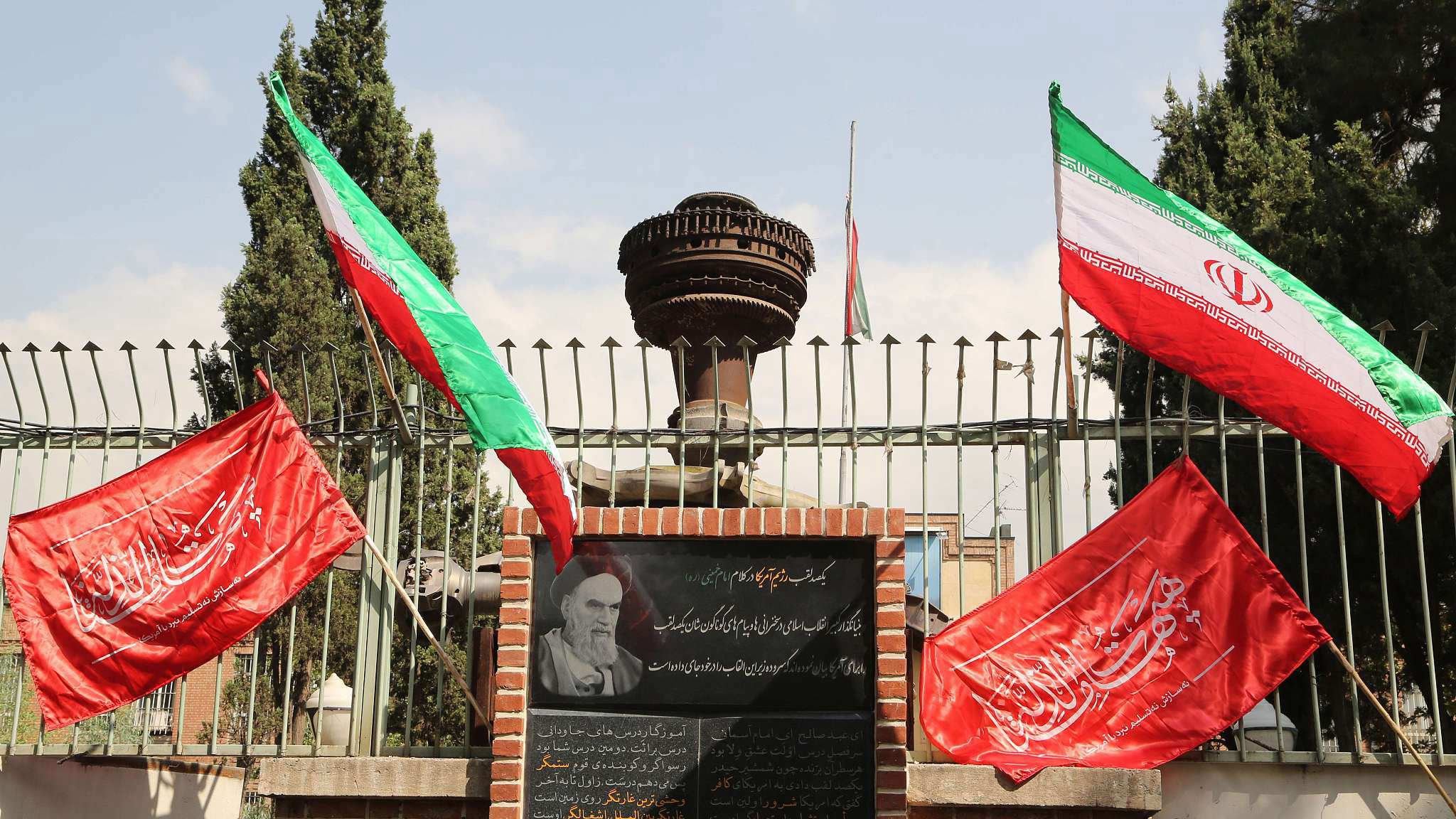
Iran nuclear deal was signed in 2015 among seven nations including, Iran, America, France, Germany, UK, China and Russia. Under the agreement, Iran has to halt its nuclear program, and the international community has to remove economic sanctions from Iran.
It is known that the International Atomic Energy Agency (IAEA) has confirmed that there is no any evidence of any violations from the Iranian side, and nor had the US Congress and Senate confirmed any violations, but through all this, the Israeli prime minister gave a power point presentation to ‘convinced’ the American president to withdraw from the deal.
We should not forget that Israel is not even a signatory to this deal. Trump possibly needed little convincing, as withdrawal from the Iran deal was one of his election campaign promises. On Tuesday, May 8, 2018, the president signed into effect the withdrawal from the Iran nuclear deal.
President Trump also gave clear indications that the US would tighten its economic sanctions on Iran.
In recent history, the demonstrations on sanctions have never been a useful tool against Iran in the past. Their effects are felt almost exclusively by the everyday citizens and increase their suffering.
There are many parties in Iranian politics. Some parties are the hardliners, while some are moderate, and the rest are liberals. However, not all of these parties are on the same page when it comes to the country’s national agenda or nuclear policy. But the sanctions will affect all of them equally.
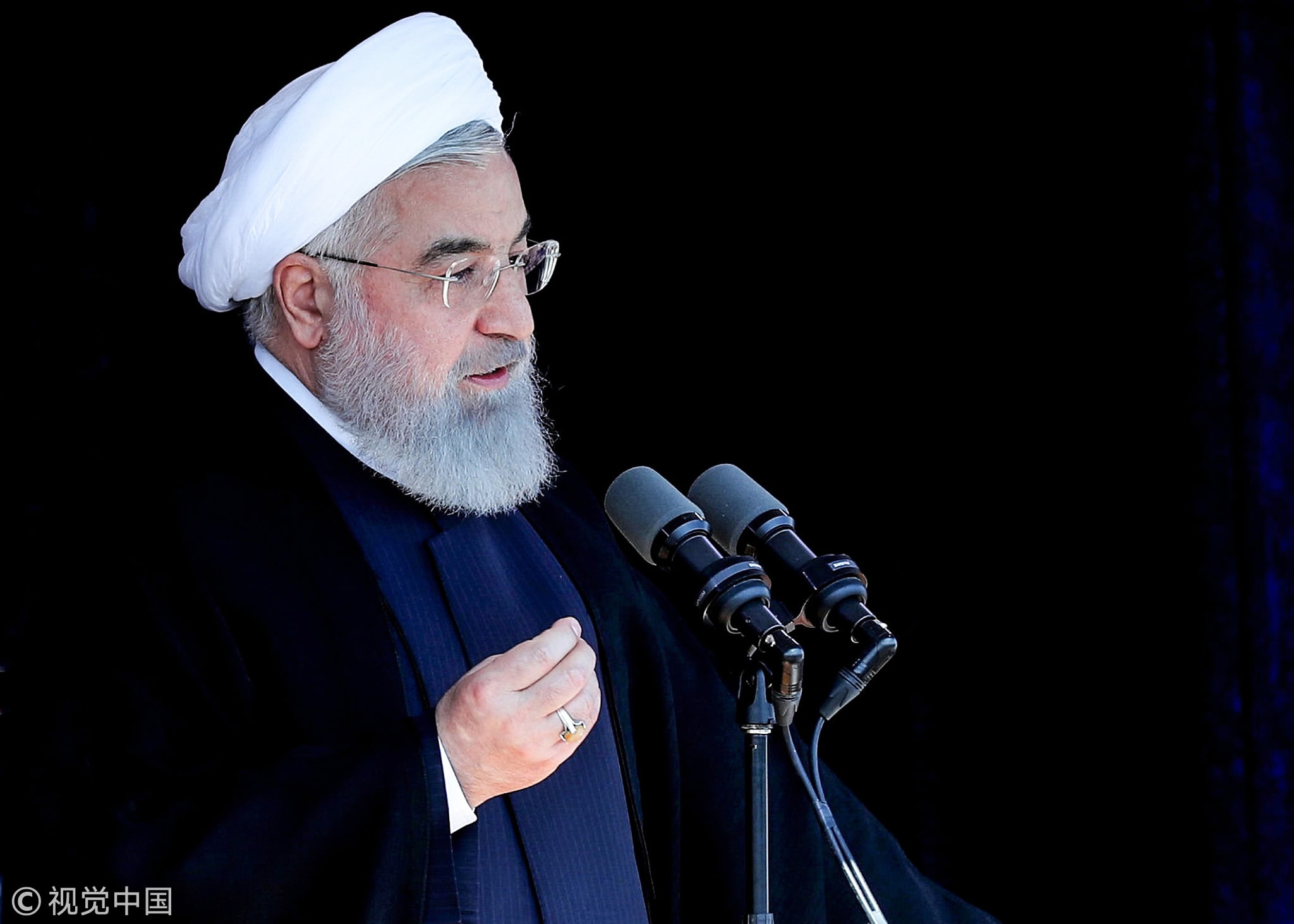
Iranian President Hassan Rouhani gives a speech during a rally in the northwestern city of Sabzevar on May 6.2018. /VCG Photo
Iranian President Hassan Rouhani gives a speech during a rally in the northwestern city of Sabzevar on May 6.2018. /VCG Photo
If Trump felt the Iran nuclear deal was not working, another option might be to take military action, which would be even more disastrous. The Middle-East is already suffering from ill-advised military campaigns over the last few decades.
In the war in Iraq, Libya, Syria, Yemen, or Afghanistan, all civilians and common citizens have been the victims. If Iran is attacked, this time the victims will be Muslims.
On the other hand, Iran has announced that it will remain committed to the five states to continue the deal and will not opt for developing nuclear weapons. The five signatories of the deal are also in favor of the extension of the agreement. So, what will be the impact of America’s withdrawal from this deal? If economic sanctions will be imposed, what will change? If Iran is attacked, what will happen?
There are many possibilities, let me explain some of them below.
The Iran Nuclear deal may not survive after the American withdrawal. It may create opportunities and reasons for Iranian to restart its nuclear program just like the pre-2015 era, which is not desired at all.
American economic sanction on Iran may worsen the domestic situation in Iran, and in the end, the common man would suffer the most. It will also harm to the regional economy and affect the neighboring countries of this region.
Iran is an energy-rich country and contributes to meeting the energy requirements of the entire world, especially the industrialized or developed nations. Economic effects would spread beyond its immediate neighbors. Oil price will probably rise sharply. It will harm the global economy, again a highly undesired outcome.
An Iranian woman walks past a mural on the wall of a skeleton image of the Statue of Liberty in the Iranian capital Tehran on Nov 9, 2016. /VCG Photo
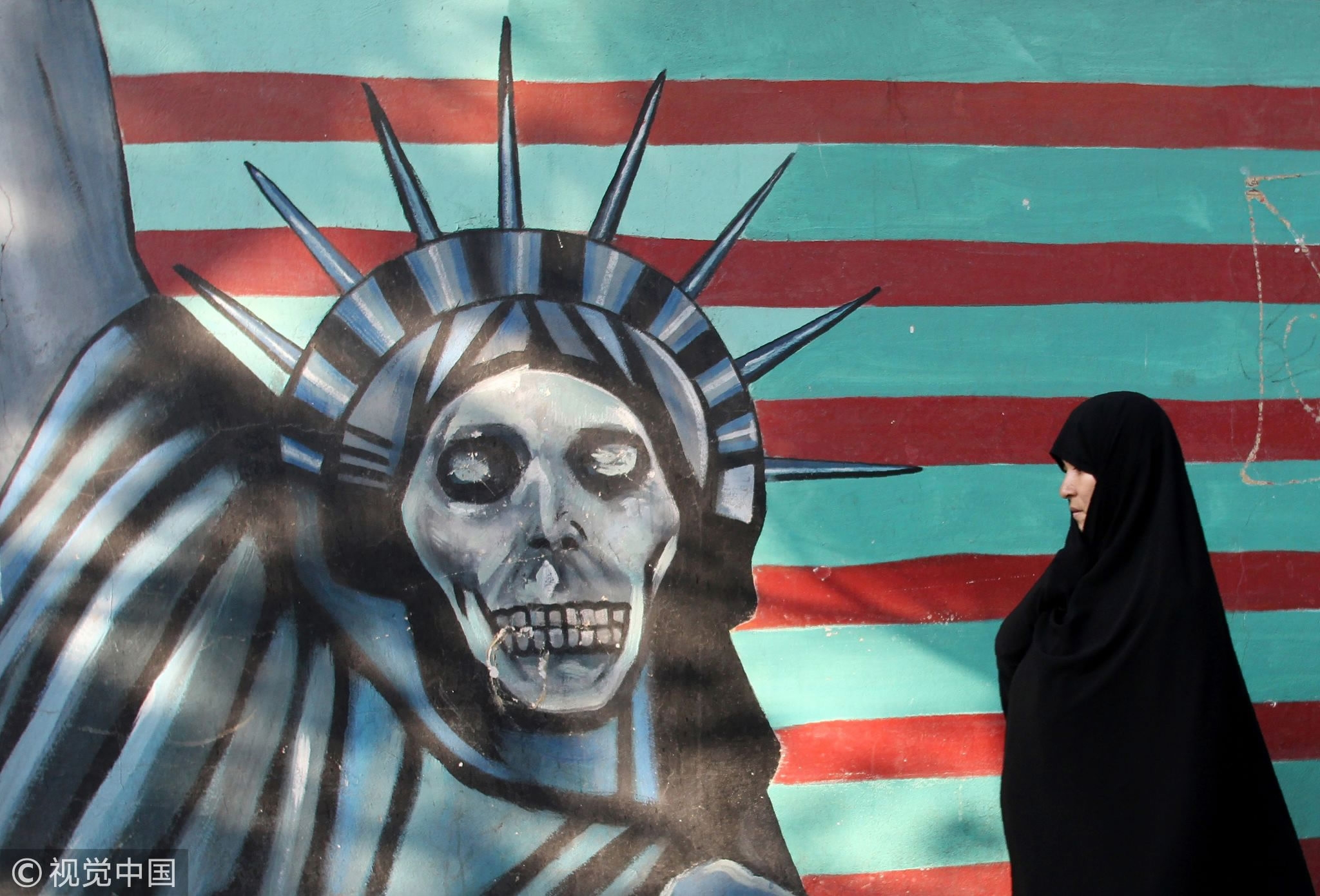
An Iranian woman walks past a mural on the wall of a skeleton image of the Statue of Liberty in the Iranian capital Tehran on Nov 9, 2016. /VCG Photo
New alliances may emerge along with Iran. Cold war era friendships and enmities may start again. History may repeat itself. It will be not a wise choice.
Military actions will be even more disastrous and complicate the situation even more. It might initiate World War III, a total disaster and the most undesired of all the possible outcomes.
Another possibility, which the US may not like is how the other five countries react to America’s decision. The other countries may isolate America and the hardliners in Iran may be strengthened even further. It may also have a negative impact on the DPRK-America summit scheduled to be held soon. America might lose credibility while standing on the world stage.
I believe the UN, international community and all individuals with conscious should exert pressure to avoid any of these disastrous outcomes above.
Both sides should cool down and let diplomacy play its role in finding a peaceful resolution so humanity may be rescued from the biggest disaster the world has ever seen.
(The Former-Diplomat Prof. Zamir Ahmed Awan is a sinologist at National University of Sciences and Technology (NUST)in Islamabad, Pakistan. The article reflects the author's opinion, and not necessarily the views of CGTN.)