
Opinions
22:27, 09-Sep-2018
Opinion: Is the absence of ICBM a sign for DPRK to break ice with US?
Updated
22:23, 12-Sep-2018
 ["china"]
Share







Copied

Editor's note: The article is based on an interview with Cheng Xiaohe, an associate professor at the School of International Studies at Renmin University of China and a senior researcher with the Pangoal Institution.
The Democratic People's Republic of Korea (DPRK) on Sunday held a military parade to mark the 70th anniversary of its founding. China's top legislator Li Zhanshu attended the parade as a special representative of President Xi Jinping.
According to the report, the parade, which held at the Kim Il Sung Square, lasted about two hours and more than 12,000 soldiers participated. The very "cynosure" of the moment – intercontinental ballistic missiles (ICBM) – weren't shown during the parade.
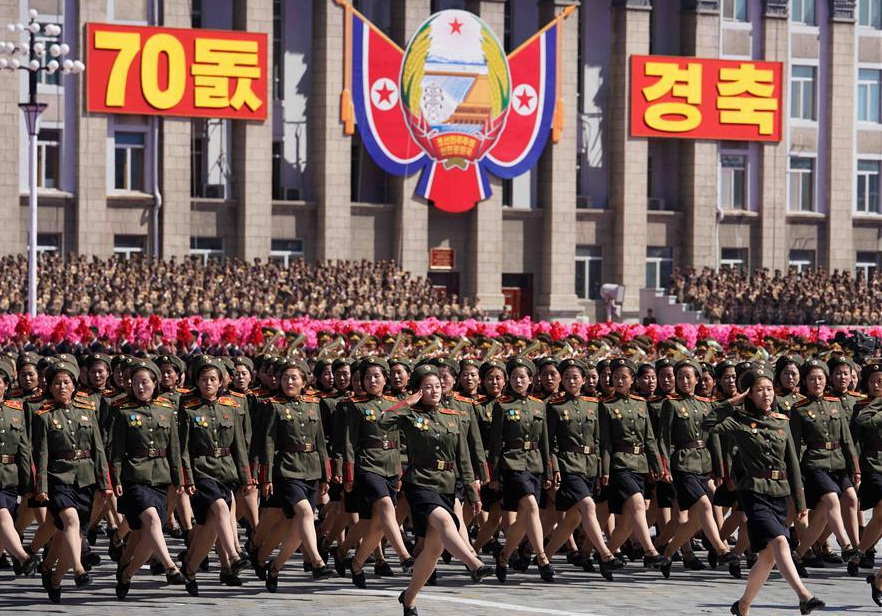
Soldiers march during a parade to celebrate the 70th anniversary of the founding of the Democratic People's Republic of Korea (DPRK) in Pyongyang on September 9, 2018. /Xinhua News Agency
Soldiers march during a parade to celebrate the 70th anniversary of the founding of the Democratic People's Republic of Korea (DPRK) in Pyongyang on September 9, 2018. /Xinhua News Agency
What is the aim of the parade?
Chen Xiaohe, an associate professor at the School of International Studies at Renmin University of China, pointed out that there were three things to keep in mind when observing the parade.
First of all, the parade basically served to demonstrate the achievements of the country. By doing so, the DPRK people could be better unified and confidence can be boosted, according to Chen.
01:10
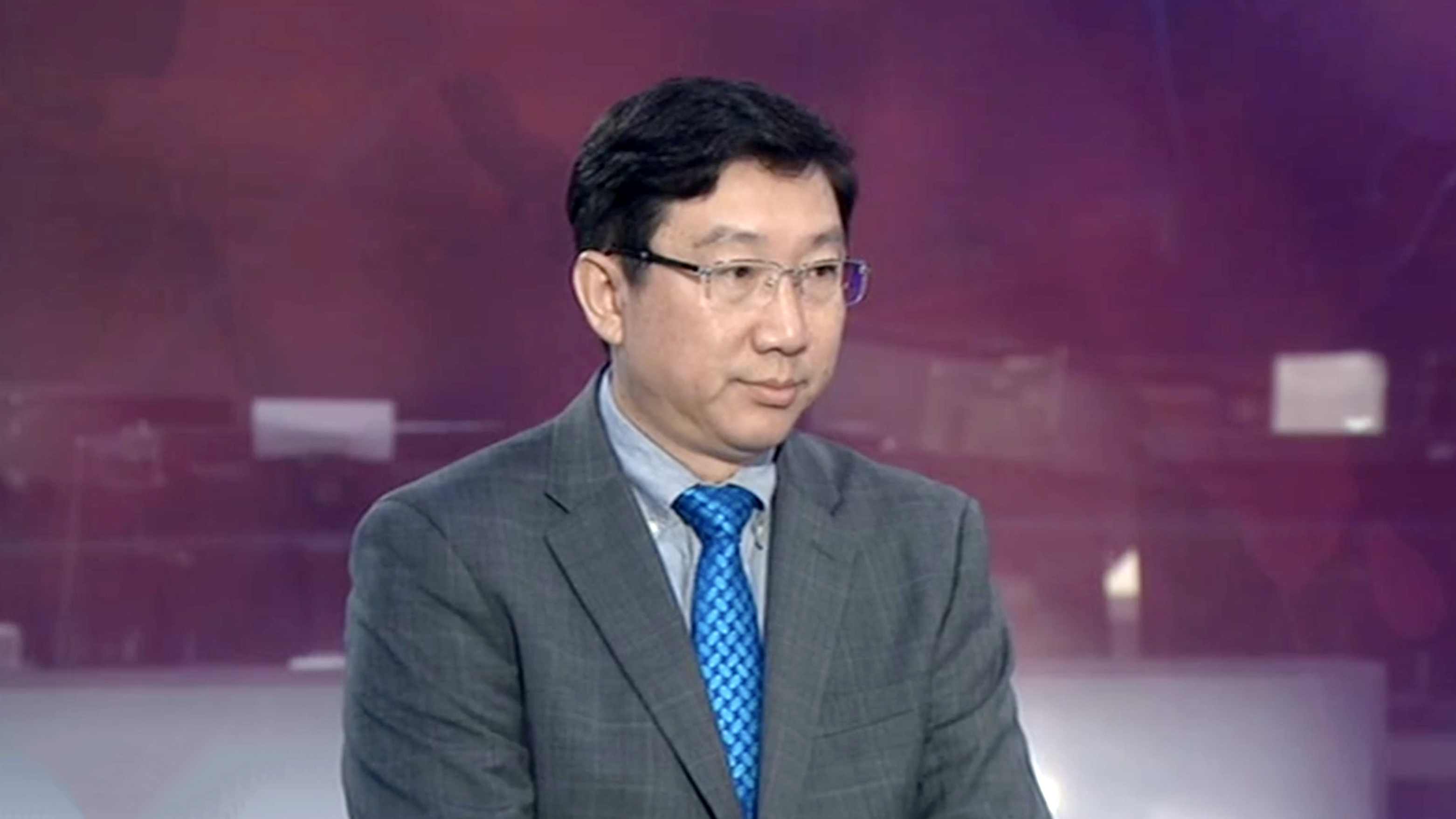
Kim Yong Nam, the chairman of the Presidium of the DPRK's Supreme People's Assembly, delivered a speech reviewing the commitments of past DPRK leaders and the achievements of the nation in the past 70 years. He has also stressed achievements made under the leadership of Kim Jong Un in the areas of the economy, politics, culture, etc.
Secondly, the parade showed off military hardware that could be used to intimidate the potential enemies, according to Chen.
Furthermore, he considers the parade as an opportunity for the country's leader to announce new policies or changes to policies. Though Kim Jong Un didn't address the parade, Kim Yong Nam's speech emphasized the economic goals of the country and did not mention nuclear weapons.
A positive signal?
It seems that current US-DPRK relations remain deadlocked. In August, Trump prevented his Secretary of State Mike Pompeo from taking a planned trip to the DPRK, citing insufficient progress with respect to the denuclearization of the Korean Peninsula. In return, an official newspaper of the DPRK blasted the US for "double-dealing."
01:53
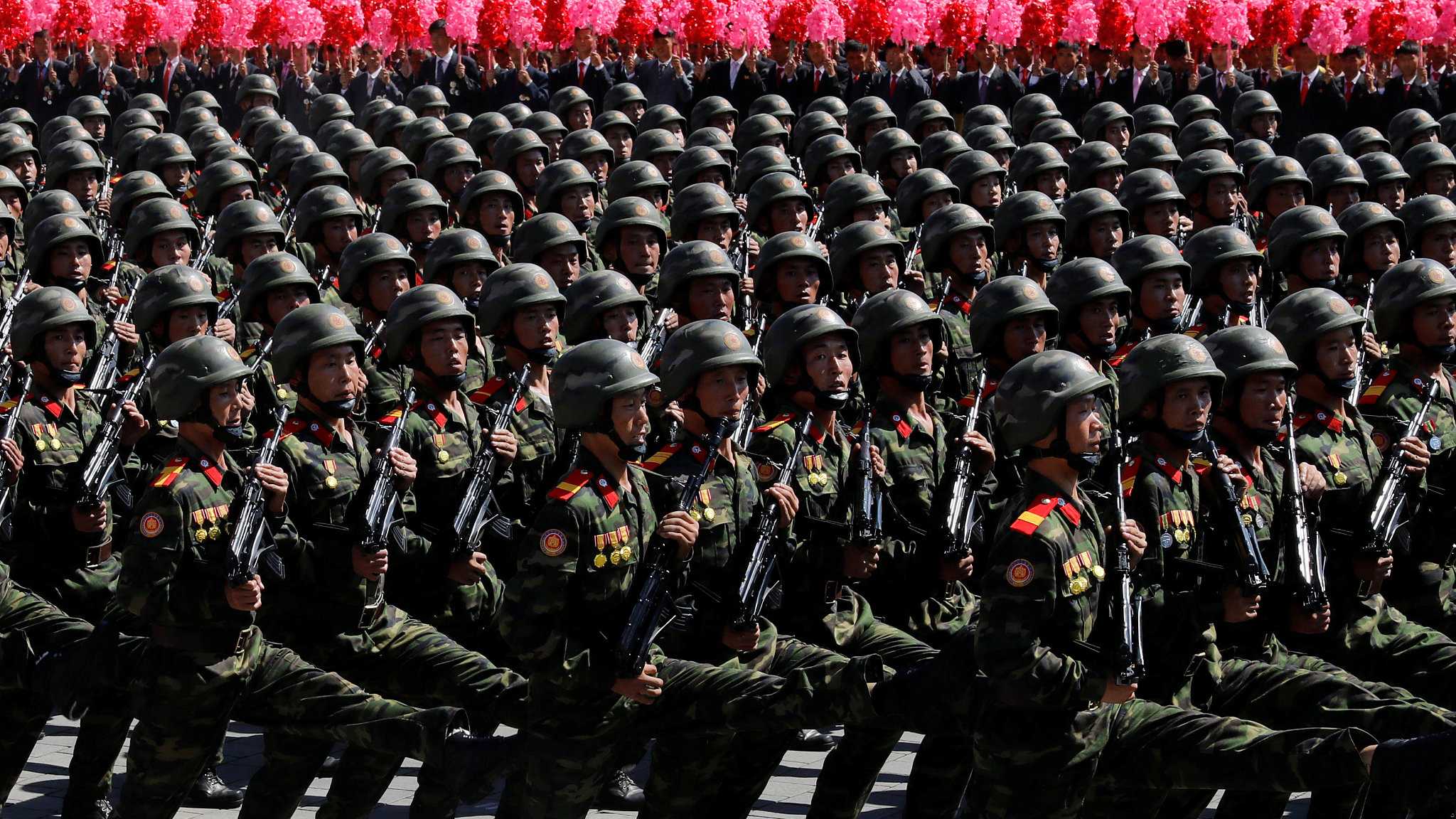
The DPRK's claim that it has ICBM capable of reaching the US mainland has always been a destabilizing factor affecting the peace process on the Korean Peninsula.
According to Chen, taking out the ICBM from the parade indicates two clear messages. One is that the DRPK respects the guests that attended the ceremony. "As we all know, some of the countries oppose the DPRK's ICBM development," he said.
China, a close neighbor of the Korean Peninsula, has always stated its opposition to the missile launch by the DPRK and called for more dialogue. As Chinese Foreign Ministry spokesperson Hua Chunying stated this past week, China is willing to continue with its positive and constructive role.
The second message was sent to ROK and US, according to Chen. "(The absence of the ICBM) shows that this country stops developing its ICBM and wants to have some kind of talk with the United States" he added.
According to Yonhap, Kim Jong Un has expressed his determination to take more active measures for denuclearization when speaking recently to the special envoy of ROK President Moon Jae-in, Chung Eui-yong.
The parade will bring a positive impact to the summit between ROK leader Moon Jae-in and DPRK leader Kim Jong Un scheduled for September 18 to 20 and prompt US and DPRK to resume talks, according to Chen.
(If you want to contribute to CGTN Opinions and have specific expertise, please contact us at opinions@cgtn.com.)