
Opinions
11:28, 05-Oct-2018
ICJ ruling: Victory or challenge for Iran?
Updated
11:17, 08-Oct-2018
 ["china"]
Share







Copied
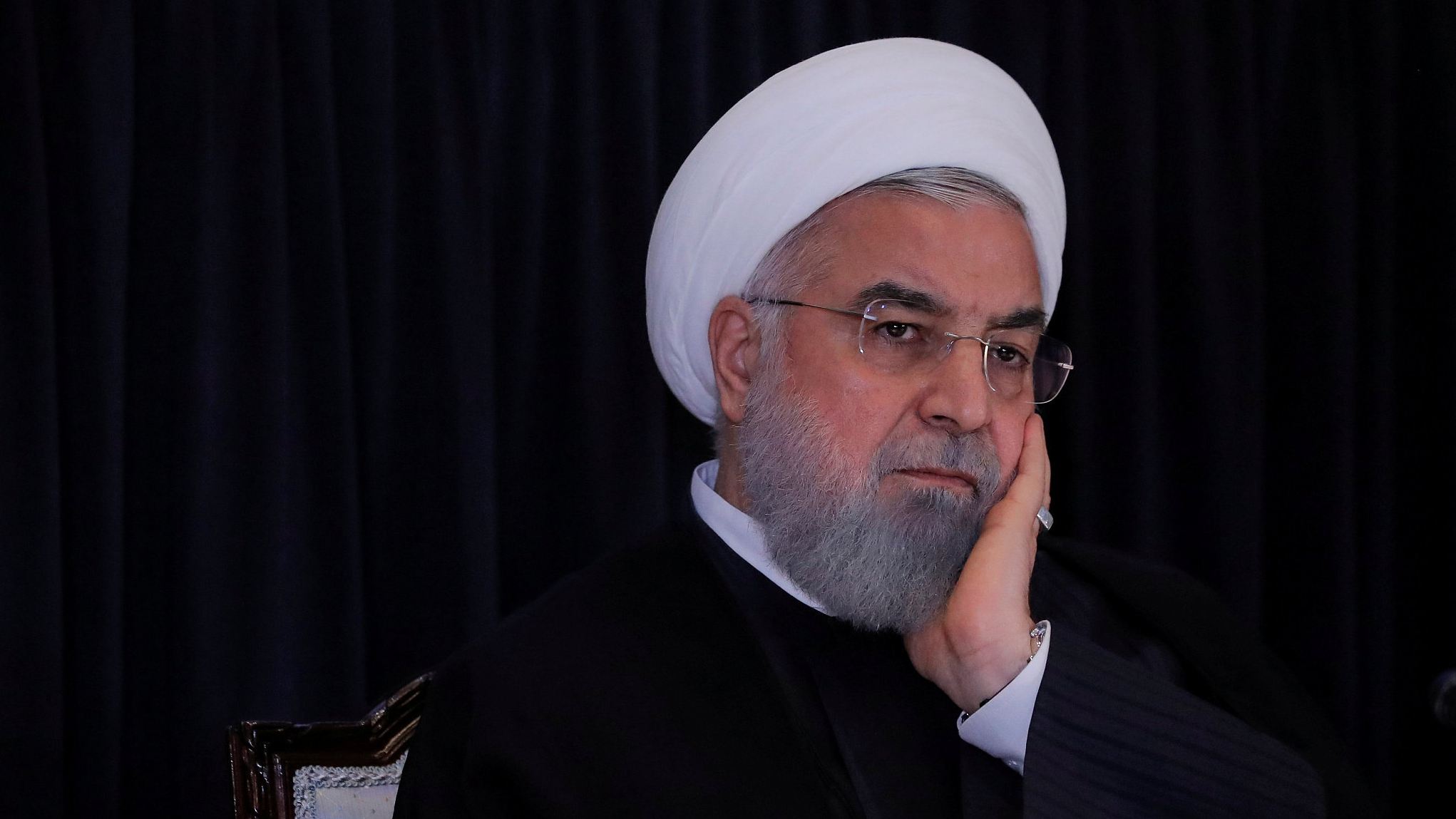
Tehran has declared victory after the International Court of Justice (ICJ) ruled in its favor over its plea to lift US sanctions. The verdict said the sanctions, re-imposed after US President Donald Trump pulled out of the 2015 nuclear deal, put Iranian lives at risk.
The judges at The Hague unanimously ruled that the sanctions on some goods breached the 1955 Treaty of Amity between the two sides. As the United Nations' (UN) top court ordered Washington to lift sanctions, the US said it was terminating the Treaty of Amity, on which the ruling was based.
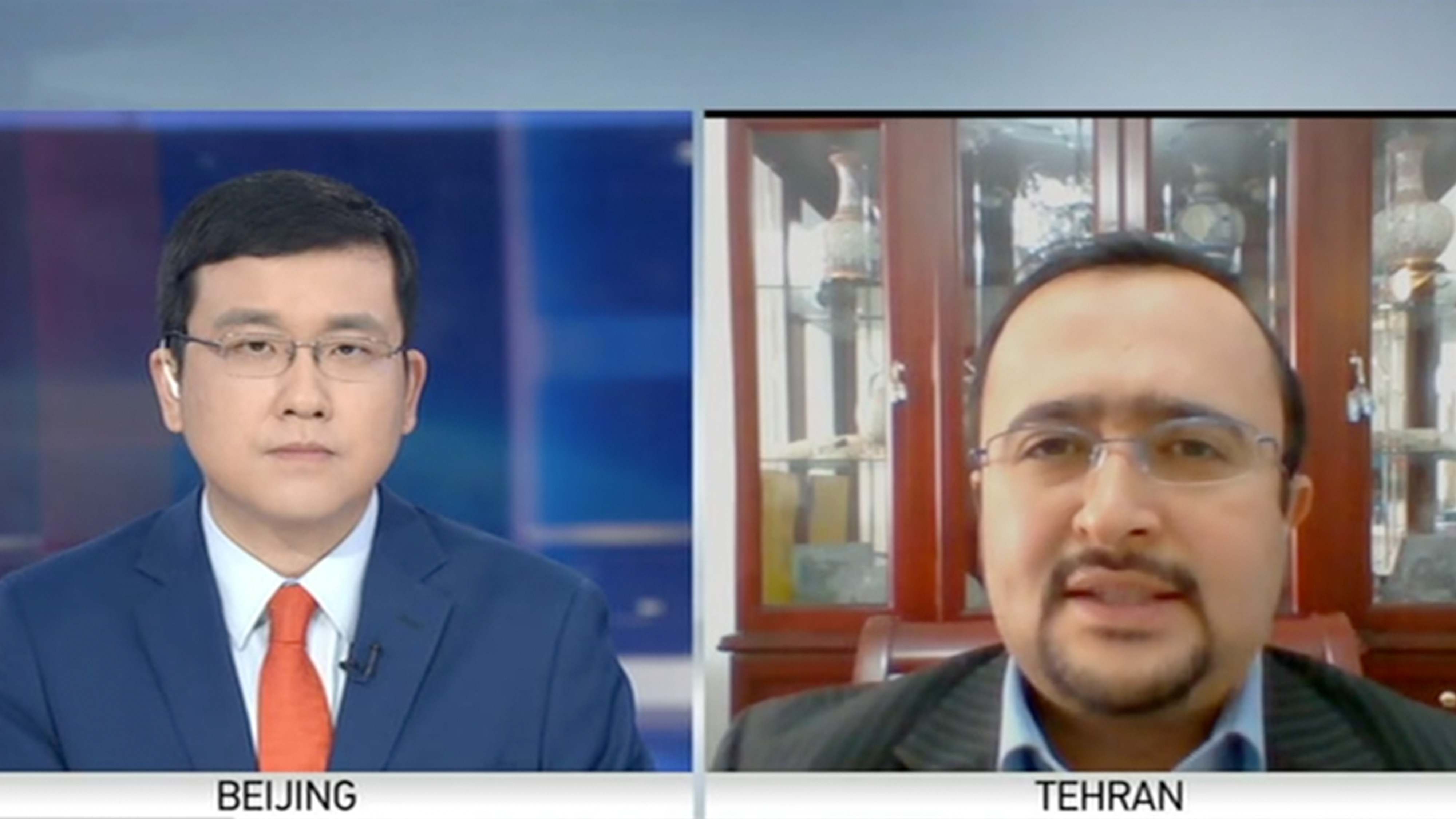
Dr. Hamed Mousavi, professor of political science at the University of Tehran, said that on the one hand, "the rulings of the International Court of Justice are not enforceable." On the other, more importantly, "the rulings of the ICJ are legally binding" as "it's a victory in terms of legitimacy for Iran", "essentially telling the international community that Iran was right in this regard rather than having practical effects underground."
01:19
The Trump administration slapped the first round of sanctions on Iran in August, and the second round of punitive measures is due in November. And after the ruling given by ICJ, US Secretary of State Mike Pompeo announced: "I am therefore announcing today that the United States is terminating the Treaty of Amity with Iran." As a response, Iranian Foreign Minister Mohammad Javad Zarif slammed the US government as an outlaw superpower.
Professor Mousavi said that the US' allies in the region, such as Israel and Saudi Arabia, are using their influences to pressure Iran economically. If this trend continues, tensions will increase between Iran and Israel.
Iran and the US are expected to be increasingly hostile in the coming months but neither country wants war, said Professor Mousavi. Although the ICJ rulings give Iran legitimacy, regarding the future of the nuclear deal, Mousavi pointed out that Iran does not have to stay in the deal.
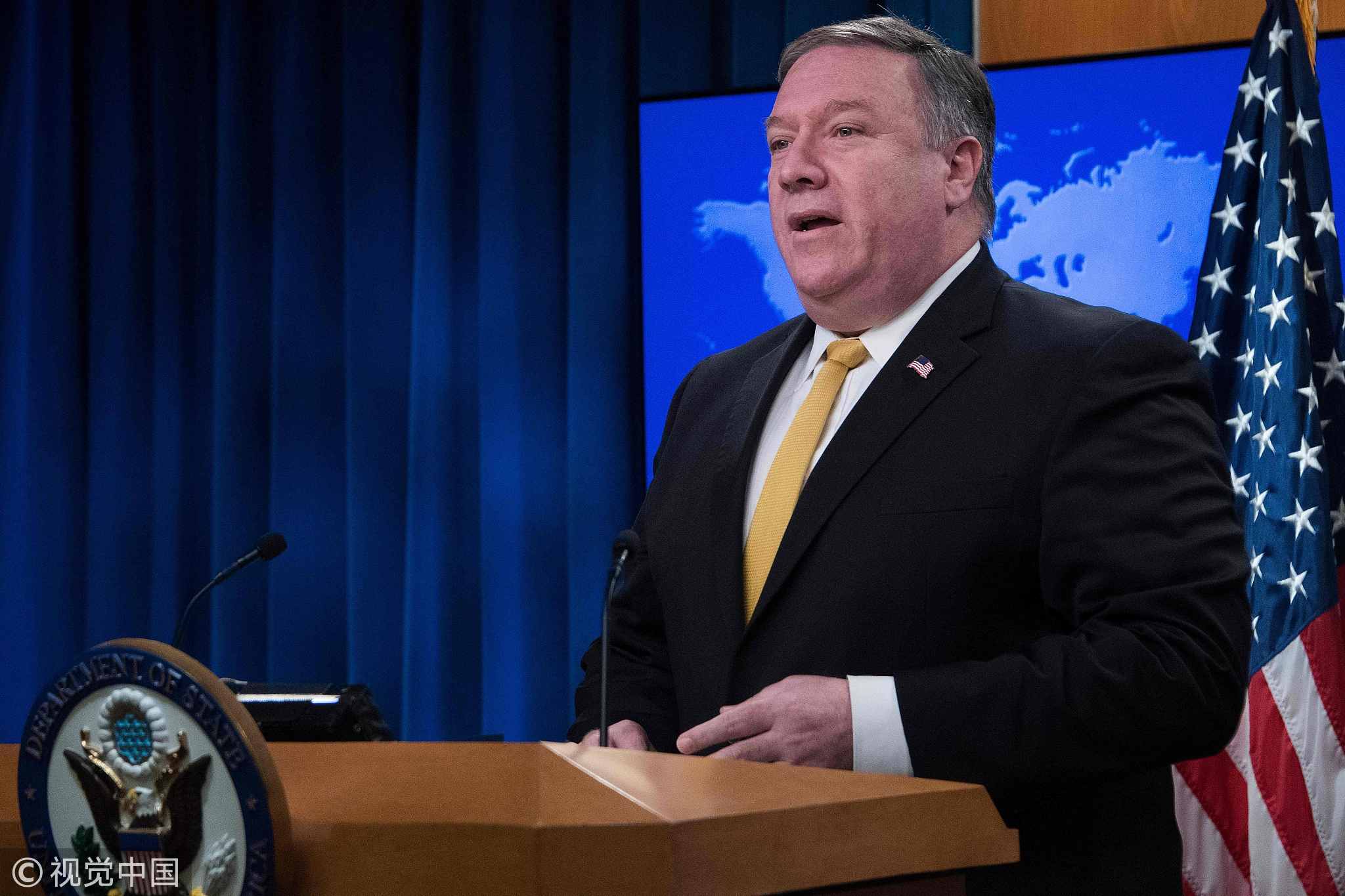
US Secretary of State Mike Pompeo speaks during a press briefing at the US Department of State in Washington, DC, October 3, 2018. /VCG Photo.
US Secretary of State Mike Pompeo speaks during a press briefing at the US Department of State in Washington, DC, October 3, 2018. /VCG Photo.
He said what the United States is doing is trying to restricting other countries doing business with Iran. If this trend continues, Iran's benefits from the deal will diminish.
"There will be a voice in Iran, saying we should also withdraw. Even right now, there is a segment of the Iranian population, and political elites who are saying that the Rouhani government will leave the deal. Although the decision has not been made on the subject yet," Mousavi said.
(Cover Photo: Iranian President Hassan Rouhani listens during a news conference at the United Nations General Assembly in New York, September 26, 2018. /VCG Photo)
(If you want to contribute and have a specific expertise, please contact us at opinions@cgtn.com)