
Technology
21:35, 09-May-2019
Bringing films closer to movie enthusiasts
 ["china"]
Share







Copied
02:13

Despite services like Netflix that keeps would-be-movie "goers" at home, for many in China, going to the movies remains an increasingly popular leisure activity. But what if one doesn't have access or time to go to a physical cinema? A mobile application is trying to solve this by making your smartphone a portable theater.
With an app and a pair of VR goggles, moviegoers can watch newly released 3D films in the palms of their hands. Smart Cinema 2.0 brings entertainment closer to audiences, literally within inches. It is basically a pocket cinema, on the go, with dozens of movies at your fingertips.
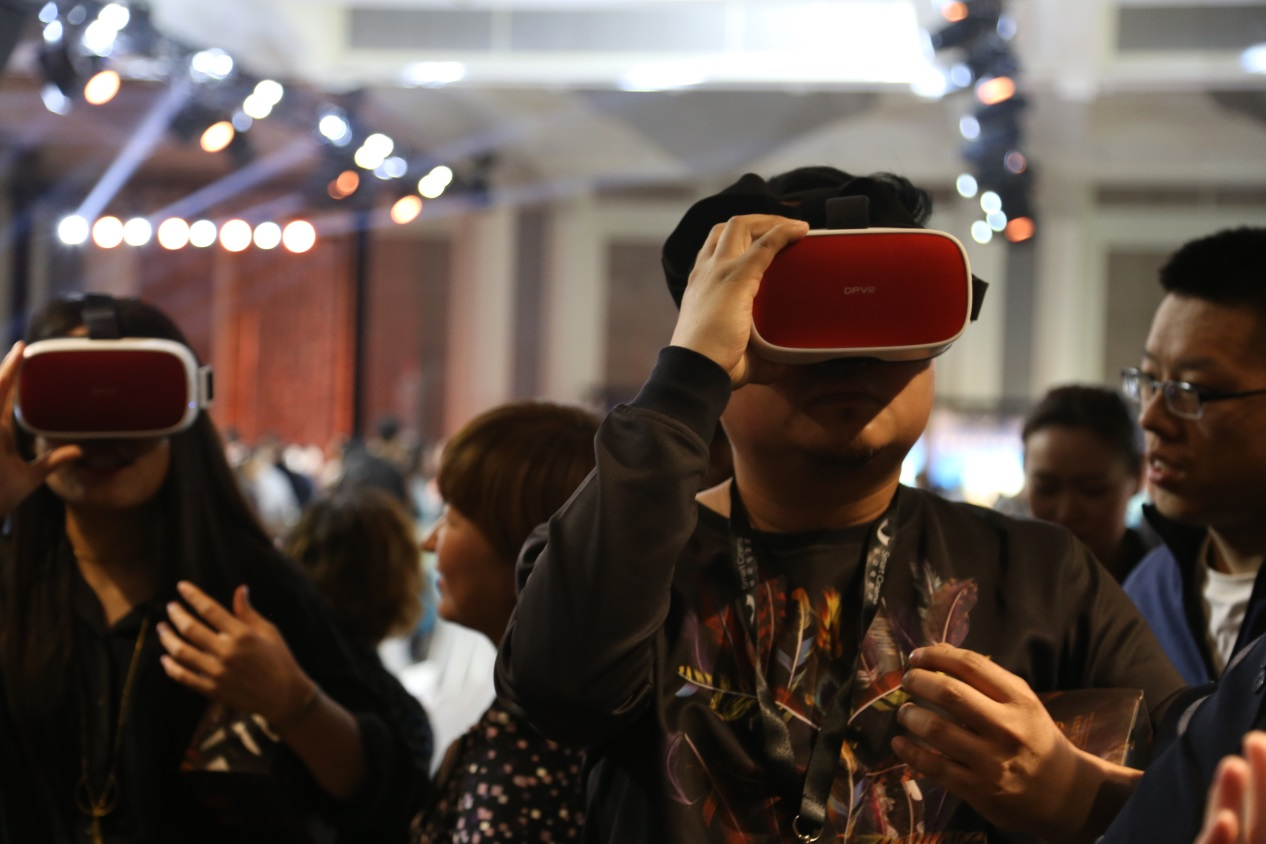
Moviegoers watch films on Smart Cinema Version 2.0 with VR goggles. /CGTV Photo
Moviegoers watch films on Smart Cinema Version 2.0 with VR goggles. /CGTV Photo
“It's actually targeted to increase the audience through billions of smartphones compared to a few thousand theaters. There will be a considerable increase in movie consumption as an addition to the physical movie theaters,” said Jack Gao, founding partner and CEO of Smart Cinema.

Jack Gao, founding partner and CEO of Smart Cinema, makes a presentation at the company's version 2.0 product launch in Beijing. /CGTN Photo
Jack Gao, founding partner and CEO of Smart Cinema, makes a presentation at the company's version 2.0 product launch in Beijing. /CGTN Photo
In 2018, China's box office scored a record 60 billion yuan (8.8 billion U.S. dollars). However, cinemas are limited. Last year, over two-thirds of films approved for screening in China were not shown in physical theaters. Gao says his app may also help these filmmakers - particularly the literary, niche, and less commercial ones - find their audiences.
And with the coming arrival of 5G networks, mobile cinema is expected to benefit more moviegoers, especially in rural and remote areas.
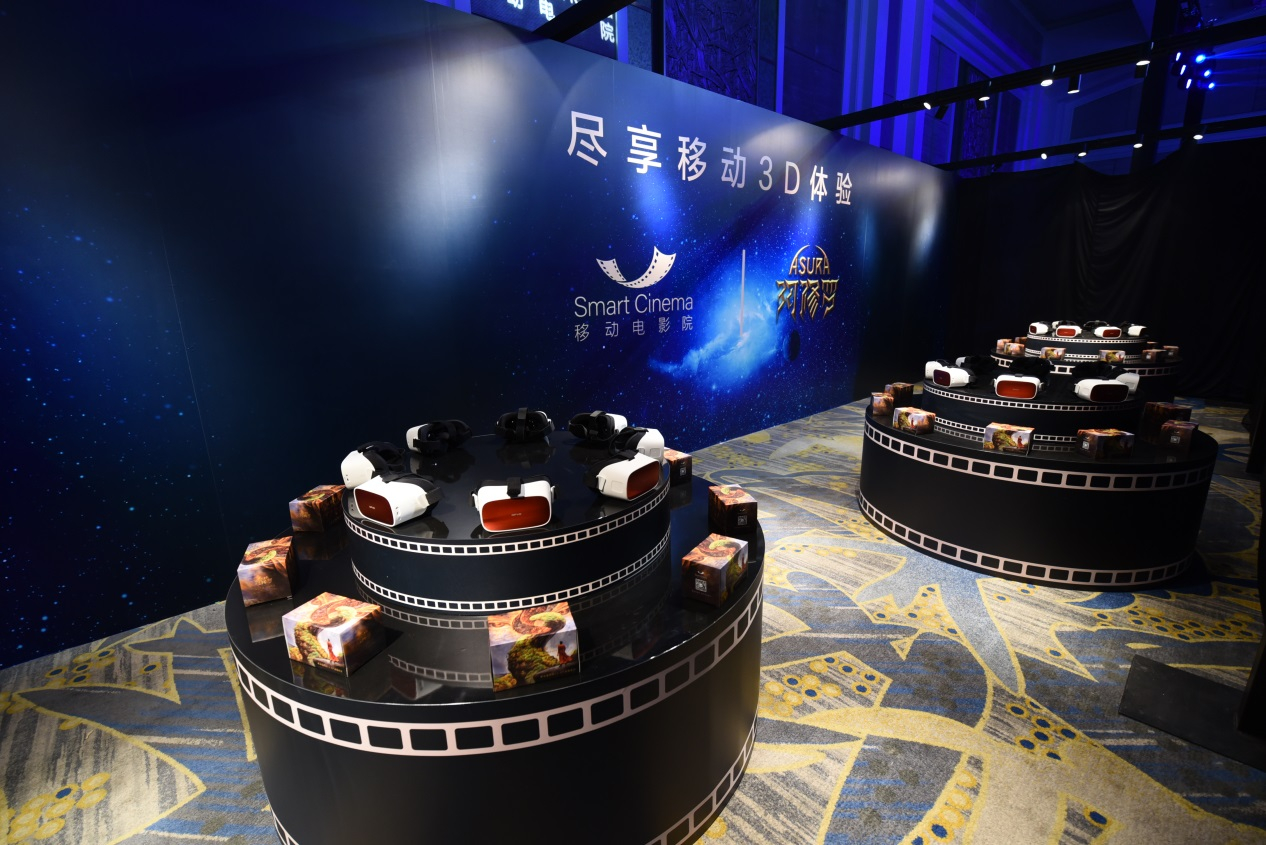
VR headsets for trail placed on the terraces at the product launch. /CGTV Photo
VR headsets for trail placed on the terraces at the product launch. /CGTV Photo
“Around 70 percent of Chinese have not gone to a movie theater,” said the CEO, adding, “So covering those who are not covered by physical theaters is extremely important for us.”
Take Tibet Autonomous Region, for example, the 1.2-million-square-kilometer area has only 30 theaters and 86 screens, but almost everyone has a smartphone.
“Smart cinema is able to do so because of the enhanced mobile technologies. Now moving to 4K, with current technologies like 3G and 4G. The experience is not that great. But it's not the case for 5G. So we are looking forward to it,” Gao smiled.
Since its launch last year, Smart Cinema has over 2 million views. The app is now eyeing overseas markets including Italy and Spain, and with plans to tap into North America and other regions, a move Gao believes to introduce more Chinese movies to foreign audiences.