
World
08:04, 16-May-2019
Iran FM says exercising 'maximum restraint' despite U.S. withdrawal from nuclear deal
Updated
22:02, 16-May-2019
 ["china"]
Share







Copied
00:30
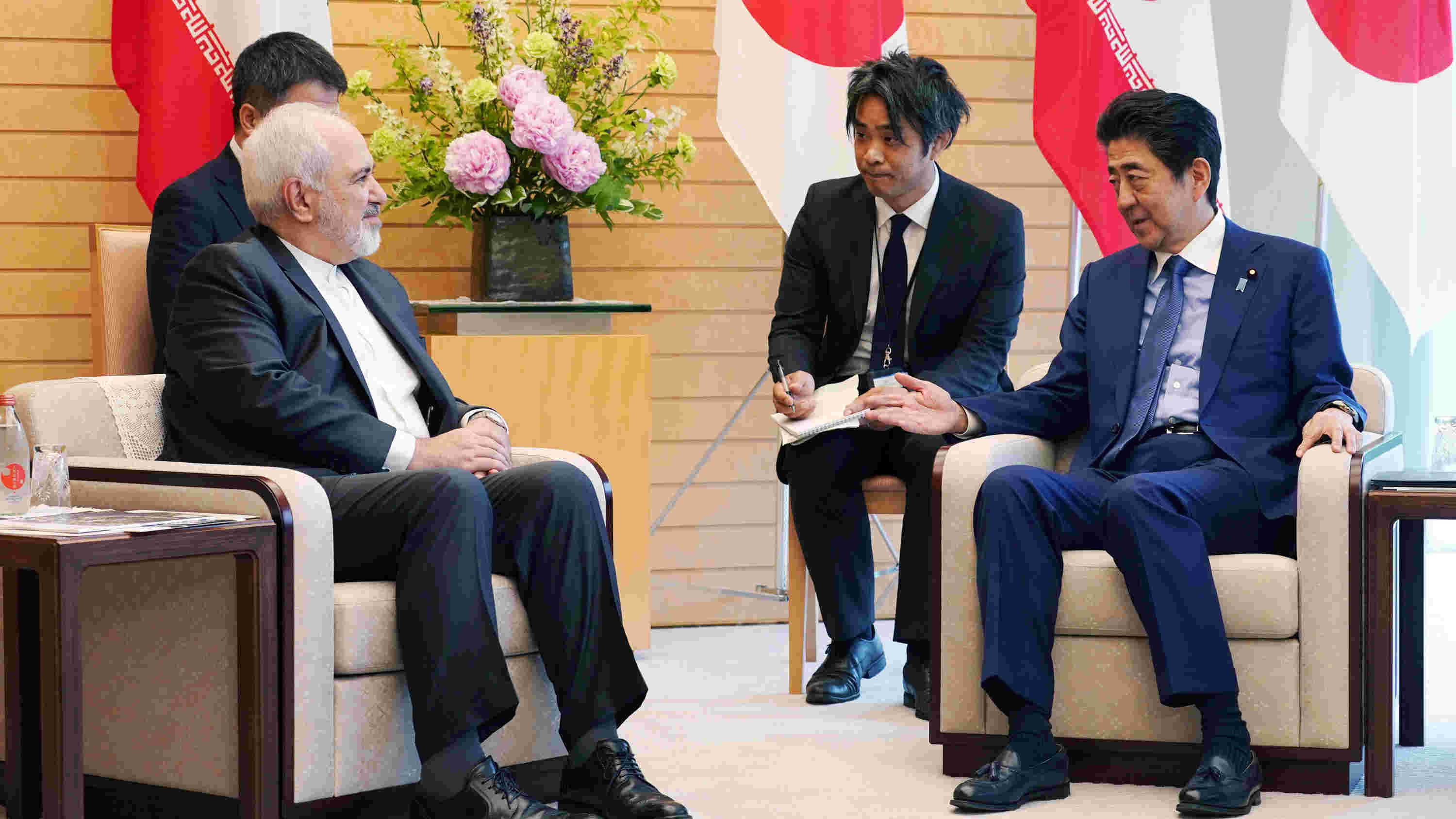
Iran remains committed to its obligations under a multilateral nuclear deal despite the United States' withdrawal from the landmark agreement last year, its foreign minister said on Thursday, calling the U.S. escalation of sanctions "unacceptable".
"We exercise maximum restraint in spite of the fact the United States withdrew from JCPOA (Joint Comprehensive Plan of Action) last May," Mohammad Javad Zarif told his Japanese counterpart, Taro Kono, at the start of their meeting in Tokyo. JCPOA is commonly referred to as the Iran nuclear deal.
Zarif told Kono, however, that Iran would "certainly defend ourselves and respond to any threat against our national security."
Kono, while expressing concern about the heightening tensions, said Japan would "spare no efforts to ease tensions and try to resolve outstanding issues."
U.S. President Donald Trump has ratcheted up sanctions on Iran since he withdrew the United States from a 2015 nuclear deal between Iran and global powers under which Tehran curbed its uranium enrichment capacity, and won sanctions relief in return.
Zarif also met Japanese Prime Minister Shinzo Abe. Abe said he was concerned about growing tension in the Middle East. He also said Japan would like to maintain, and develop, its traditionally friendly ties with Iran.
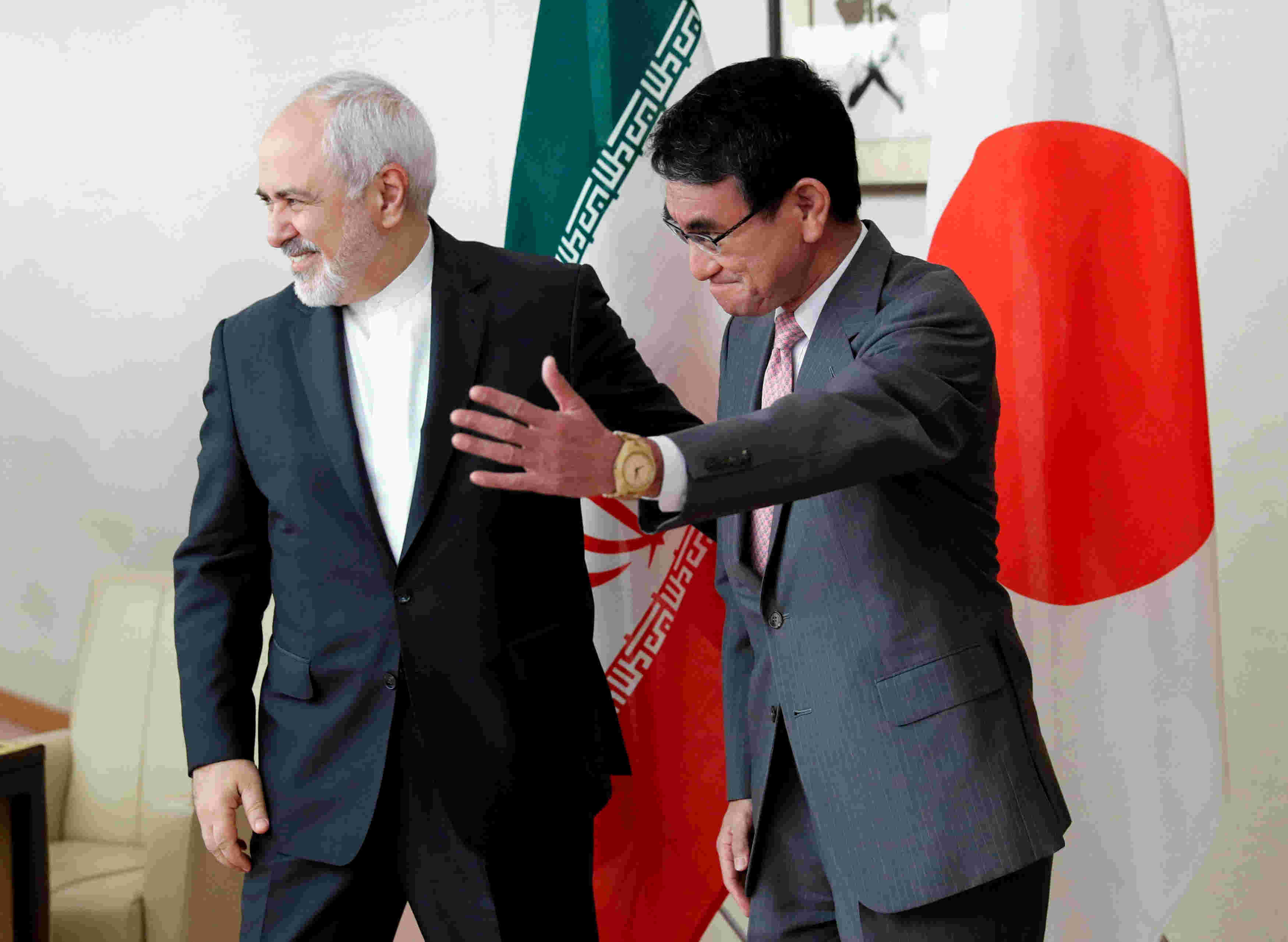
Iranian Foreign Minister Mohammad Javad Zarif (L) meets Japanese Foreign Minister Taro Kono in Tokyo, Japan, May 16, 2019. /Reuters Photo
Iranian Foreign Minister Mohammad Javad Zarif (L) meets Japanese Foreign Minister Taro Kono in Tokyo, Japan, May 16, 2019. /Reuters Photo
Zarif, for his part, said that the two countries are very important partners and have traditionally had friendly ties. He said it was necessary due to the current situation to discuss with Abe a number of relevant issues.
While Iranian Supreme Leader Ayatollah Ali Khamenei has ruled out the possibility of a war between Tehran and Washington, the rising tensions have fueled worries about an armed conflict between the two rivals.
On April 23, the Japanese government said it would consider steps to avoid the nation's energy supply from being overly disrupted by the U.S. ending waivers on sanctions on oil imports from Iran by Japan and other countries.
The United States said it would end waivers granted since November on May 2 that have been applicable to certain countries including Japan to import oil from Iran.
Japan said the move by Washington aimed at exerting more pressure on Tehran to end its nuclear program would be met by measures to ensure Japan's energy supply.
(With input from Reuters and Xinhua)