
Politics
17:20, 03-Oct-2018
Iran welcomes UN court order against US sanctions
Updated
16:23, 06-Oct-2018
 ["china"]
Share






Copied
00:46
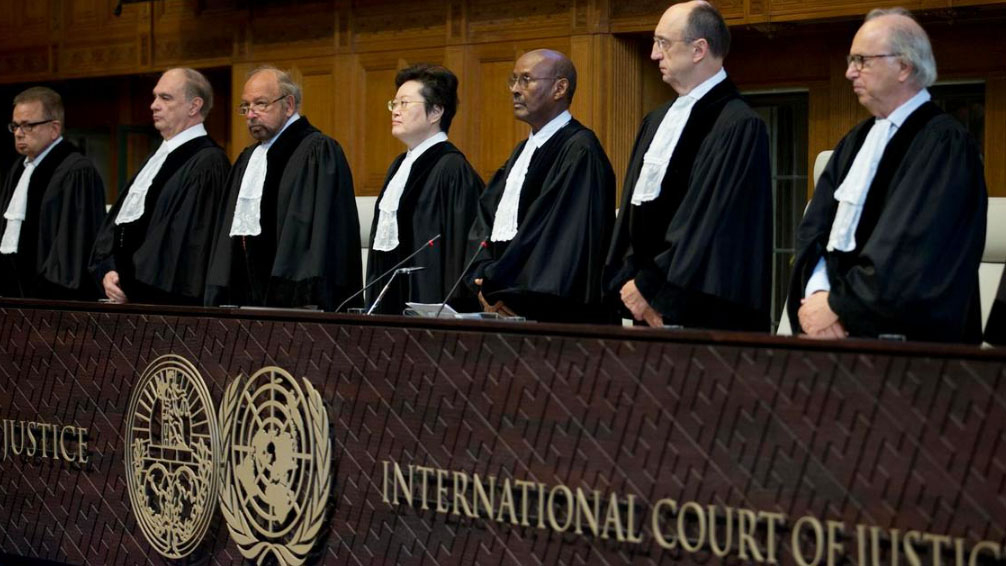
The International Court of Justice (ICJ), the UN's top court has issued an interim order requesting the US to lift sanctions linked to humanitarian goods and civil aviation imposed against Iran.
The ruling came after Iran filed a complaint at the ICJ against the US for reintroducing sanctions in July, saying the US had breached a 1955 "friendship treaty" that predates Iran's Islamic Revolution.
Iran welcomed on Wednesday the ruling, saying "the decision proved once again that the Islamic Republic is right and the US sanctions against people and citizens of our country are illegal and cruel," the foreign ministry said in a statement published on Tasnim news agency and state media.
The US criticized the decision on Wednesday, saying the case was "meritless" and the court had "no jurisdiction".
"This is a meritless case over which the court has no jurisdiction," US ambassador to the Netherlands Pete Hoekstra tweeted, shortly after the ruling at the International Court of Justice.
But Hoekstra pointed out that the Hague-based tribunal "declined to grant the sweeping measures requested by Iran" and it was "a narrow decision on a very limited range of sectors."
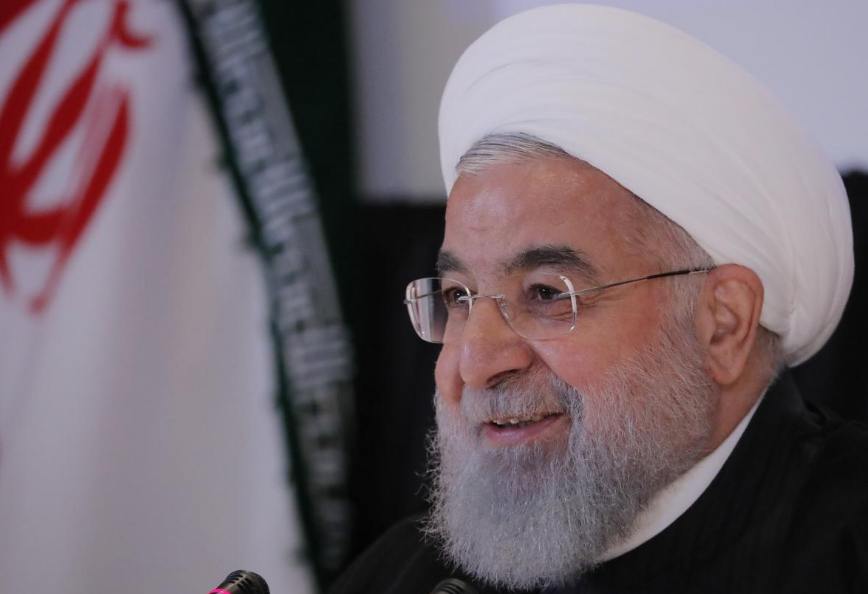
Iran's President Hassan Rouhani speaks at a news conference on the sidelines of the 73rd session of the United Nations General Assembly at UN headquarters in New York, US, September 26, 2018. /Reuters Photo
Iran's President Hassan Rouhani speaks at a news conference on the sidelines of the 73rd session of the United Nations General Assembly at UN headquarters in New York, US, September 26, 2018. /Reuters Photo
The ruling is likely to have at the most limited practical impact on the implementation of sanctions, which Washington is reimposing and tightening after pulling out of a 2015 nuclear deal that Iran signed with world powers.
The ICJ is the United Nations' highest court for resolving disputes between nations. Its rulings are binding, but it has no power to enforce them, and both the United States and Iran have effectively ignored its decisions in the past in cases they have brought against each other.
The court found that assurances offered by Washington in August that it would do its best to ensure sanctions would not affect humanitarian conditions were "not adequate to address fully the humanitarian and safety concerns raised" by Iran.
"The court considers that the United States must, in line with its obligations under the 1955 treaty, remove by means of its choosing any impediment arising from the measures announced on 8 May 2018," said Presiding Judge Abdulqawi Yusuf, reading a summary of a ruling by the 15-member panel of justices.
The sanctions may not hurt "exportation to the territory of Iran of goods required for humanitarian needs such as medicines, medical devices and foodstuffs, and agricultural commodities as well as goods and services required for the safety of civil aviation," he said.
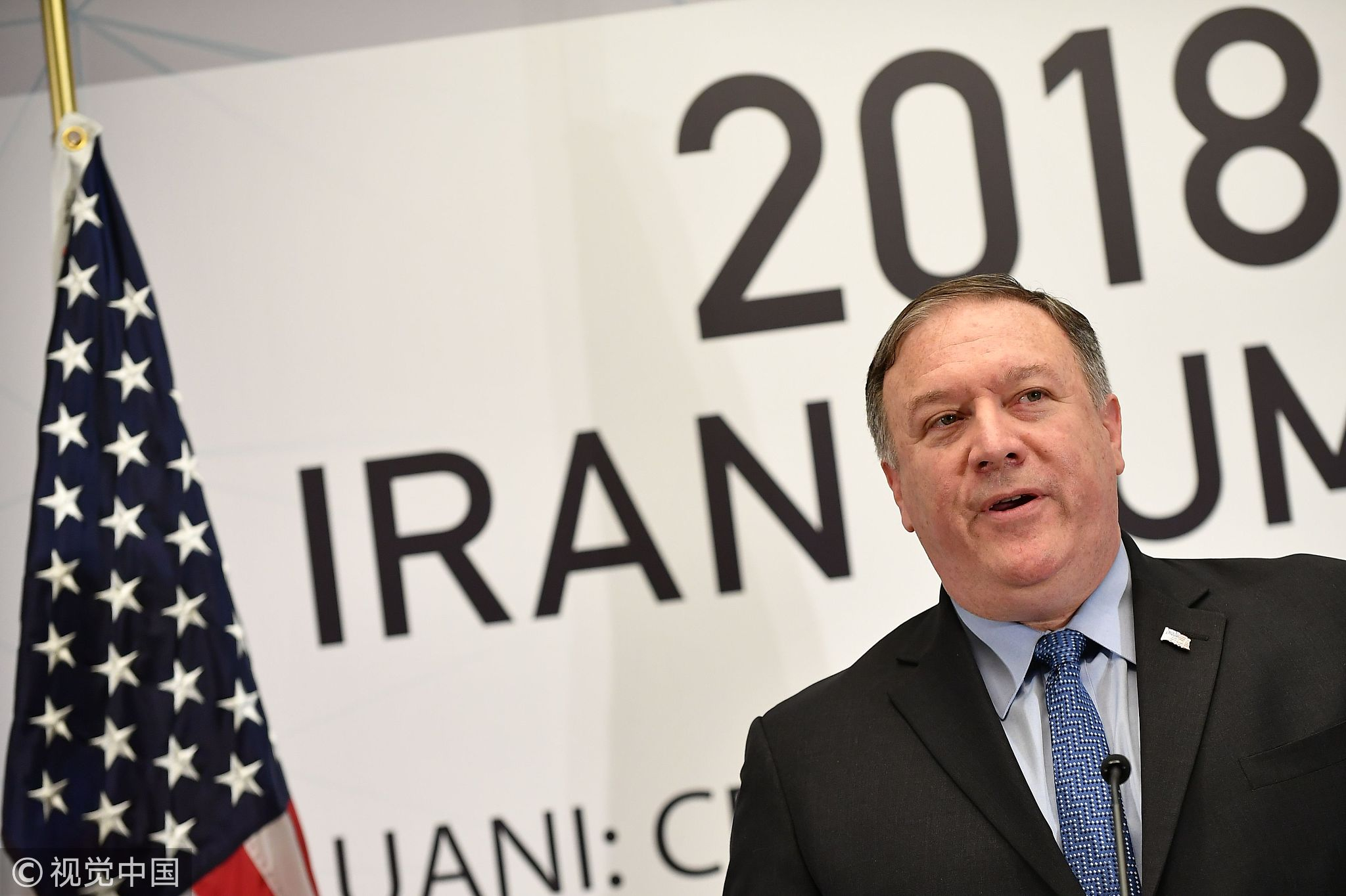
US Secretary of State Mike Pompeo speaks at the United Against Nuclear Iran Summit in New York on September 25, 2018. /VCG Photo
US Secretary of State Mike Pompeo speaks at the United Against Nuclear Iran Summit in New York on September 25, 2018. /VCG Photo
Washington argued last month that Iran's request was an attempt to misuse the court and that the 1955 treaty specifically ruled out using courts to resolve disputes.
The treaty was signed long before Iran's 1979 Islamic Revolution which turned the two countries into arch foes. The US State Department Legal Adviser Jennifer Newstead had said Iran's real quarrel was Iran's frustration over the US plans to pull out of the 2015 nuclear pact, under which Iran agreed to curbs on its nuclear program in exchange for the lifting of international sanctions.
Despite international criticism, Washington is pushing ahead with the measures.
A new series of sanctions is due to take effect on November 4 aimed at sharply curtailing Iranian oil exports.
Iran-US relations have plunged to a new low since Trump took office.
Source(s): Reuters