
Asia Pacific
16:44, 17-May-2019
An overview of the upcoming Australian election
 ["china"]
Share







Copied
03:15
Australia has often been seen by those in the West as odd. For quite some time, it was regarded as a mysterious island filled with bizarre animals and giant insects, isolated from Europe and North America.
Nowadays, it's the country's voting system that is more likely to be seen as odd.
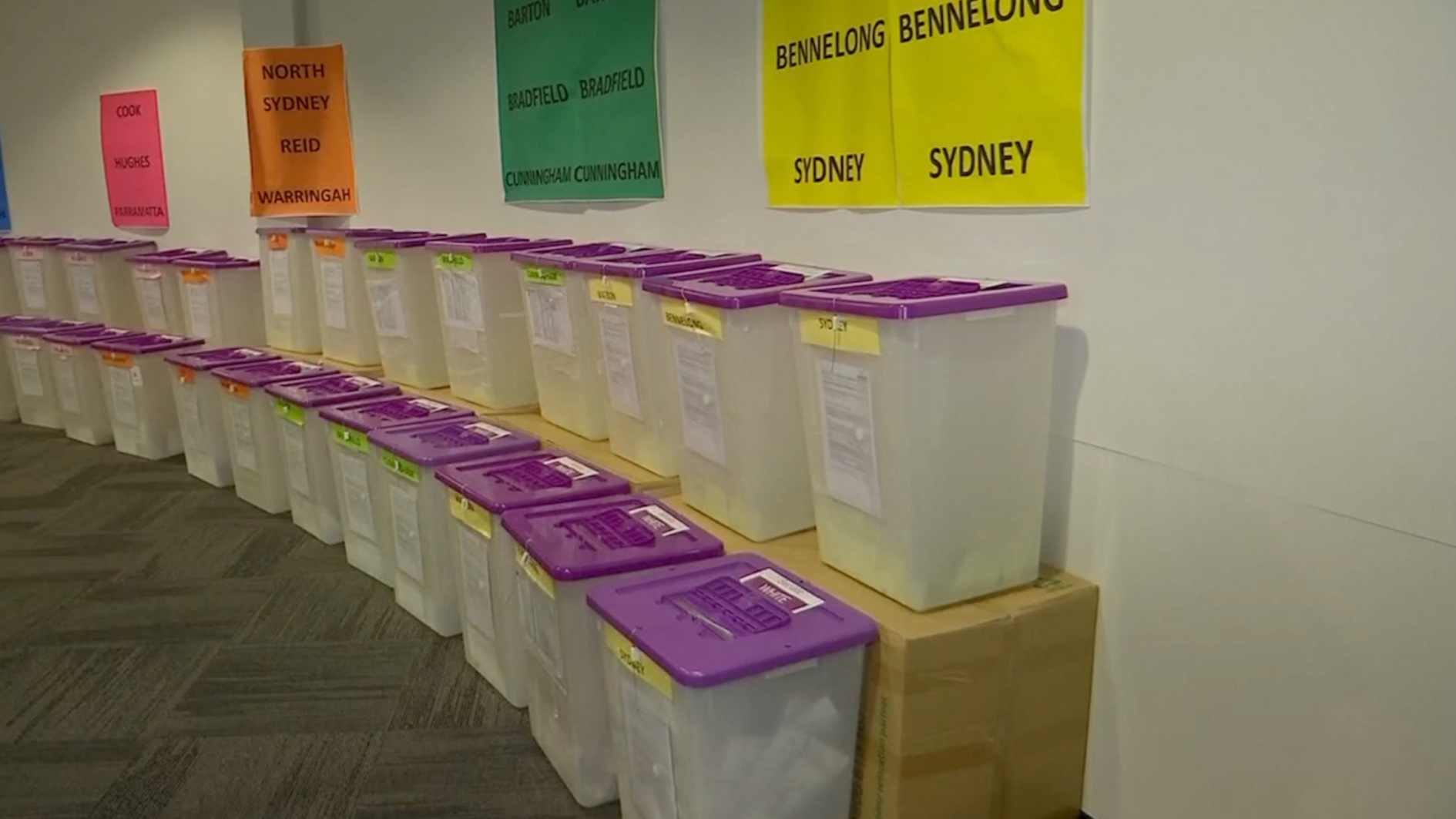
First and foremost, voting is compulsory. That means any resident over the age of 18 is required to enroll and take part in the elections, or face a fine. Currently just over 16.5 million Australians are registered to vote. That's a record-breaking 96.8 percent of eligible voters.
They'll be voting for prime minister, 40 of the 76 seats in the country's Senate, and all 151 members of the country's House of Representatives. The number of lawmakers in the House has increased by one this year.
Australia also has a distinctive ranked-choice voting system. In districts where only one seat is up for grabs, for example, voters select candidates, ranking them from most favored to least. The candidate who receives more than 50 percent of their district's number one rankings, wins the seat.
It may seem like a complex way to vote, but it's aimed at maintaining proportionality. That can mean a world of difference to outsider candidates.
This time around, the main focus is on two camps – the ruling center-right Liberal-National Coalition, and the center-left opposition Australian Labor Party. Incumbent Prime Minister Scott Morrison heads the Liberal-National Coalition. They're seeking to tip the scales and secure a majority rule in the House – 76 seats, just two more than what they have right now.
They're up against the Labor Party, and polls are showing they have a good chance at winning. Labor is headed by Bill Shorten, and he's got his work cut out for him if he's going to oust Morrison and the Coalition. Though polls favor him, they're just narrow leads so far.
There are a handful of third parties in the running. They include the far-right One Nation party, and the moderate-left Greens Party. For the most part, they're on the periphery.
Results are due out the day of the election, May 18, unless margins are extremely close. But if it works, the complexities may be worth it.