
Tech & Sci
12:40, 17-Aug-2018
Serbia turns to tech industry to fight economic stagnation
Updated
12:17, 20-Aug-2018
 ["china"]
Share







Copied
Serbia, a country that claims inventor Nikola Tesla – father of electric power transmission and pioneered wireless communications, as one of its most famous sons, is looking to technology to help lift itself out of decades of economic stagnation following the Balkan wars of the 1990s.
While a small player in global or even Western European terms, Serbia now generates 10 percent of its gross domestic product from information technology.
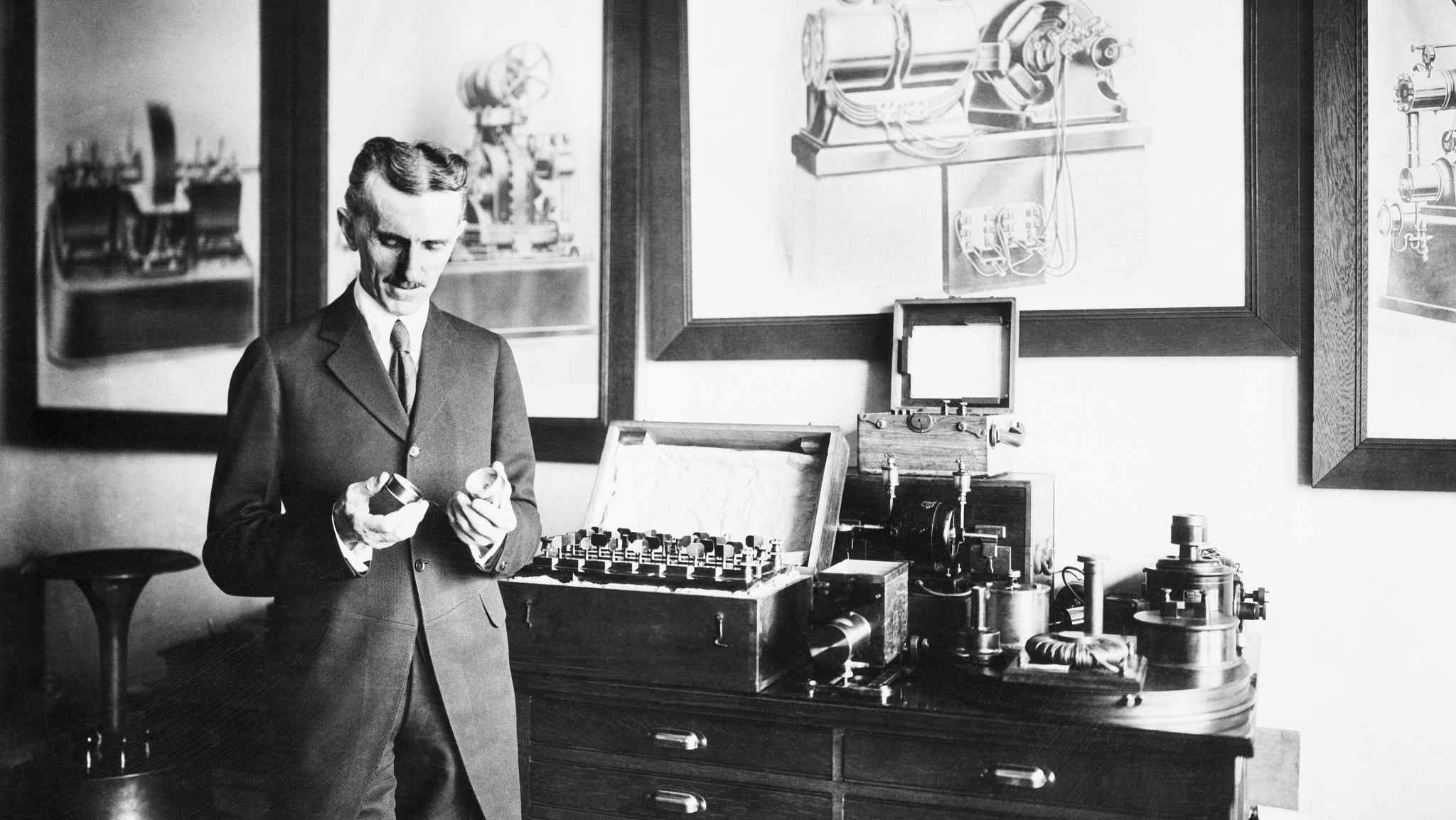
Tesla, a Serb born in Croatia who emigrated to the United States as a young man in 1884, fathered electric power transmission and pioneered wireless communications. /VCG Photo
Tesla, a Serb born in Croatia who emigrated to the United States as a young man in 1884, fathered electric power transmission and pioneered wireless communications. /VCG Photo
Technology exports are worth 1 billion euros (1.2 billion US dollars) so far this year, up from around 900 million euros in 2017, putting it in the top three export sectors besides cars and agriculture, according to Finance Minister Sinisa Mali.
Serbian companies are producing software for industries ranging from agriculture to medicine as well as Uber-type trucking and cloud applications, online games and testing. They are also running call centers and customer helplines.
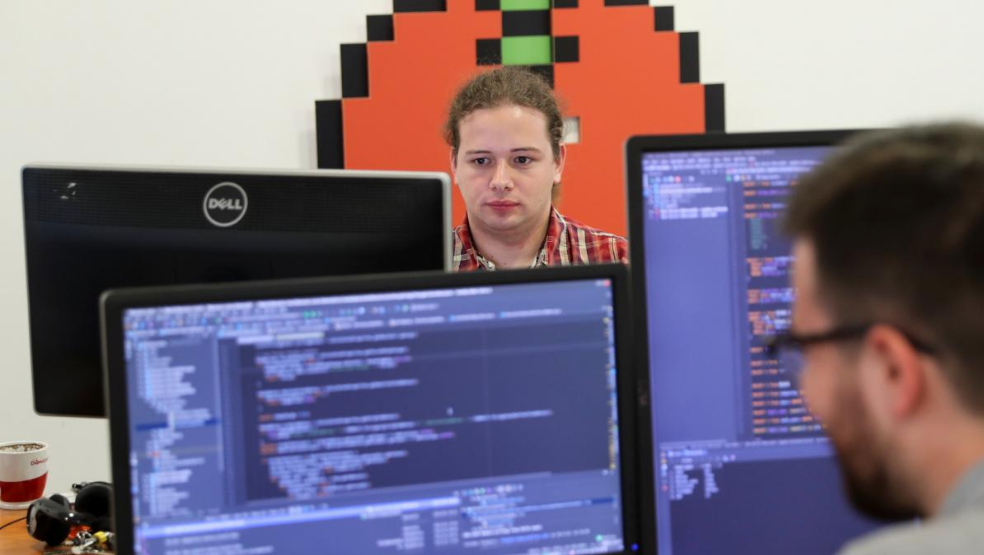
Programmers work on computers in Belgrade, Serbia, July 4, 2018. /Photo via VCG
Programmers work on computers in Belgrade, Serbia, July 4, 2018. /Photo via VCG
What are Serbia's strategies?
Under Prime Minister Ana Brnabic, a 42-year-old with a background in promoting entrepreneurship, Serbia is stepping up support for the start-up scene and wooing multinationals to set up operations in Serbia.
Start-up Nordeus is a self-funded Belgrade-based developer of the “Top Eleven Football Manager” game that has topped app store charts, while FishingBooker, has been described as the Airbnb of fishing trip charters.
Serbia’s Strawberry Energy is a crowd-funded startup that produces solar-powered smart benches providing Wi-Fi access, mobile phone charging facilities and information services in public venues.
According to its website www.senergy.rs, its products are already present in 17 countries and its clients include London's Canary Wharf, the United Nations Development Program, Orange, and Ford.
There were over 2,000 firms in Serbia’s tech sector in 2017, according to an analysis published this year by the government’s Commission for Protection of Competition, up from 700 in 2006, with revenues doubling to 1.5 billion euros.
As part of its strategy, Serbia is attracting foreign investors with its low-wage status, as well as subsidies of up to 10,000 euros per employee.
Major companies including Microsoft, IBM, and Intel have either established development centers in Serbia or have outsourced work to local firms, offering wages that are more than three times higher than the country’s monthly average take-home pay of 420 euros.

A start-up in Serbia /VCG Photo
A start-up in Serbia /VCG Photo
But Serbia has its own problem – brain drain
According to PwC's experts, Serbia’s tech sector is expected to continue to grow by more than 20 percent a year.
But the expansion is being hampered by a lack of skilled people.
Hundreds of thousands of educated young people have left Serbia since 2000 after the ouster of Slobodan Milosevic.
The exodus continues at an average annual rate of around 30,000 people in recent years, with 60,000 leaving the country in 2015 alone, mainly to the EU.
Universities are churning out engineers but it is estimated that the country needs at least 15,000 more to fulfill its ambitions if it wants to become more than a low-cost outsourcing center.
Government's answer – to invest more
To remedy the problem, the government has allocated 65 million euros for science and technology centers and plans to invest 70 million euros in new computers and improved Internet connections in schools, according to the prime minister’s office.
It also made software programming courses in elementary schools mandatory.
Miguel Morgado, who oversees lending to the Western Balkans at the European Investment Bank, said the lender had so far provided 200 million euros to encourage investment in Serbia.
“We are working on a new potential investment that should improve Internet access in schools and thus make education more modern and creative,” Morgado told Reuters.
Last year the Serbian government also made more university places available in tech-related subjects and invested around 70 million euros in the technical infrastructure needed to nurture start-ups, including free workspace for young firms.
Source(s): Reuters