
Opinions
09:57, 13-Jul-2018
The Heat: Should the US worry about Made in China 2025?
Updated
09:32, 16-Jul-2018
 ["china"]
Share







Copied
01:15
Despite the first wave of tariffs imposed by the Trump administration targeting 818 products central to China’s economic plans, Made in China 2025 – an industrial policy to cultivate China’s high-tech industries such as robotics and energy-saving vehicles – is still in progress.
This initiative was introduced by Chinese Premier Li Keqiang three years ago. President Donald Trump views the plan as a threat, arguing that it unfairly disadvantages US companies.
However, it is not new for a country to have ambitious industrial policies: Japan, South Korea and many other countries have all used similar plans to boost their economic growth.
Kristen Hopewell, a senior lecturer in international political economy at the University of Edinburgh, said such polices are wildly adapted by developing countries to catch up with those developed ones and avoid the middle-income trap.
“That refers to the challenges that many developing countries face,” Hopewell said. “As incomes dries, it becomes increasingly difficult to maintain the kind of growth rates that are necessary to continue to develop and industrialize, so that’s the situation China is faced with right now.”
In the past, China has been manufacturing and exporting primarily low-end products, such as clothing and toys, but that could not support its economic growth anymore. It is now a critical time for China to transform itself into an advanced manufacturing powerhouse, and that’s where Made in China 2025 comes in.
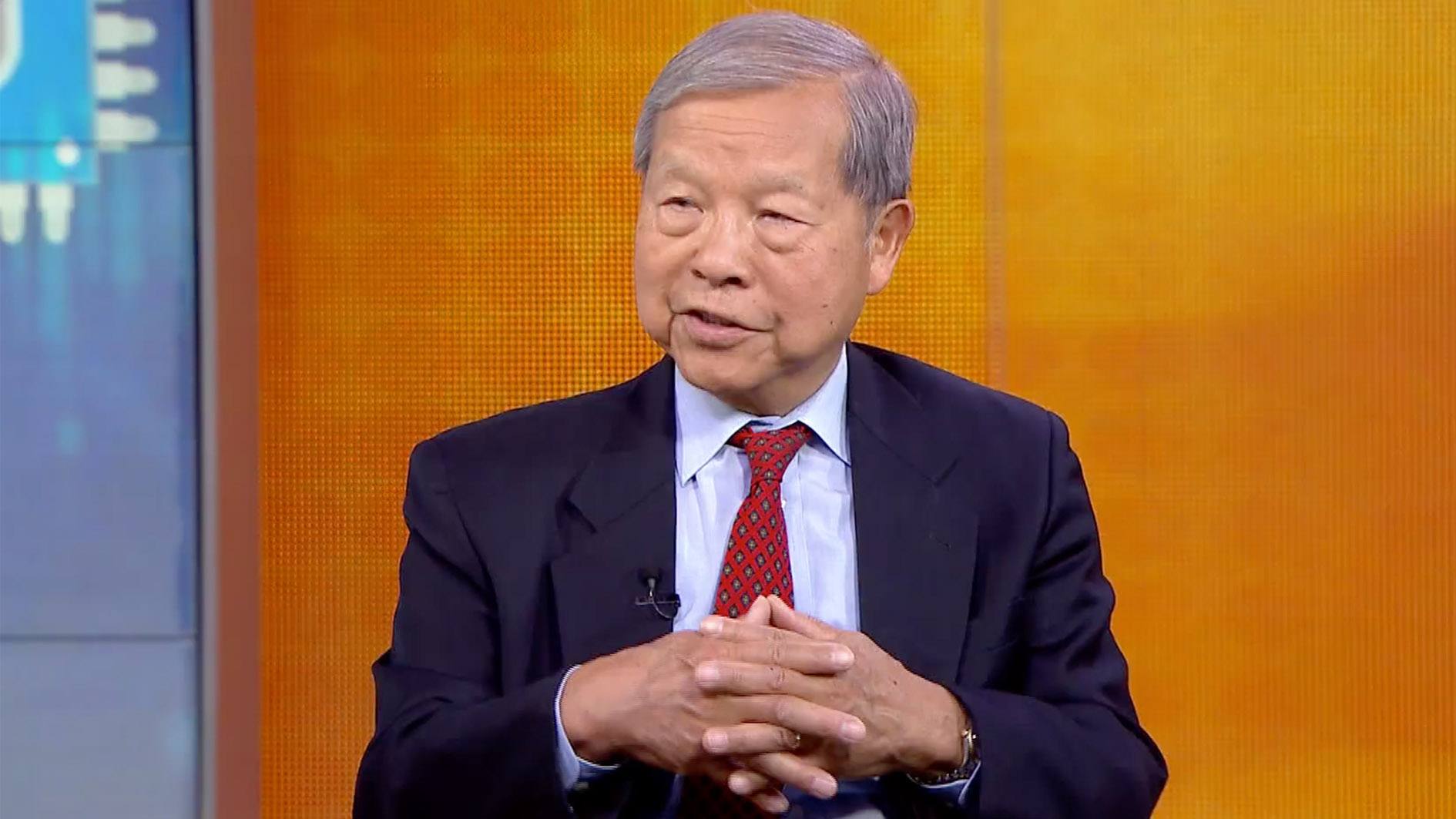
Yukon Huang, a senior fellow with the Asia program at Carnegie Endowment for International Peace, agreed with Li, saying that the tension lies in the title. If the news title was “Becoming More Innovative, Efficient and Productive,” it would not be a problem, but right now when American audiences look at China’s economic plan, they think China wants to dominate, not join, the most innovative economies.
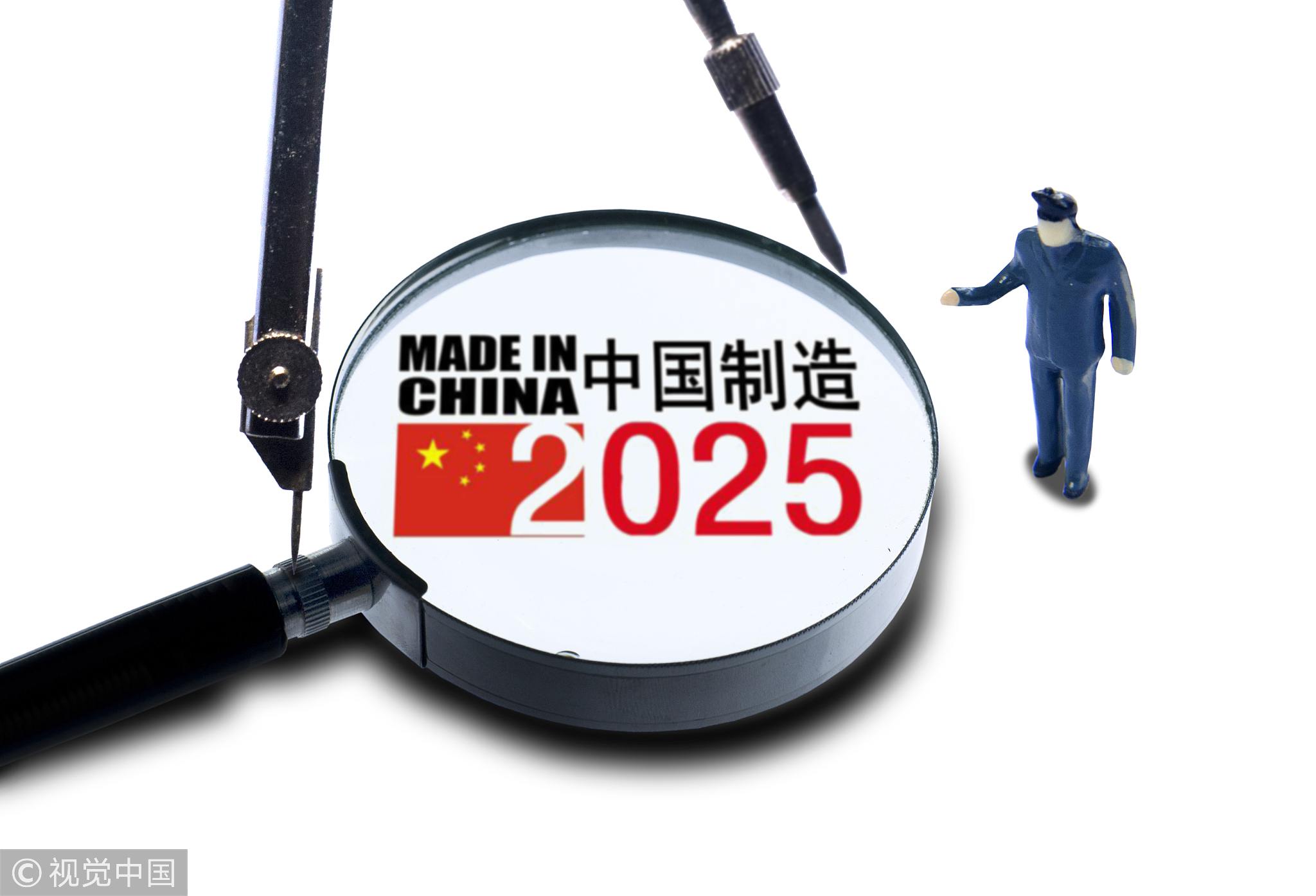
Made in China 2025 / VCG Photo
Made in China 2025 / VCG Photo
Indeed, this has been a fear in countries like the United States. Jeff Moon, a China trade and government affairs specialist, said that the underlying purpose of Made in China 2025 is a large part of the concern.
“Frankly, China is not like most developing countries because it is now the second largest economy in the world,” Moon said. “There are really two concerns about this in the US. The first is scope and scale, and the second is discriminatory impact.”
Moon said he agreed that there is nothing wrong with China to seek development, but the West cares more about the specific measures and the fairness issue.
Hopewell argued that the president’s complaint is a political play: Made in China 2025 has provided a key part of the rational or the legitimation for Trump’s trade policies and his actions against China.
“I think that his claim that China’s trade practices are unfair is highly questionable,” Hopewell said. “Many other countries have employed similar strategies to what China is doing. The reality is although China is now the world’s second largest economy, it remains a developing country.”
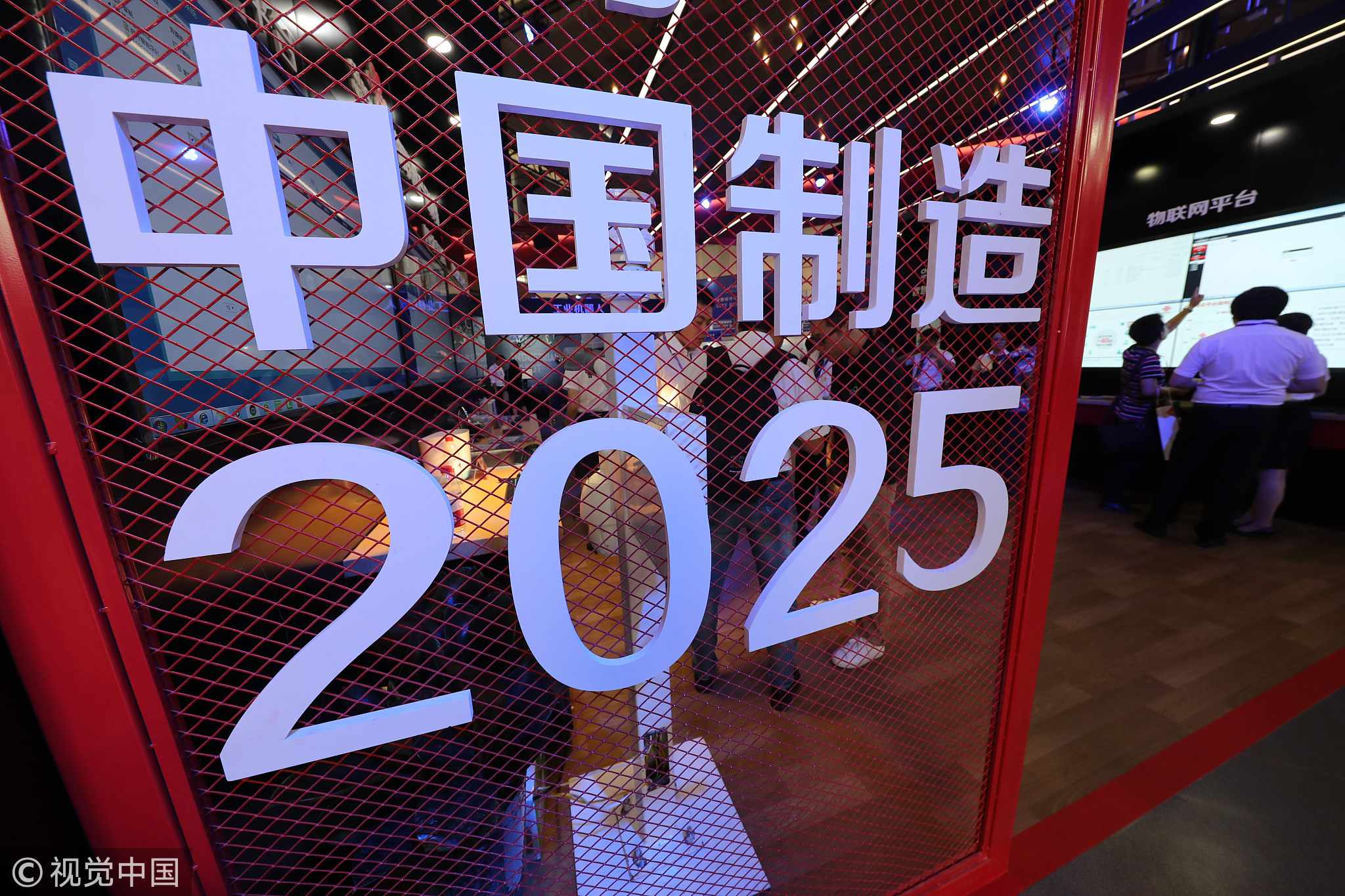
Exhibition area of "Made in China 2025" in the 7th China Smart City Technology and Application Products Expo in Ningbo, Zhejiang Province / VCG Photo
Exhibition area of "Made in China 2025" in the 7th China Smart City Technology and Application Products Expo in Ningbo, Zhejiang Province / VCG Photo
When looking at the per-capita average income, Hopewell said the number in China is $8,000 while that in the US is $56,000. China still has a long way to go and it faces tons of challenges to bring incomes anywhere near the level in the United States.
Li Xin, the managing director of Caixin Global, said instead of being obsessed with the fairness issue, China believes this project focuses on bringing up the effectiveness. Huang agreed with Li, saying that China wants to be "self-sufficient," but it looks like the United States and China define it in two different ways.
“How do you describe fairness?” Huang said. “Self-sufficiency is a spirit that goes against the WTO guidelines, because if countries are self-sufficient, they won’t trade with each other.”
From a foreign perspective, what China is doing seems to go a bit too far, but by "self-sufficient," China means to reduce dependency on the West, not to refuse to cooperate with rest of the world, Huang added.
Looking forward, Hopewell said the tariffs that Trump is imposing are unlikely to stop China’s industrial drive and its move into higher-value industries, but it will have a negative impact on US manufacturing and its competitiveness.
For example, Boeing imports parts from China to make aircraft in the United States, and now because of the tariffs, cost of American-made planes will raise, making US aircraft much more expensive.
“US manufacturers are really finding themselves in a double whammy,” Hopewell said. “On the one hand, they’re facing increased costs. On the other hand, they’re facing reduced access to the Chinese market."
The Heat with Anand Naidoo is a 30-minute political talk show on CGTN. It airs weekdays at 7:00 a.m. BJT and 7:00 p.m. Eastern in the United States.