
Business
12:08, 30-May-2018
Emerging economies suffer from surging dollar
 ["north america"]
Share







Copied
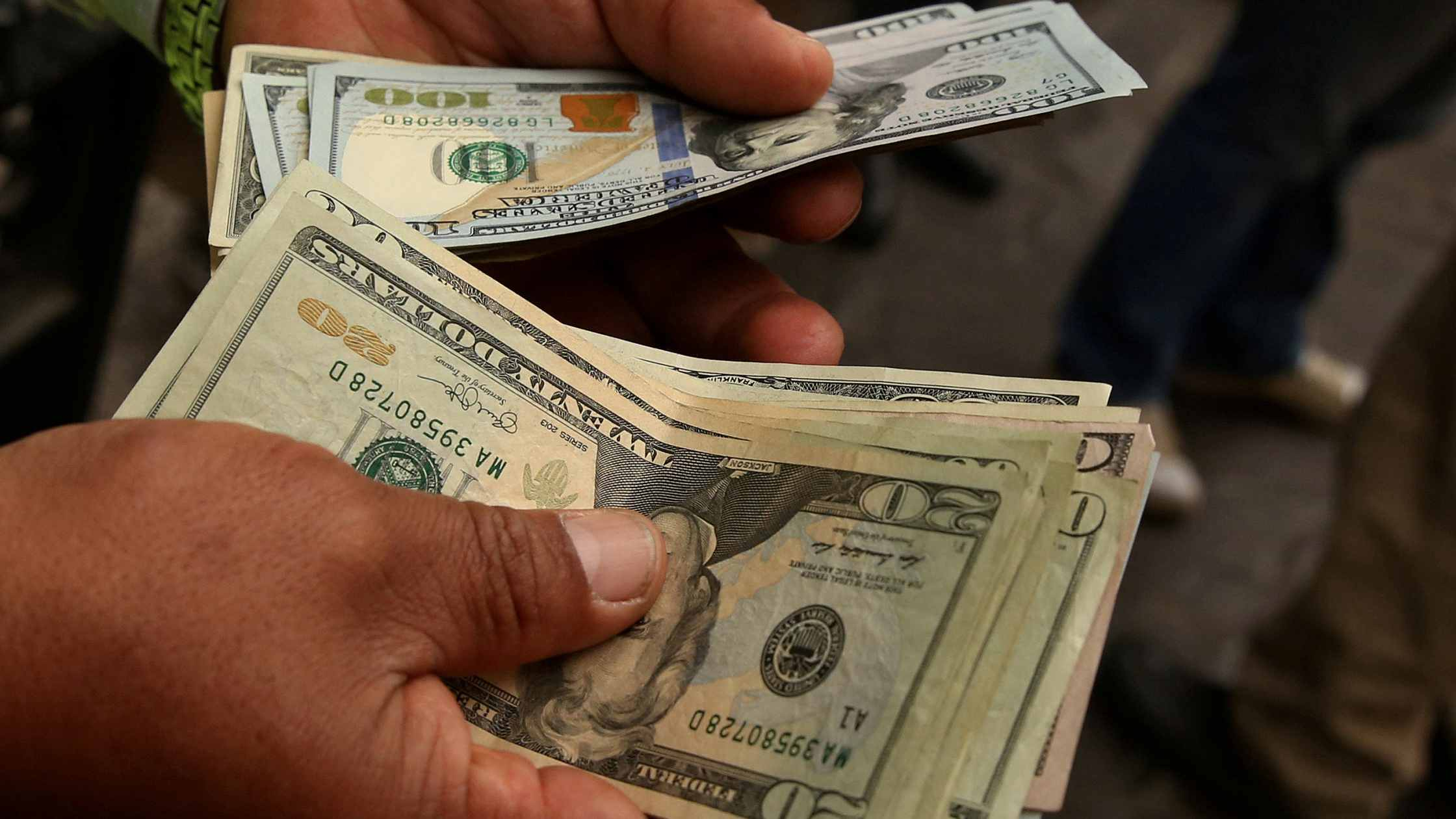
Some emerging economies are suffering from the strengthened dollar amid Federal Reserve interest rate hikes. Investors start to rethink investments in smaller economies as much lower-risk US assets offer higher returns.
Funds dedicated to emerging economy equity and debt saw withdrawals of 569 million US dollars and 253 million US dollars during the week of May 23, according to data firm EPFR Global. That is on top of the 1.6 billion US dollars and 2.1 billion US dollars taken from the same funds during the week ending May 9.
"The primary explanation for these capital outflows comes from the rising dollar," said Eric Viloria, a strategist at Wells Fargo.
The trend marks a shift from the period after the financial crisis when low-interest rates in the US gave incentive to investors to seek higher yield overseas, especially in emerging economies.
Argentina and Turkey bear the brunt
The biggest losers from the current dynamic have been Argentina and Turkey, according to the Institute of International Finance. Those two countries have lost 22 and 19 percent of the value of their currencies since the start of April.
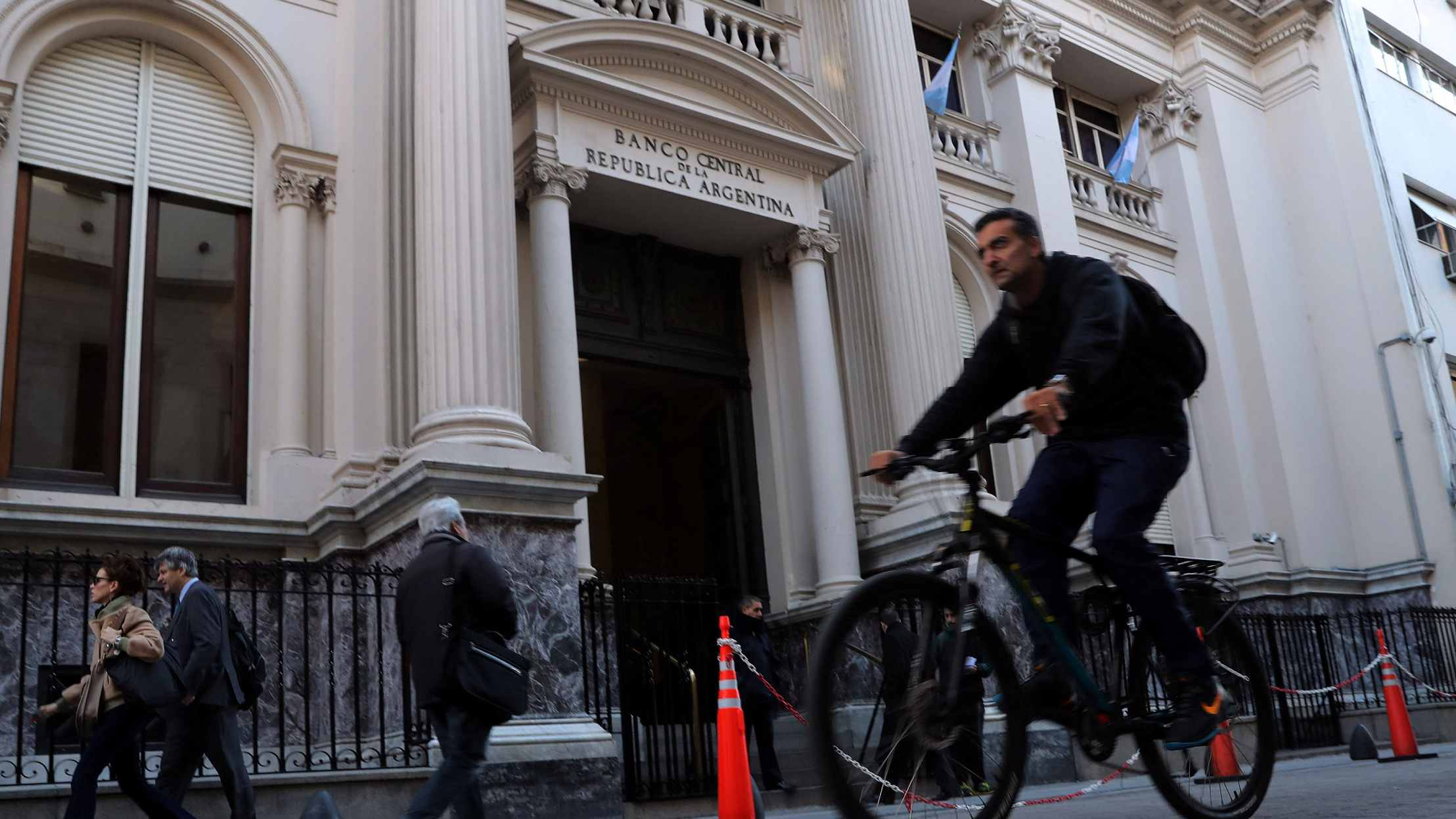
Argentina's Central Bank in Buenos Aires' financial district. /VCG Photo
Argentina's Central Bank in Buenos Aires' financial district. /VCG Photo
These countries have responded by sharply increasing interest rates, a move not without risk to their own economies.
Argentina's Central Bank lifted the rate of a key lending rate to 40 percent as it has sought loans from the International Monetary Fund.
Turkey's Central Bank last Wednesday boosted its lending rate from 13.5 percent to 16.5 percent despite a push from President Recep Tayyip Erdogan, who has sought low rates to boost growth.
The sharp fall in the currencies' value has come as Turkey heads to June 24 presidential and parliamentary elections where Erdogan is seeking a new mandate and a thumping parliamentary majority.
"Turkey is burdened by a large current account deficit, foreign currency denominated debt more than three times larger than its foreign exchange reserves, and double-digit inflation," said Low of FTN Financial.
Argentina too has suffered from an annual inflation of more than 20 percent and large trade and budget deficits. The country also remembers well the painful crisis that led to a debt default in 2001.
According to a recent note by Oxford Economics, more than half the movement of the Argentine and Turkish currencies is due to elevated risk in those countries.
By contrast, other emerging economies, including Russia, Poland and Malaysia have seen their currencies fall less precipitously against the dollar because their economies are in better shape.
Source(s): AFP