
Culture
22:11, 18-May-2018
Ancient Architecture Museum invites teachers to do some handiwork
 ["china"]
Share







Copied
04:11
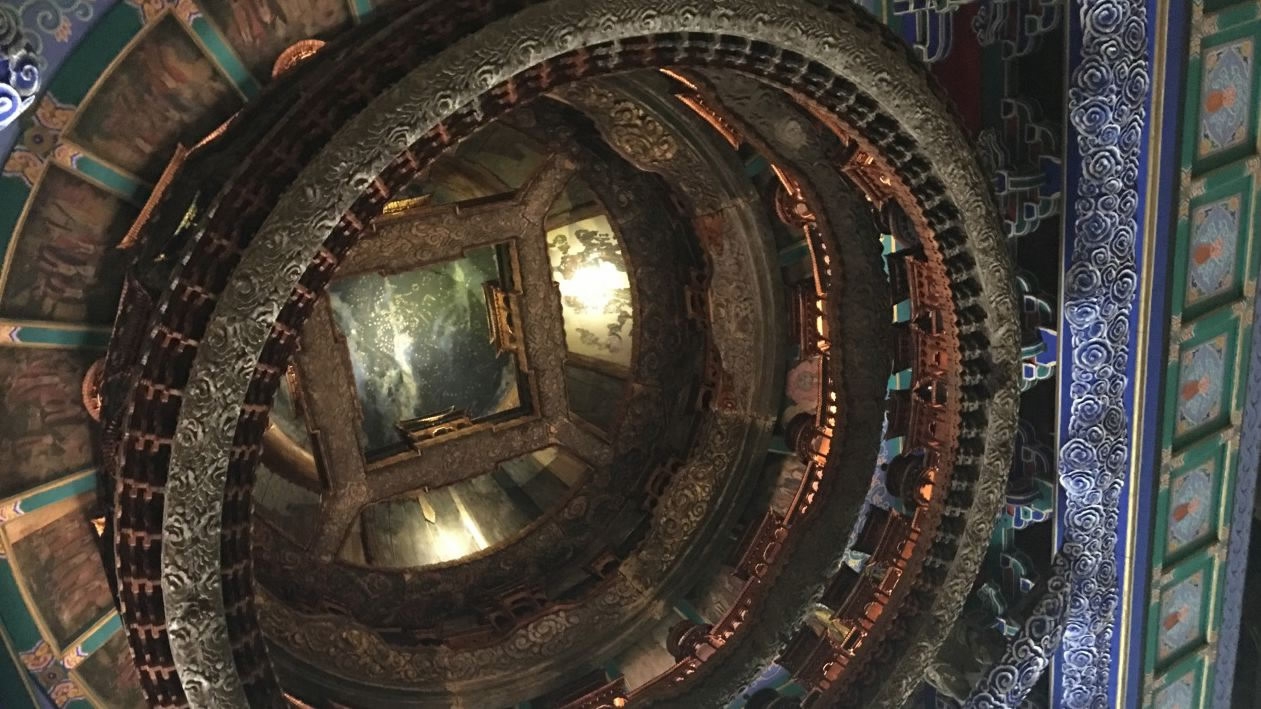
Attracting visitors is a challenge that many museums are facing. Beijing's Ancient Architecture Museum, with many rare relics dating back to China's ancient times, held a special activity right before International Museum Day. It invited dozens of young teachers to take part in exhibitions and learn about ancient architecture techniques.
The Beijing Ancient Architecture Museum is located in Xian Nong Tan, or the Temple of Agriculture, and it is the first museum in China dedicated to collecting, studying and exhibiting items of ancient Chinese architecture.
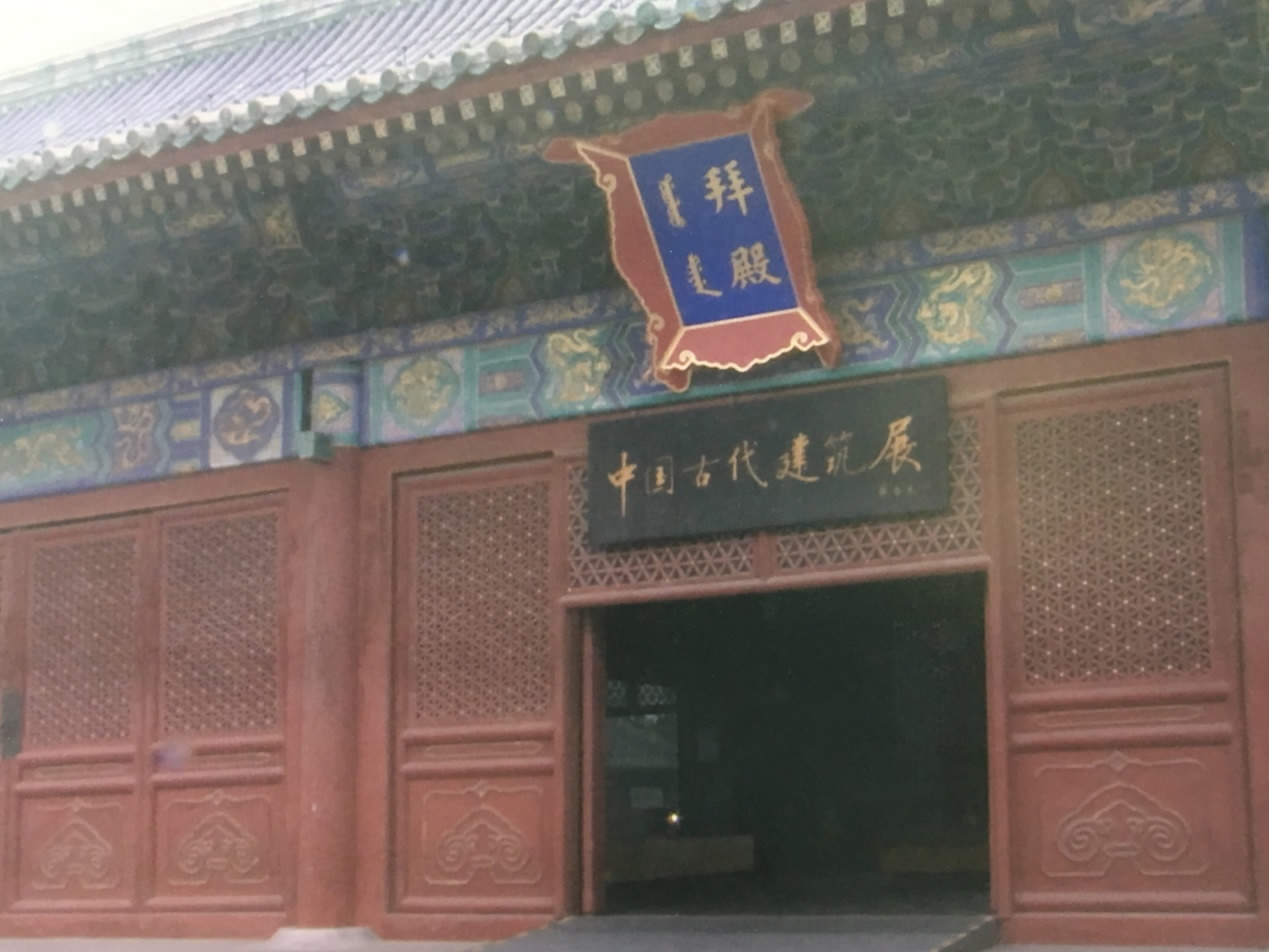
The "Demonstration of Chinese Ancient Architecture" exhibit in the Beijing Ancient Architecture Museum /CGTN
The "Demonstration of Chinese Ancient Architecture" exhibit in the Beijing Ancient Architecture Museum /CGTN
Dozens of middle school teachers from Beijing Dongcheng district were treated to a free trip to see the museum's main exhibition called "Demonstration of Chinese Ancient Architecture" right before International Museum Day. A museum attendant told them stories behind the key exhibits.
Through rich pictures and exquisite models, these young teachers learnt about the changes in Chinese architecture style from the original thatched huts to the rigorous and magnificent palace constructions. Besides, they learnt about the construction process of ancient buildings, tools and materials, and some ancient techniques, such as "tenon and mortise" and "Dou Gong."
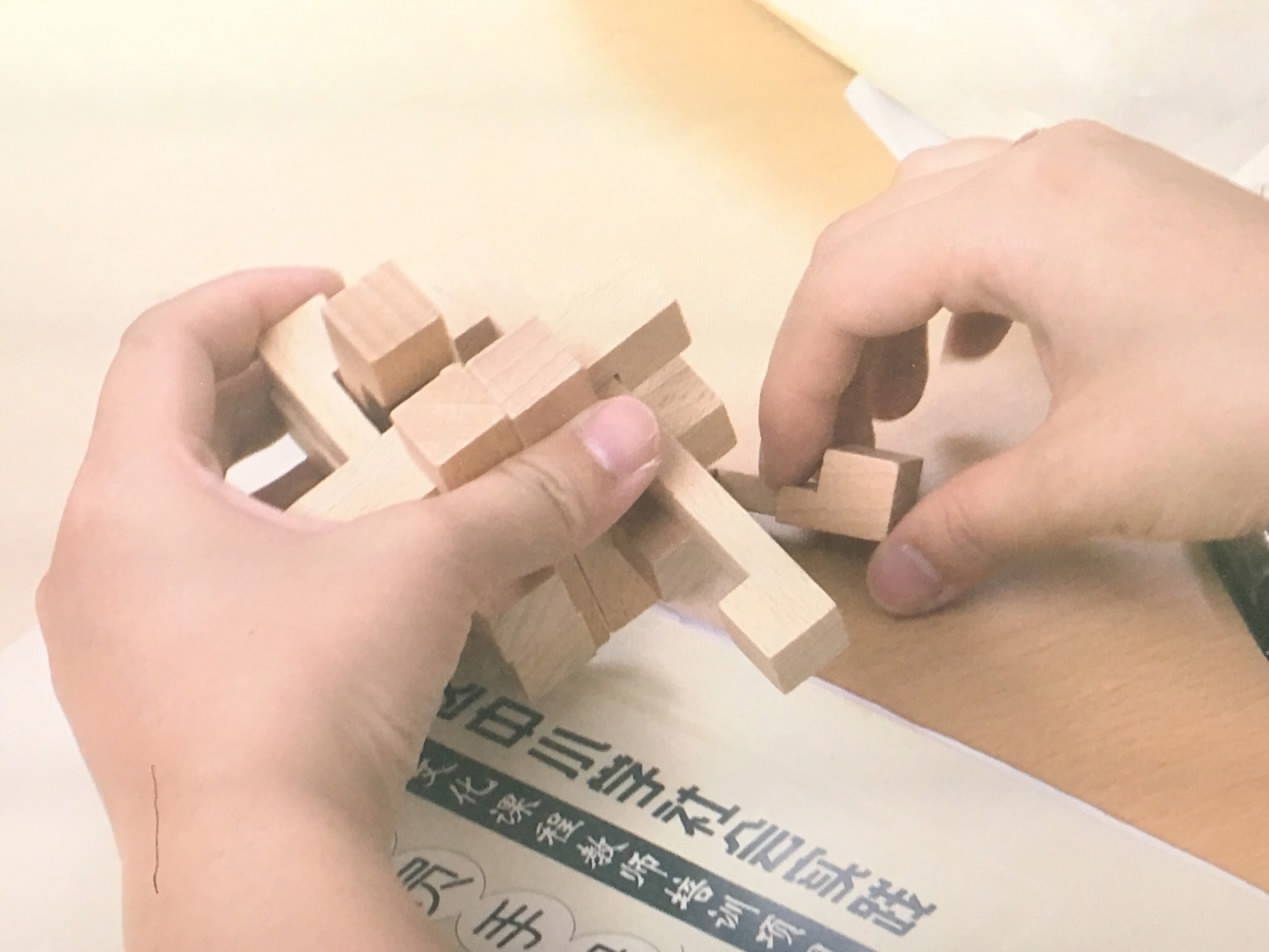
Assembling using "tenon and mortise" /CGTN Photo
Assembling using "tenon and mortise" /CGTN Photo
Many Chinese ancient buildings were made of wood, and the traditional artisans used tenon tongue and mortise hole instead of nails to connect the pieces.
These unique structures were very stable, allowing some of the most well-known architectural icons like the halls of the Forbidden City, to stand still for hundreds of years.
The other technique, "Dou Gong" is a unique structural element of interlocking wooden brackets, used to support large roofs.
“Compared with large, modern museums, our museum attracts fewer visitors. But as a serene ancient architecture site as well as a museum within Beijing's second ring road, we draw people with a motive to learn about the Temple of Agriculture,” said Guo Shuang, Museum attendant.
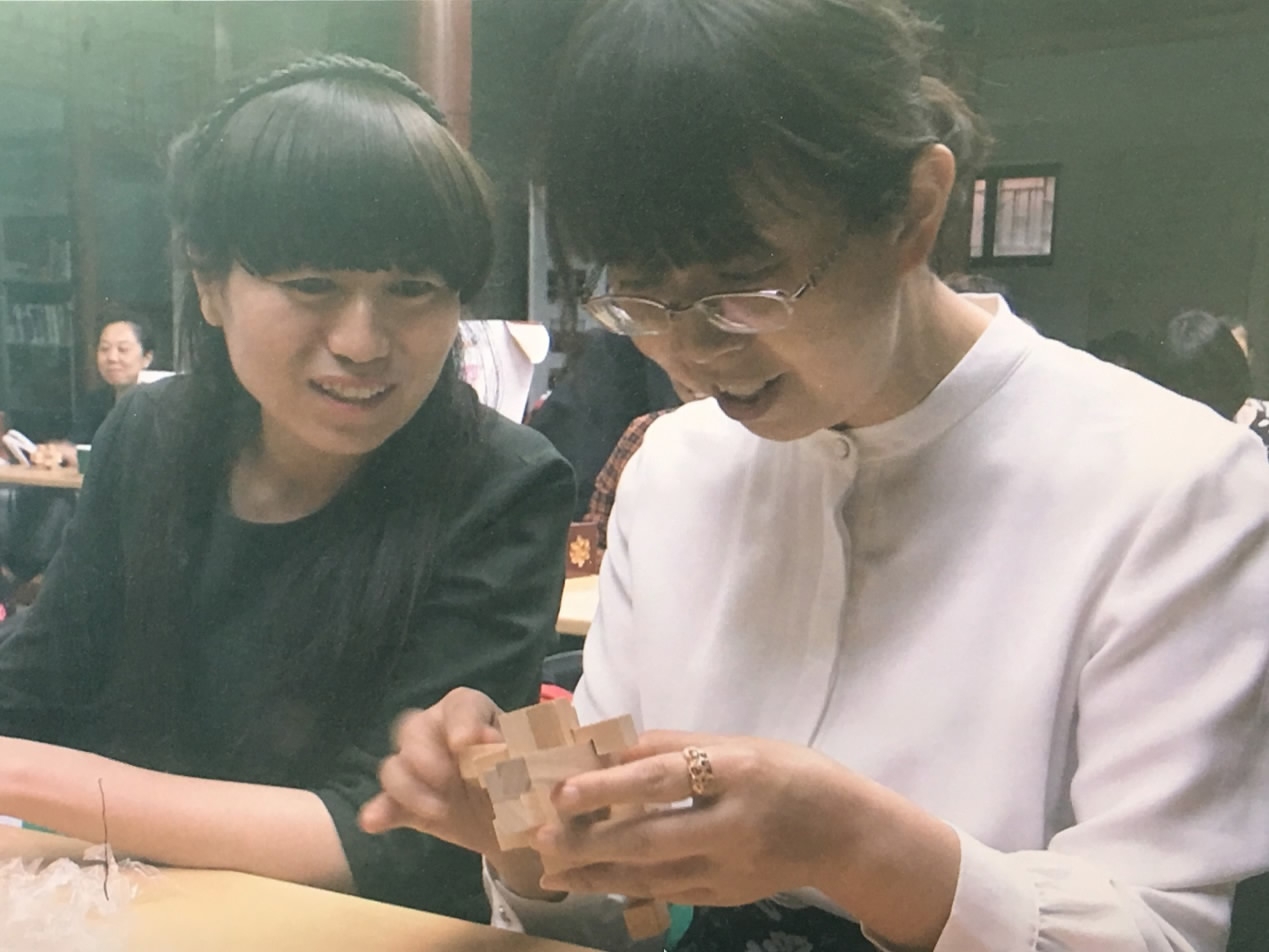
Teachers experiencing the activity at the Museum /CGTN Photo
Teachers experiencing the activity at the Museum /CGTN Photo
What better way to really learn this fascinating technique that the Chinese invented thousands of years ago, than to take part in hands-on activities? Here the instructor was demonstrating how a typical Dou Gong bracket was built. Then everyone was asked to unlock and assemble this using the "tenon and mortise" technique.
There were no nails or glue in traditional Chinese architecture, nothing can hold or lock different pieces together without the "tenon and mortise" structure. By this assembling process, visitors learnt some ancient Chinese architecture techniques, and appreciated the wisdom of Chinese ancestors.
The Ancient Architecture Museum has held this activity since last year, usually inviting students from nearby schools to experience the ancient process. This time around, they are providing this "see and experience" tour to middle school teachers, in hopes that they can pass on the knowledge and fun to their students.
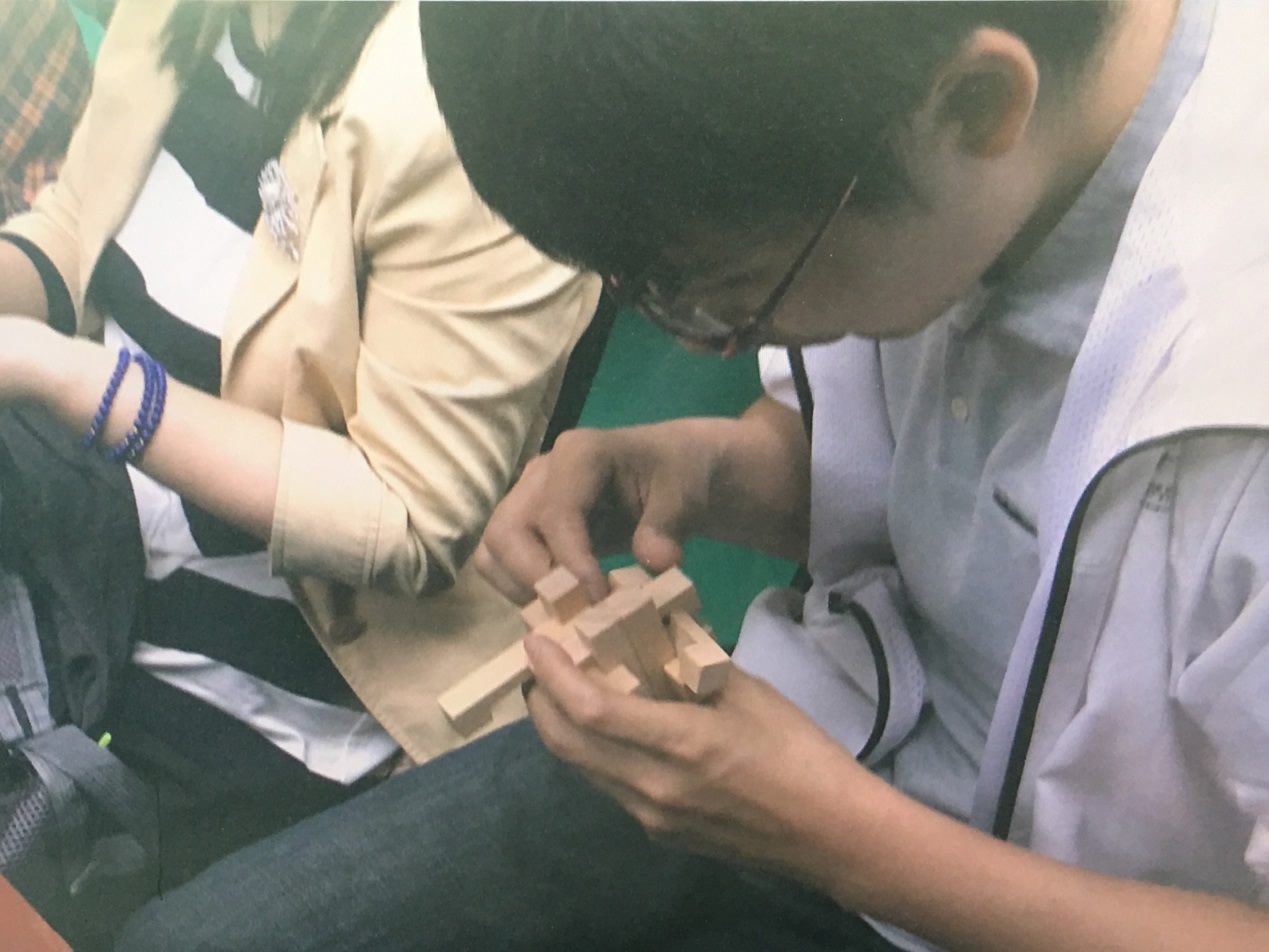
A student trying the "tenon and mortise" and "Dou Gong" assembling processes /CGTN Photo
A student trying the "tenon and mortise" and "Dou Gong" assembling processes /CGTN Photo
“We organize these middle school teachers to participate in the activity, in hopes that they can apply the knowledge and experiences to their teaching process. In that way, more students will be interested in traditional culture and come to our museum,” said Li Ying, deputy director of the Ancient Architecture Museum education center.
“We always use our eyes and ears in a museum. But on this occasion we were also able to use our hands. These practical activities will encourage more students to visit a museum,” a teacher who joined this activity said.
The Beijing Ancient Architecture Museum is one of 99 museums in Beijing open free to the public on International Museum Day. And this activity is only part of the efforts that the museum's curators are using to reach out to and draw more visitors.