
Facebook
21:14, 24-May-2018
Analysis: Zuckerberg's Parliament hearing continues to leave unanswered questions
 ["china"]
Share






Copied
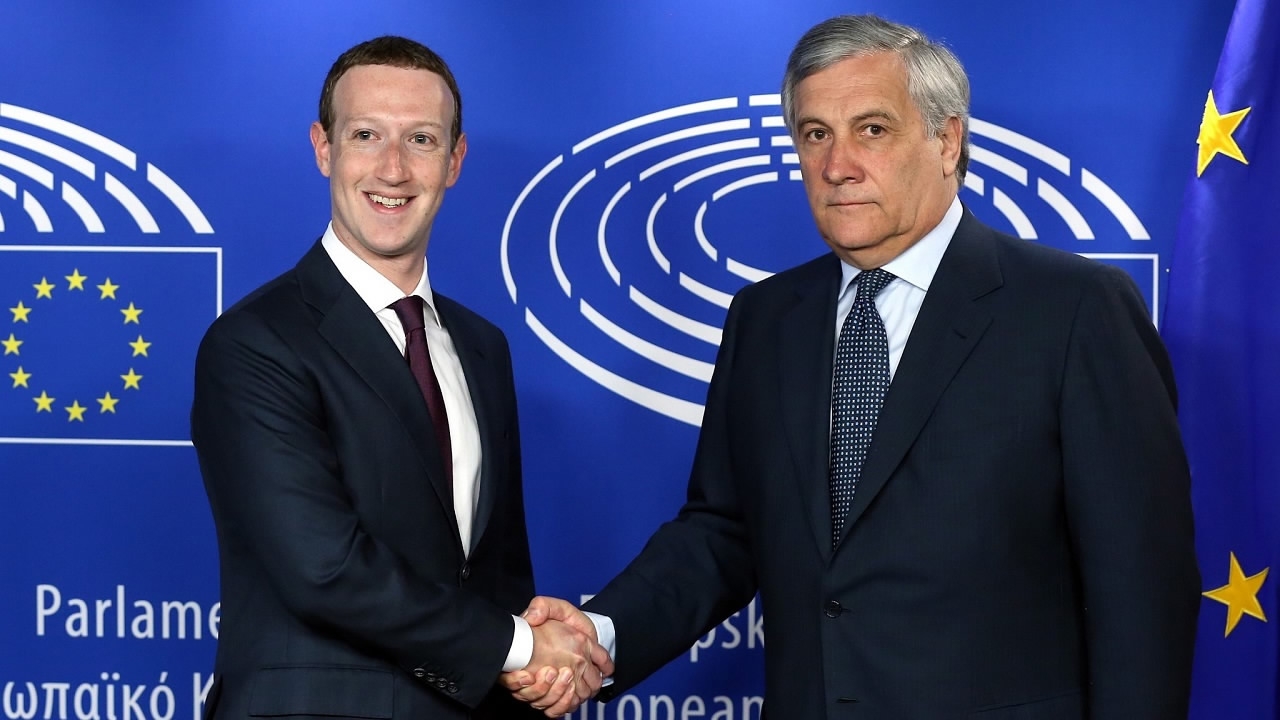
The European Parliament went live on Facebook on Wednesday to question CEO Mark Zuckerberg, more than a month after he testified before the US Congress.
The hearing was supposed to give Zuckerberg another chance to put forward a solid explanation and solution for the company’s current privacy policies, but many were left with the feeling that they had just received more meaningless excuses.
The initial speech lasted about 10 minutes, with Zuckerberg saying almost the same thing he told the US Congress.
It's very clear that the majority of members of the European Union's Parliament caught Zuckerberg's empty explanations, but the CEO still managed to escape giving key answers during the hour-long interrogation, leaving many netizens criticizing both Zuckerberg and The European Parliament hearing.
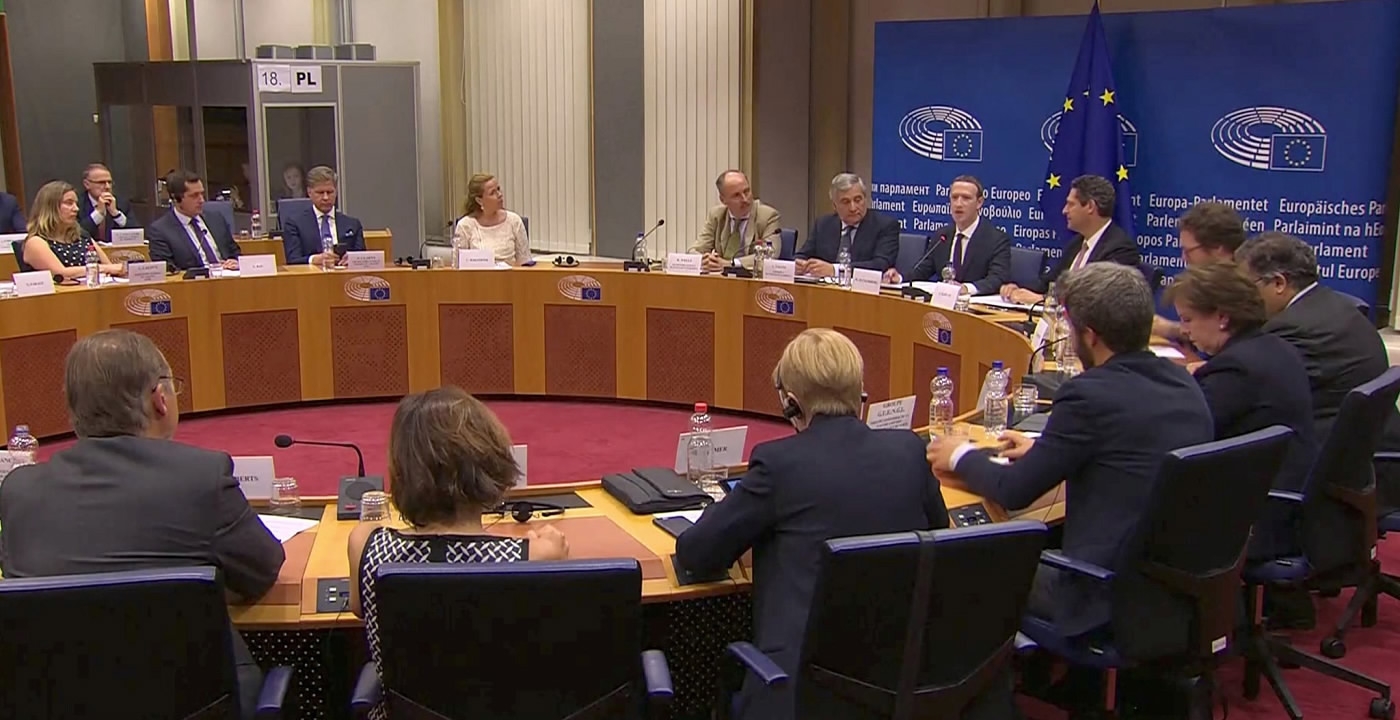
Facebook's CEO Mark Zuckerberg answers questions about the improper use of millions of users' data by a political consultancy, at the European Parliament in Brussels, Belgium, in this still image taken from TV, May 22, 2018. /VCG Photo
Facebook's CEO Mark Zuckerberg answers questions about the improper use of millions of users' data by a political consultancy, at the European Parliament in Brussels, Belgium, in this still image taken from TV, May 22, 2018. /VCG Photo
Zuckerberg first apologized (again) and went on with his explanations, telling the EU that his company has acknowledged what they did and was working to fix it.
The questions given to him from members of the European Union's Parliament included the use of "shadow profiles", possibilities of separating WhatsApp from the Facebook empire and what compensation Facebook should pay the victims.
Zuckerberg's batch reply began by recalling the history of Facebook's content-censoring policies.
From setting up a simple social media platform in his dormitory, to user-flagging at the beginning of the company and to AI-aided machine flagging as the company got bigger, Zuckerberg told Congress members that he didn't expect global social responsibilities when he first created the popular social media platform for his university.
"We'll never be perfect on this," Zuckerberg told the parliament.
He went on to talk about upcoming measures on fake news, saying the company will now target three types of misinformation: spam looking for profit, fake accounts and incorrect contents shared by normal users.
"We're developing tools," the Facebook boss mentioned several times, a comment he had previously said at the US Congress hearing.
On monopolizing possibilities, Zuckerberg again emphasized the user's choice on communication methods, but did not mention a single Facebook competitor as requested. This move was highly criticized by netizens.
"So he just switched the subject?" a Facebook user nicknamed Peter Lindgren commented under the live video.
Many people thought that Zuckerberg was trying to avoid the question, quickly saying "I think it's important to keep it and protect people in our community". He then quickly looked for another topic to move onto.
Other netizens watching the live event picked up on his diversion.
"What? Did he just skip the protection of non-users?" commented Ana Tokhadze.
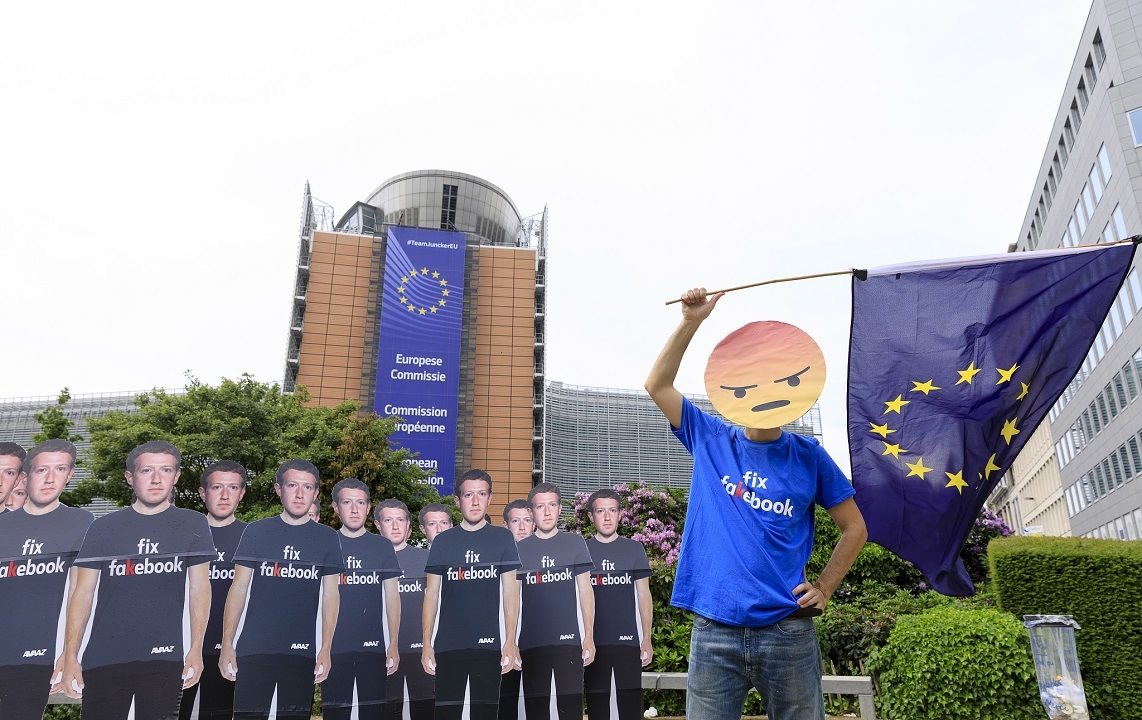
Anti-Facebook demonstration with cardboard cutouts of Facebook chief Mark Zuckerberg in front of the Berlaymont, the EU Commission headquarter on May 22, 2018 in Brussels, Belgium /VCG Photo
Anti-Facebook demonstration with cardboard cutouts of Facebook chief Mark Zuckerberg in front of the Berlaymont, the EU Commission headquarter on May 22, 2018 in Brussels, Belgium /VCG Photo
For the rest of the questions, Zuckerberg promised, after strong demand from members, to provide written answers.
Comments such as "Please make those written answers public," flooded the Facebook live page.
The last excuse Zuckerberg used to leave the room was that he had a flight to catch, leaving EU Parliament members and many netizens wondering if the General Data Protection Regulation (GDPR) can really stop the company from gaining valuable private information from EU citizens and sell them again.