
Culture
10:20, 04-Aug-2018
Exhibition at Australian university tells stories of old Beijing
Updated
09:45, 07-Aug-2018
 ["china"]
Share







Copied
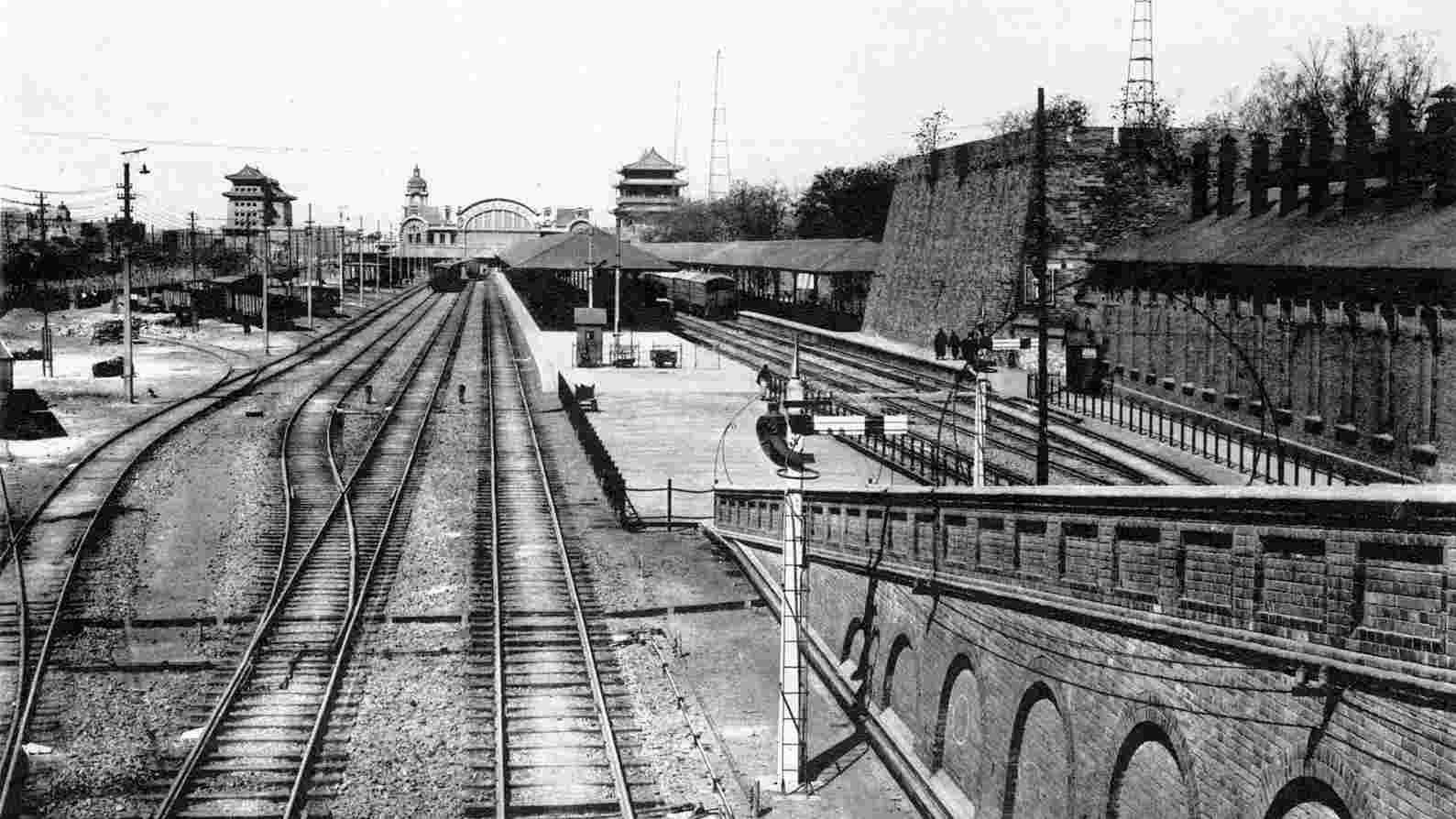
In Dr Wei Shuge's eyes, Beijing is a city with many stories, some of which are in the 26 pictures on the wall.
Wei is curator of the exhibition "Newly Discovered Photographs of Beijing, 1900-1902," which runs until Aug. 30 at the Australian Center on China in the World of the Australian National University.
On display are photocopies of pictures taken in the early 1900s, shortly after the end of the Yihetuan Movement and invasion of troops from the Eight-Nation Alliance – Britain, the United States, Germany, France, Russia, Japan, Italy and Austro-Hungary – in Beijing.
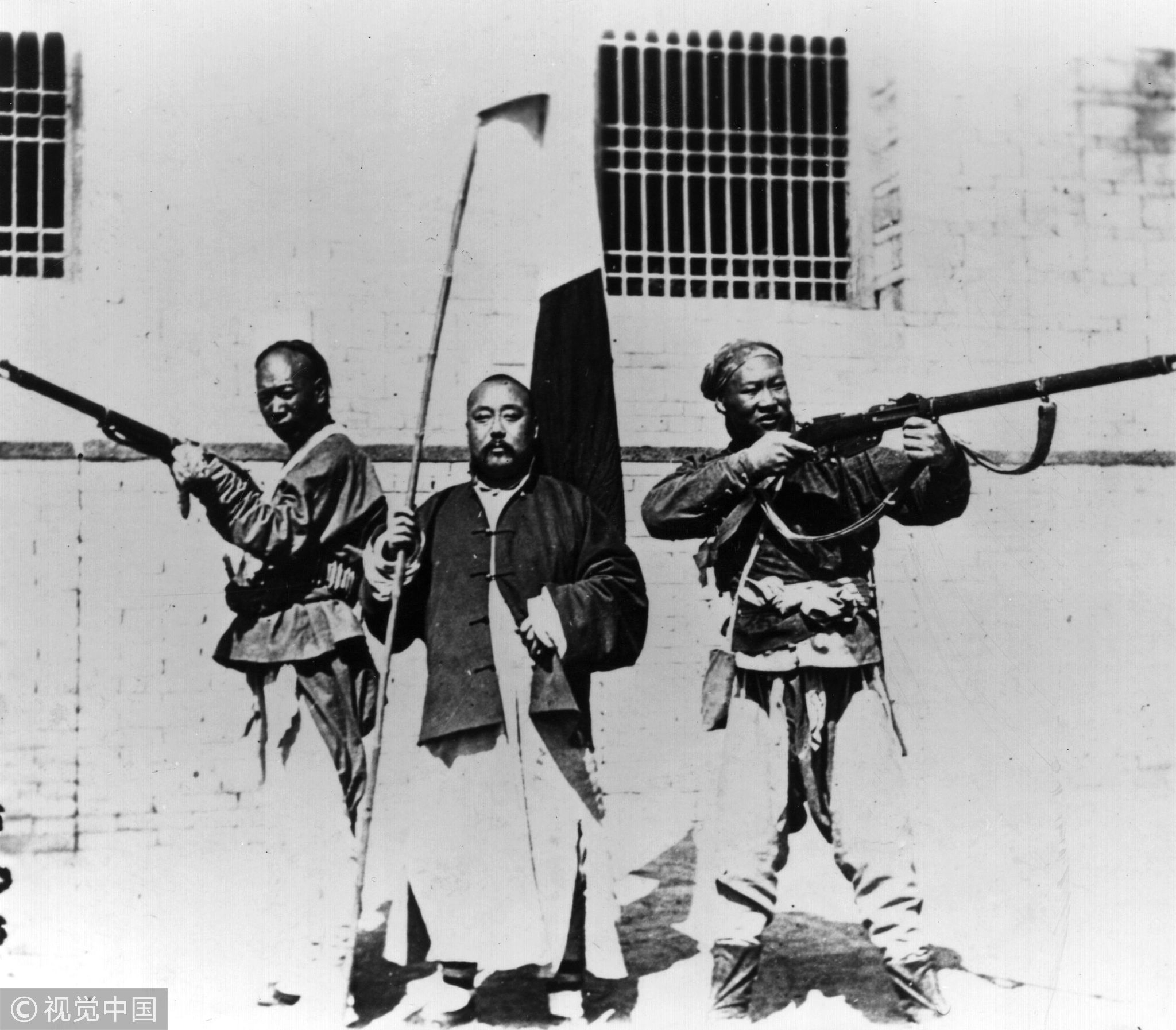
Roman Catholic priest Pater Schen and two Catholic soldiers prepare to defend themselves against the Boxers during the Boxer rebellion. /VCG Photo
Roman Catholic priest Pater Schen and two Catholic soldiers prepare to defend themselves against the Boxers during the Boxer rebellion. /VCG Photo
The pictures show destroyed gate towers, booths where people sat for civil service exams, railway stations, utensils the emperors used for worship, barbers in action as well as a funeral procession.
The original photos are in an album in the possession of Svetlana Paichadze, assistant professor at Hokkaido University. They were given to her decades ago by a historian impressed by her strong interest in East Asia.
Wei saw the photos during her visit to the Hokkaido University in 2016. "We decided that we could not have them hidden in an office forever," she told Xinhua.
She then uploaded the photos online and photocopied some of them for the exhibition.
"We always judge the events in the past with values nowadays," she said. "With this exhibition, I hope that people could know more about the old days, about how people in Beijing managed to live in that unsettled era."
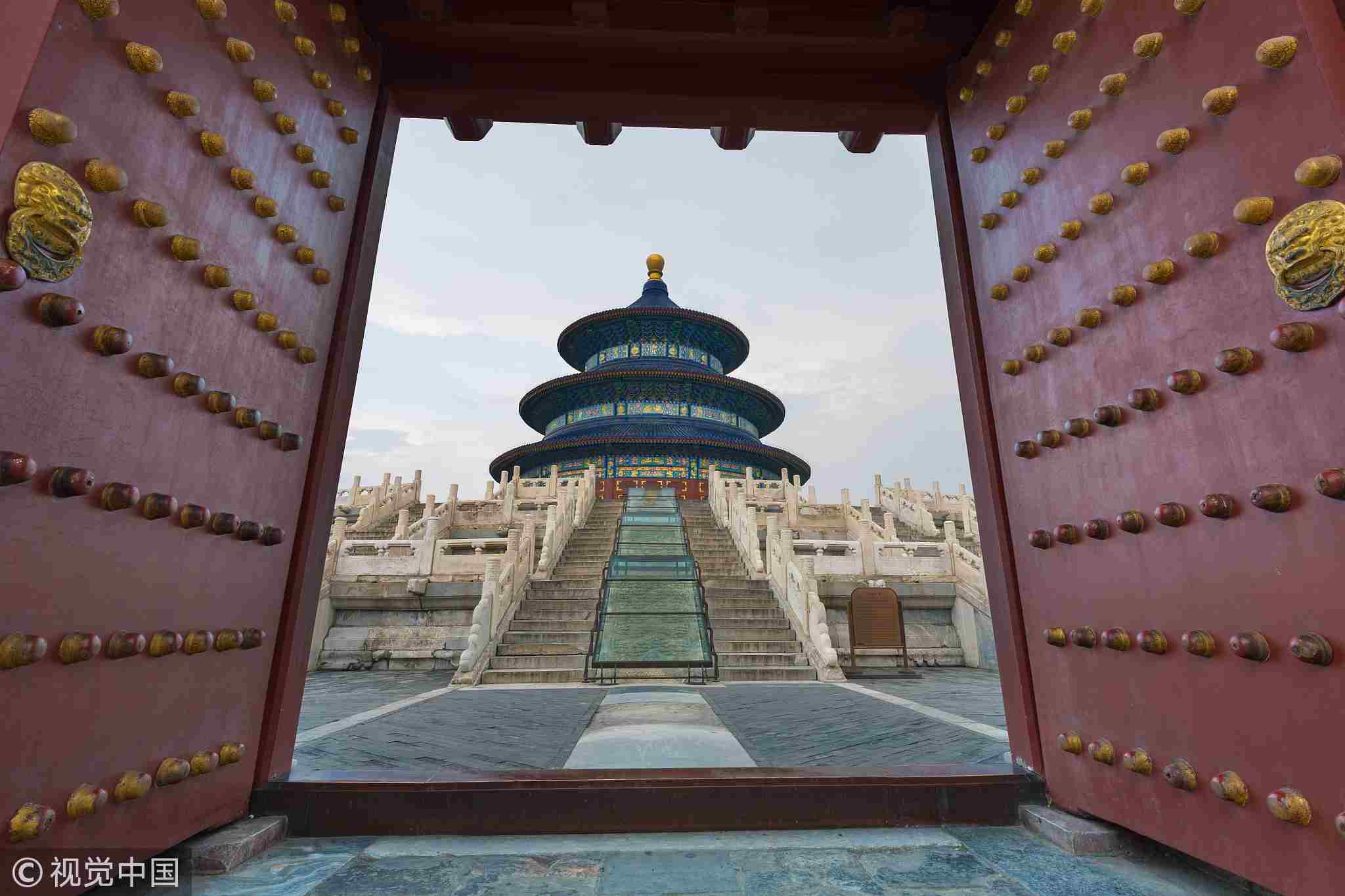
The Temple of Heaven today. /VCG Photo
The Temple of Heaven today. /VCG Photo
She liked a picture taken on the Zhengyangmen gate tower, which oversaw the south of Beijing. "I was astonished to see the Temple of Heaven," she said. "Things changed so much. Now the Temple of Heaven is hidden behind many tall buildings."
Another picture features a big smile of a barber. "People on the photos are mostly tanned, perhaps due to their outdoor toils for a living. But they looked so peaceful, even happy," she said.
The exhibition was attended by both Chinese and foreign visitors. "Canberra is a city where many people are involved in diplomatic careers. So some had visited Beijing before," she said.
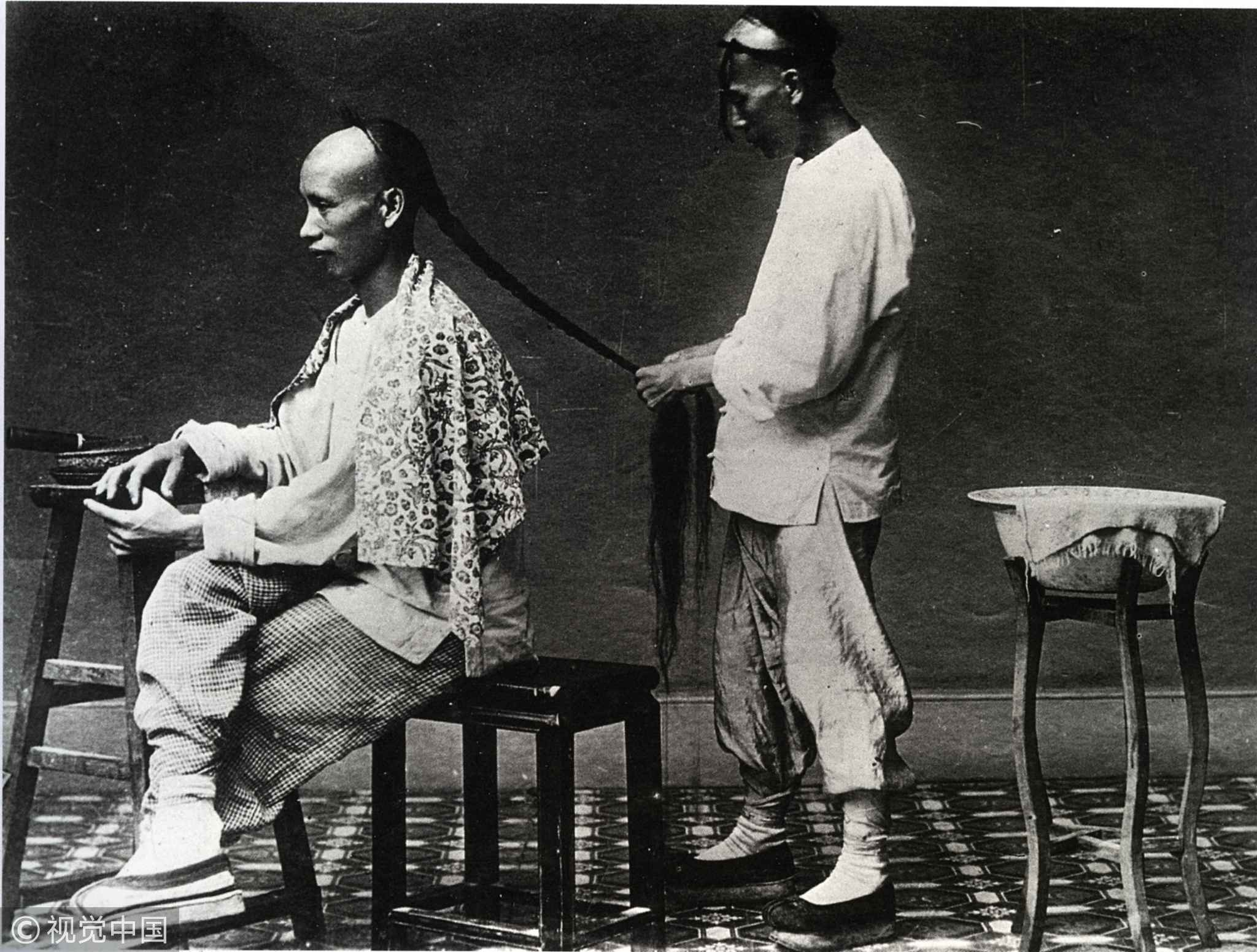
A pigtail of plaited hair worn behind a shaven forehead. /VCG Photo
A pigtail of plaited hair worn behind a shaven forehead. /VCG Photo
She once met a scholar who visited Beijing in the 1970s, telling her that the city at that time appeared quite similar to what was in the pictures.
She also talked to an old lady, whose parents emigrated from Russia to northeast China, before she came to Australia. "She was very emotional seeing the photos," Wei said.
She said that she hopes the pictures can be seen by more people, especially those who study history. "They could find more stories behind the photos," she said.
Source(s): Xinhua News Agency