
Business
20:50, 25-May-2018
Experts at SPIEF expect breakthrough in Far East development
 ["china"]
Share







Copied
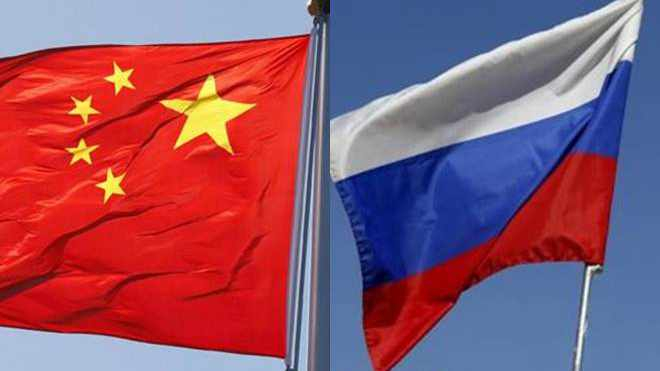
When Russia decided to pivot east amid sanctions from the West, the future of its economy as well as Sino-Russia cooperation depended on the co-development of the Far East region, experts said at the 2018 St. Petersburg International Economic Forum (SPIEF).
China and Russia have complimentary economic structures, indicating great potential for cooperation. However, lack of trust has been a major obstacle for the two sides’ cooperation to move forward, several experts said at a panel about China-Russia cooperation.
Taking the Far East region, a vast territory lying east of Lake Baikal, as an example, it has offered many preferential policies in the Advanced Special Economic Zones but struggled to lure investors, due to transportation infrastructure lagging behind, He Zhenwei, secretary general of China Overseas Development Association, said at the panel.
Currently, there are no bridges linking the two neighboring countries across the border river, and different railway standards cause problems for the transportation of goods.
Fortunately, the two countries may be close to solving the problems, starting with building a new railway line with standards that meet both sides' interests, He said, hinting that a possible Momentum of Understanding of the project may be around the corner.
After China announced further opening up its market, Chinese enterprises expect similar measures from Russia, Tu Guangshao, Vice Chairman of China Investment Corporation, said at the panel.
Russia has drafted counter sanctions against the US, including an import ban on American drugs, alcohol and tobacco, He said, noting it suggests more opportunities for Chinese companies, for instance, some Chinese tobacco makers are considering establishing factories in Russia.