
Politics
11:30, 11-May-2018
Pentagon probe finds training, command issues in Niger ambush
 ["china"]
Share







Copied
02:04
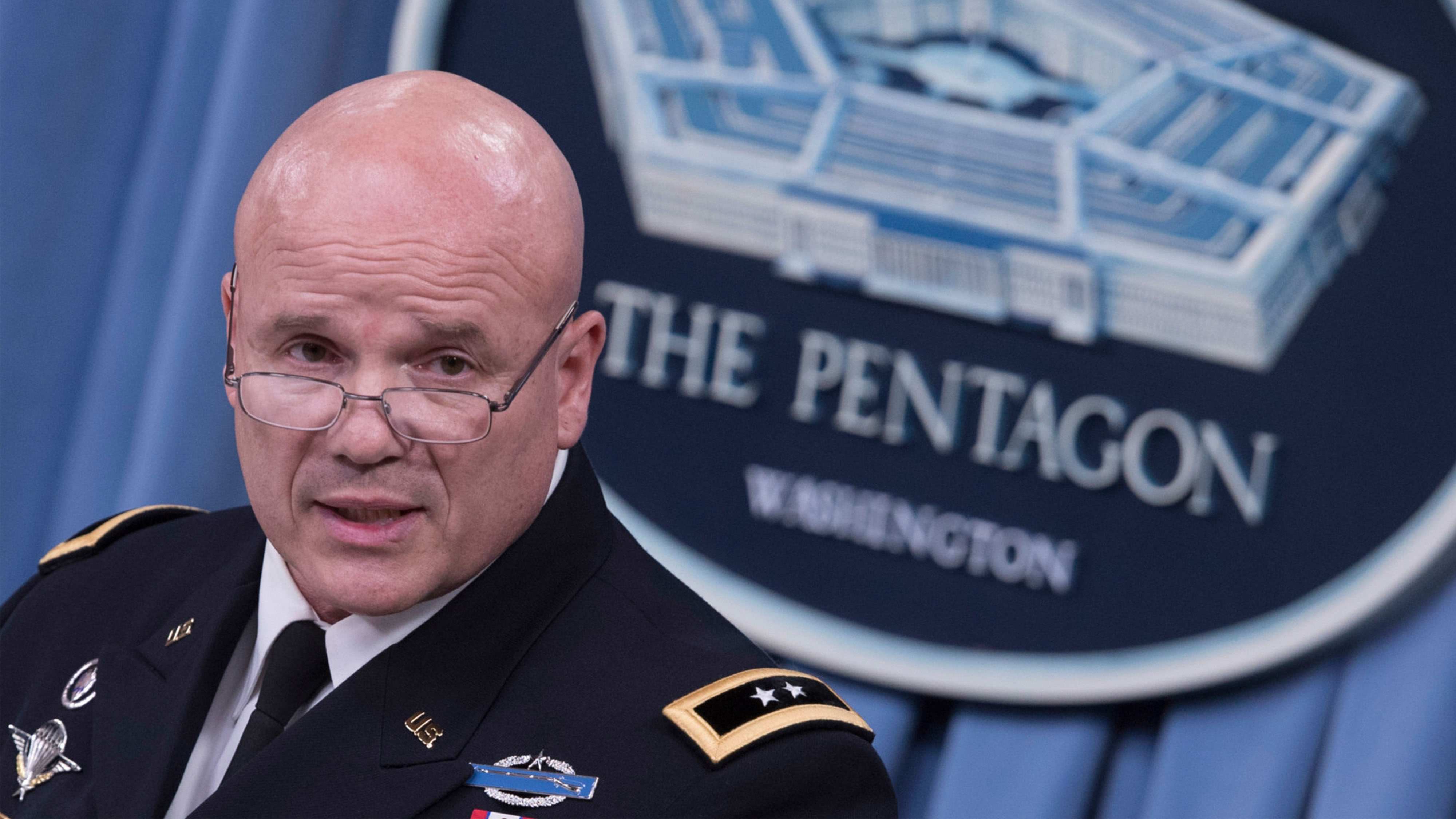
A series of contributing factors led to the deadly attack on US and Nigerien forces in Tongo Tongo last October, according to a report summarized Thursday by the Pentagon.
"The direct cause of the enemy attack in Tongo Tongo is that the enemy achieved tactic surprise there, and our forces were outnumbered there approximately three to one,” Major General Roger Cloutier, the lead investigating officer, said.
The report details that three US Special Forces soldiers were killed during the main part of the firefight and staff sergeant La David Johnson managed to run 960 meters (over 1,000 yards) before he was killed.
Another factor in the incident, according to the report summary, was a US commander mistakenly ordered an attempt to go after a local ISIL leader.
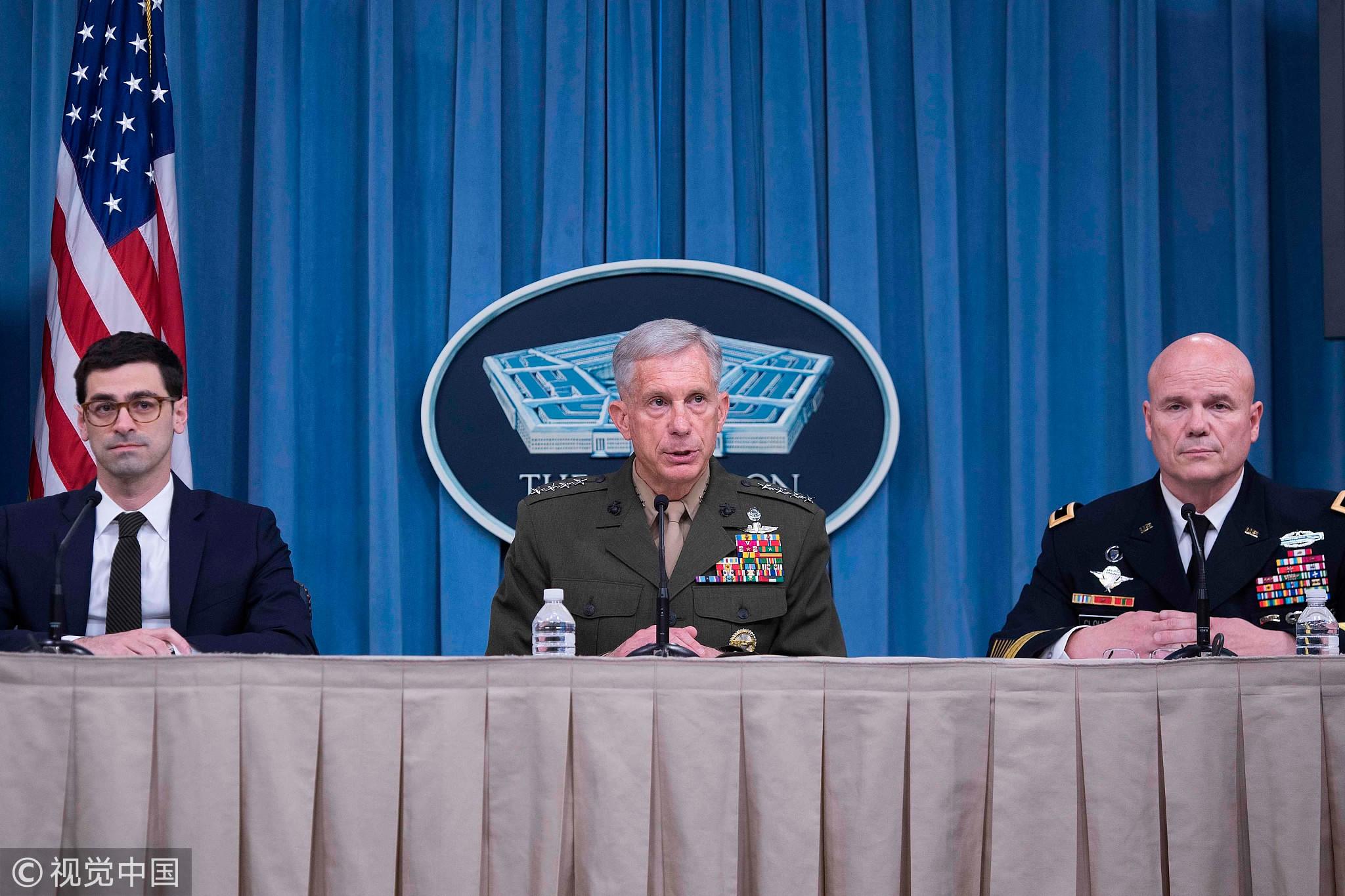
Assistant secretary of defense for International Security Affairs, Robert Karem (L), commander of US Africa Command General, Thomas Waidhauser (C) and chief of staff for US Africa Command Major General, Roger Cloutier Jr., speak during a press briefing at the Pentagon in Washington, DC, on May 10, 2018, on the results of the investigation into the October 4, 2017 ambush on US soldiers in Niger. /VCG Photo
Assistant secretary of defense for International Security Affairs, Robert Karem (L), commander of US Africa Command General, Thomas Waidhauser (C) and chief of staff for US Africa Command Major General, Roger Cloutier Jr., speak during a press briefing at the Pentagon in Washington, DC, on May 10, 2018, on the results of the investigation into the October 4, 2017 ambush on US soldiers in Niger. /VCG Photo
"Had the first mission been properly characterized, it would have been required to have been approved at a higher level. And by being approved at a higher level it would have received more oversight from the chain of command,” major general Cloutier said.
"That higher level chain of command would have decided what resources were required to support the mission.”
The unit was not properly equipped, had not properly trained as a team, was not prepared for this mission, and was not able to effectively communicate with the Nigerien forces, the summary states.
General Thomas Waldhauser, the head of US Africa Command, said they have now adopted a more prudent strategic approach across the chain of command, improved equipment, and enhanced the availability of armored vehicles.
US defense secretary Jim Mattis has now directed General Waldhauser to take immediate steps to address shortfalls, and has given senior leaders four months to complete a review and lay out a plan for additional changes.