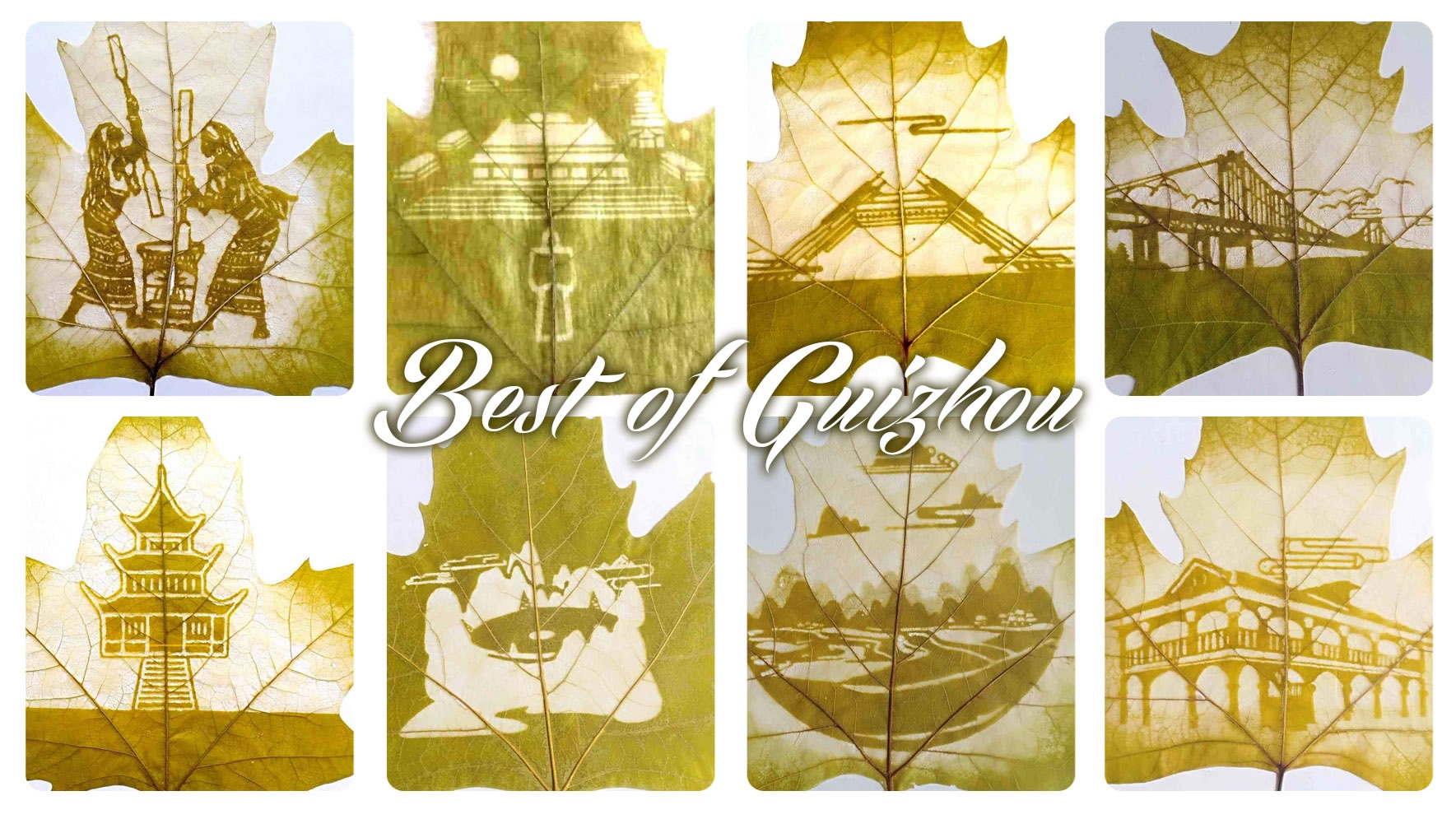
Home to multi-ethnic minorities and cavernous gorges, Guizhou is a mountainous and largely undiscovered province in southwest China. The region is distinct from much of China; its karst landscape is listed as a UNESCO world heritage site and holds numerous massive caves and lakes.
Born and raised in Guizhou, Wang Bo expressed his love for his hometown by carving popular local attractions, including the FAST telescope and Beipanjiang Bridge on tree leaves. Since October 2015, Wang has collected fallen tree leaves and turned them into art.
We’ve put together highlights of his work, offering you a glimpse of the beauty this region has to offer.
FAST telescope: With a whopping 500 meter wide dish, the size of 30 football fields, FAST is by far the world’s largest telescope and is able to detect radio signals from distant planets.
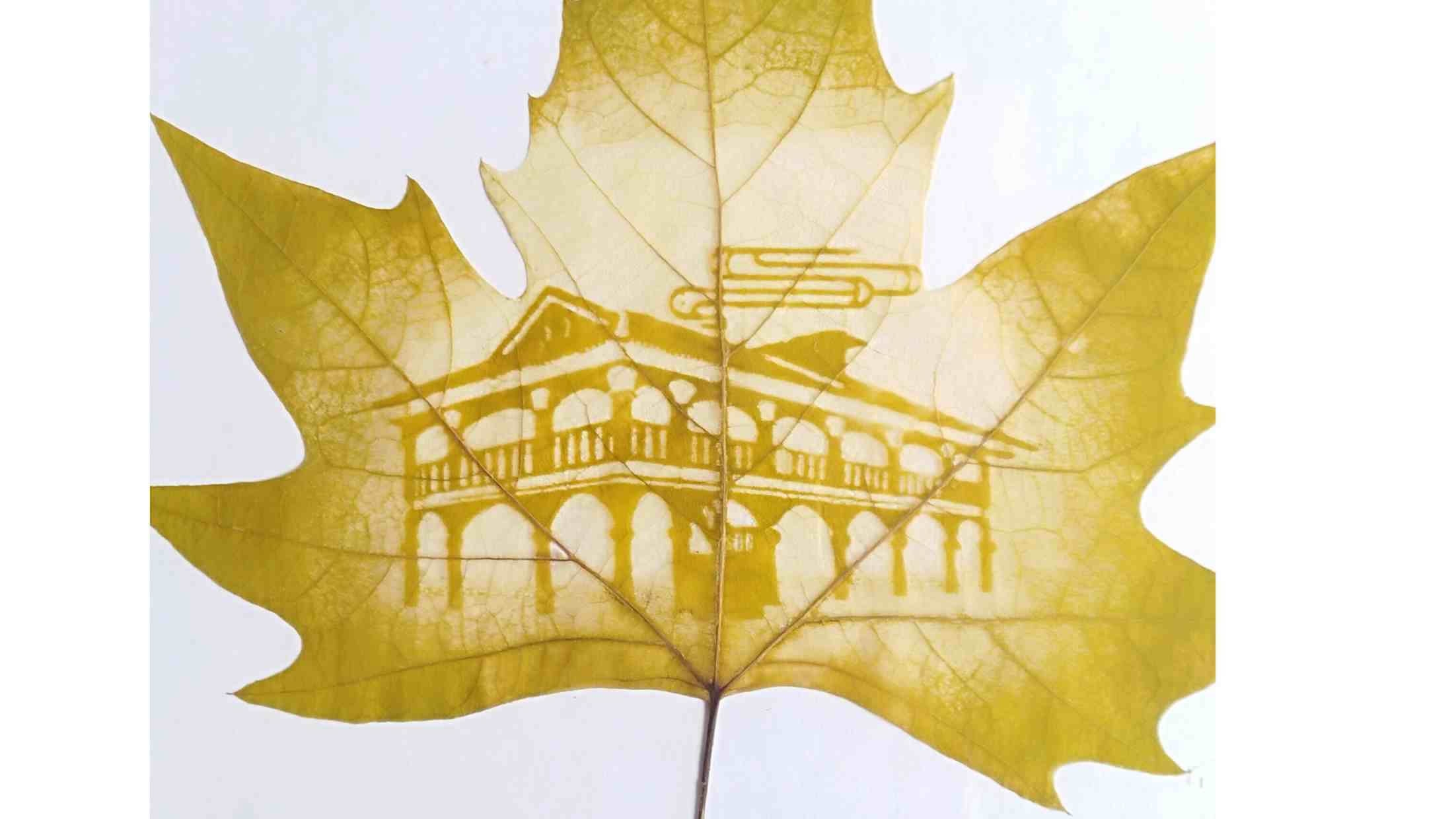
The Zunyi Conference venue: The ruling Communist Party of China’s first enlarged Politburo conference was held here in January 1935 during the famous Long March. The venue is a north facing, two story building with a brick-wood structure, and it is now a museum.
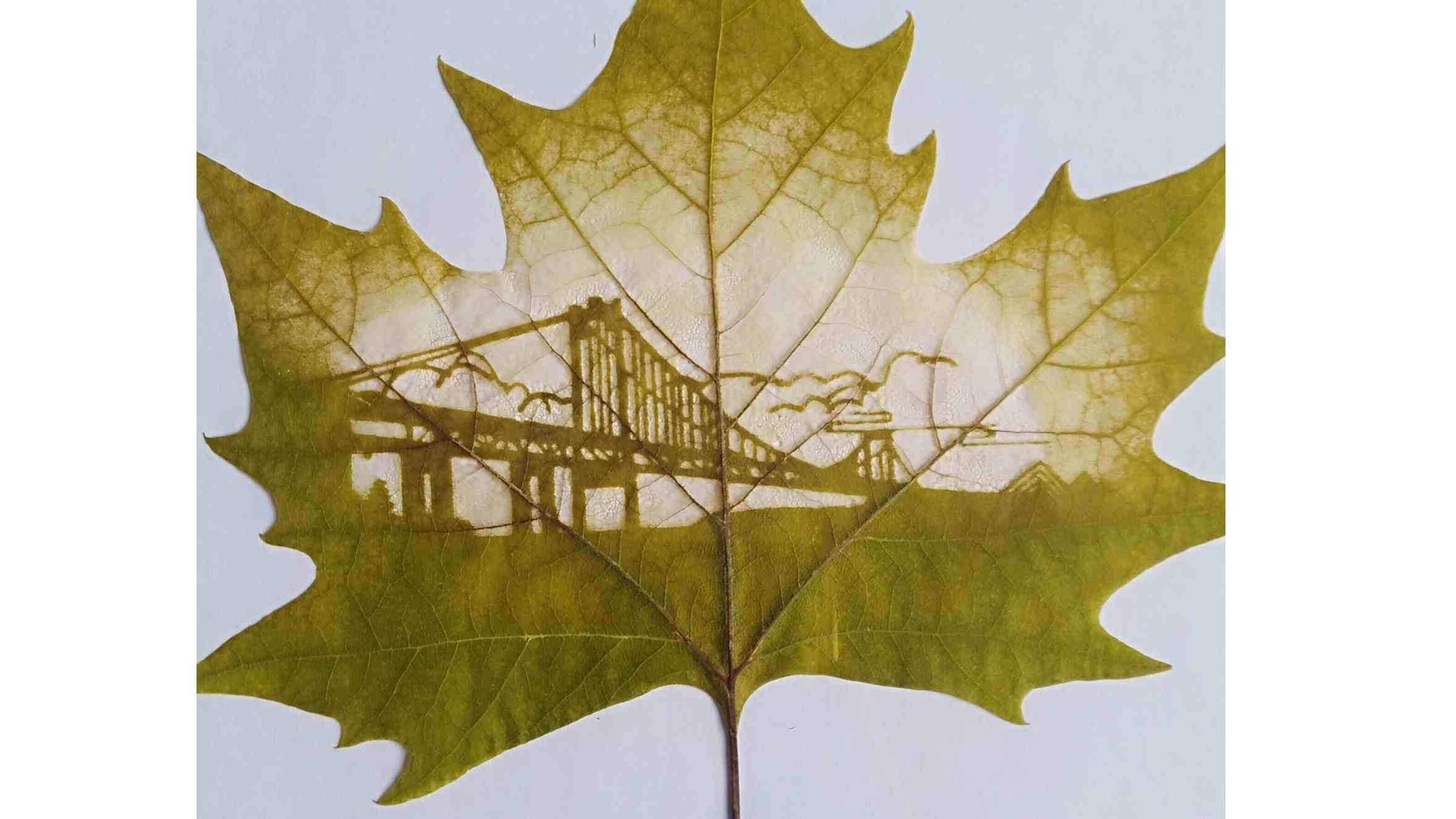
Beipanjiang Bridge: The Beipanjiang bridge soars 565 meters above a river, overtaking the Si Du River Bridge in the central province of Hubei as the world’s highest bridge. It has been open to public traffic since the end of 2016.

The Guiyang Confucius Academy: At around 88 hectares, the Confucius Academy in Guiyang City comprises of a public education area where lectures were given, the Chinese culture study area which lets scholars immerse themselves into traditional Chinese cultures and the culture innovation industrial park, which is a place for tourists to pick up souvenirs.
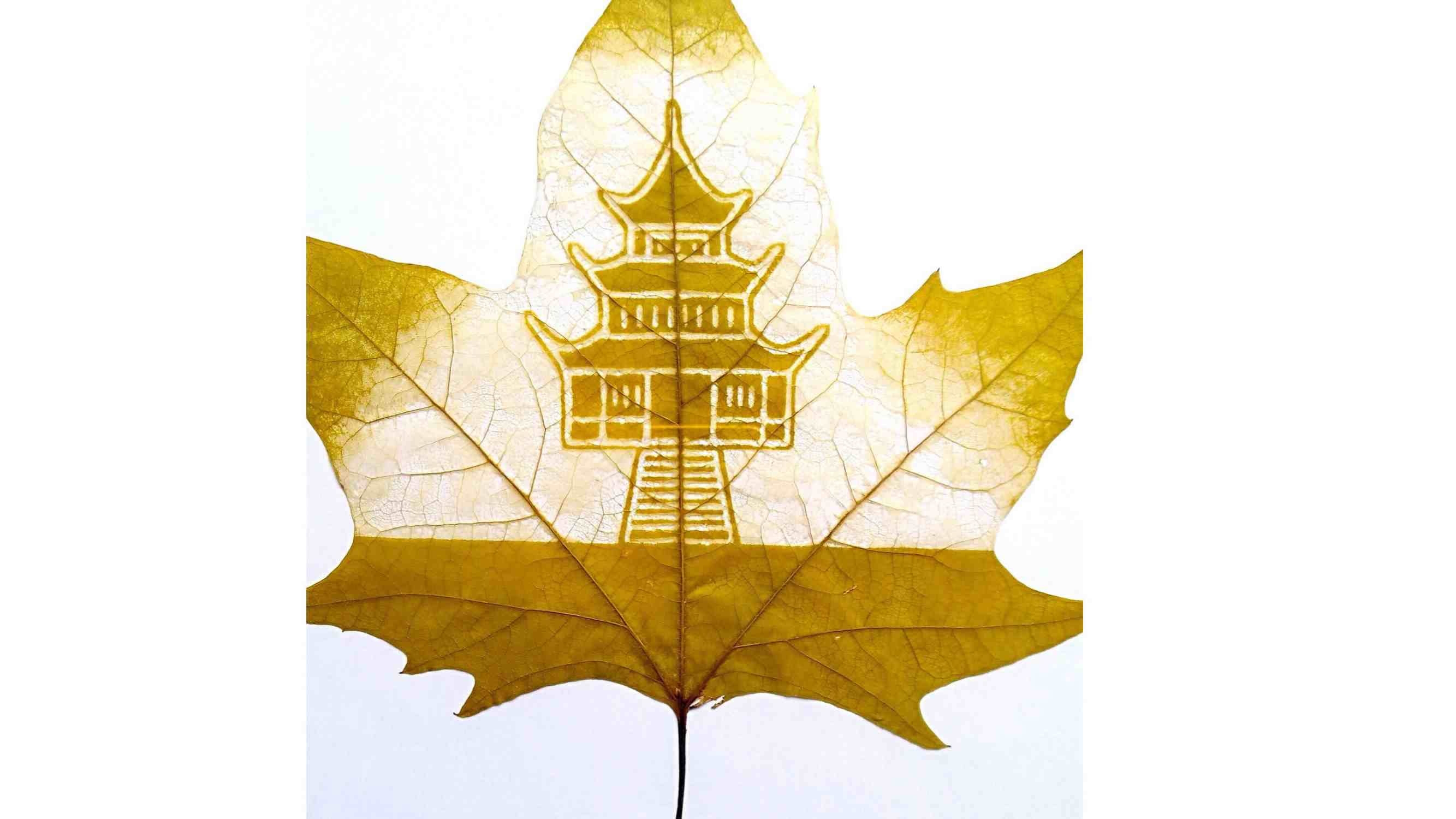
Jiaxiu Pavilion: The Jiaxiu Pavilion was built in 1589, and it sits on a giant rock in Guiyang City's Nanming River. This triple-roofed building stands 20m high and is one of the city major landmarks. The forecourt is adorned with two iron columns, one dating from 1732 and the other from 1797. Visitors can get a commanding view of the surrounding scenery from the top of the pavilion.
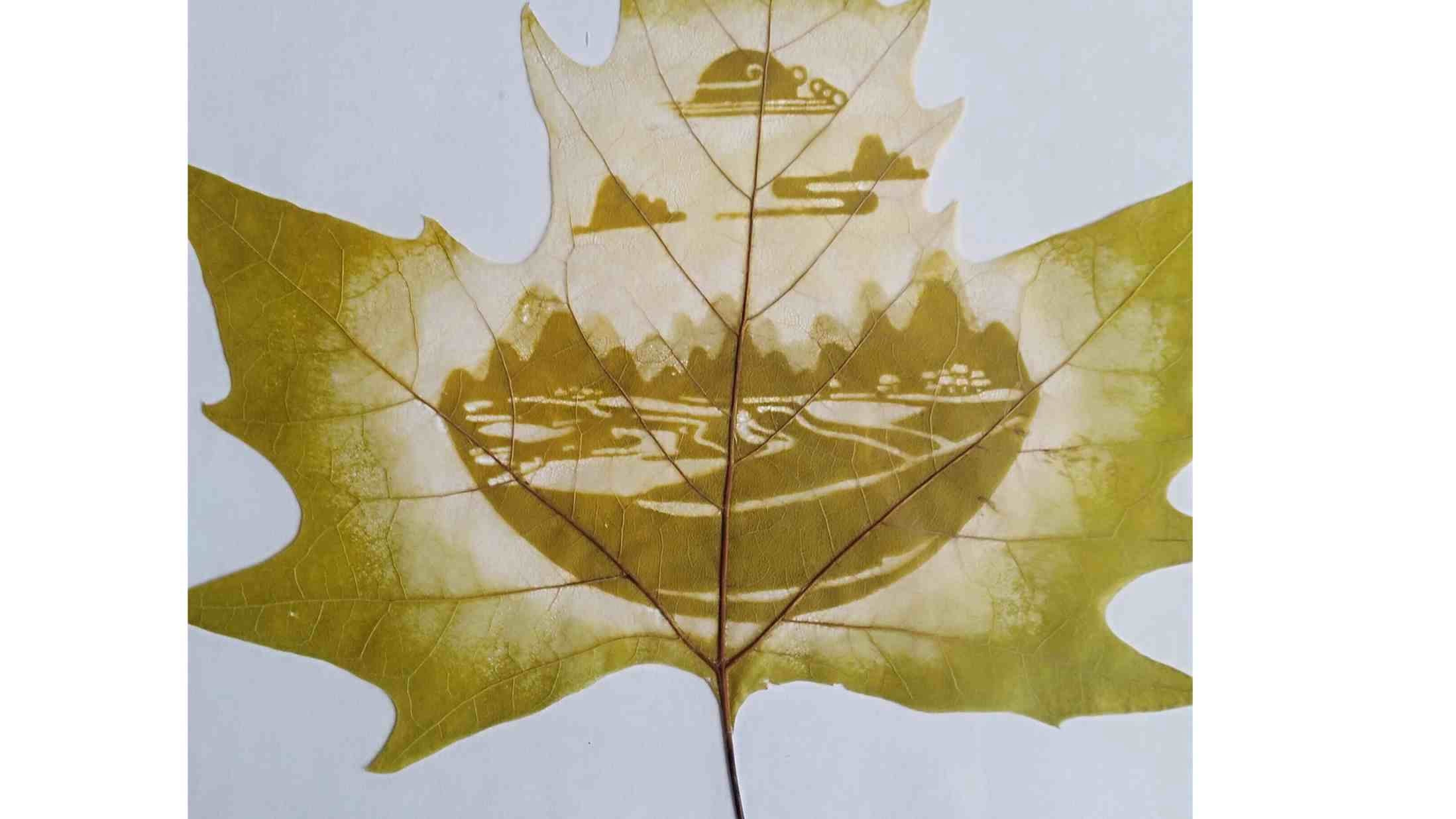
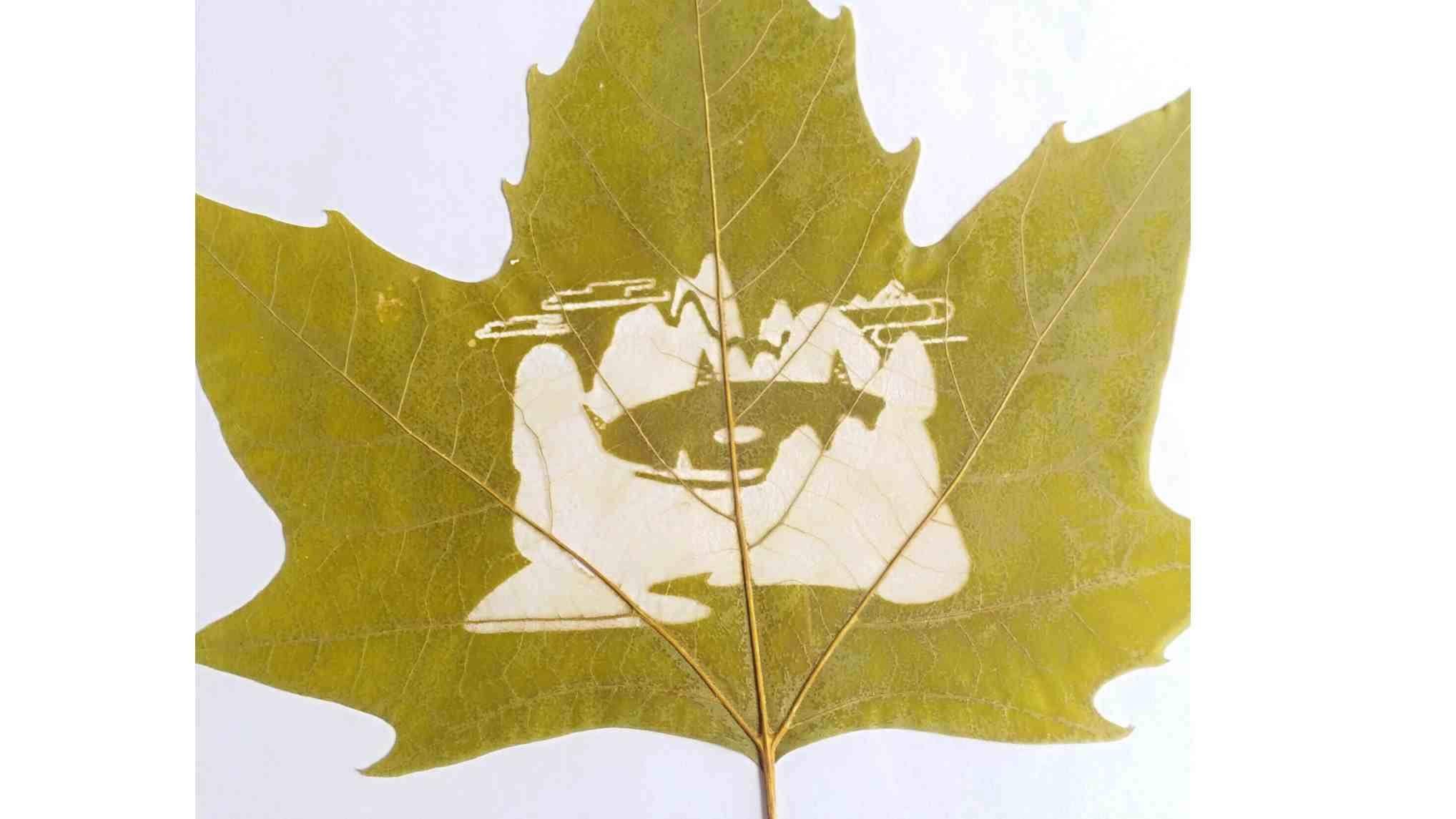
Wanfenglin/Ten Thousand Peaks Forest: Wanfenglin is a part of the State-level Maling River Canyon scenic area in the Xingyi City of Guizhou Province. Known for its unique karst landscape and beautiful scenery, Wanfegenlin attracts both domestic and international visitors and is ranked by the China Geography Magazine as one of the six most beautiful peak forests in China.
(Pictures are provided by Wang Bo)