
Culture
21:21, 08-Jul-2018
Chinese cities roll out anti-bullying measures
Updated
21:02, 11-Jul-2018
 ["china"]
Share







Copied
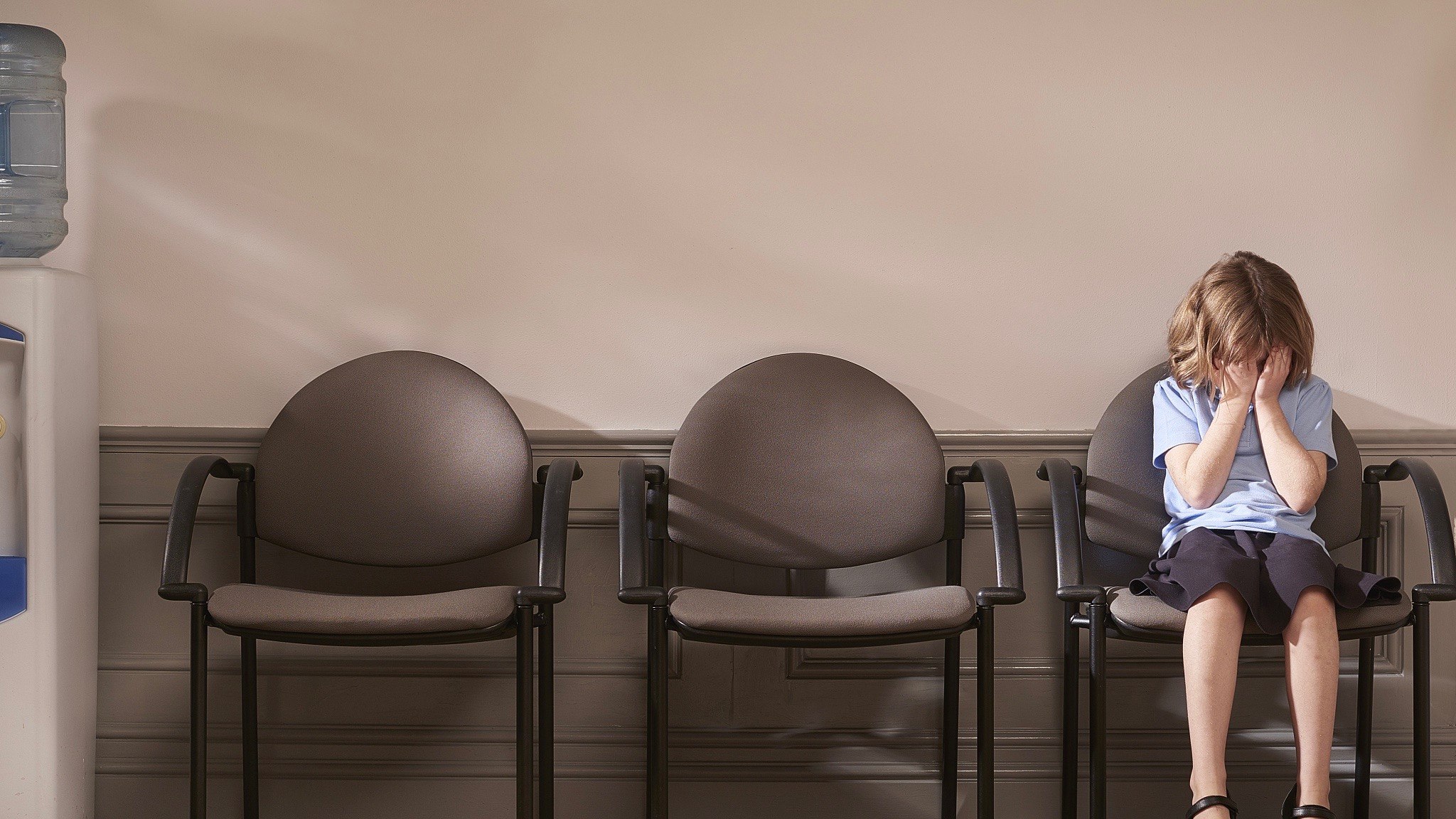
School violence
among students in China has come to the forefront in recent years, partly due
to viral posts on the country's social media, where frustrated parents write
about the physical and psychological abuse their children suffer,
often with little help from educators.
Municipal
governments in China are implementing plans to combat school bullying
in the face of growing public recognition of an entrenched, but often
unaddressed, problem.
In 2016, a mother
detailed on China’s Twitter-like Weibo how two boys dumped a trash
can filled with used toilet paper on her 10-year-old son, but when
she brought up the issue at the school in Beijing, her son’s
teacher thought the boys had simply taken a joke too far. She added
that after the incident, her son was diagnosed with acute stress disorder,
which is caused by severe anxiety.
Last December, the
Ministry of Education and other state-level institutions released a comprehensive plan targeting bullying in primary and secondary
schools, calling for explicit punishments such as expulsion and even
criminal penalties if one engages in such behavior. Similar guidelines
were issued in 2016, holding officials responsible for addressing
school violence in their districts.
Local
government initiatives are now rolling out accordingly. The education
department in north China’s Hebei Province, for instance, stated in
a press release on Friday that it will set up a provincial task force
and hotline to address bullying. A district in Beijing urged schools
to report a case ten minutes within an incident, reported Xinhua News
Agency.
What do we know about bullying?
As bullying can
happen in private places such as restrooms, parents and teachers often aren't able to directly observe instances of the abuse. But there are
signs that someone is suffering, according to the US
government website Stop Bullying. They include having unexplainable
injuries, feigning sickness, and a lower self-esteem. More serious
behaviors involve thoughts of self-harm or suicide.
As for the notion
that bullies are unpopular individuals, a study in 2000 found that
many highly aggressive males from fourth to sixth grade are actually
among the most socially connected, according to the American
Psychological Association (APA).
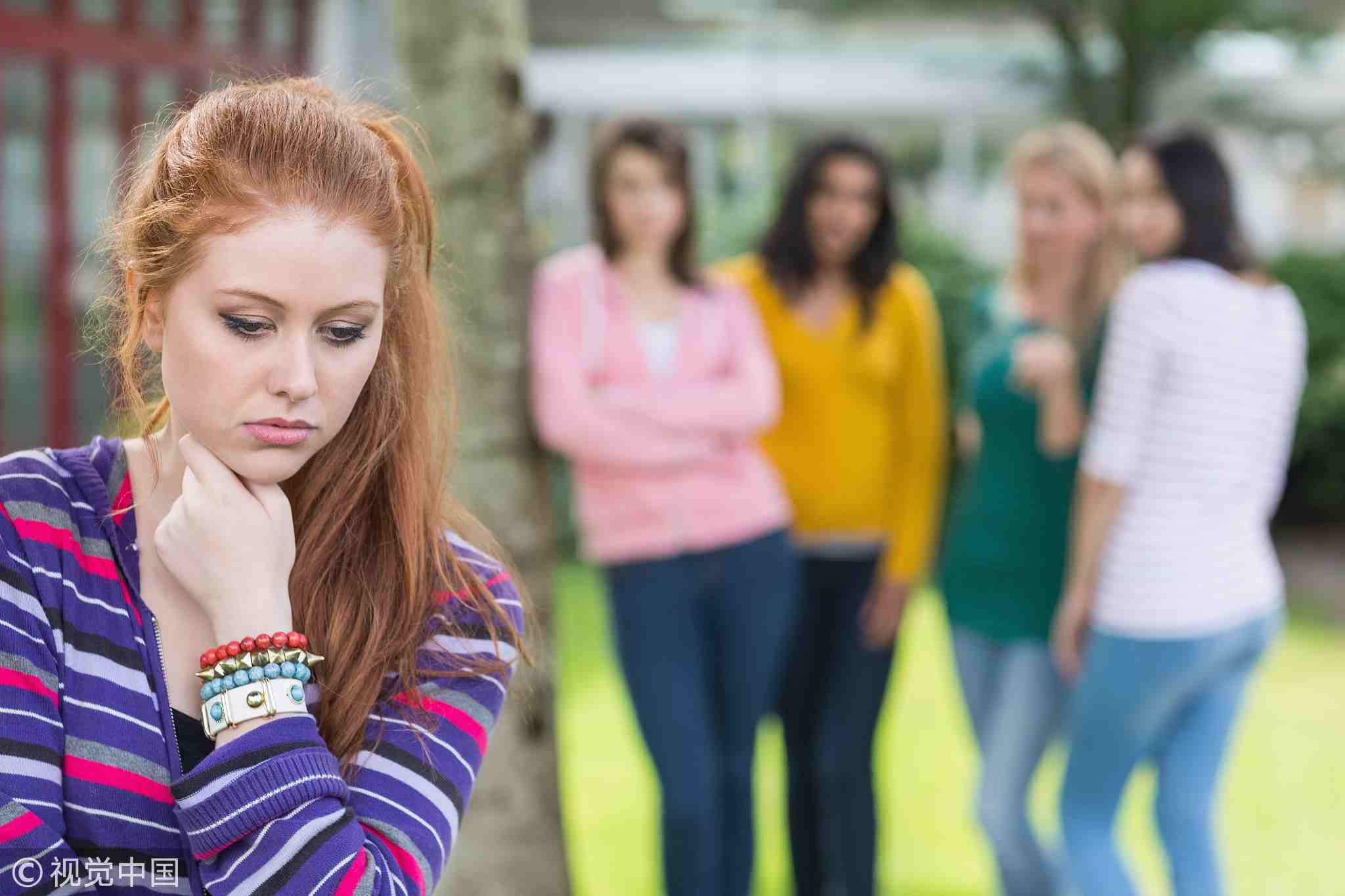
The American Psychological Association states that though bullying is a greater problem for boys, girls also suffer, though through more indirect ways such as being excluding from a group and manipulation of friendship. /VCG Photo
The American Psychological Association states that though bullying is a greater problem for boys, girls also suffer, though through more indirect ways such as being excluding from a group and manipulation of friendship. /VCG Photo
Once bullying is
identified, it is important to address it, the APA notes. Instead of
telling the child to brush off the abuse, parents are advised to have
a conversation to understand what’s really going on, offer children support by helping them deal with bullying when it happens, and
then address the school or report serious incidents to the police.
If a child is being
bullied, the association suggests standing your ground while telling
the bully to stop or walking away, but not reverse bullying. Tell a
parent, teacher, or another authority figure you trust as soon as you
can.
All of this may be
easier said than done, since some children may not want to ask for help,
says Stop Bullying. Aside from not wanting to be seen as a
tattletale, they may think that no one cares about them even if they
do tell, or they fear that adults might judge or punish them for being weak.
The resource asserts
that it’s important not to apply labels such as “victim” or
“bully,” instead addressing the behavior by calling them the
“child that bullied” or the one that “got bullied,” so that
they see the act as something that can be changed. Supporting the
kids involved throughout the process is an important thing that both parents and educators can do.