
Opinions
14:24, 25-May-2018
Opinion: On the Korean Peninsula, game will go on
 ["north america","other","Asia"]
Share







Copied
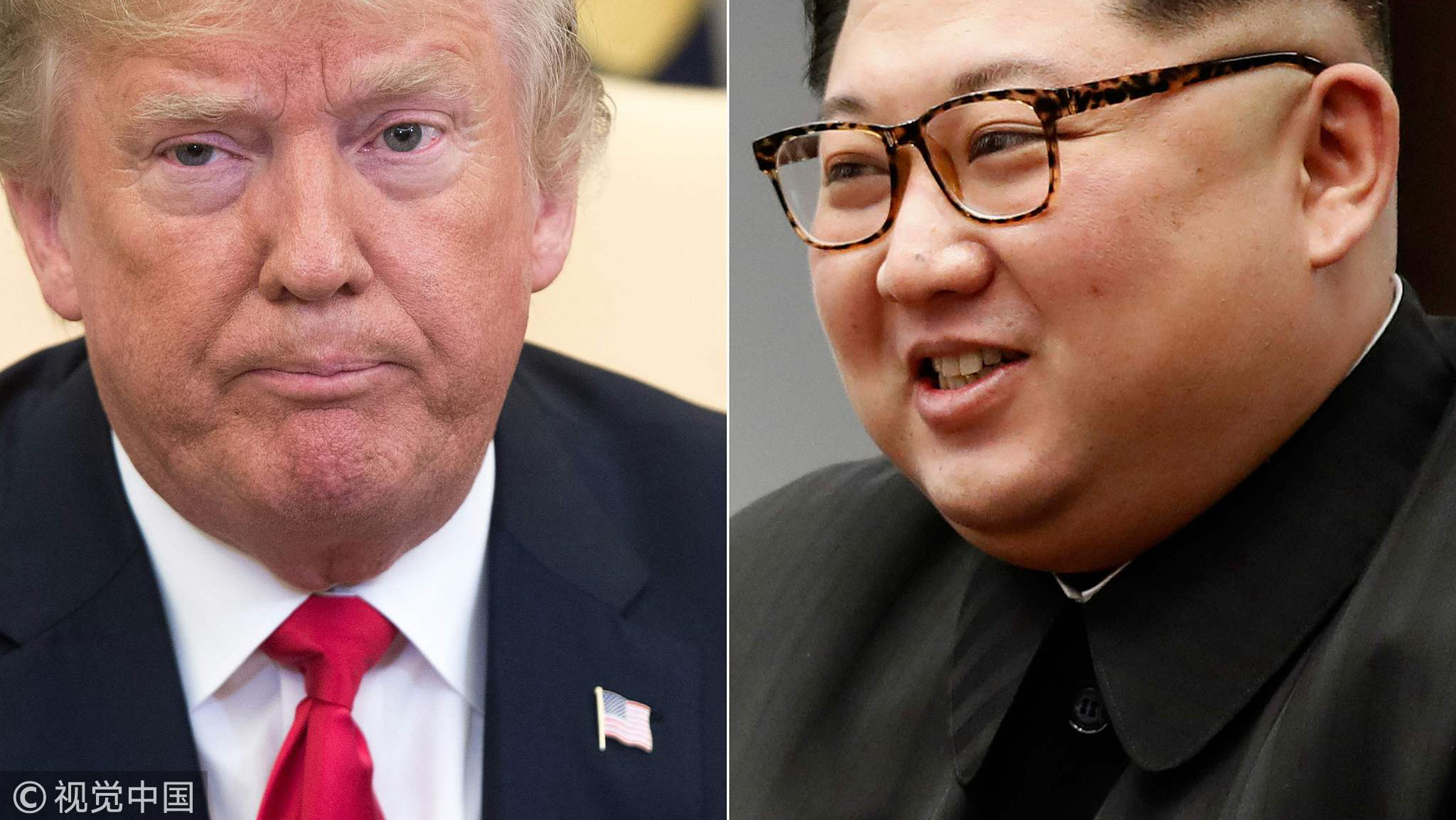
Editor's note: The author is a reporter for CGTN Opinion. Lyu Chao, director of the Border Study Institute at the Liaoning Academy of Social Sciences in northeast China, was interviewed.
Donald Trump sent a breakup letter to Kim Jong Un in typical Trumpesque style late Thursday night. The move caught not just Pyongyang but the rest of the world by surprise.
While Trump lamented "a truly sad moment" in aborting his summit with Kim, the international community lamented that Washington squandered all the efforts put in by regional stakeholders and reverted the developments on the much-blighted peninsula back to a stalemate.
The wayward president made the announcement just hours after the Democratic People's Republic of Korea (DPRK) blew up tunnels and observation buildings at its Punggye-ri nuclear test site, which was hailed by international journalists as the first substantial step to denuclearization despite lingering doubt that the facility will probably be restored for future use.
Furthermore, the DPRK already released three American citizens as a goodwill gesture toward thawing ties with the US ahead of the Singapore summit slated for June 12.
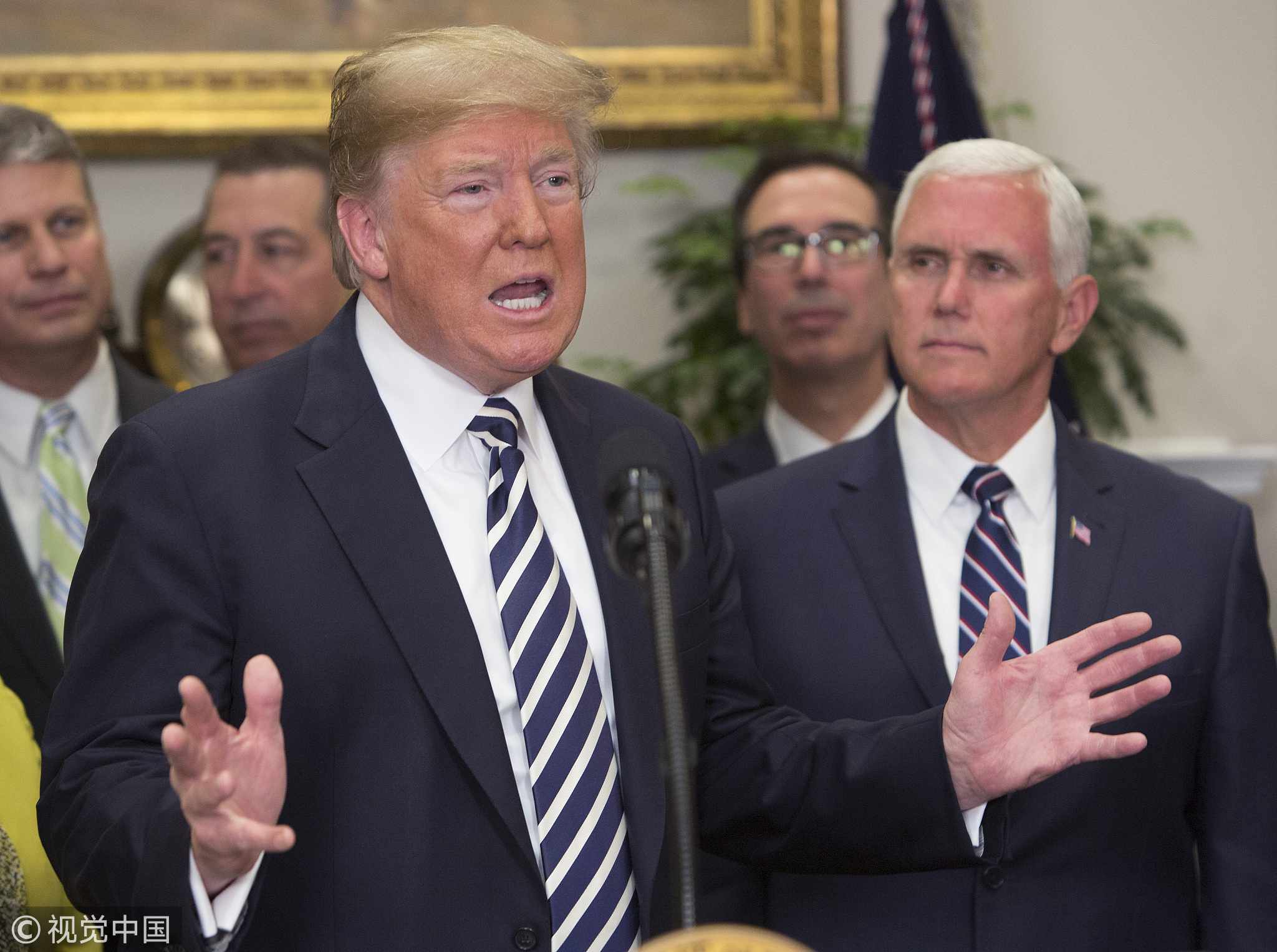
US President Donald Trump answers a reporter's question on the cancellation of talks with the DPRK at the White House in Washington, DC, May 24, 2018. /VCG Photo
US President Donald Trump answers a reporter's question on the cancellation of talks with the DPRK at the White House in Washington, DC, May 24, 2018. /VCG Photo
"Trump made a very clumsy decision, plunging himself in a moral low ground," Korean Peninsula expert Lyu Chao told CGTN. The US president cited "tremendous anger" and "open hostility" displayed by Pyongyang as reasons for calling off the highly-anticipated summit.
Such rhetoric is groundless because the war of words between Washington and Pyongyang could date back to May 9, when a DPRK Foreign Ministry spokesman reproached the White House for spoiling the mood for dialogue. Back then, the Trump administration said the Panmunjom Declaration clinched at the historic inter-Korean summit was a result from the US-led economic sanctions and military pressure.
Trump's latest attitude can largely be attributed to the powerful pro-establishment camp in his house, said Lyu, director of the Border Study Institute at the Liaoning Academy of Social Sciences in northeast China. The pro-establishment camp, crammed with pro-status quo hawks, demands an all-in-one approach to the DPRK's nuclear disarmament.
Mike Pompeo, the new Secretary of State succeeding the milder Rex Tillerson, subtly replaced the parlance of "complete, verifiable, irreversible dismantlement" (CVID) of the DPRK's nuclear programs with the term "permanent, verifiable, irreversible dismantlement" (PVID). US National Security Advisor John Bolton suggested that Pyongyang follow the "Libyan model" and ship nuclear warheads and missile launchers out to the US. And US Vice President Mike Pence went further into this swirl, warning Kim that his country would "end like the Libyan model ended" if he fails to make a nuclear deal.
As Trump revealed he could likely accept Kim's phased approach to denuclearization, the pro-establishment politicians were fearful that the president might make political concessions.
In addition, a number of China hawks in the US Congress and Pentagon mistakenly believe that Kim's willingness to negotiate with Trump partly derived from Beijing's engagement. They were reluctant to see China playing a more central role in Asia-Pacific affairs.
It's also reported that President of the Republic of Korea (ROK) Moon Jae-in somehow exaggerated Kim's will to talk with Trump. "Kim Jong Un has never said he hoped for a success for the Singapore summit," said Lyu.
With the gut decision to cancel the summit, Trump shapes up the US as a "rogue state," which he had used frequently to refer to the DPRK. The Wall Street Journal quoted a source as saying the White House is mulling "potential military action, new sanctions and other paths forward" against Pyongyang.
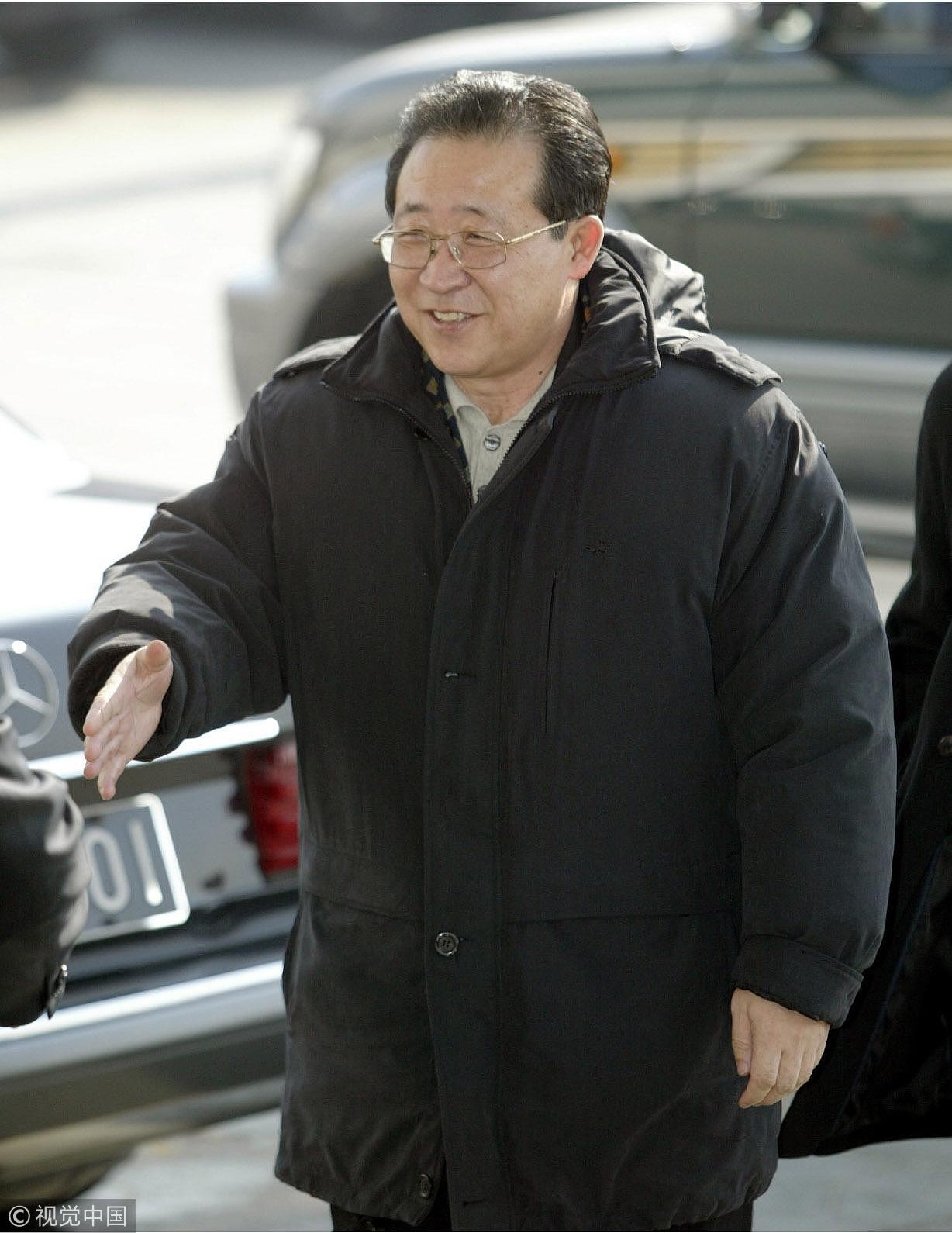
Kim Gye Gwan, the DPRK's First Vice Foreign Minister, leaves for Pyongyang after participating in a meeting on the DPRK nuclear issue in Beijing, China, on February 10, 2004. /VCG Photo
Kim Gye Gwan, the DPRK's First Vice Foreign Minister, leaves for Pyongyang after participating in a meeting on the DPRK nuclear issue in Beijing, China, on February 10, 2004. /VCG Photo
In contrast, Kim Gye Gwan, the DPRK's First Vice Foreign Minister, expressed regret at Trump's abrupt decision and also willingness to "sit face-to-face at any time in any form to resolve the problem" in a statement on Friday morning. The generous response has put Kim on a moral high ground and made the already bizarre scenario even more embarrassing for the White House.
It tossed the ball to Trump, who was ecstatic for possibly winning a Nobel Peace Prize for the détente with the DPRK. With his move, how could he watch this opportunity slip away?
Across the pond, Kim has become the winner in this game. Within the past few months, he managed to quench the tensions with the ROK, cement traditional ties with China, and promote the image of his country on the world stage.
With such substantive progress, the momentum to forge peace on the Korean Peninsula cannot be easily interrupted. The worst-case scenario is that the region will backtrack to the tense brinksmanship, as it had been in over the past seven decades. "But a full-blown war will unlikely erupt because the US has insufficient capital, power, time and space to provoke a war," Lyu noted.
The cancellation of the Singapore summit is not the end of this short, turbulent episode in history. Trump said he would open the door for diplomacy just hours after bidding goodbye to the negotiation, but he still blamed Pyongyang for the debacle.
The story is far from over. On the Korean Peninsula – the largest powder keg in the Asia-Pacific region – the game will go on.
(Cover Photo: US President Donald Trump (L) during a meeting in the Oval Office of the White House in Washington, DC, May 17, 2018, and DPRK leader Kim Jong Un (R) during the inter-Korean summit in the Peace House building on the southern side of the truce village of Panmunjom on April 27, 2018. /VCG Photo)