
Opinion
11:08, 31-May-2019
The U.S. – a world superpower abusing its power
 ["china"]
Share







Copied
Editor's Note: Ebrima Jallow is a Gambian journalist currently attending the China-Africa Press Centre 2019 program in Beijing. The article reflects the author's opinion, and not necessarily the views of CGTN.
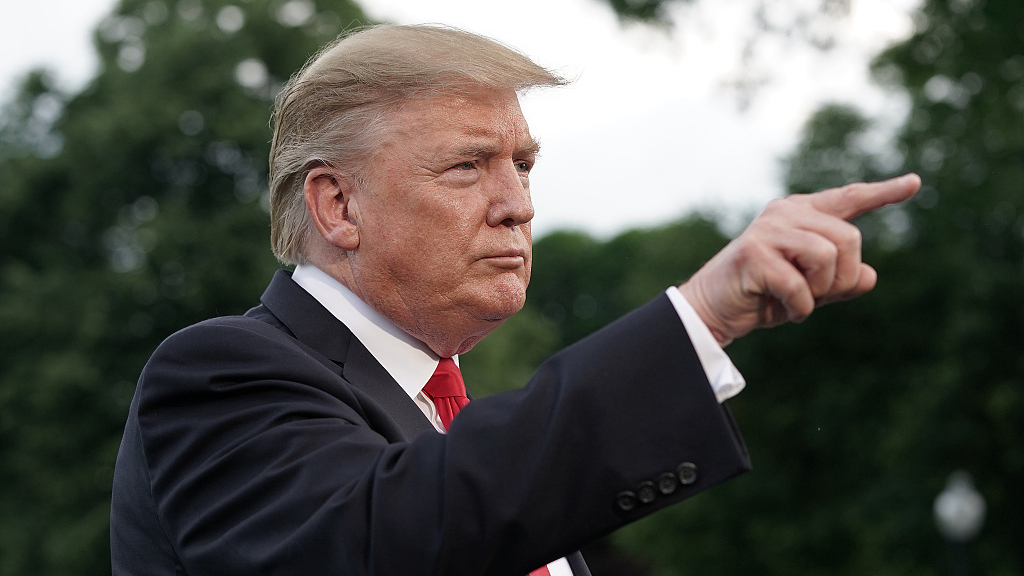
On May 25, U.S. President Donald Trump announced the deployment of 1,500 military troops to the Middle East. The reason was simply bent on the "protection'' of the world's most powerful nation. The move came amid rising tensions with Iran, one of the most powerful countries in the region.
The question is: Was it necessary for the U.S to deploy military forces to the Middle East in the first place when both Washington and Tehran are allegedly not willing to war despite all odds?
The answer is not far-fetched.
In the interest of global peace, the move was absolutely not necessary, because it could trigger violence, and potentially a war which both countries have labeled as "unwanted."
As a superpower, the U.S. could have taken the lead in the quest for global peace-building and paved the way for global economic prosperity. Unfortunately, there is no sign of such in the manners of the current U.S. leadership and this simply means abuse of power.
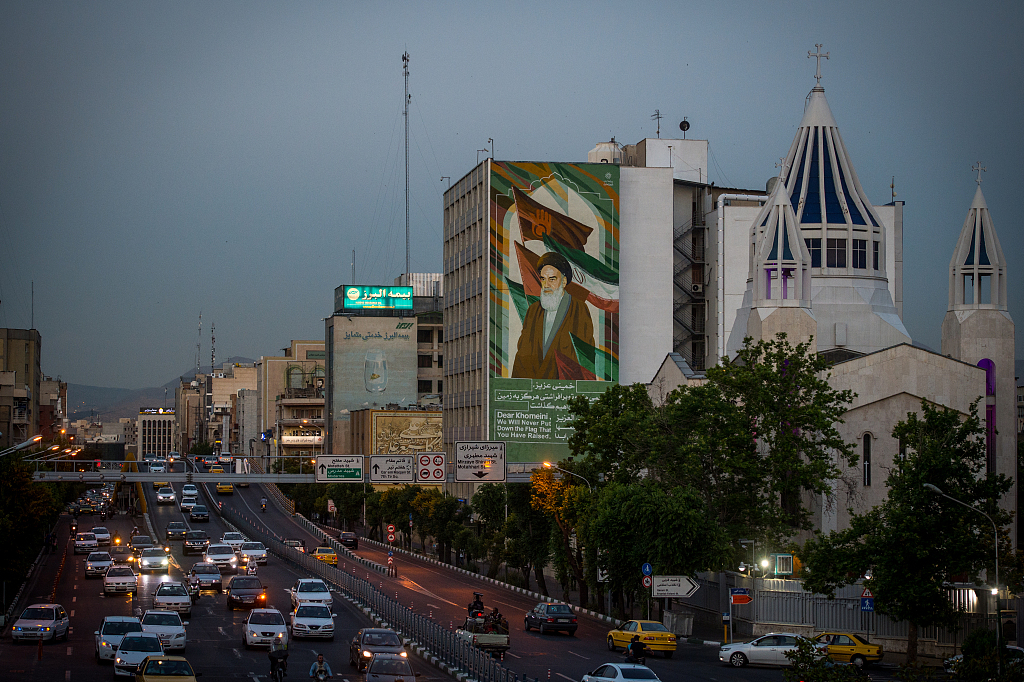
Saint Sarkis Cathedral stands alongside a mural depicting Ruhollah Khomeini, founder of the Islamic Republic of Iran, in Tehran, Iran, May 18, 2019. /VCG Photo
Saint Sarkis Cathedral stands alongside a mural depicting Ruhollah Khomeini, founder of the Islamic Republic of Iran, in Tehran, Iran, May 18, 2019. /VCG Photo
In the not-so-distant past, the U.S, supported by its allies, mainly the United Kingdom, invaded Iraq in a similar fashion. In 2003, former U.S. president George W. Bush ordered the U.S.-led military campaign.
Similar to Trump's cliches, Bush had said the move was meant to "disarm Iraq, free its people and defend the world from a grave danger'' allegedly posed by then Iraqi leader Saddam Hussein and his suspected weapons of mass destruction.
Unfortunately today the world is again threatened by escalating tensions that risk another far-reaching catastrophe, as a war of words play out between Trump's administration and that of his Iranian counterpart Hassan Rouhani.
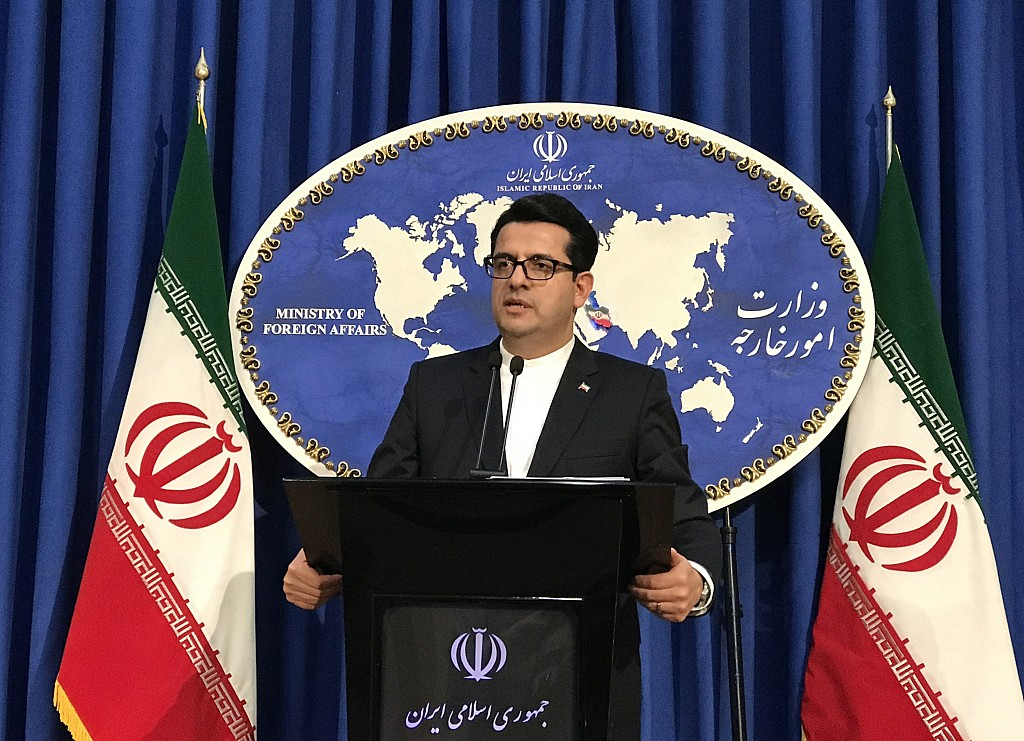
Iran's Foreign Ministry spokesman Abbas Mousawi holds a press conference at the Foreign Ministry building in Tehran, Iran, May 28, 2019. /VCG Photo
Iran's Foreign Ministry spokesman Abbas Mousawi holds a press conference at the Foreign Ministry building in Tehran, Iran, May 28, 2019. /VCG Photo
The world has seen enough graphic images of bombardment in the Middle East in the recent past. In fact, the killings of millions of innocent civilians in Syria, fueled by many regional and international players seem to continue.
The United Nations and other international peace advocacy bodies are witnessing it all. Meanwhile, a good number of U.S. citizens, including politicians, have made it explicitly clear that they stand against the latest U.S. military move in the Middle East out of fear of a possible fresh conflict that could lead to another global trouble.
One of the U.S. presidential aspirants Bernie Sanders, said in his first home-state political rally on Saturday that instead of spending trillions of dollars on weapons every year, threatening world peace, the U.S. government under Trump should focus on fixing persisting problems such as gun violence and climate change threats.
"I will do everything in my power to prevent a war with Iran,'' he promised in sharp contrast to Trump's style of administration.
The Middle East has had its share of destruction and bloodshed. It is therefore painful to watch a superpower taking a military approach in dealing with geopolitical issues with Iran, which could spontaneously trigger war.
I think resorting to the negotiating table would be the only answer to whatever threats or concerns embodied in the rising tensions between Tehran and Washington.
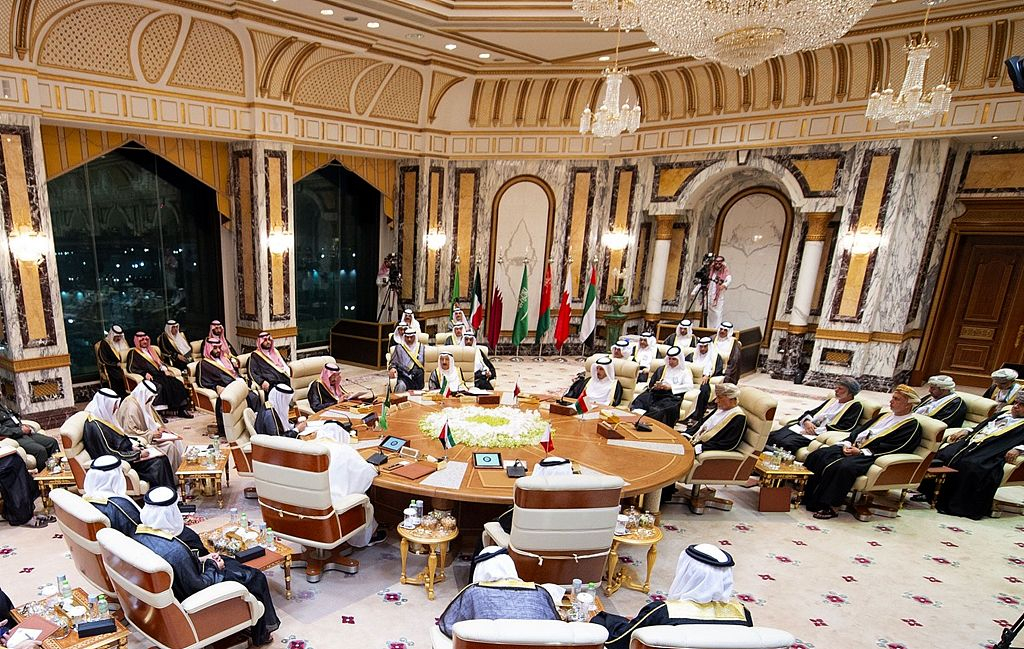
A general view of Gulf Cooperation Council (GCC) summit held at al-Safa Royal Palace in the Saudi holy city of Mecca , May 31, 2019. /VCG Photo
A general view of Gulf Cooperation Council (GCC) summit held at al-Safa Royal Palace in the Saudi holy city of Mecca , May 31, 2019. /VCG Photo
The issue was on the agenda of two summits in Saudi Arabia on Thursday, as Riyadh, a close ally to Washington, is trying to put pressure on Iran over its alleged nuclear weapons and affiliations to terrorist movements in the region.
My position in this piece is to recognize and emphasize the need for peace and unity in the world and prevent any divisive action.
I believe this can only be achieved if a superpower like the U.S. is willing to listen to other stakeholders and act accordingly based on mutual respect. Unless the White House starts thinking in this way, many will continue to believe it is misusing its power.
(If you want to contribute and have specific expertise, please contact us at opinions@cgtn.com.)