
Travel
12:55, 31-May-2018
Tourism provides new lease of life, improves local social welfare
 ["china"]
Share







Copied

Southwest China's Sichuan Province is expected to welcome more than 100 million visitors and generate a revenue of 50 billion yuan (7.83 billion US dollars) in the "red tourism" sector this year, said Lyu Zhijun, deputy inspector of the Sichuan Tourism Development Committee.
The term refers to tourism centered around prominent sites from China's revolutionary period.
This year marks the 40th anniversary of China's reform and opening-up and the province's Year of Red Tourism.
The province attaches great importance to the innovative development of high-quality travel routes, services and marketing of the red tourism industry this year.
Sichuan not only aims to honor the country's history and make tourism resources more available, but also in doing so, hopes to help alleviate poverty and contribute to building a more beautiful, prosperous and harmonious Sichuan.
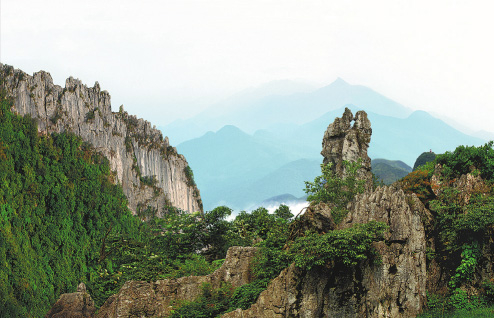
The craggy peaks of Huaying mountain in Guang'an, Sichuan Province. /China Daily Photo
The craggy peaks of Huaying mountain in Guang'an, Sichuan Province. /China Daily Photo
In the meantime, Sichuan will promote cooperation with France, Germany and other countries with rich red tourism resources to build famous international tourism routes and products and improve the international influence of the province.
According to the provincial government, Sichuan will launch an initial five red tourism integrated development demonstration zones and continue the construction of a Sichuan tourism park to accelerate the integration of culture and tourism.
Working with universities and scientific research institutions, Sichuan officials will build innovative development and research bases to boost the potential of red tourism.
Sichuan will promote the construction of tourism infrastructure at nine classic red tourism sites, develop new red tourism routes and integrate red tourism with education and culture, as well as the agriculture and technology sectors.
Yuan Yuan, deputy director of Sichuan Tourism Development Commission's industry development office, said that the Sichuan red tourism sites include Liangshan, the Long March in Ngawa Tibetan and Qiang Autonomous Prefecture, residence of famous people in history, and northeastern regions in the province, which are important areas of inheritance of the red spirit.
Guang'an City, as the hometown of Deng Xiaoping, "chief designer" of China's reform and opening-up, will launch a Deng memorial exhibition.
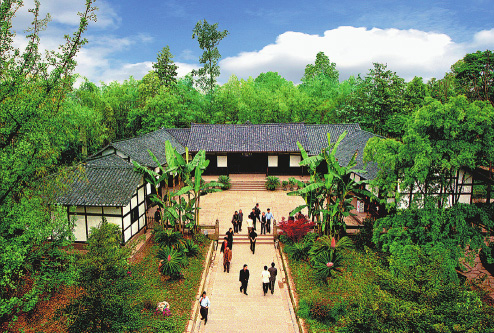
Visitors at Deng Xiaoping Memorial Hall in Southwest China's Sichuan Province. /China Daily Photo
Visitors at Deng Xiaoping Memorial Hall in Southwest China's Sichuan Province. /China Daily Photo
The 2018 Huaying mountain tourism culture festival will include a Deng Xiaoping-themed day to cherish the memory of the leader on August 22, Deng's birthday.
During the three-day May Day holiday, the Deng Xiaoping Memorial Hall launched events, such as offering flowers to remember Deng and providing free films that attracted a large number of tourists.
According to official statistics, a total of 107,500 tourists visited the Deng Xiaoping Memorial Hall, far more than the number of people who have visited Guang'an in previous years.
In addition, Guang'an is strengthening its cooperation with Chongqing to build a Huaying mountain tourism development integrated mechanism and plans to open a Guang'an-Chongqing red tourism train.
Two regions will launch a photographic exhibition of the five-year achievements of Guang'an and Hechuan district in Chongqing and red travel activities including the Zhazi Cave Prison and Baigongguan Prison of Chongqing, the Deng Xiaoping Memorial Hall and Huaying mountain of Guang'an.
Sichuan's Panzhihua, the old iron and steel industrial city, holds a rich cultural heritage.
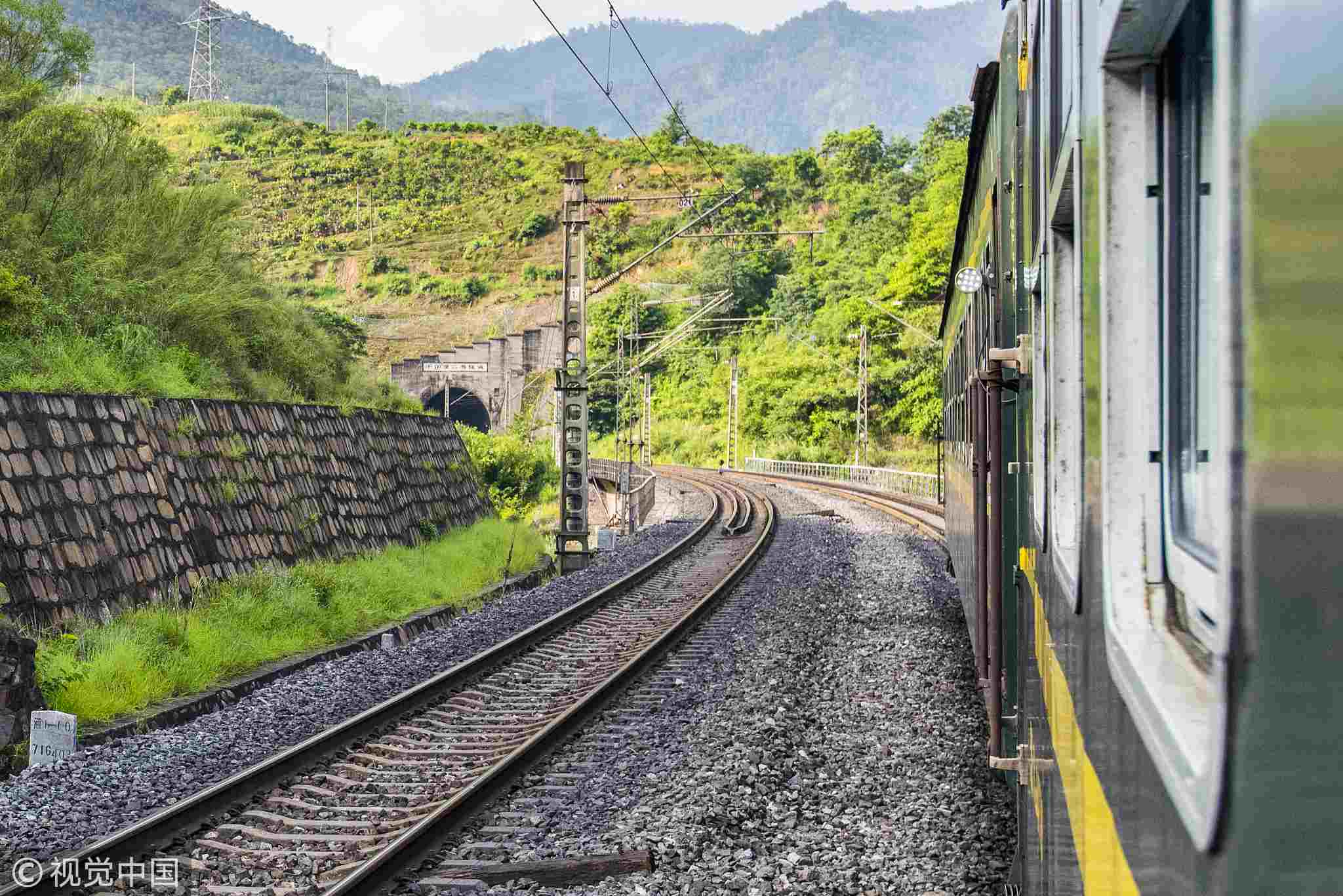
Sichuan's Panzhihua. /VCG Photo
Sichuan's Panzhihua. /VCG Photo
Yang Jun, director of the Panzhihua city cultural broadcasting press and publication bureau, said the city often invites experts and scholars to discuss heritage protection, inheritance, development and utilization of Panzhihua's cultural resources.
Panzhihua has made efforts to apply for national historical cultural city status and promotes integrated development and health care-related industries to assist the transformation of the city.
Source(s): China Daily