
Politics
19:28, 25-Apr-2018
America, the victim of external cyber threats?
 ["china"]
Share






Copied
02:57
"Putin and the Russian government developed a clear preference for President-elect Trump,” a declassified version of the January 2017 report by US agencies said. However, Russia denies these allegations.
Then in a press conference weeks later Trump said, “As far as hacking, I think it was Russia. But I think we also get hacked by other countries and other people.” So is America the victim of external cyber threats?
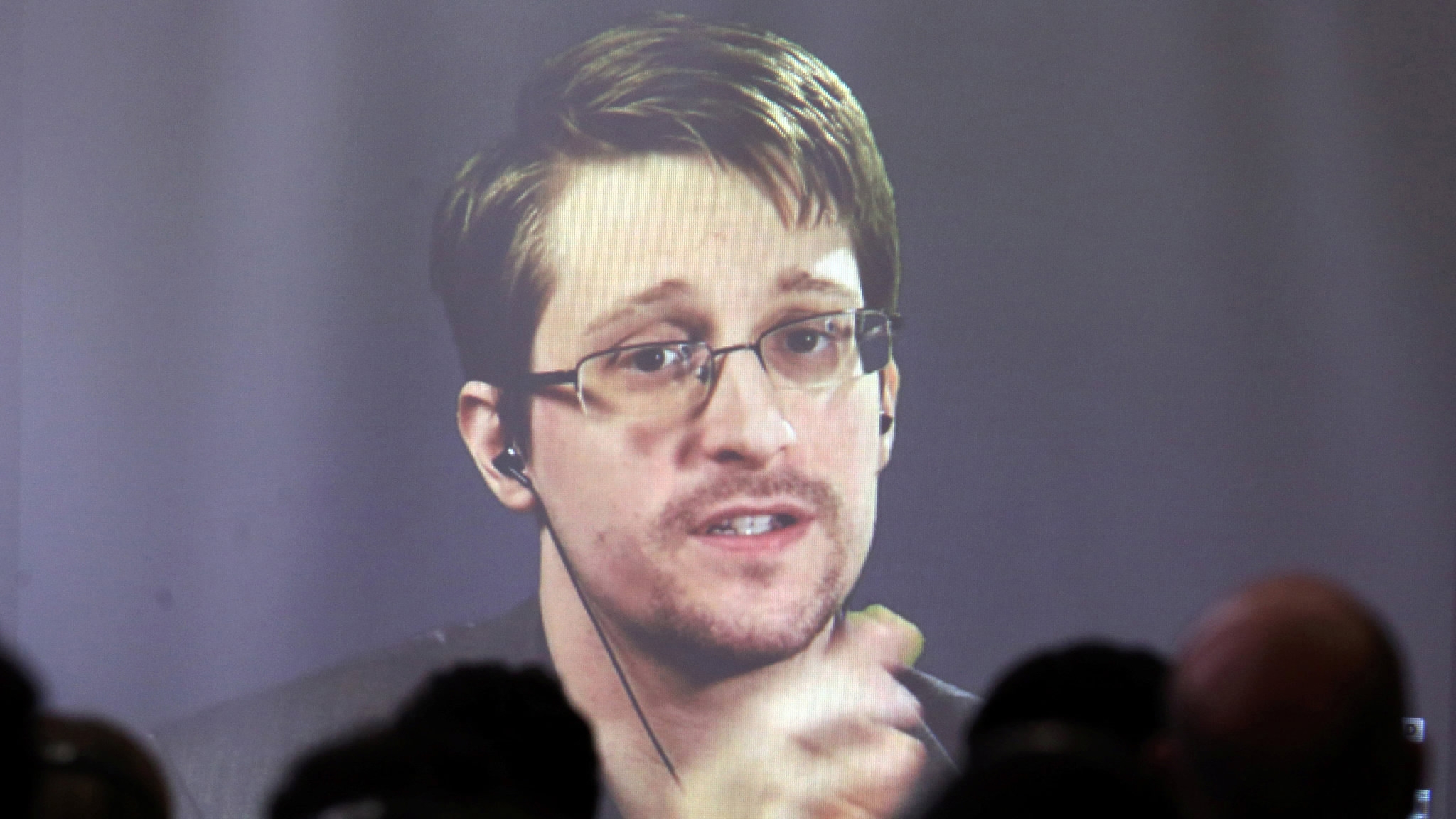
Edward Snowden, a former CIA employee, who became famous in 2013, provided the world with a surprising answer. He exposed the global surveillance system deployed by the National Security Agency (NSA).
"I can’t let the US government destroy internet privacy and freedom as well as basic liberties for people around the world," Edward Snowden said.
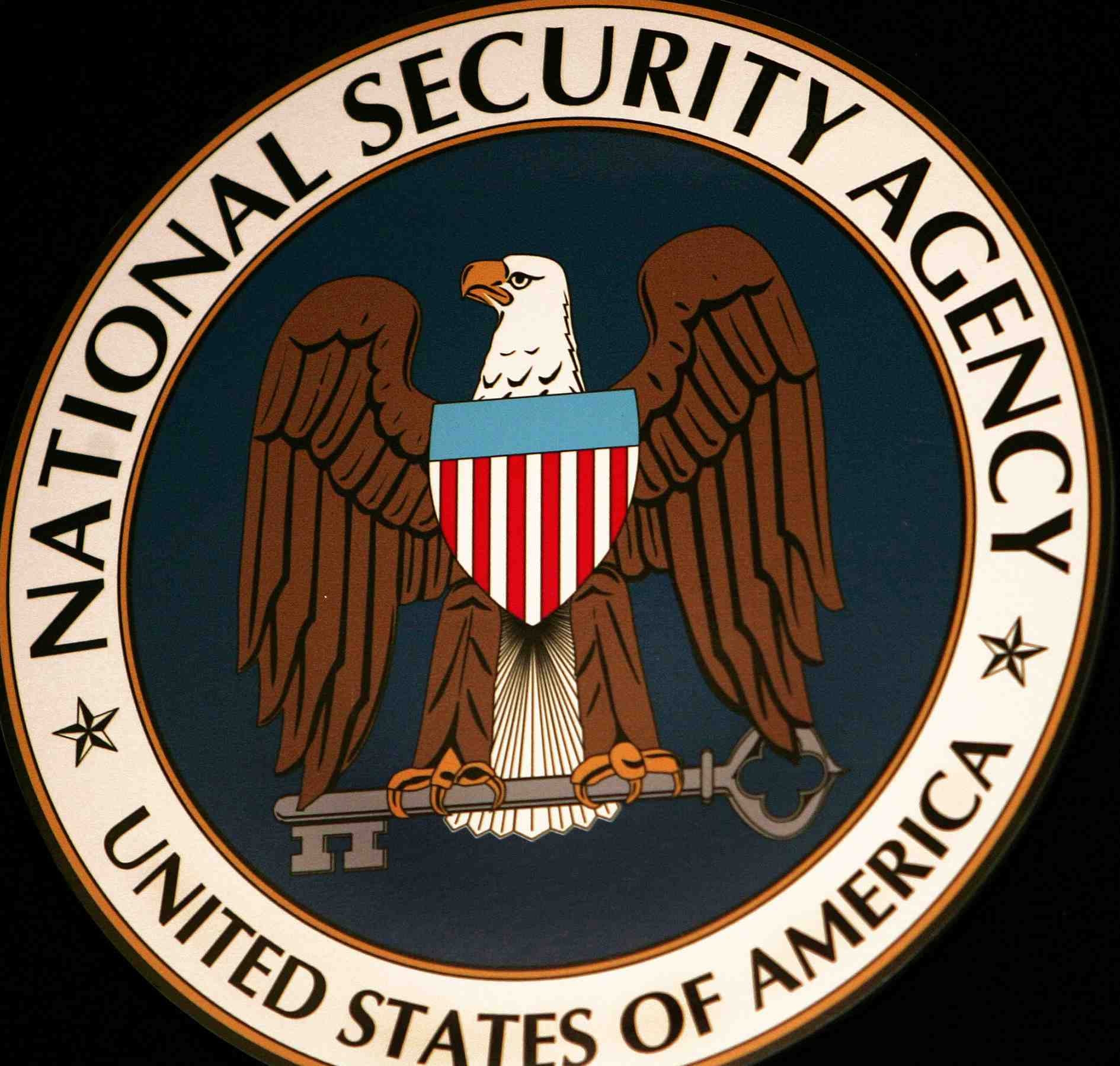
The logo of the National Security Agency (NSA) hangs at the Threat Operations Center inside the NSA in the Washington suburb of Fort Meade, Maryland, on January 25, 2006. /VCG Photo
The logo of the National Security Agency (NSA) hangs at the Threat Operations Center inside the NSA in the Washington suburb of Fort Meade, Maryland, on January 25, 2006. /VCG Photo
"The US government can get everything out of your Gmail account and they don't even need a warrant to do it if you are not an American but, say, a German," he added in an interview.
PRISM is a secret information-collecting program, developed by the NSA and also includes the Federal Bureau of Investigation (FBI) and Central Intelligence Agency (CIA). It began in 2007 and was leaked six years later by Edward Snowden through media.
PRISM involves the collection of data "directly from the servers" of several major Internet service providers, such as Microsoft, Google, Facebook, Skype and YouTube.
WikiLeaks said the NSA targeted 125 phone numbers of top German officials for long-term surveillance, including Merkel and her staff.
Back in 2009 US spies intercepted top-secret communications of then Russian President Dmitry Medvedev, during his visit to London. The details of the intercept of Medvedev’s communications were set out in a briefing prepared by the NSA.
The document entitled "Russian Leadership Communications in support of President Dmitry Medvedev at the G20 summit in London – Intercept at Menwith Hill station" was drafted in August 2009.
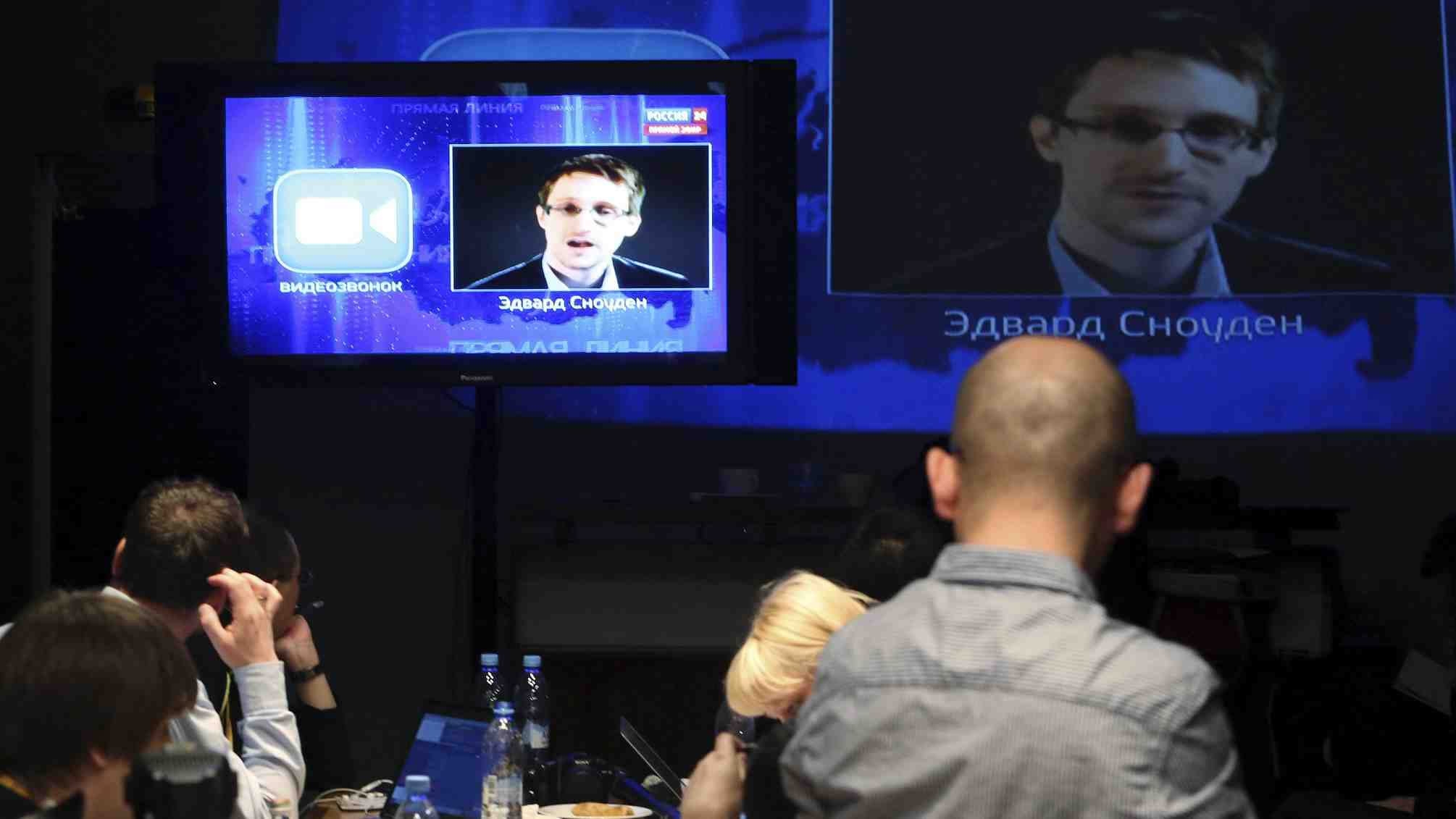
Journalists listen to a speech and a question posed by former US spy agency NSA contractor Edward Snowden, at a media centre during Russian President Vladimir Putin's live broadcast nationwide phone-in, in Moscow April 17, 2014. /VCG Photo
Journalists listen to a speech and a question posed by former US spy agency NSA contractor Edward Snowden, at a media centre during Russian President Vladimir Putin's live broadcast nationwide phone-in, in Moscow April 17, 2014. /VCG Photo
According to the Pew Research Center, most Americans believe it is acceptable to monitor others, except US citizens over the state of privacy in post-Snowden America.
The Pew Research Center also says that Americans express a consistent lack of confidence about the security of everyday communication channels and the organizations that control them, especially the use of online tools.
The US is trying to build up a public opinion that other countries control Americans much more than their own intelligence services. But do you still believe them?