
Opinions
16:43, 27-Jun-2018
Opinion: Voices of China and Africa need to be heard
Updated
15:46, 30-Jun-2018
 ["china"]
Share







Copied
Editor’s note: This article is based on an interview with Li Lianxing, secretary general of the China-Africa Report Project at Tsinghua University.
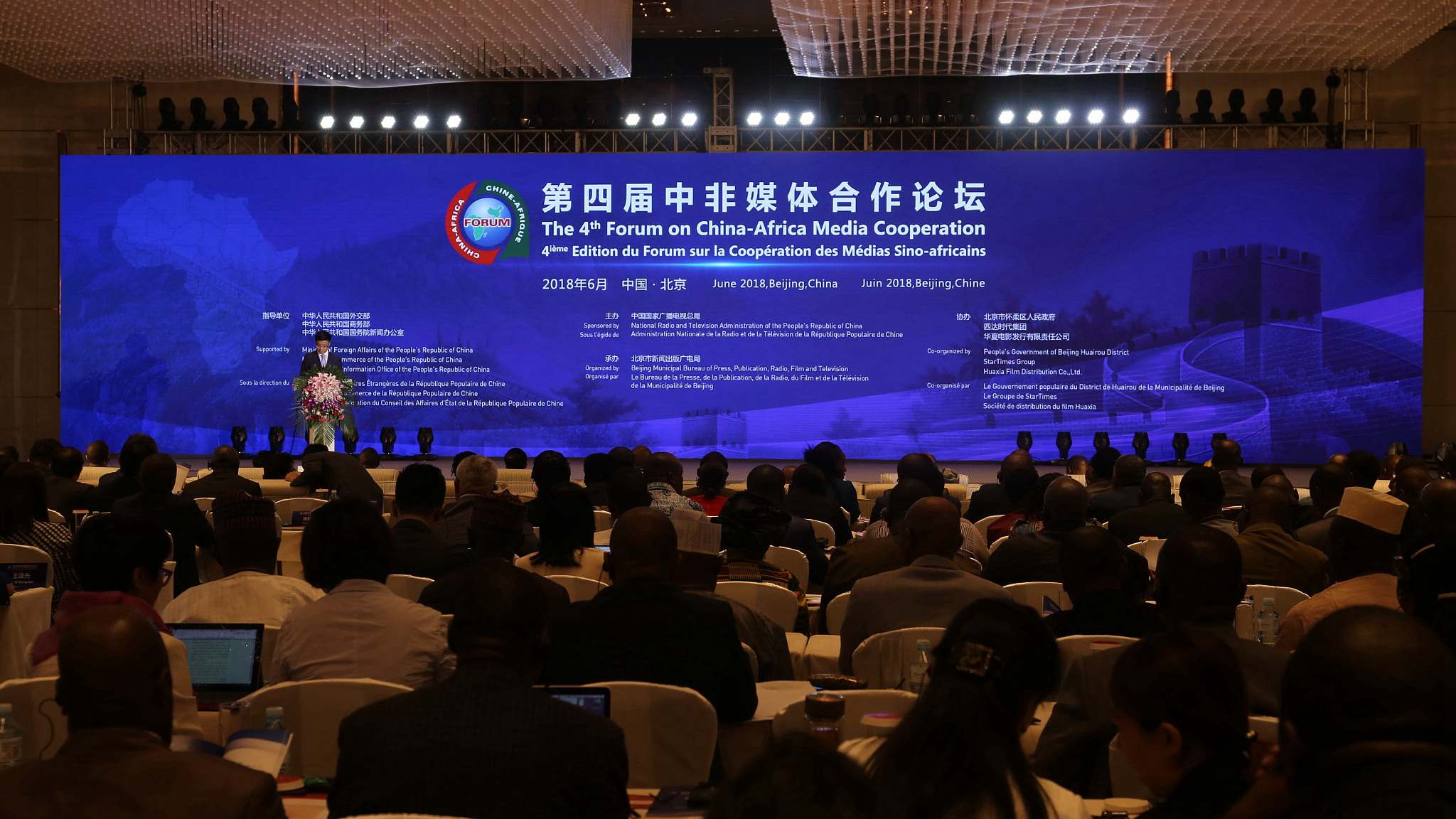
The fourth forum on China-Africa Media Cooperation is currently taking place in Beijing. At the forum, government representatives and media industry bigwigs called for a sense of urgency to seize opportunities brought forth by the advancements in technology, communication channels and more.
In the context of globalization, the media in China and Africa are faced with many challenges such as Western discourse hegemony, market competition and profound media transformation. China and Africa should strive to discourse on this power and present to the world a true and comprehensive China, as well as a beautiful and progressive Africa.
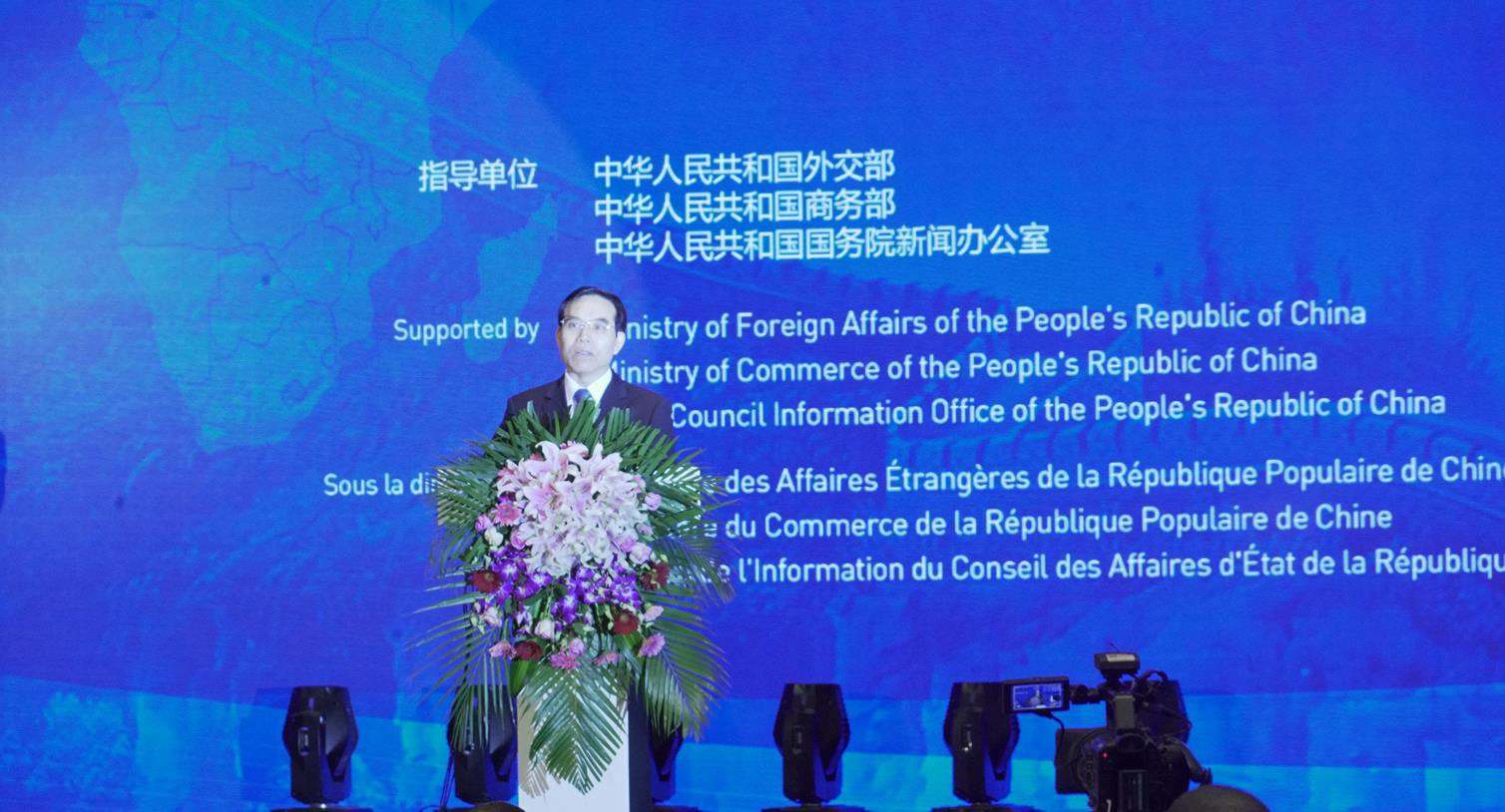
Nie Chenxi, minister of the SART, delivers a speech at the opening ceremony of the Fourth China-Africa Media Cooperation Forum. /CGTN Photo.
Nie Chenxi, minister of the SART, delivers a speech at the opening ceremony of the Fourth China-Africa Media Cooperation Forum. /CGTN Photo.
“It is the right time to address the right issue, because China and Africa, as well as their ties, are all victims of stereotypes.” Li Lianxing, secretary general of the China-Africa Report Project of Tsinghua University, told CGTN.
“Of course, it is unfair to say that the western media is deliberately creating images of China and Africa, but they do have a tradition to depict negative news. They have to realize that in African countries and China, stories of nation's building and development successes play a very important role in society. If people want to see a real picture of China and Africa, they should not stick to stereotypes, or they will never know what’s really happening and what’s going on in these countries."
Some government representatives believe both China and Africa are in good place when it comes to telling their stories, but note that more needs to be done.
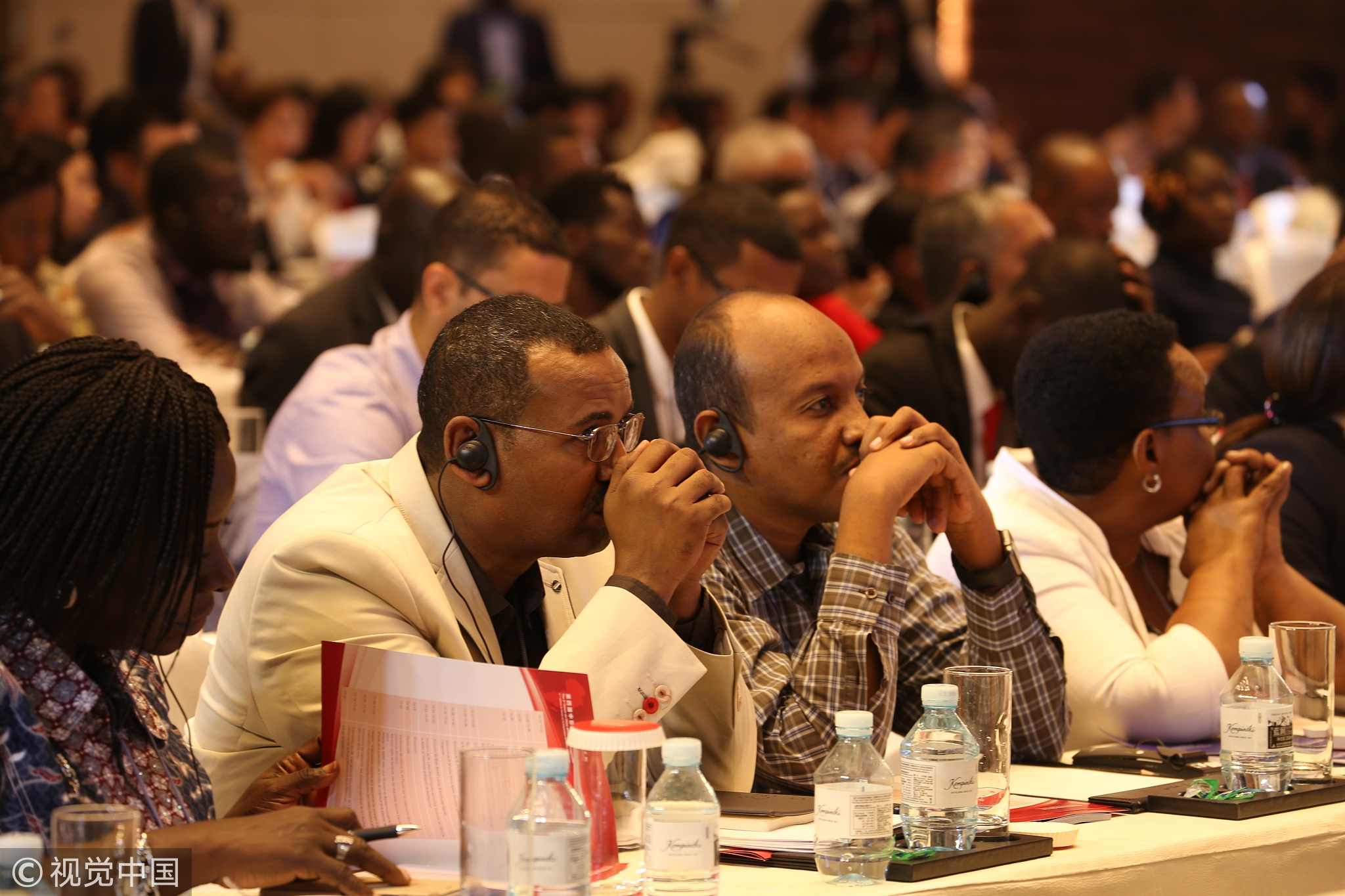
Participants at the Fourth China-Africa Media Cooperation Forum held in Beijing on June 26, 2018. /VCG Photo.
Participants at the Fourth China-Africa Media Cooperation Forum held in Beijing on June 26, 2018. /VCG Photo.
"We believe the cooperation with China gives us this opportunity to take quantum leaps in technology because the cost now is reduced to provide citizens and we can now focus on content, content that is positive about ourselves." Dora Siliya, Minister of Information and Broadcasting Services of Zambia, said in her keynote speech.
Meanwhile, others agree that the role of the official media is still crucial – if not more so – amid the rise of various new media channels.
"I belong to a country with more than two thousand ethnic groups, so if there’s no development of media, there are no interconnections between these groups. There is no unity in the country, in the nation, there is no progress," Lambert Mende Omalanga, the Minister of Communication and Media of the D.R. Congo, told the forum.
Without a doubt, China and Africa want to have a bigger voice in the international media landscape, and they want to become an alternative source of opinions for much of the world that come to know China and Africa through media reports by western organizations.
01:53
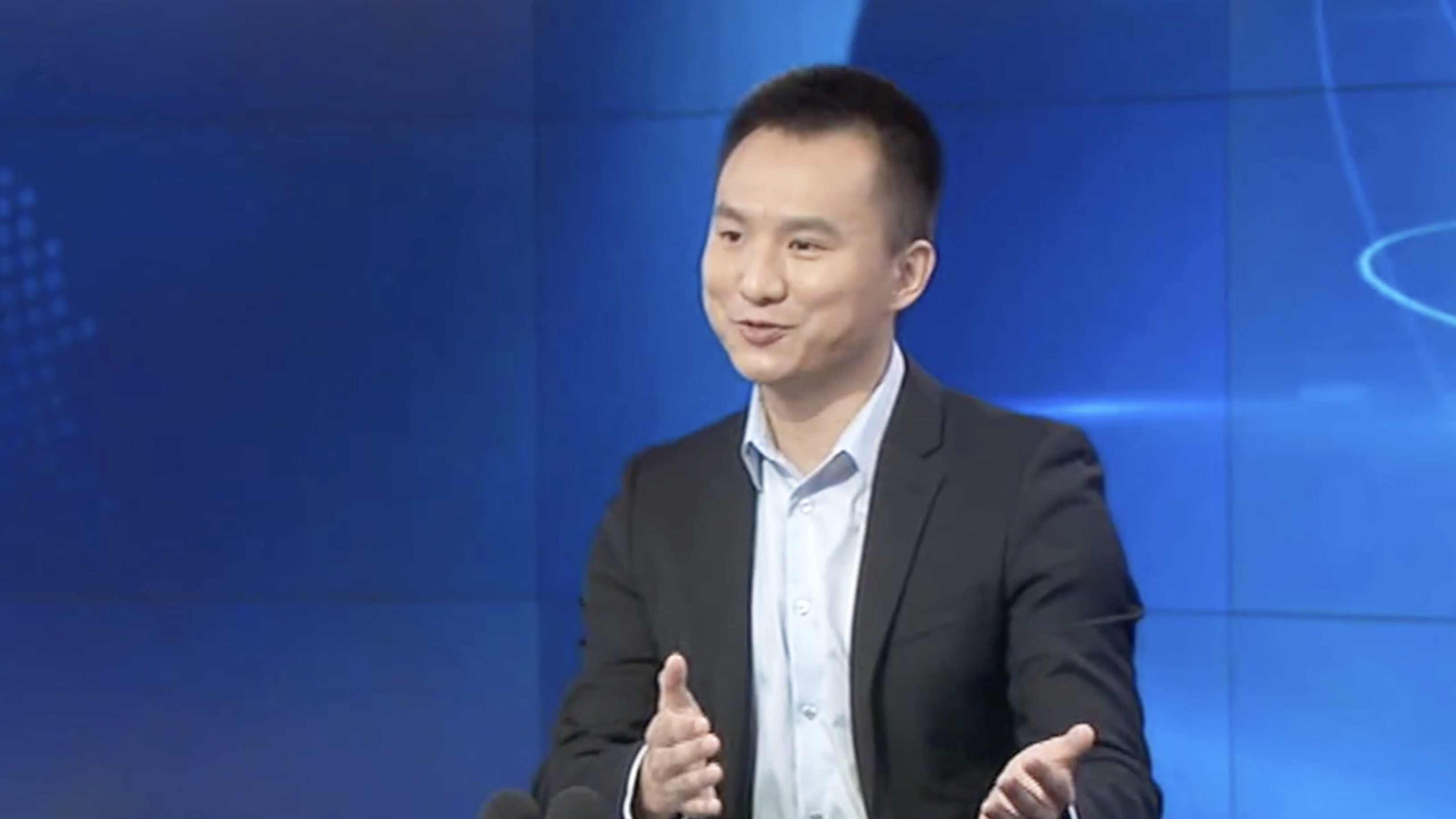
“I think our African friends have just made the point rightly, but it’s far from enough. What is in front of us is a mutual understanding and more exchange opportunities for both of us. It is so interesting that in other areas, it is the news to try to analyze. But on China and African relationship topics, it is the journalist who is identifying and discovering news topics for the audience,” said Li Lianxing.
In Li’s opinion, on the one hand, we should have more exchanges in the future, to let more African journalists and Chinese reports to go to each other’s continent to report the stories for both audiences, so as to air more real stories taking place on both sides.
On the other hand, we have to make the best use of technologies to give more information access to audiences or ordinary people in Africa, and to diversify the means and to increase the inefficiency of information dissemination.
What’s more, we must realize that it is not a zero-sum game for China, African and some western media. There are more spaces and chances of collaboration among them. There have been so many misunderstandings and misconceptions that are actually a result of lack of information, communication and transparency.
So for more stakeholders in this area, if they can provide more channels and chances for the outsiders, for media from western countries, from China and Africa, to understand what they are doing, and what is actually going on on the ground, it will be quite beneficial and helpful to establish a robust relationship in the future.
As such, it is the hope of China and Africa to leverage this media cooperation forum as a platform to bring further positive and far-reaching influence on the two regions and beyond.