
Space
20:50, 19-Sep-2018
Professionals share insights of commercial space launch at World Conference on Science Literacy
Updated
20:13, 22-Sep-2018
 ["china"]
Share







Copied
02:48
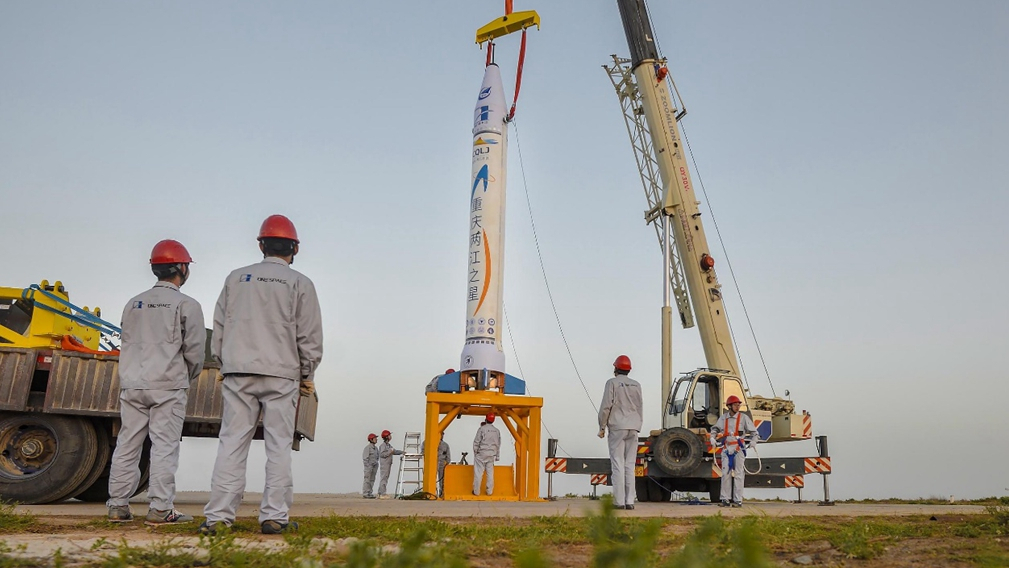
The commercial space launch sector continues to heat up. Recent flights by private Chinese companies and newly announced projects abroad are generating excitement about traveling the final frontier. Those at the World Conference on Science Literacy in Beijing also can't wait to blast off.
American aerospace manufacturer SpaceX has named Japanese billionaire Yusaku Maezawa as the first private passenger to the moon. Mamoru Mohri - the first Japanese astronaut to go into space at all - is delighted to see his long-standing fascination with moon flight finally materialize. Mohri believes that from now on, space is for everybody to enjoy.
An annual report by a US-based NGO on global space activity shows a 200 percent year-on-year increase in the number of commercial spacecraft deployed. Global commercial space revenue has an increasing proportion of the total global space economy, now accounting for 80 percent. Much of that comes from products and services in space, such as satellite television.
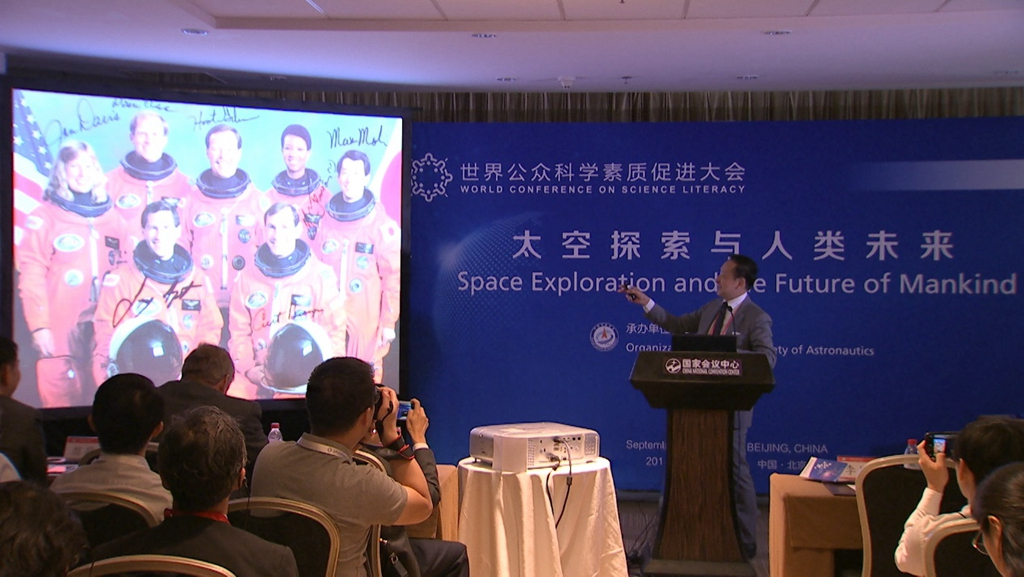
Mamoru Mohri at the World Conference on Science Literacy in Beijing. /CGTN Photo
Mamoru Mohri at the World Conference on Science Literacy in Beijing. /CGTN Photo
Senior vice president of the NGO said revenue is just the beginning. He said commercial space, instead of replacing, provided an additional part to the understanding of space, the exploration of space and very particularly the utilization of space.
China's commercial space market has also grown rapidly, especially in the fields of commercial rockets, satellites, and tracking and command technologies. Already this month, several private companies have sent spacecraft into sub-orbital space.
China's National Space Administration spokesperson Li Guoping said the government has been encouraging private space activities through cooperation, purchase, and satellite sharing mechanisms. But problems in terms of satellite routes, outer space sovereignty and freedom have also emerged. Li also emphasized that the Chinese government will strengthen its administration.
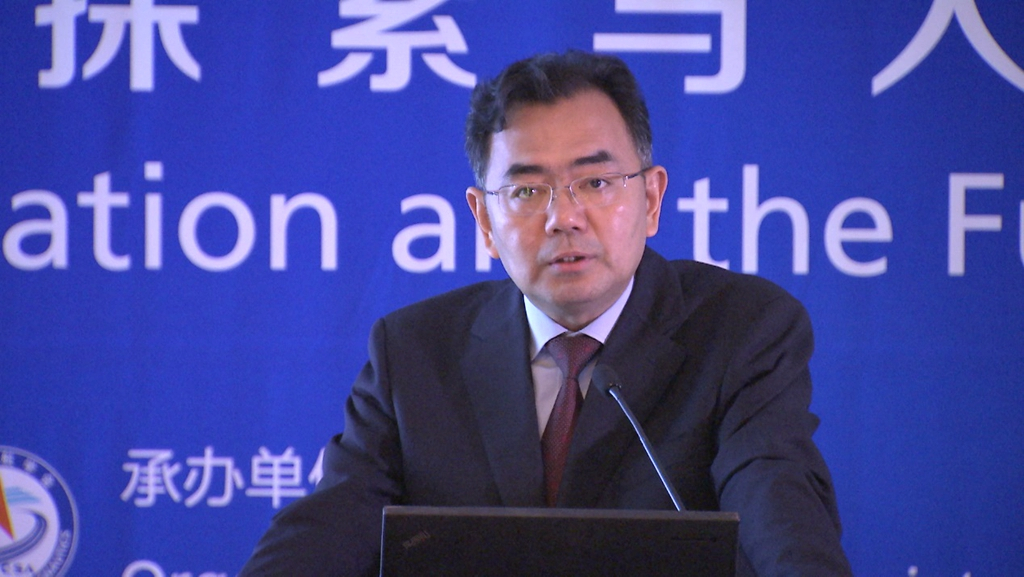
China's National Space Administration spokesperson Li Guoping at the World Conference on Science Literacy in Beijing. /CGTN Photo
China's National Space Administration spokesperson Li Guoping at the World Conference on Science Literacy in Beijing. /CGTN Photo
A notice will be soon issued to regulate scientific research, production and services of space launch vehicles.
"In the coming years, we will also introduce guidelines to promote the development of commercial space in light of the current situation and future needs of modern commercial spaceflight," Li expressed.
The spokesperson said China has already set out to build a shared launch site and an aerospace law is also on the agenda of China's top legislative body, which is expected in the next three to five years.