
Politics
08:18, 23-Apr-2018
Paraguay's pro-business candidate Abdo wins presidency
 ["china"]
Share







Copied
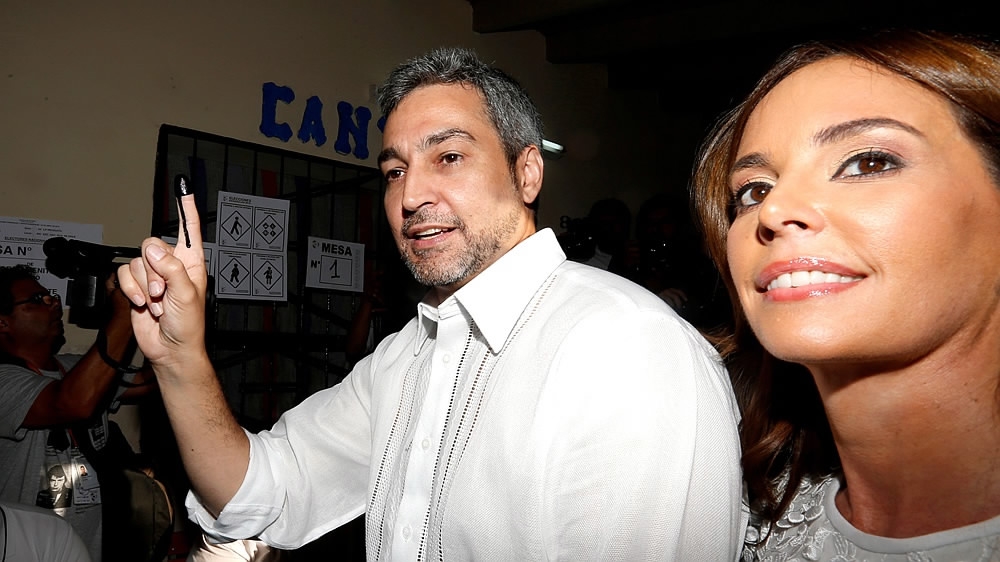
The candidate from Paraguay's ruling Colorado Party easily won Sunday's presidential election, according to an exit poll that pointed toward another five years of pro-business policies in the major soy producer.
Mario Abdo, a 46-year-old former senator who campaigned on an anti-corruption platform, clinched 51.3 percent of the vote, according to the results from polling firm First Analisis y Estudios, published online by local newspaper ABC Color.
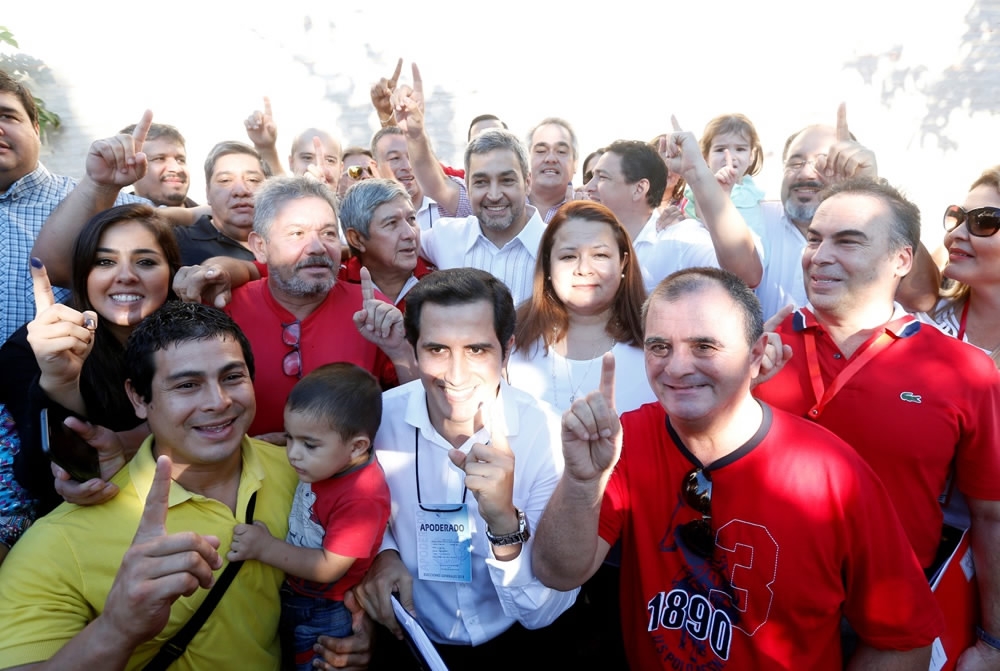
Paraguayan presidential candidate Mario Abdo poses for pictures with supporters after casting his vote in Asuncion, Paraguay, April 22, 2018. /Reuters Photo
Paraguayan presidential candidate Mario Abdo poses for pictures with supporters after casting his vote in Asuncion, Paraguay, April 22, 2018. /Reuters Photo
Abdo supports current low-tax policies aimed at stimulating foreign investment and agricultural production in the world's No. 4 soybean exporter and a major supplier of beef.
His main rival, Efrain Alegre, a lawyer from the center-left GANAR coalition Alegre, received 39.5 percent of votes, according to the exit poll. Official results were due to be announced later on Sunday.
Abdo set the stage for governing with a minority in Congress by calling for dialogue with opposition parties. He has promised to fight pressure to raise taxes despite calls from the opposition for a levy on soybean exports.

Paraguayan presidential candidate Mario Abdo shakes hands with members of the media at his house, during national election in Asuncion, Paraguay, April 22, 2018. /Reuters Photo
Paraguayan presidential candidate Mario Abdo shakes hands with members of the media at his house, during national election in Asuncion, Paraguay, April 22, 2018. /Reuters Photo
"I am going to lead a wide national dialogue," Abdo told reporters before casting his ballot.
Outgoing President Horacio Cartes won a Senate seat in Sunday's vote.
Grains-dependent Paraguay produced more than 10 million tons of soy last year and is trying to attract investment needed to reach its goal of 20 million tons by 2028.
18319km
Source(s): Reuters