
Opinions
12:08, 03-Aug-2018
Opinion: The heating-up of US-China trade frictions
Updated
11:25, 06-Aug-2018
 ["china"]
Share







Copied
Editor's note: Liu Chunsheng is an associate professor at the Beijing-based Central University of Finance and Economics and deputy dean of Blue Source Capital Research Institute. The article reflects the author's opinions, and not necessarily the views of CGTN.
The US Bureau of Industry and Security (BIS) announced an export control list against 44 Chinese entities (eight entities and thirty-six subordinate institutions), which were determined by the US government to be acting contrary to the national security or foreign policy interests of the US.
In addition, US President Donald Trump also instructed the United States Trade Representative on Aug. 1 to consider imposing 25-percent tariffs on 200 billion US dollars' worth of Chinese goods from the previously planned 10 percent.
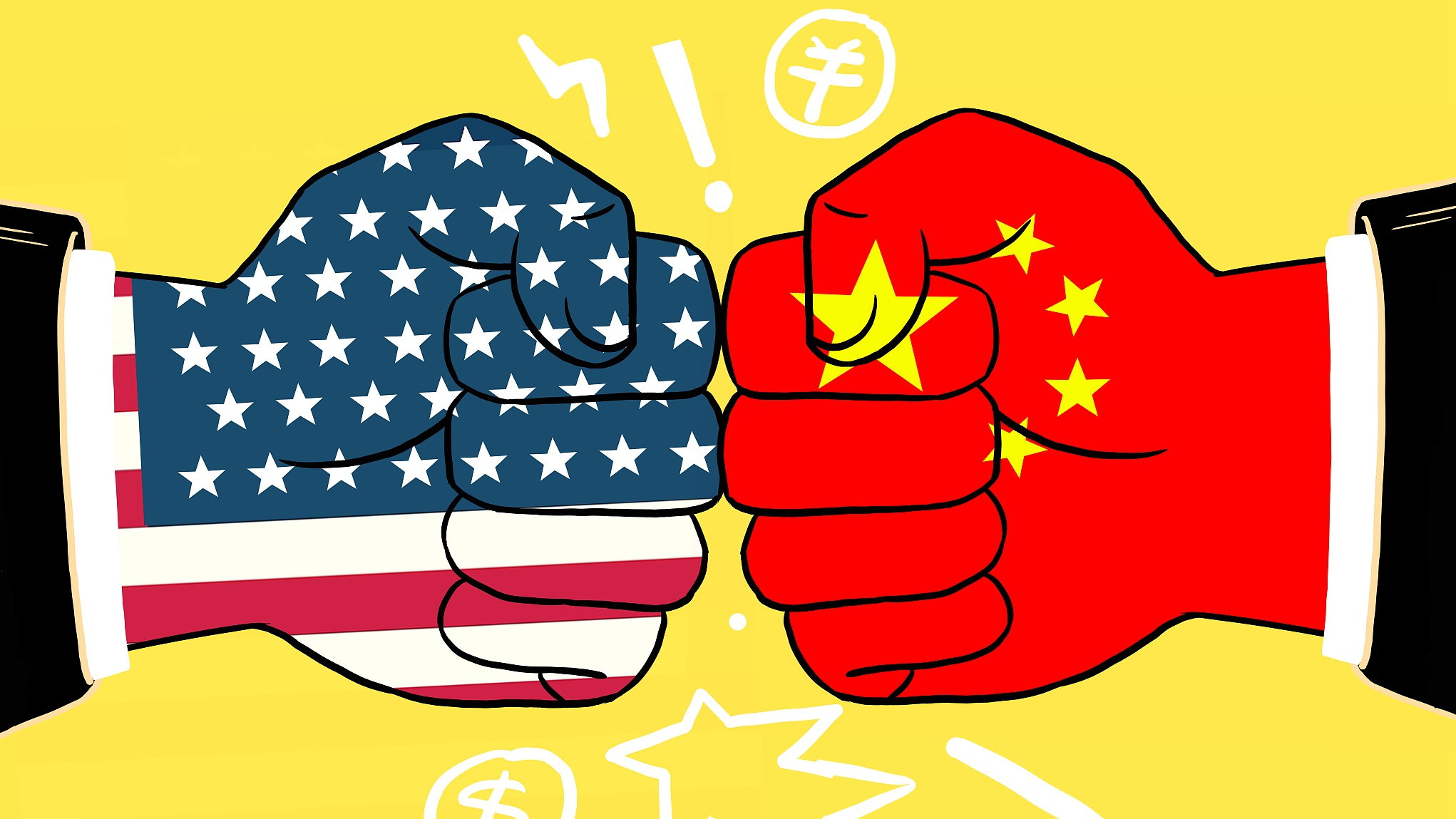
The US’ moves further escalate the frictions between the two largest economies in the world. The Chinese government expressed that it wouldn’t change its position and would take countermeasures against unilateralism.
The heating-up of the US-China trade dispute has raised concerns about the possible fallout from all around the world.
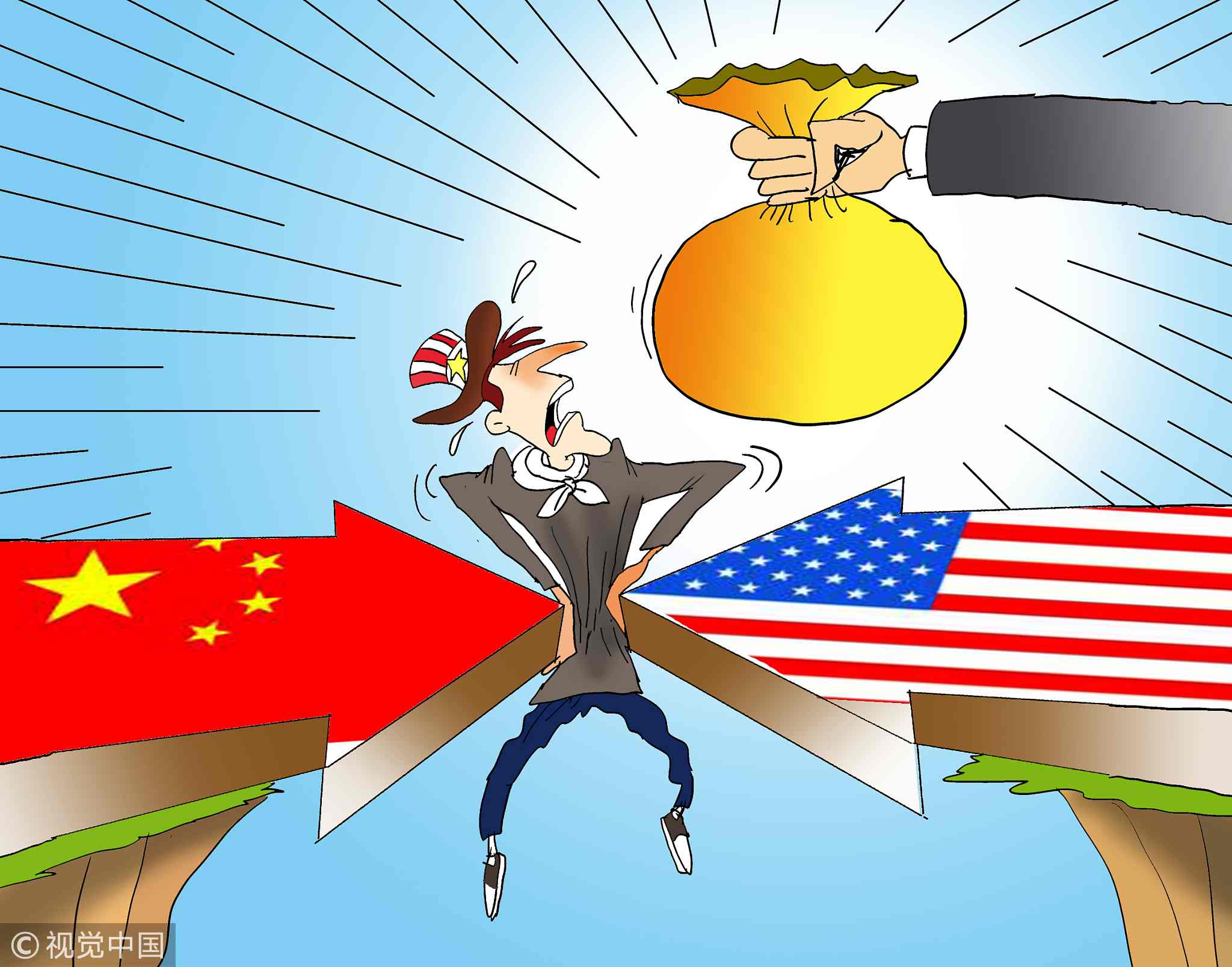
The Trump administration plans up to 12 billion US dollars in aid to US farmers suffering from the trade war. /VCG Photo
The Trump administration plans up to 12 billion US dollars in aid to US farmers suffering from the trade war. /VCG Photo
The US’ tariff plan will include consumer products imported from China, an act that will, without any doubt, lead to an increase in the living costs of American consumers and production costs of US firms. The risk of inflation in the US is going up and it will devastate the growth of the global economy.
The imposed tariff will disrupt the market order and disturb the investment strategy of global enterprises. For instance, the well-known US motorcycle maker Harley-Davidson is moving part of its operations out of the US due to rising tariffs.
The measures taken by the US will surely damage the global value chain. The newly added tariffs will damage the semiconductor, electronics, and machinery equipment industries, whose production chains straddle countries.
Indeed, manufacturers are forced to reshape their value chain and relocate their supply and production. In an era when globalization is an inevitable trend, one country’s policy will affect not only its counterparts’ interest but will also influence all the suppliers and buyers on the chain. Component makers from ASEAN, Japan, South Korea and European countries will be adversely affected by US-China trade frictions.
The ongoing trade measures taken by the Trump administration leave China no choice but to fight back. China's policymakers and think tanks are evaluating the possible loss of economic growth due to the added tariff.
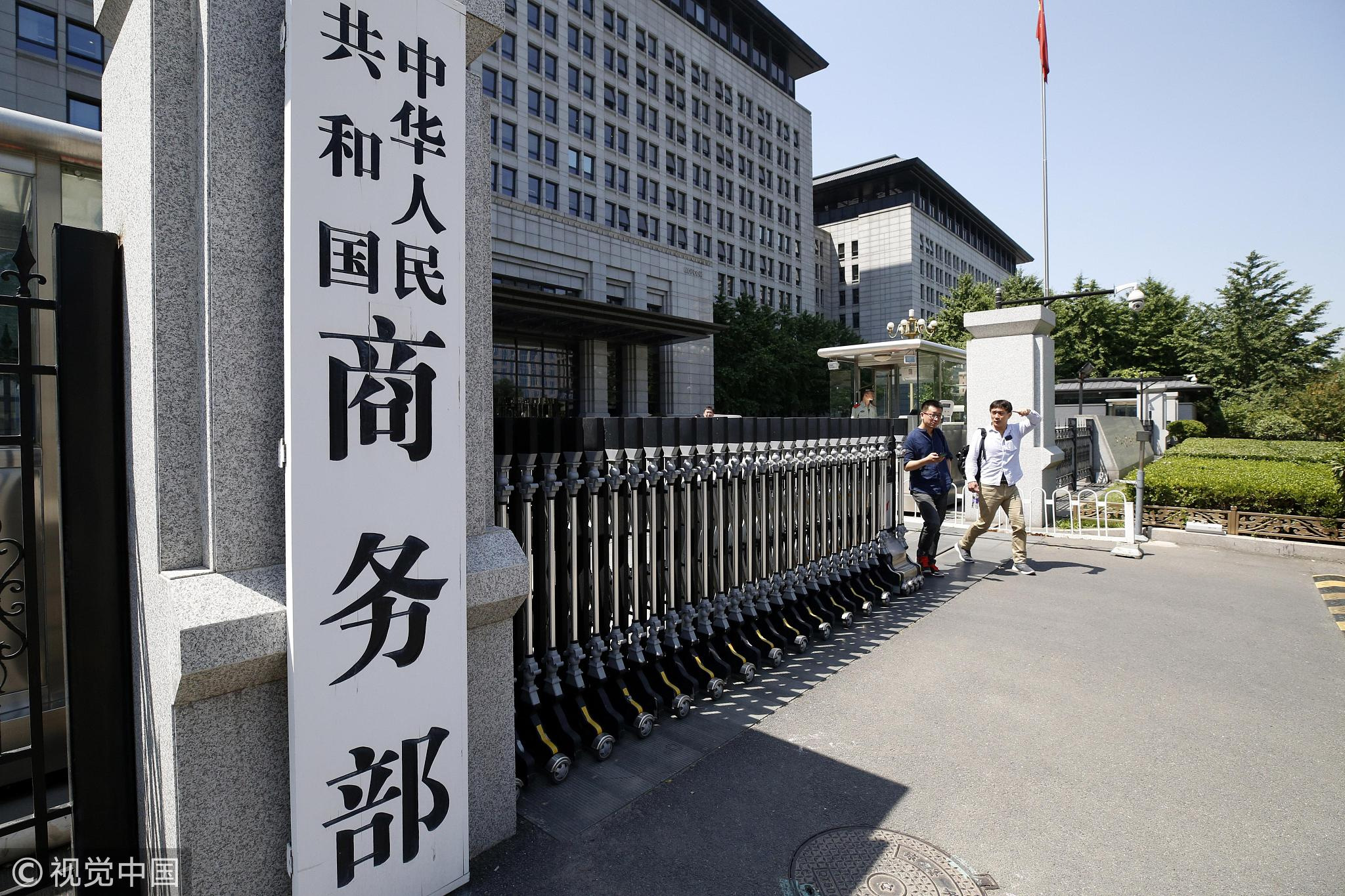
The Ministry of Commerce of the People's Republic of China /VCG Photo
The Ministry of Commerce of the People's Republic of China /VCG Photo
The Trump administration is trying to force China to give up its legitimate rights of development, but it only makes the Chinese more aware of the importance of development. The US is trying to impose a blockade on trade in technology to suppress China’s technological advancement, but it will only make China rely more on its own innovation.
Meanwhile, the trade frictions are accelerating China’s pace of further reform and opening-up. A lot of new policies in favor of FDI in China, incentivizing business, and allowing greater market access have been issued this year. China is also taking measures to stabilize foreign trade and enhance trade with other countries. Furthermore, market-oriented reform and tax cuts are also on the menu.
China has stated that the door for fair negotiation is always open, but no one should compel the country to choose its road of development.