
World
11:59, 28-May-2018
Brazil cuts fuel prices to lure truckers back to work
 ["other","Latin America"]
Share







Copied
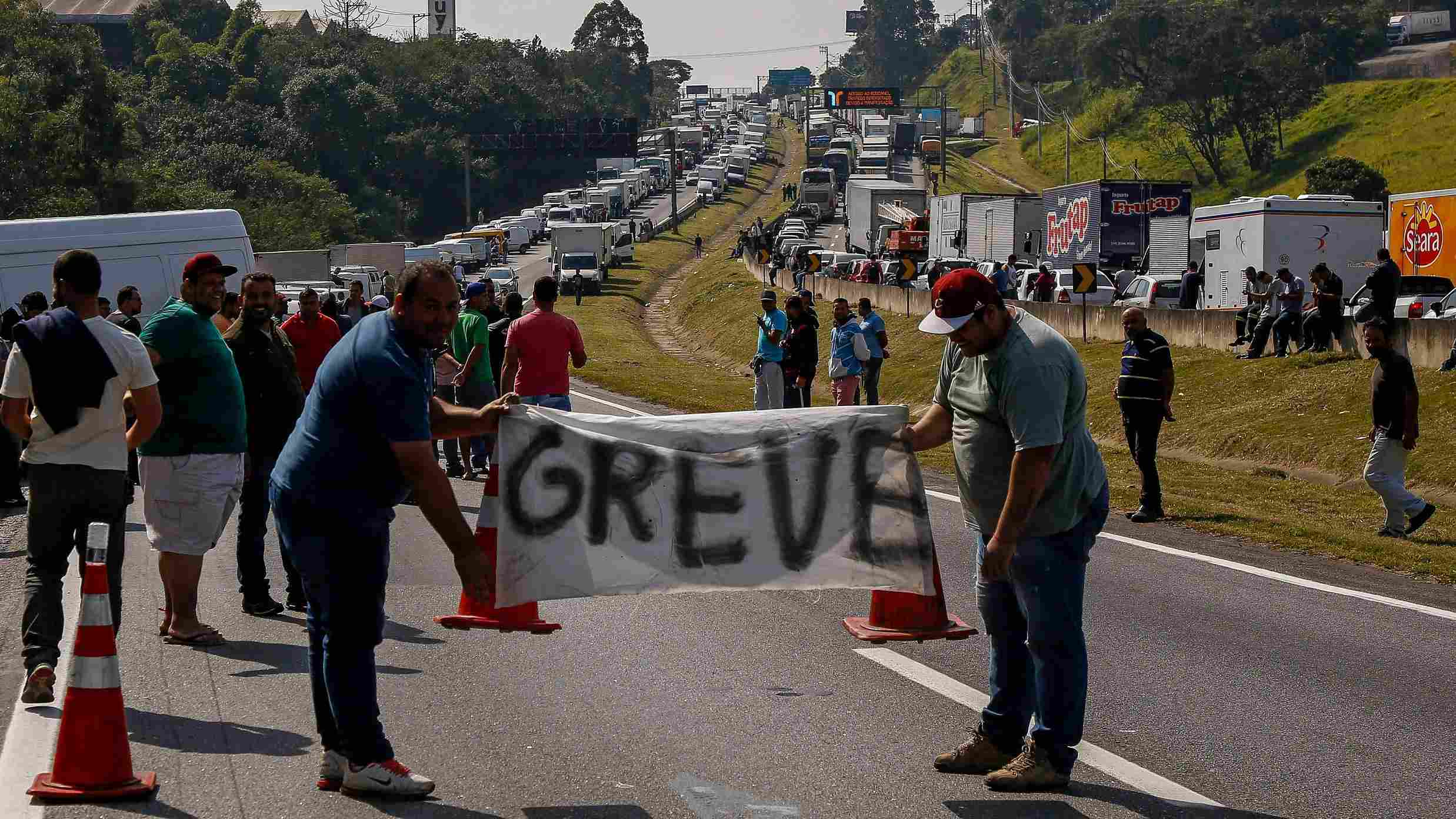
Brazil’s President Michel Temer has cut diesel prices among new measures to reduce operating costs for truckers in a bid to end a crippling week-long protest.
The strike has severely hampered the flow of food, fuel and key exports in Latin America’s largest economy.
In a televised speech late Sunday, Temer said he was signing three decrees with immediate effect to address the main demands of truck drivers, who mounted hundreds of blockades on roads across the country to protest high diesel prices.
“We gave everything they have asked for,” said Temer of the measures, expected to cost Brazilian taxpayers some 10 billion reais (2.7 billion US dollars). It was not immediately clear if protesting truckers would demobilize on Monday.
After seven days of protests, shortages of basic goods around the country had become increasingly critical. Hospitals are reporting shortages of some basic products, while many farm animals are dying or being culled because of a lack of feed. In addition, major cities such as Rio de Janeiro have sharply reduced public transportation, and schools and universities said they would not open on Monday because of transportation hurdles.
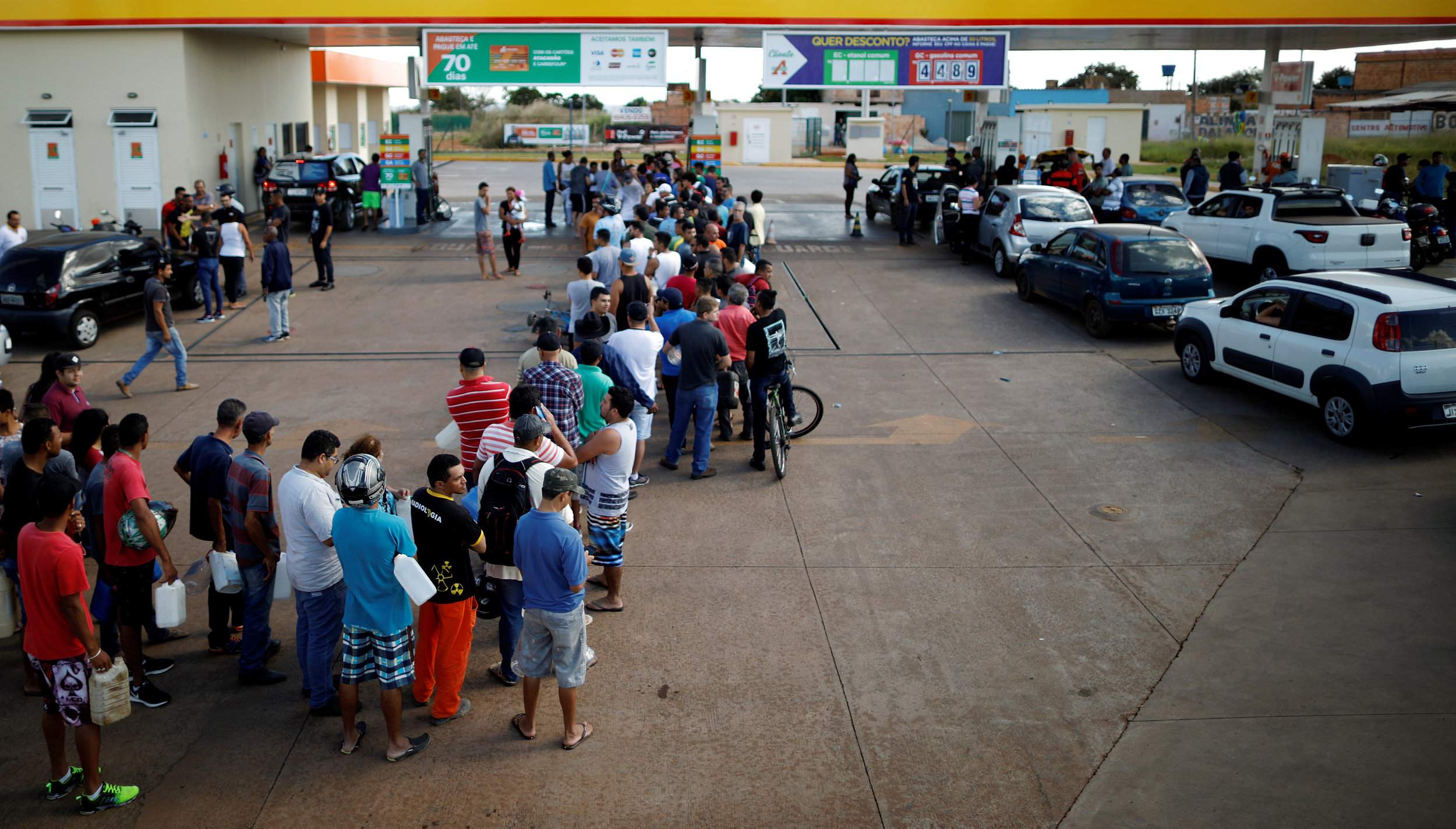
People line up with empty gasoline gallons in front of a gasoline station in Luziania, Brazil, May 25, 2018. /VCG Photo
People line up with empty gasoline gallons in front of a gasoline station in Luziania, Brazil, May 25, 2018. /VCG Photo
With gas stations low on fuel across most of the country, police and the army have been escorting fuel convoys to supply ambulances, police vehicles and buses for public transportation in most large cities in Brazil.
One of the presidential decrees signed by Temer cuts diesel prices by 46 centavos per liter, or about 12 percent of its retail price, for a period of 60 days. The government will compensate state-led oil company Petroleo Brasileiro SA for the price cut.
Another decree ordered toll operators across the country not to charge for rear axles that are not in use, as is the case when trucks pass by the tolls unloaded. A third decree mandates the minimum fare for freight to be paid to truckers.
The measures were announced after several meetings between government officials and representatives for some trucker groups. The fractured leadership of the trucking movement has made it hard to gauge the acceptance of previous compromises reached by the government and negotiators from the industry.
Earlier on Sunday, Sao Paulo Governor Marcio França, who has been acting as a negotiator, said the federal government would not accept the demand to keep diesel prices discounted for 60 days, only for 30 days as previously announced. The toll demand would be accepted.
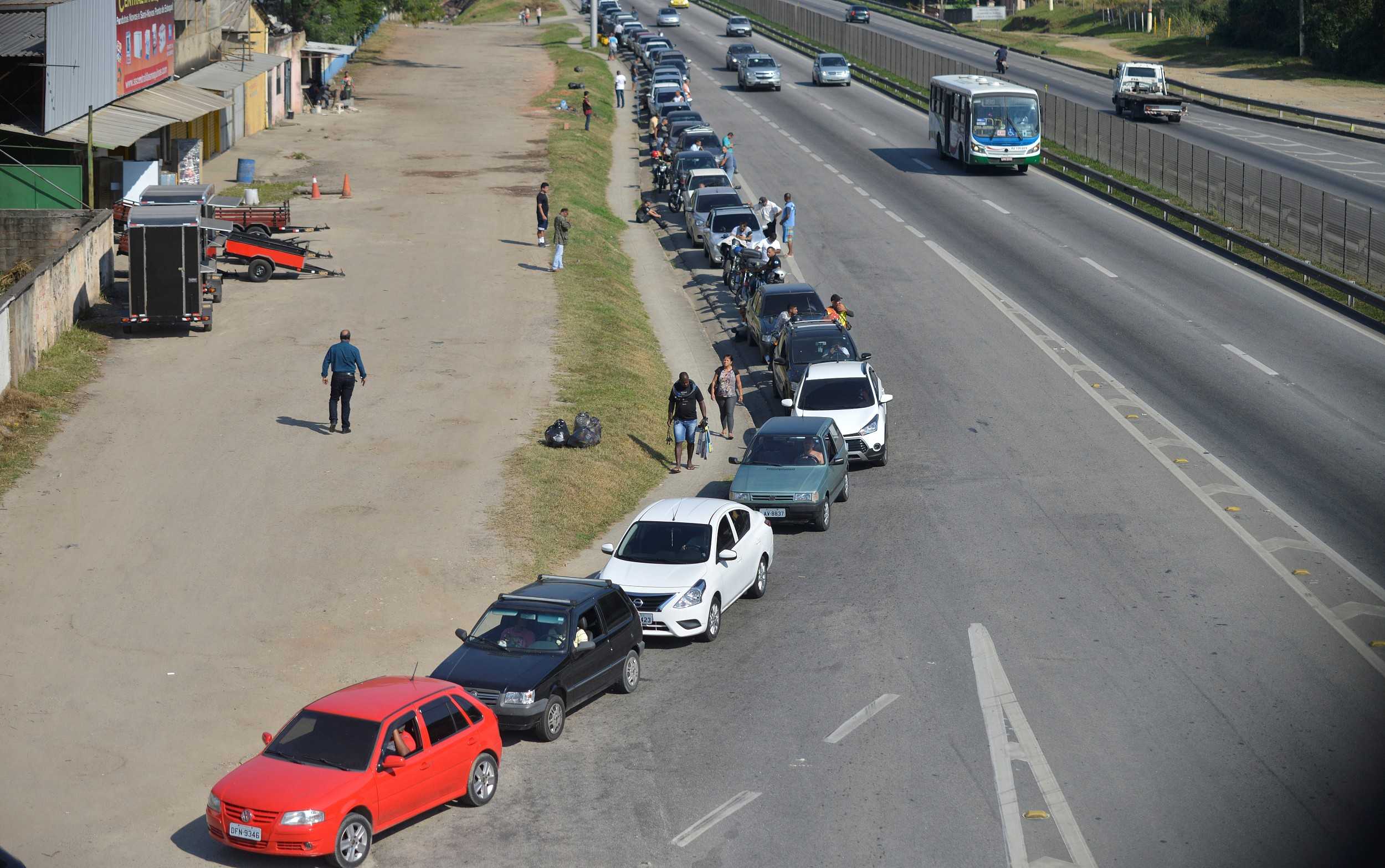
Cars and motorcycles wait in queue for gas in front of the gas station during Brazilian truck drivers' nationwide strike to protest fuel price rising in Rio de Janeiro, Brazil, on May 25, 2018. /VCG Photo
Cars and motorcycles wait in queue for gas in front of the gas station during Brazilian truck drivers' nationwide strike to protest fuel price rising in Rio de Janeiro, Brazil, on May 25, 2018. /VCG Photo
Some highway blockades were cleared early on Sunday, as police started to fine drivers who left trucks at roadsides. The military was ordered to remove unattended vehicles.
The military said that the entrances to some ports, such as Santos, Latin America’s largest export hub, were cleared, but there were still no trucks arriving by late Sunday to the area to replenish silos and allow for ship-loading operations.
Brazil is a global leader in commodities exports and industry groups said they expected delays in shipments from everything from soybeans to meats and sugar.
Oil workers, who say they support the protests and oppose Petrobras pricing policy that closely tracks international oil market, announced a strike at refineries starting on Wednesday.
16951km
Source(s): Reuters