
Opinions
10:32, 15-Jul-2018
Opinion: Does the Trump-Putin meeting pose challenges or chances?
Updated
09:51, 18-Jul-2018
 ["china"]
Share







Copied
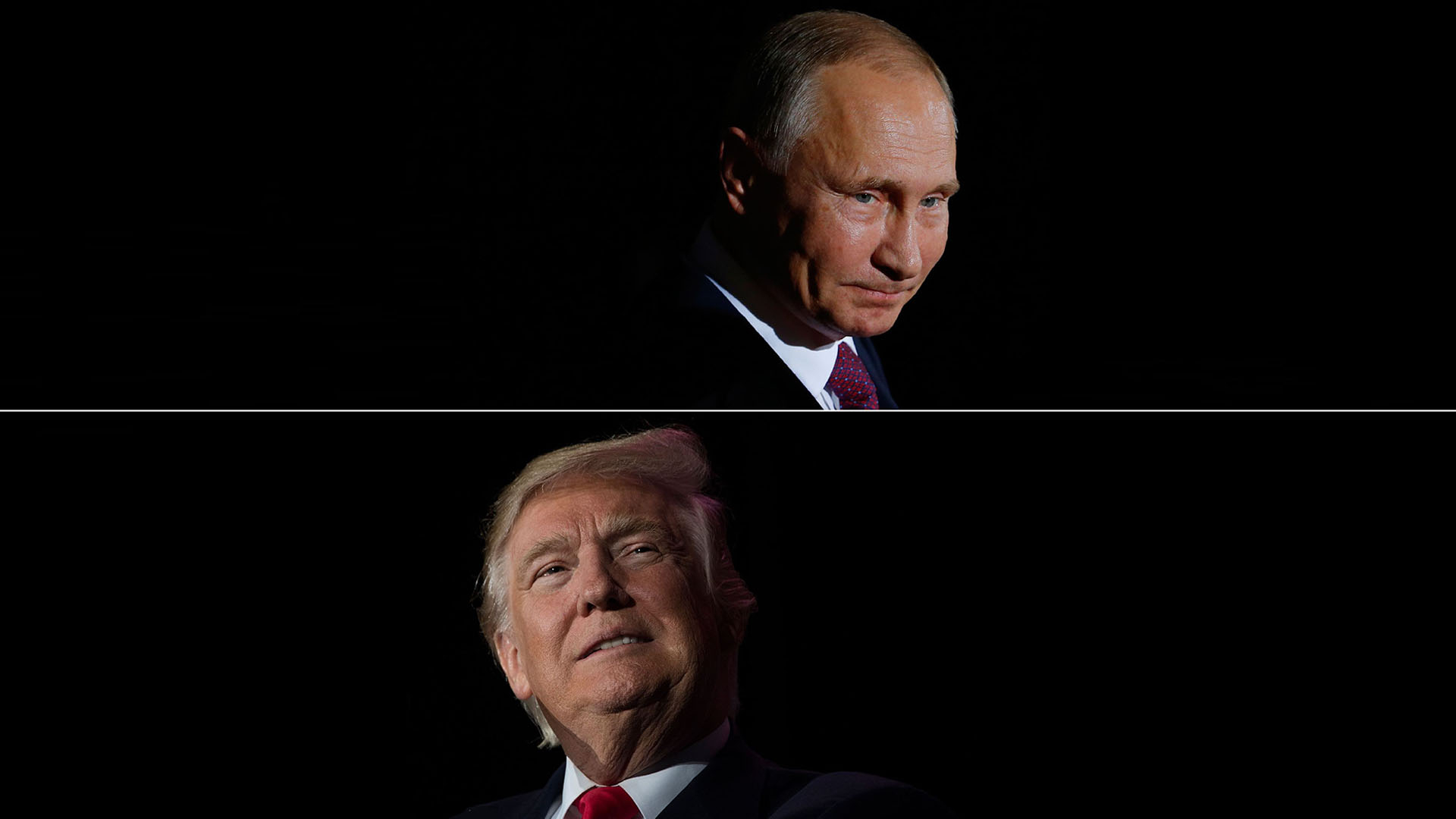
Editor's note: Markku Kivinen is a Research Director at the Aleksanteri-Institute at the Finnish Center for Russian and Eastern European Studies at the University of Helsinki.
He founded the institute in 1996. Today, this institute is the biggest Western
academic institution concerning Russia. The article reflects the author's opinion, and not necessarily the views of CGTN.
When US President Trump meets Russian President Putin, it will be the first real possibility for them to start improving relations between their countries. The fact that this event is happening in Finland indicates that even small countries can have a global role based on the legacy of their own foreign policy.
Finnish President Sauli Niinistö has consistently maintained a dialogue both with Western leaders and with Russian President Putin. The non-allied position of Finland means that neither NATO nor Russia is seen as an enemy.
Limiting tension in Europe and joint addressing global risks such as a threat of nuclear conflict and vast ecological problems have been the core of Finnish foreign policy.
The dialogue between the world leaders itself is already the first achievement of this meeting. It also seems to be the case that both presidents want to improve relations in substantive terms.
President Trump has been exceptionally explicit on this issue and, according to the latest opinion polls, most of Russians agree with President Putin that better relations are in the interests of both sides.
However, in regards to the crises in Ukraine and Syria, the military in both countries have had an upper hand in defining the foreign policy actions.
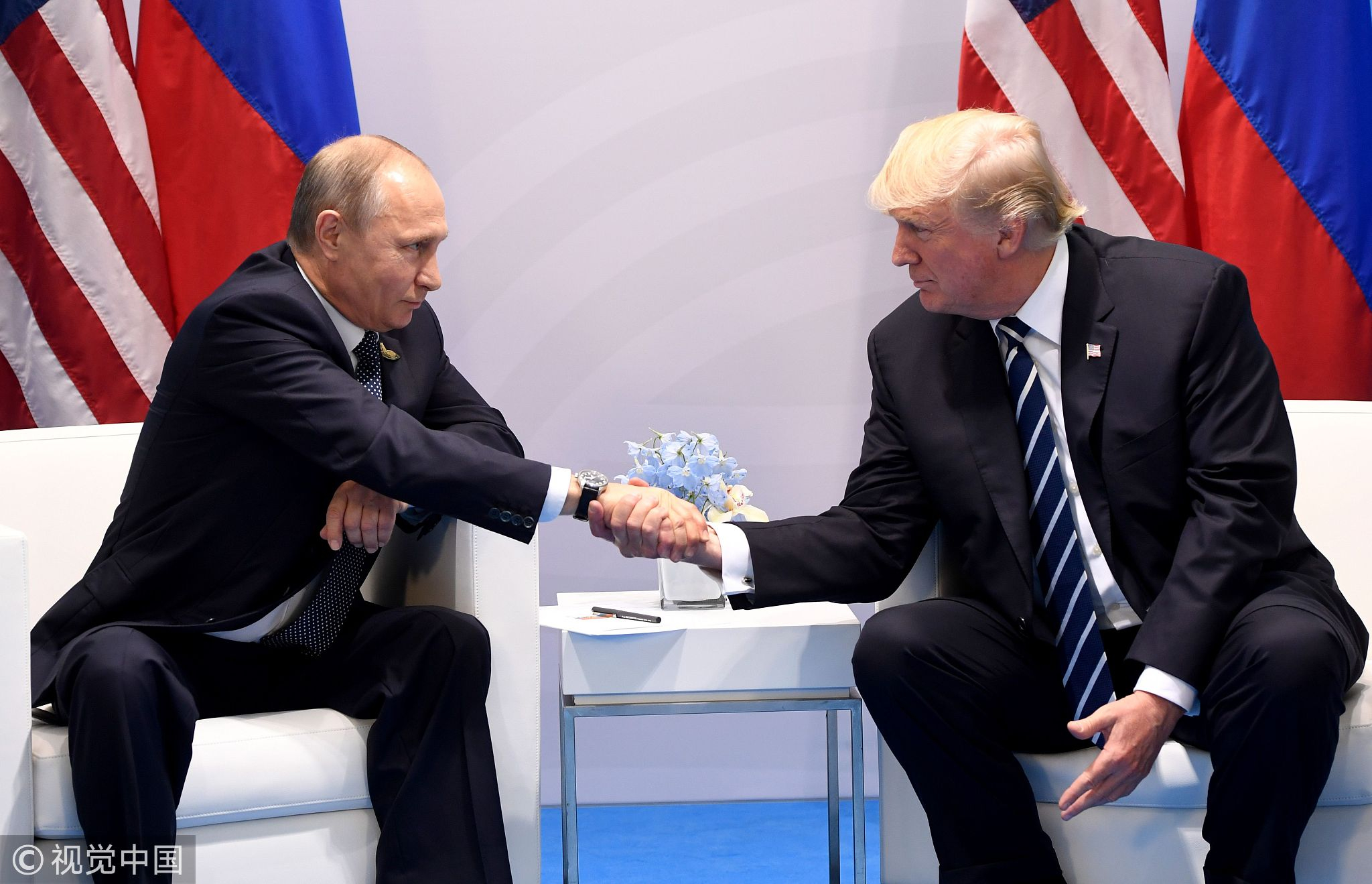
US President Donald Trump and Russia's President Vladimir Putin shake hands during a meeting on the sidelines of the G20 Summit on on July 7, 2017, in Hamburg, Germany. / VCG Photo
US President Donald Trump and Russia's President Vladimir Putin shake hands during a meeting on the sidelines of the G20 Summit on on July 7, 2017, in Hamburg, Germany. / VCG Photo
In these scenarios, both presidents have faced the pressure of not to be seen as a weak leader in the eyes of the new cold war warriors among national elites or in media. At worst, this could lead to a show meeting with few real results.
At best, a door could be opened for military level discussion on the coordination of activities in Syria. Without major concessions from the US, Russia can hardly concede anything concerning cooperation with Iran.
Any steps towards solutions to the Ukrainian conflict or military rehearsals in Europe would be a positive surprise.
Both presidents also have domestic challenges which jeopardize easy solutions. President Trump is under heavy pressure from the US political system in regard to Russian influence in the American elections. For a European observer, this investigation is almost as absurd as Trump’s strangest statements. But, this summit can hardly provide any solution for this process.
For President Putin, abolishing Western sanctions would be a great victory. Whatever Russians say, the sanctions matter. They do not jeopardize the whole of Russia's economic development but they affect the financial and technological conditions of the energy sector.
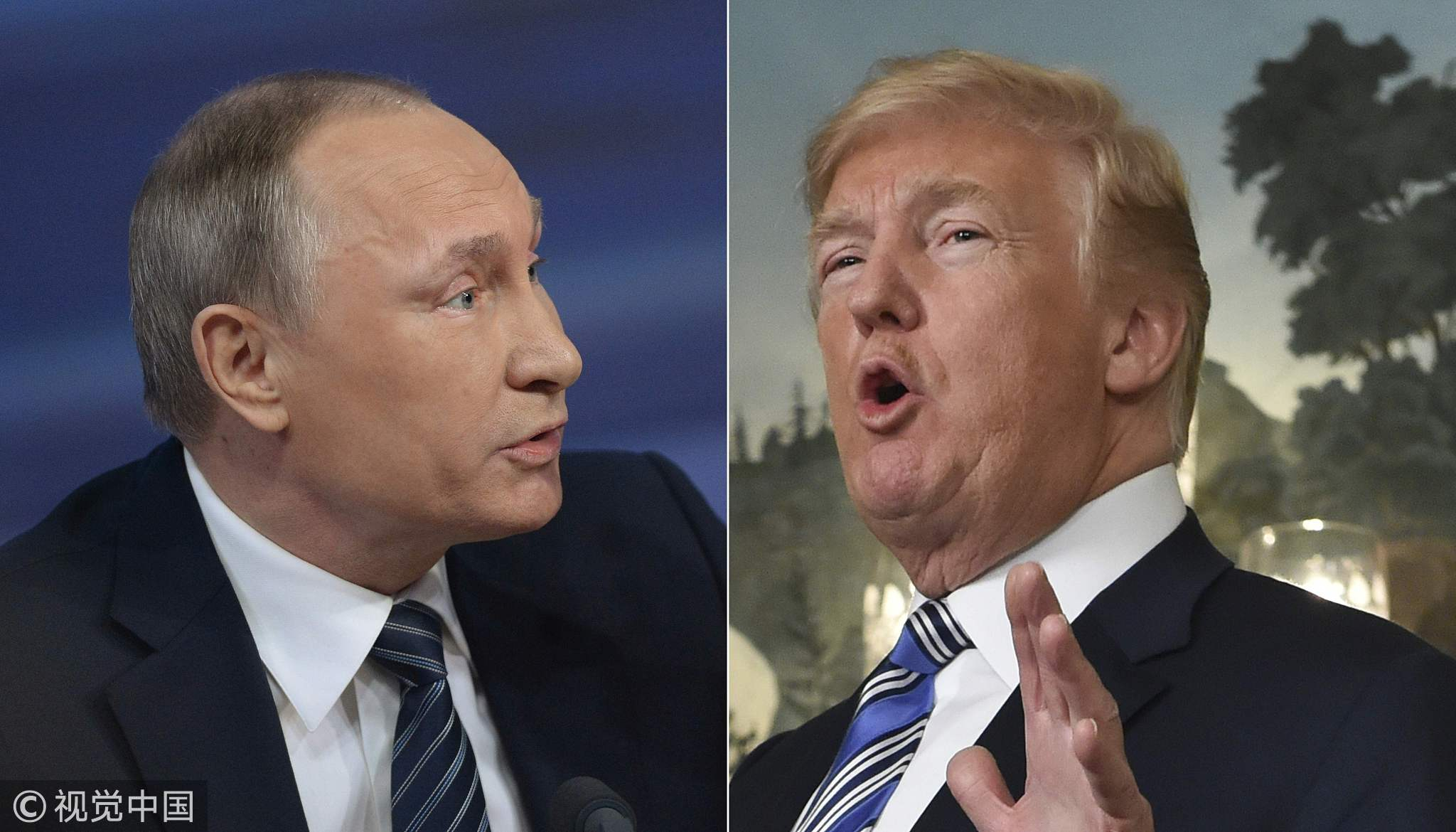
Russian President Vladimir Putin (L) during his annual press conference in Moscow on Dec. 17, 2015, and US President Donald Trump speaking about the spending bill during a press conference at the White House on March 23, 2018. /VCG Photo
Russian President Vladimir Putin (L) during his annual press conference in Moscow on Dec. 17, 2015, and US President Donald Trump speaking about the spending bill during a press conference at the White House on March 23, 2018. /VCG Photo
With new energy resources being used in the demanding conditions of the Arctic and Far Eastern regions, including offshore fields, Russian actors have become more heavily dependent on western technology, equipment, and expertise – roughly 30-50 of the technology used in the whole industry and 80-90 percent in the new energy provinces.
As the 2014 sanctions targeted this type of frontier oil exploration technology, Rosneft and Gazprom’s oil arm, Gazprom Neft, had to continue developing this expertise on their own.
However, the economic constraints for President Putin are not so overwhelming. The Russian economy is not currently in a major crisis. At the moment, the growth rate is about two percent and it is expected to stay at that level in the future as well.
Learning from the collapse of the Soviet Union, the Russian elite has secured reserve funds to cover falling oil prices. They have linked the currency to oil prices, keeping the state budget stabilized in all conditions.
Anyhow, the sanctions have also had unintended consequences. To support the domestic industry and production, while reducing Russia’s dependence on imports, the government launched a high-profile import-substitution policy in January 2015.
This policy is allegedly the largest-scale industrial recovery since the Soviet era. It is also a measure for bolstering Russia’s sovereign economic interests when tensions with the West are prevailing and Russia’s economic growth is sluggish.
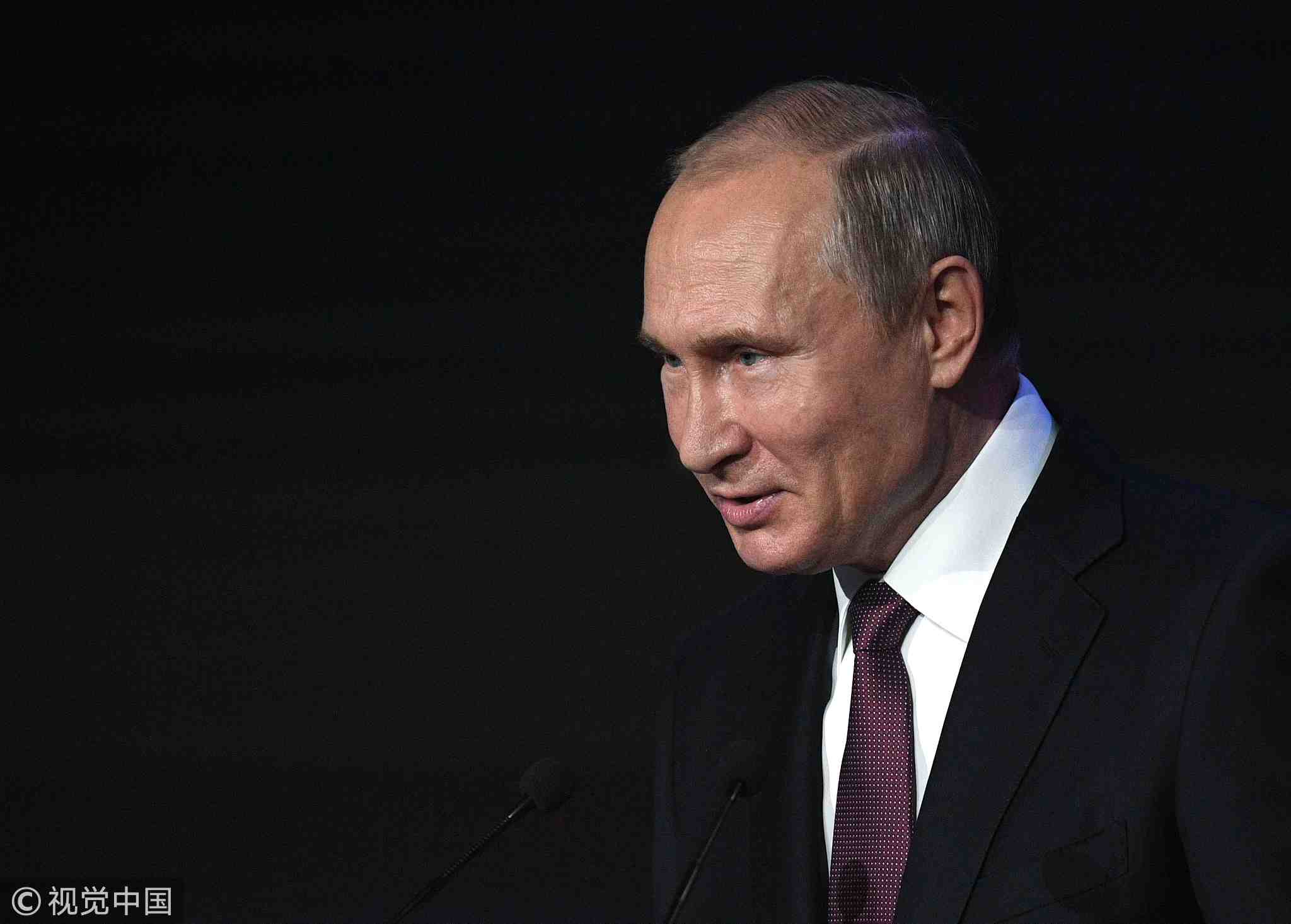
July 6, 2018: Russian President Vladimir Putin addresses the International Cybersecurity Congress. / VCG Photo
July 6, 2018: Russian President Vladimir Putin addresses the International Cybersecurity Congress. / VCG Photo
This policy envisages the implementation of 2,059 projects in 19 branches of the economy between 2016 and 2020. Its cost estimate is 1.5 trillion rubles, of which only 235 billion rubles are to come from the federal budget.
Sanctions are not a problem for President Trump since, between US and Russia, there is no economic interdependency.
A decade ago, Russia had plans to contribute 10 percent of US energy. When fracking technology became profitable enough, non-conventional hydrocarbons brought the US into the international arena, not as a buyer but as a significant energy producer.
Russian plans did not come true, and commerce between the US and Russia remained marginal. At the same time, the US appeared as a competitor to Russia in the European market. That is why even Trump wanted to turn the Nordstream project between Russia and Germany into a problem.
Western sanctions also have significant foreign policy implications. Russia is apt to give in to making a coalition with China in international relations. Whether President Trump is able to play the game on this scale remains to be seen.