
Health
08:20, 18-May-2018
Toxic and replaceable: WHO wants to wipe out trans fats from food in five years
 ["china"]
Share







Copied
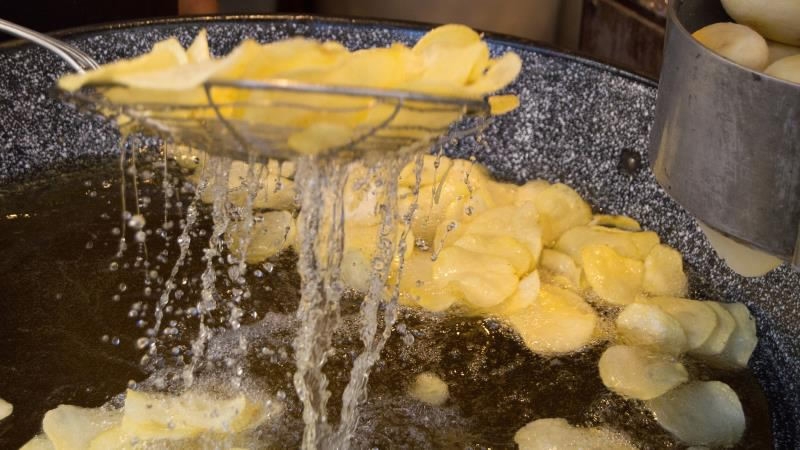
The World Health Organization (WHO) has on Monday called for governments around the world to completely purge trans fats from our food suppliers by 2023.
Trans fats, also known as trans fatty acids, are a kind of fat that is massively produced in the global food industry to make margarine, snacks and fries.
But trans fats can be toxic or even lethal to humans. Every year, over 500,000 people die from cardiovascular disease caused by eating too much trans fats, according to WHO.
Trans fat exists in nature, mainly in dairy products, beef and lamb. But the amount is almost insignificant compared to those in man-made products.
The food industry has been making trans fats for decades, but this unhealthy ingredient is kind of outdated and completely replaceable with other kinds of fats and oils.
That's why WHO think governments should take the following actions.
Six things to do
The logo for WHO's REPLACE action package /Picture from WHO
The logo for WHO's REPLACE action package /Picture from WHO
"WHO calls on governments to use the REPLACE action package to eliminate industrially-produced trans-fatty acids from the food supply," said Dr. Tedros Adhanom Ghebreyesus, the WHO director-general.
"Implementing the six strategic actions in the REPLACE package will help achieve the elimination of trans fats, and represent a major victory in the global fight against cardiovascular disease."
The six-point REPLACE package is a to-do list for governments to achieve industrial trans fat removal.
- REview dietary sources of industrially-produced trans fats and the landscape for required policy change.
- Promote the replacement of industrially-produced trans fats with healthier fats and oils.
- Legislate or enact regulatory actions to eliminate industrially-produced trans fats.
- Assess and monitor trans fats content in the food supply and changes in trans fat consumption in the population.
- Create awareness of the negative health impact of trans fats among policy makers, producers, suppliers, and the public.
- Enforce compliance of policies and regulations.
"New York City eliminated industrially-produced trans fat a decade ago, following Denmark's lead," said Dr. Tom Frieden, President and CEO of Resolve to Save Lives, an initiative of Vital Strategies.
"Trans fat is an unnecessary toxic chemical that kills, and there's no reason people around the world should continue to be exposed [to it]."
What we can do
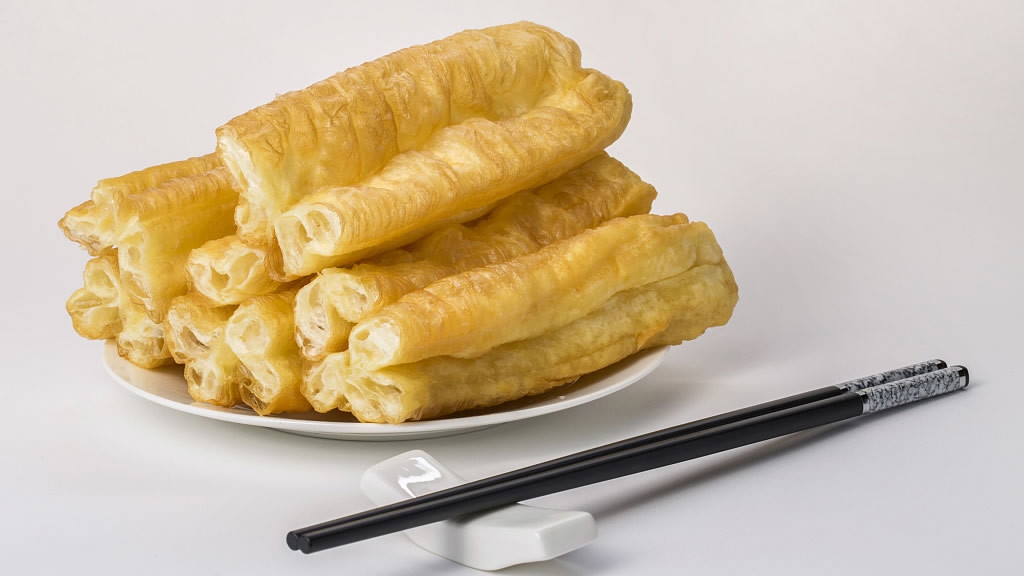
Youtiao, also known as the Chinese oil stick, is a typical fried breakfast in China. /VCG Photo
Youtiao, also known as the Chinese oil stick, is a typical fried breakfast in China. /VCG Photo
For consumers like us, WHO thinks trans fats should occupy less than one percent of our total energy intake.
That is "less than 2.2 grams per day with a 2,000-calorie diet," says WHO on its website.
If you really love dairy products, beef and lamb, it may be a good time to check out other great foods.
Consumers should also check snacks and fried foods for trans fats.
Also, if you like cooking, it can be a good idea to use vegetable oil instead of margarine.
Trans fat and China
China has never imposed any ban on trans fats. This is based on official statistics stating Chinese people don't eat as much trans fats as Westerners do.
The average trans fat intake in China was less than 0.53 grams per day in 2013, well within the WHO recommendation.
But still, China's food safety standard requires producers to label the amount of trans fats on food packages, informing customers how much they are taking in with each serving.
The standard came into force in 2013.
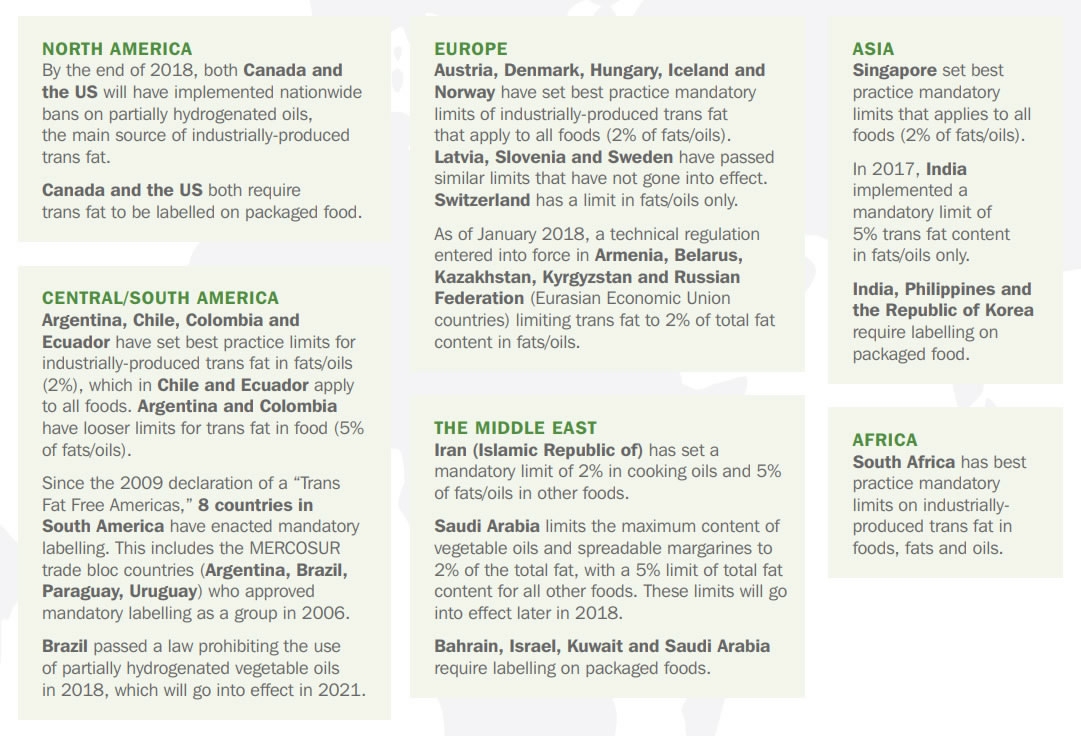
Trans fats control in the world /Screenshot from WHO
Trans fats control in the world /Screenshot from WHO
(CGTN's Jiang Jiao also contributed to the story.)