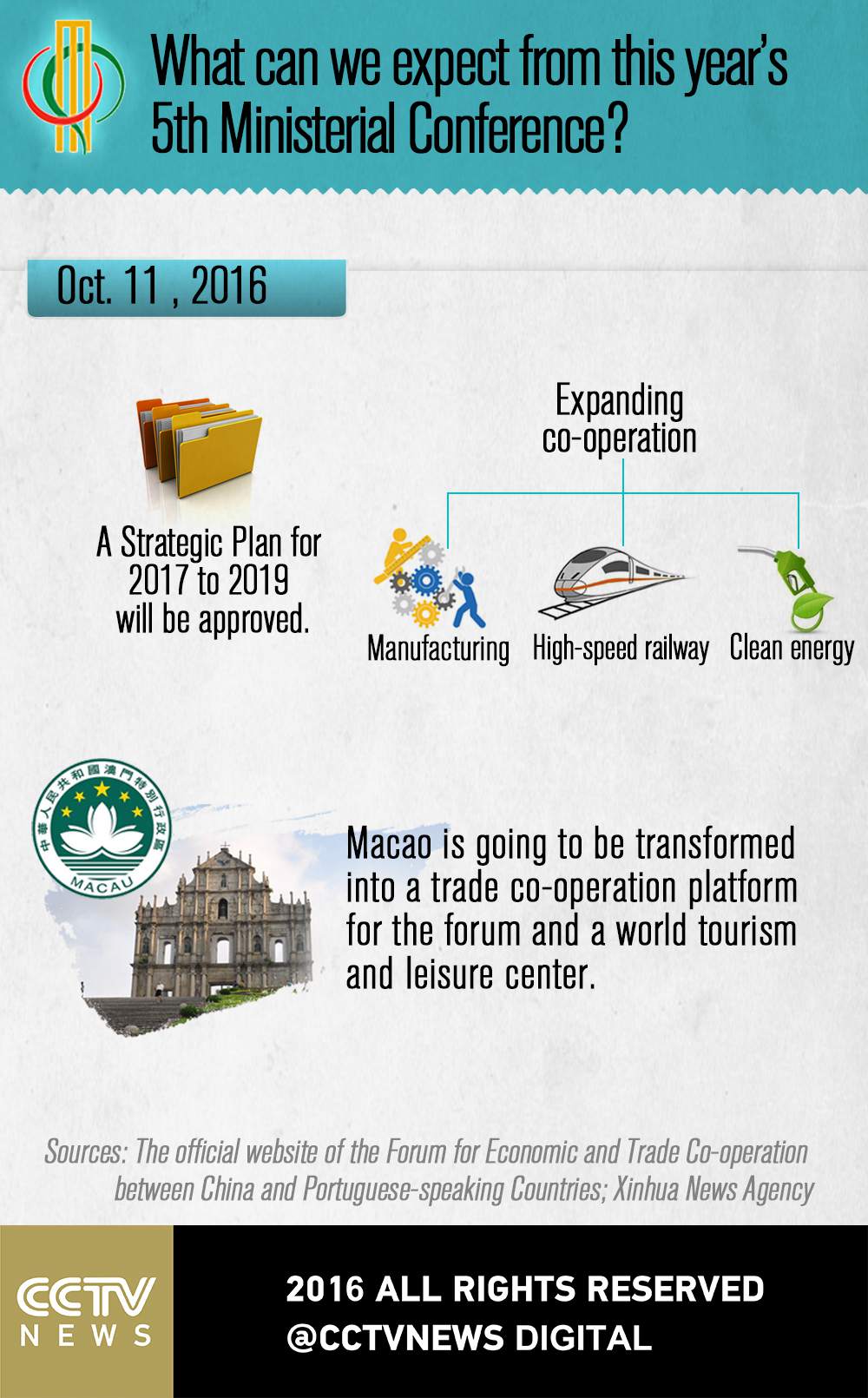
Top officials from China and seven Portuguese-speaking countries will gather in Macao on October 11-12 for a forum intended to strengthen economic and trade relations between member states.
The two-day summit – officially known as The 5th Ministerial Conference of the Forum for Economic and Trade Cooperation between China and Portuguese-speaking Countries – will involve five prime ministers, including Chinese Premier Li Keqiang and Portugal’s Antonio Costa.
But what is Forum Macao? Who does it benefit? And why is it held in Macao?
HISTORY OF FORUM MACAO
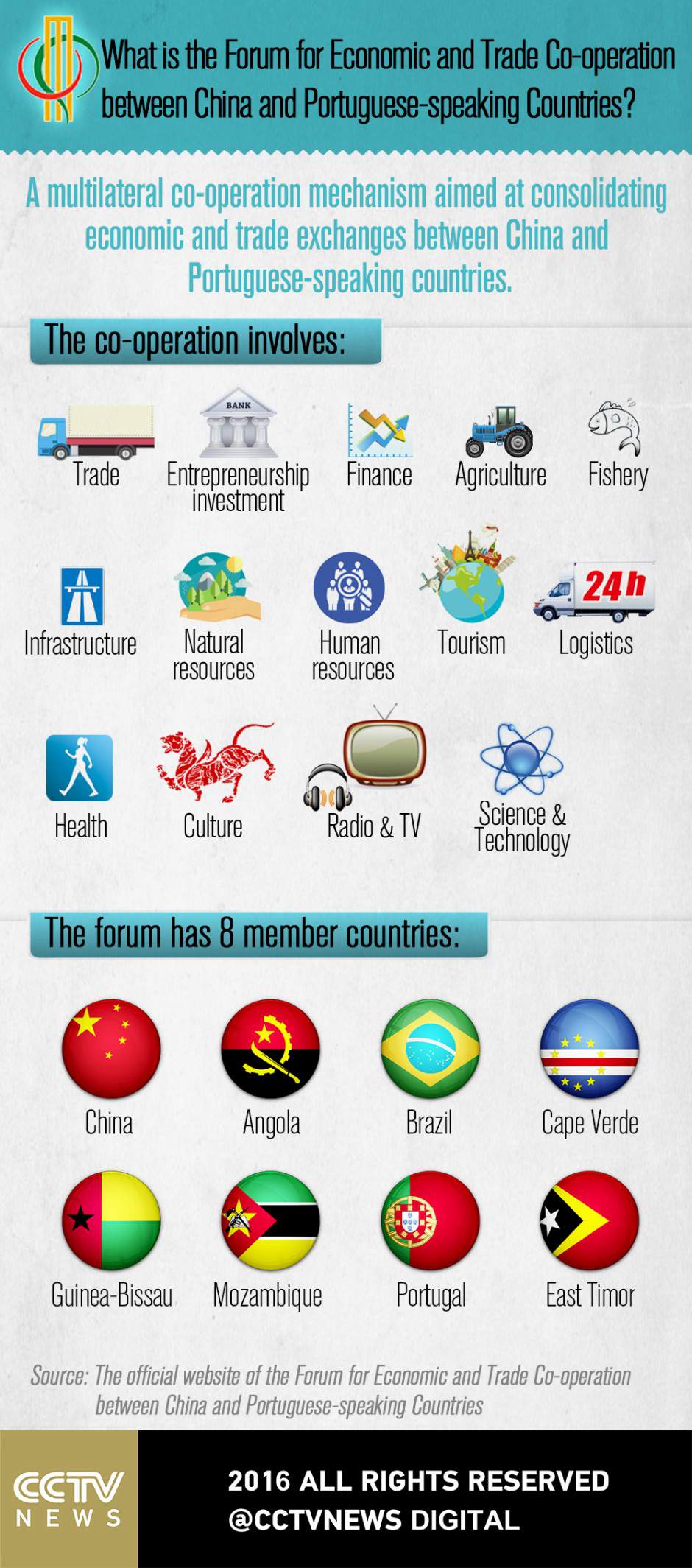
Established in the Macao Special Administrative Region (SAR) in 2003, the forum is designed to deepen economic and trade cooperation between China and Portuguese-speaking countries.
It is a multilateral cooperation mechanism that encourages economic and trade exchanges between China and the seven other member countries – Angola, Brazil, Cape Verde, Guinea-Bissau, Mozambique, Portugal and East Timor.
Over the past 13 years, China and the member countries have witnessed a sharp increase in economic and trade cooperation under the Strategic Plan for Economic Cooperation, which has been updated at each session. Ministerial Conferences have been held in 2003, 2006, 2010 and 2013.
TRADE & INVESTMENT BOOST
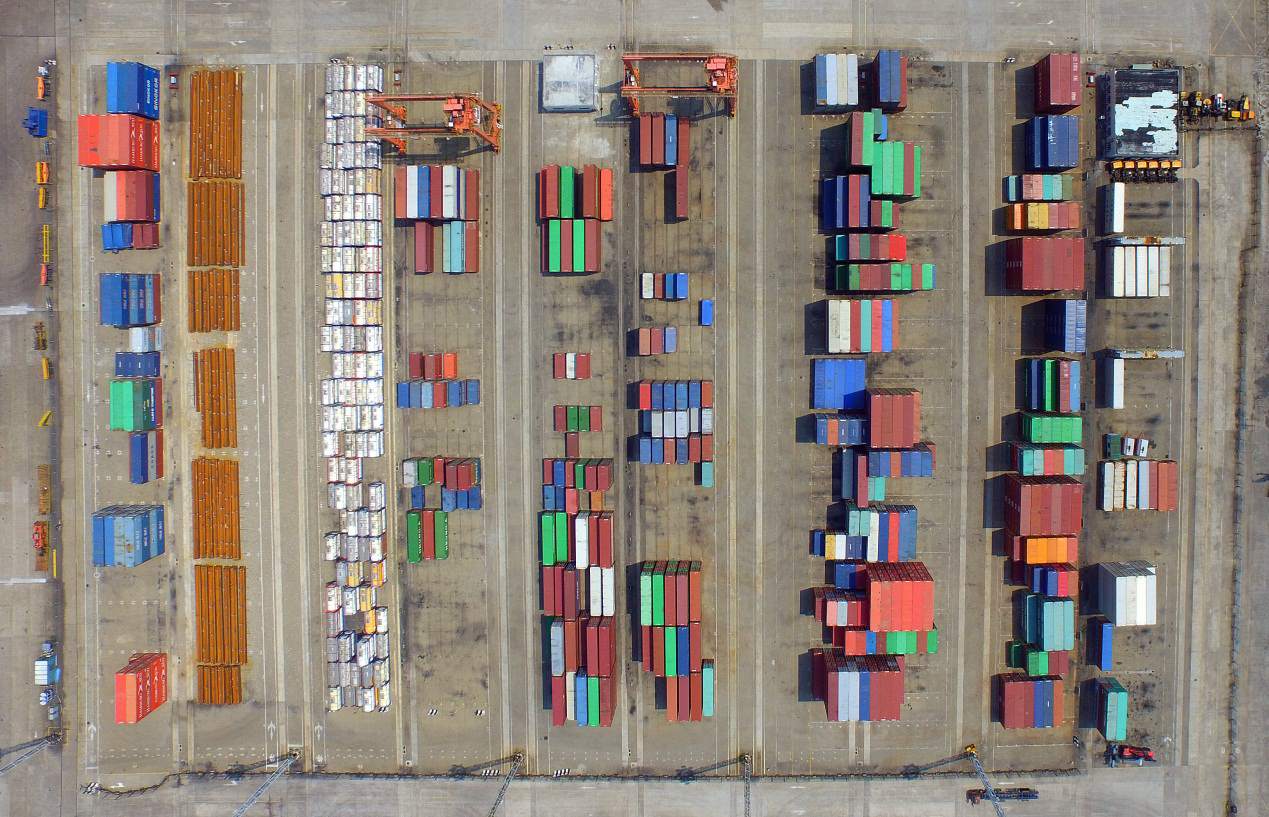
Volume of trade between China and the forum’s other members has jumped sharply since the forum was initiated in 2003. Trade volume between the two sides totaled more than 11 billion US dollars in 2003, but had increased 11-fold to 132.58 billion US dollars by 2014.
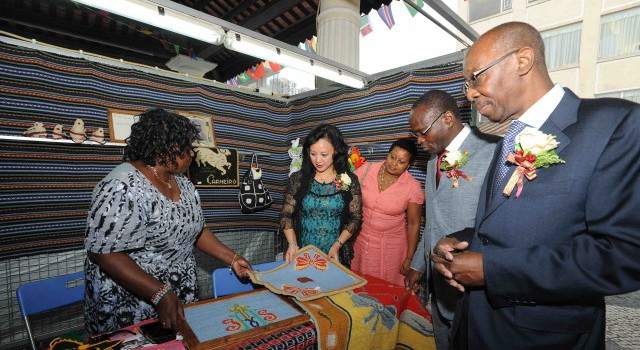
Trade between China and every single member country has been on an upward curve since 2003. The trade volume between China and Mozambique last year was around 34 times greater than in 2003, while trade between China and East Timor increased nearly 100 times in the same period.
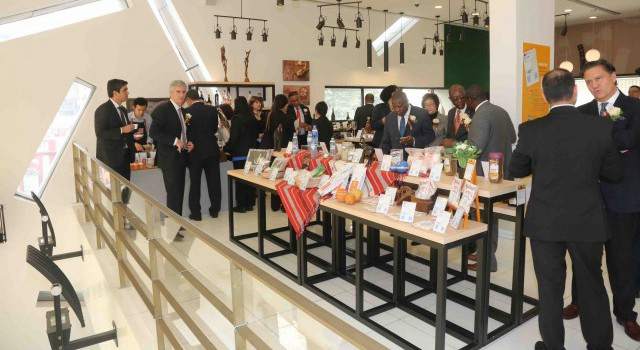
The rise in trade has also encouraged greater investments between China and the member countries. China’s investment in these Portuguese-speaking countries reached 6.3 billion US dollars in 2015, covering sectors including architecture, manufacturing, agriculture, forestry and fishery.
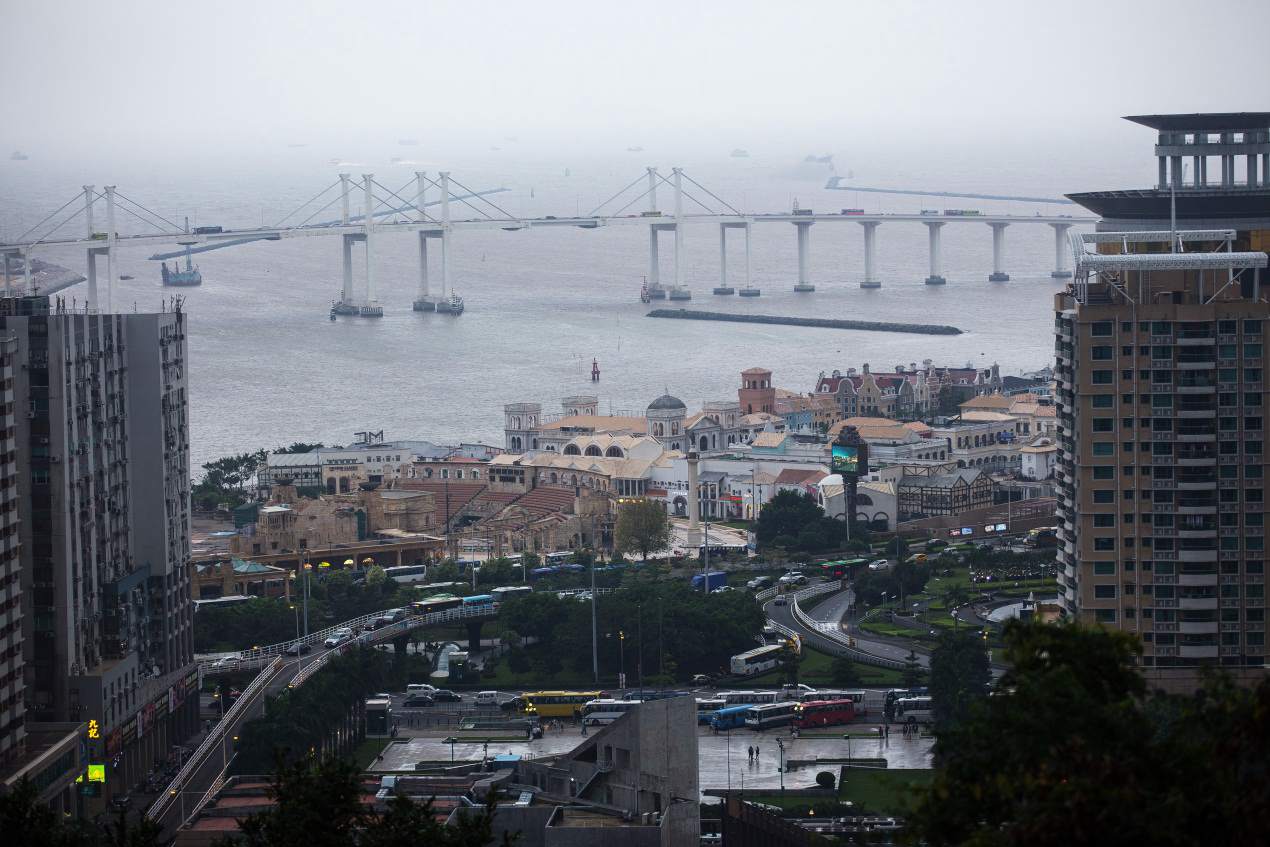
According to the latest figures offered by the Forum, trade in merchandise between China and the Portuguese-speaking countries reached 51.5 billion US dollars as of this July. With the expansion of cooperation fields, the volume of investment is mounting.
MACAO PLAYS A VITAL ROLE
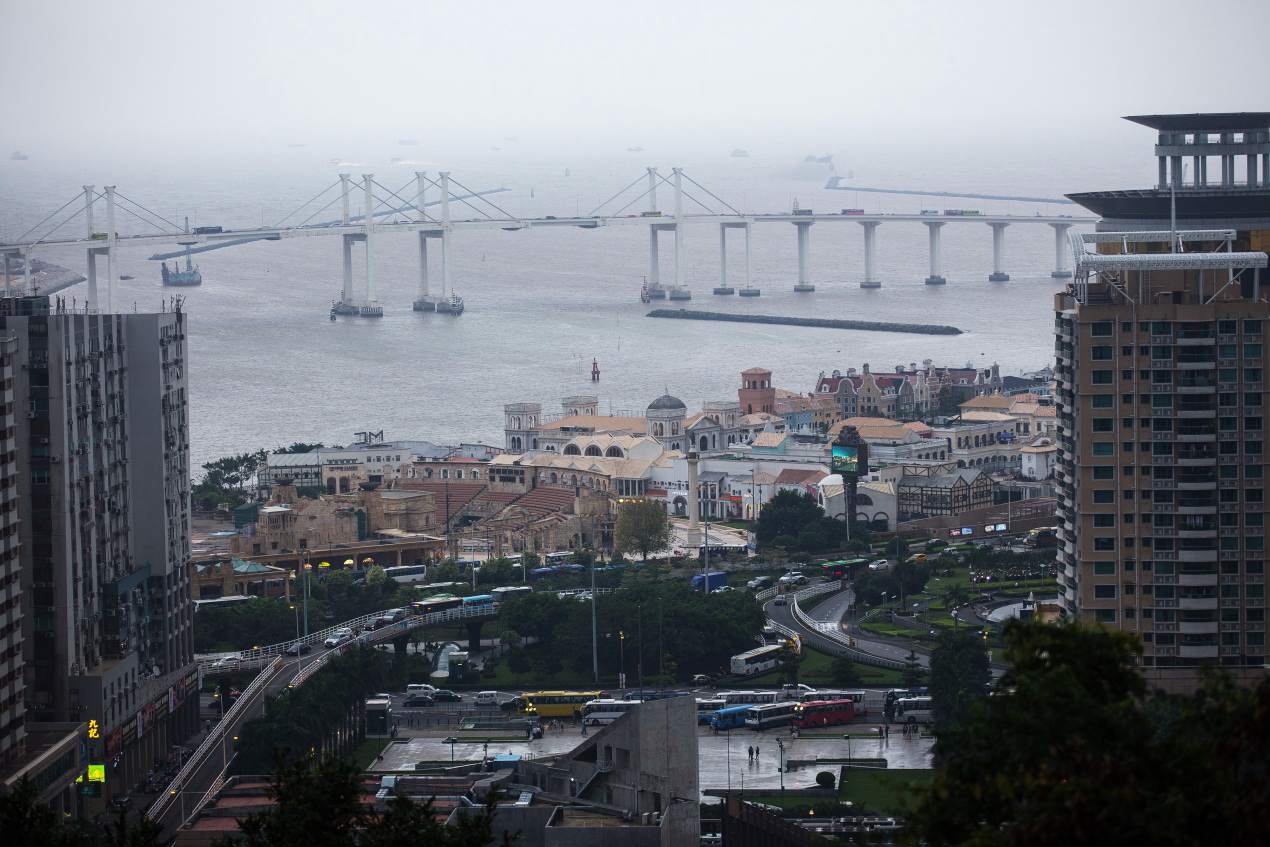
The strong economic and trading relationship between China and Portuguese-speaking countries can be partly attributed to Macao, which has strong connections with Portuguese legal and business practices.
Lying on the western side of China’s Pearl River Delta, Macao was a Portuguese colony until 1999. It still shares similar administrative and legal systems with many Portuguese-speaking countries. Parallel with Chinese, Portuguese is also the official language in Macao. And the people of Macao continue to be influenced by both Chinese and Portuguese culture and traditions.
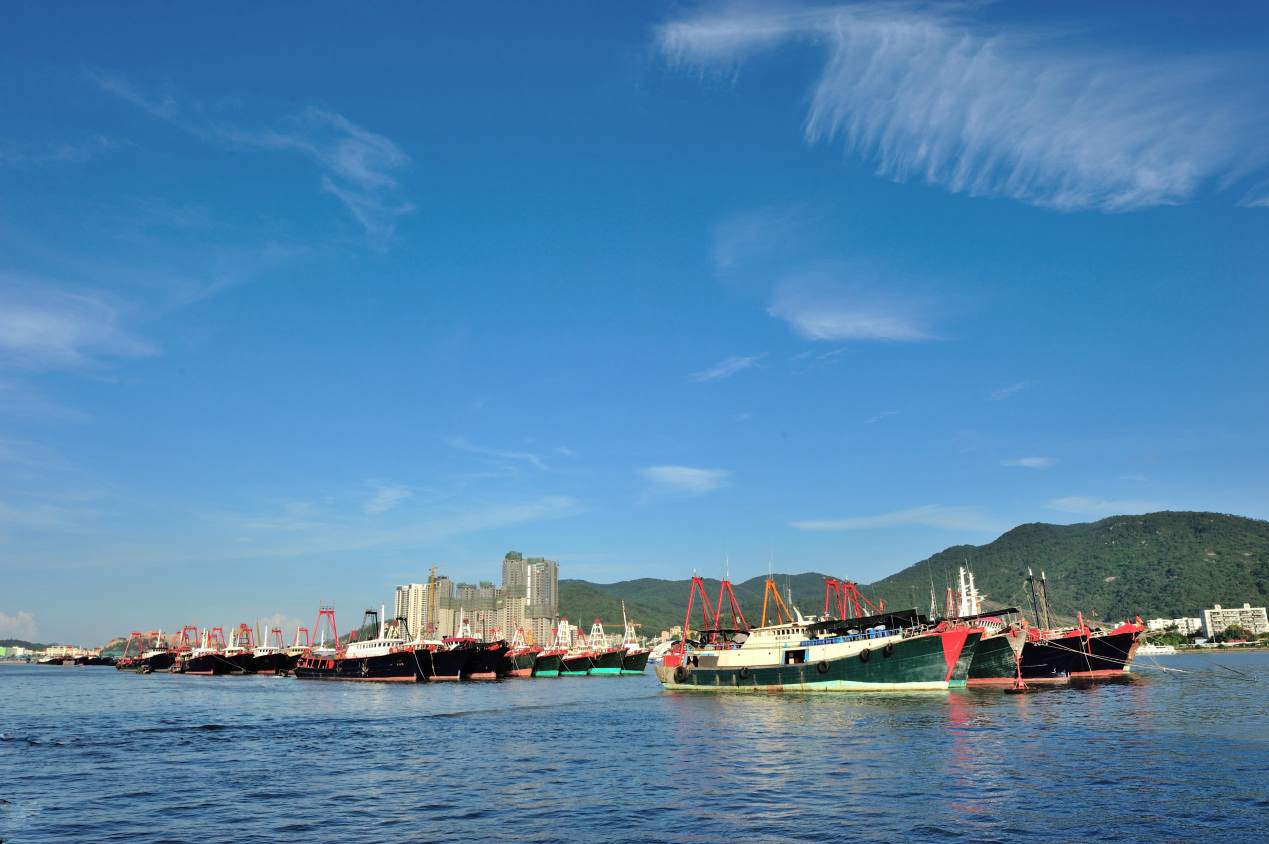
Macao has maintained regular contact with Portuguese-speaking countries, the European Union and Latin American countries in economic matters, culture, law and trade, helping the region establish long-term partnerships.
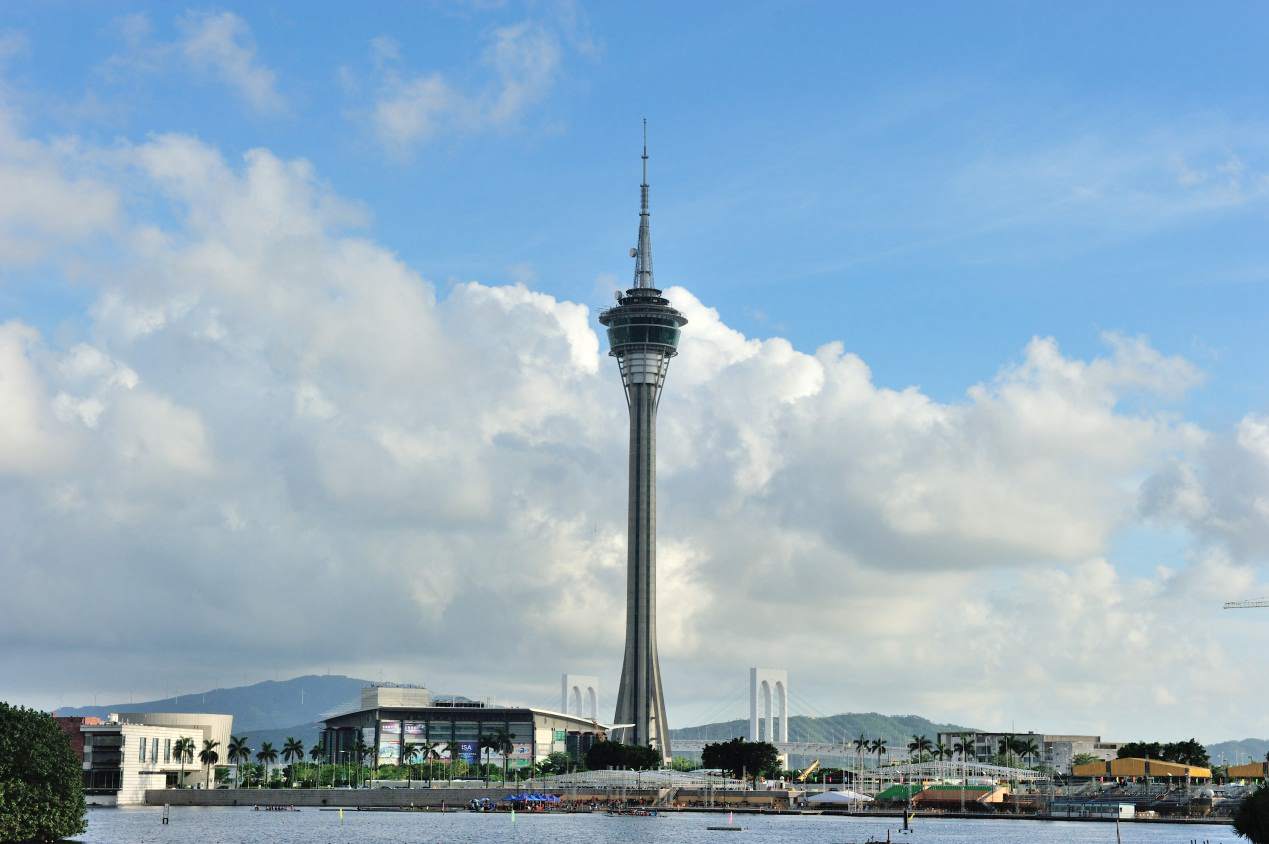
The government of Macao SAR has also been positioning the territory as a service platform for trade between China and Portuguese-speaking countries. As a result of the platform, many enterprises have had the opportunity to globalize their businesses, particularly through exposure to the European market via Portugal.
Enterprises can search for partners both in the Chinese mainland and Portuguese-speaking countries with the help of consultancy firms based in Macao.
EFFECTIVENESS OF FORUM MACAO
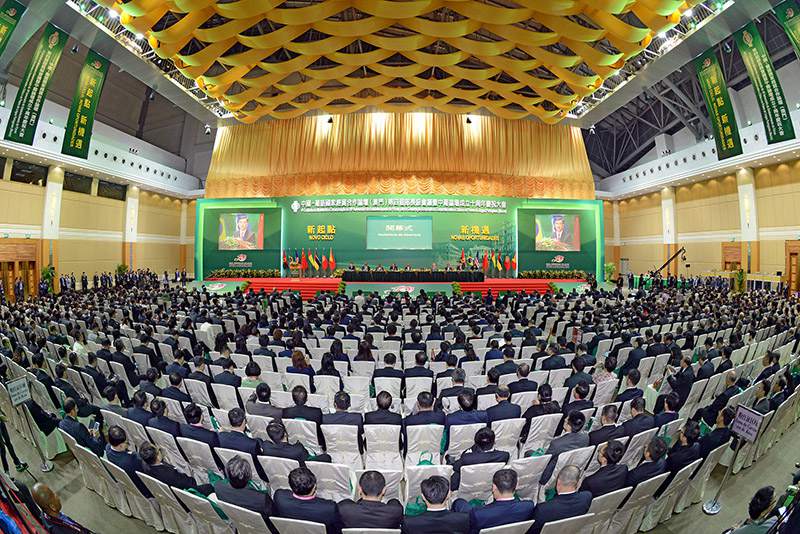
Increasing trade volumes between China and Portuguese-speaking countries are the most obvious benefit brought by Forum Macao. But cooperation and investment between the two sides has also shown marked growth since 2003.
According to the Strategic Plan created at each session of the conference, Chinese enterprises have expanded their interests over the past 13 years, with investments in animal husbandry, mining, hotels and telecommunications. These investments are helping more Chinese firms to go global.
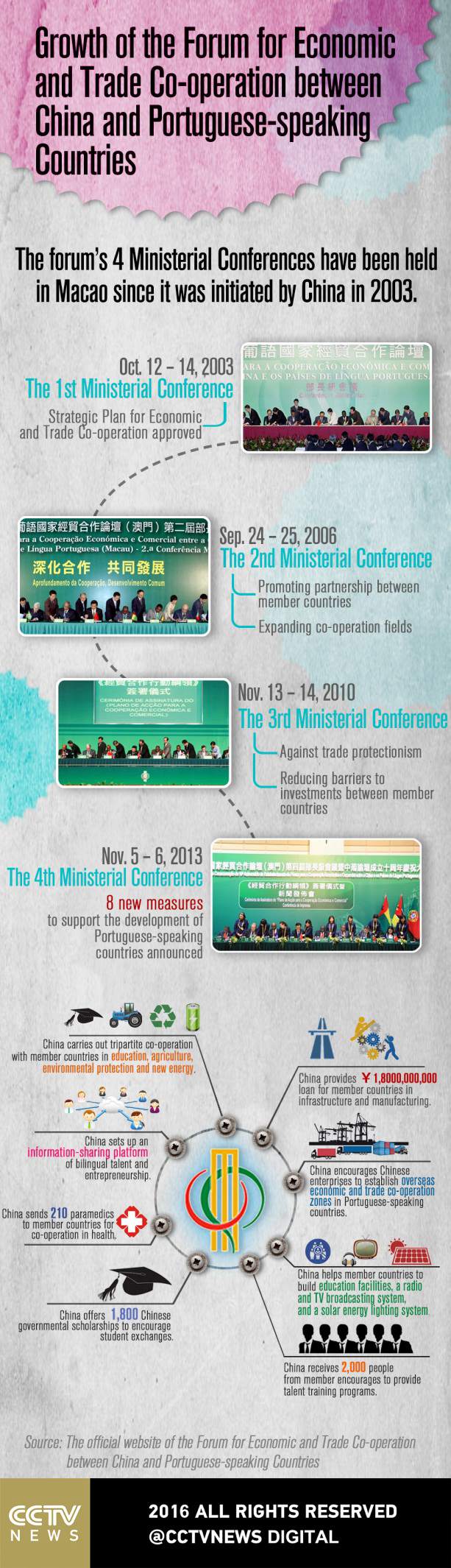
Portuguese-speaking countries also have opportunities to invest in China. Many companies have invested and established factories in the Zhuhai-Macao Cross-border Industrial Zone and exported a large number of products to the Chinese mainland under the Mainland and Macao Closer Economic Partnership Arrangement, which was initiated in 2004.
WHAT CAN WE EXPECT FROM 5TH MINISTERIAL CONFERENCE