
Politics
13:23, 18-Aug-2018
Imran Khan sworn in as Pakistan’s new PM
Updated
13:15, 21-Aug-2018
 ["china"]
Share







Copied
00:31
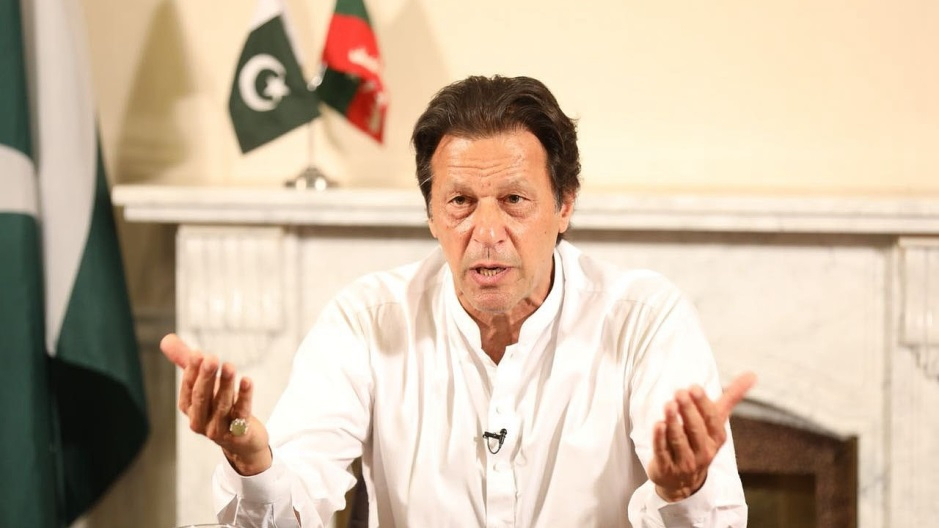
Imran Khan was officially sworn in as Pakistan’s 22nd prime minister at the President’s House in Islamabad on Saturday, after his party, Pakistan Tehreek-e-Insaf (PTI), swept the July 25 general elections.
Read more:
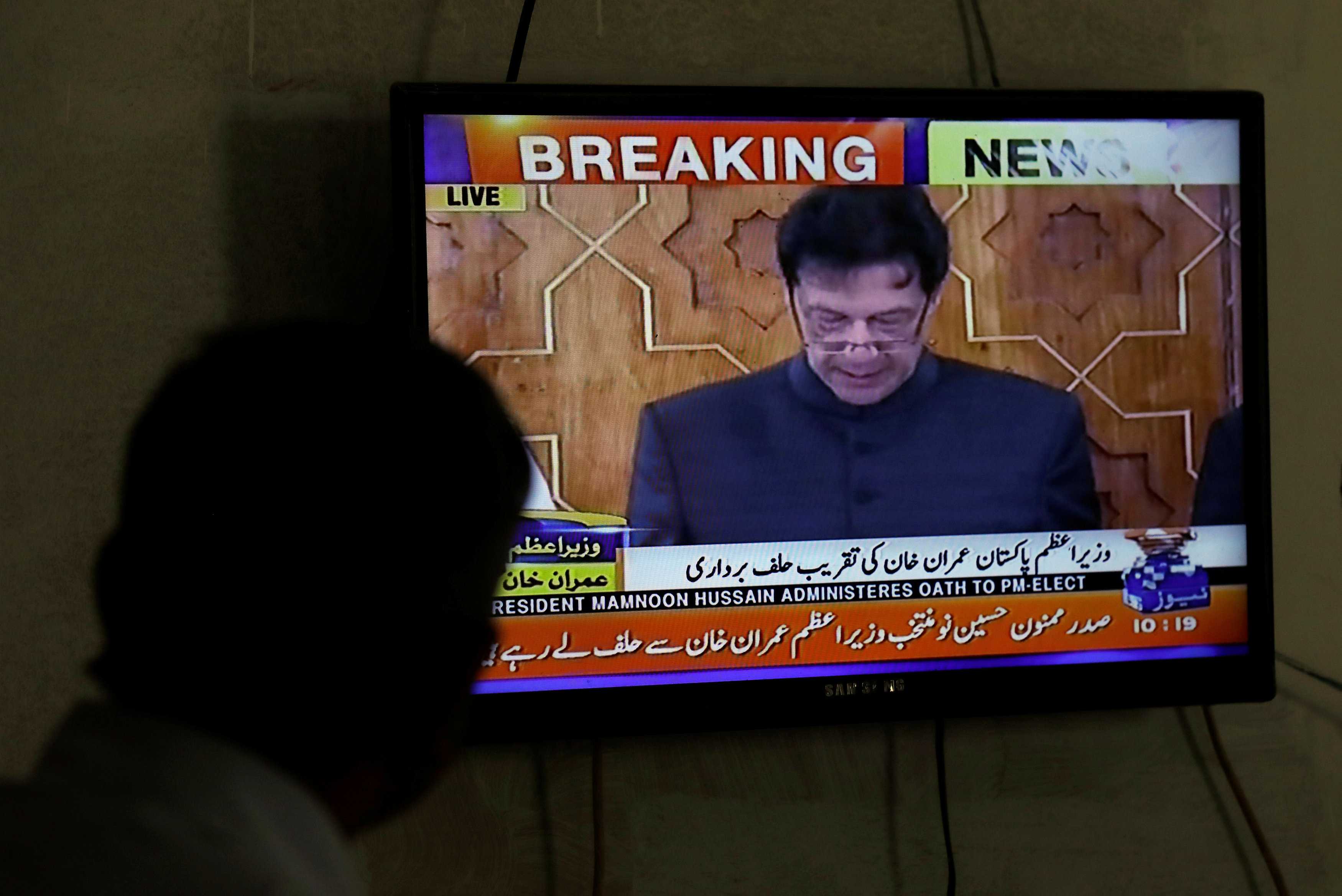
A man looks at a television screen displaying cricketer-turned-politician Imran Khan being sworn in as prime minister of Pakistan, in Karachi, August 18, 2018. /Reuters Photo
A man looks at a television screen displaying cricketer-turned-politician Imran Khan being sworn in as prime minister of Pakistan, in Karachi, August 18, 2018. /Reuters Photo
The PTI party won the most seats in the elections, but not enough for a majority. However, the party now has enough support in the National Assembly to form a government.
The 65-year-old PM promised wide-ranging reforms and pledged to safeguard the interests of ordinary citizens in his first public address on Thursday.
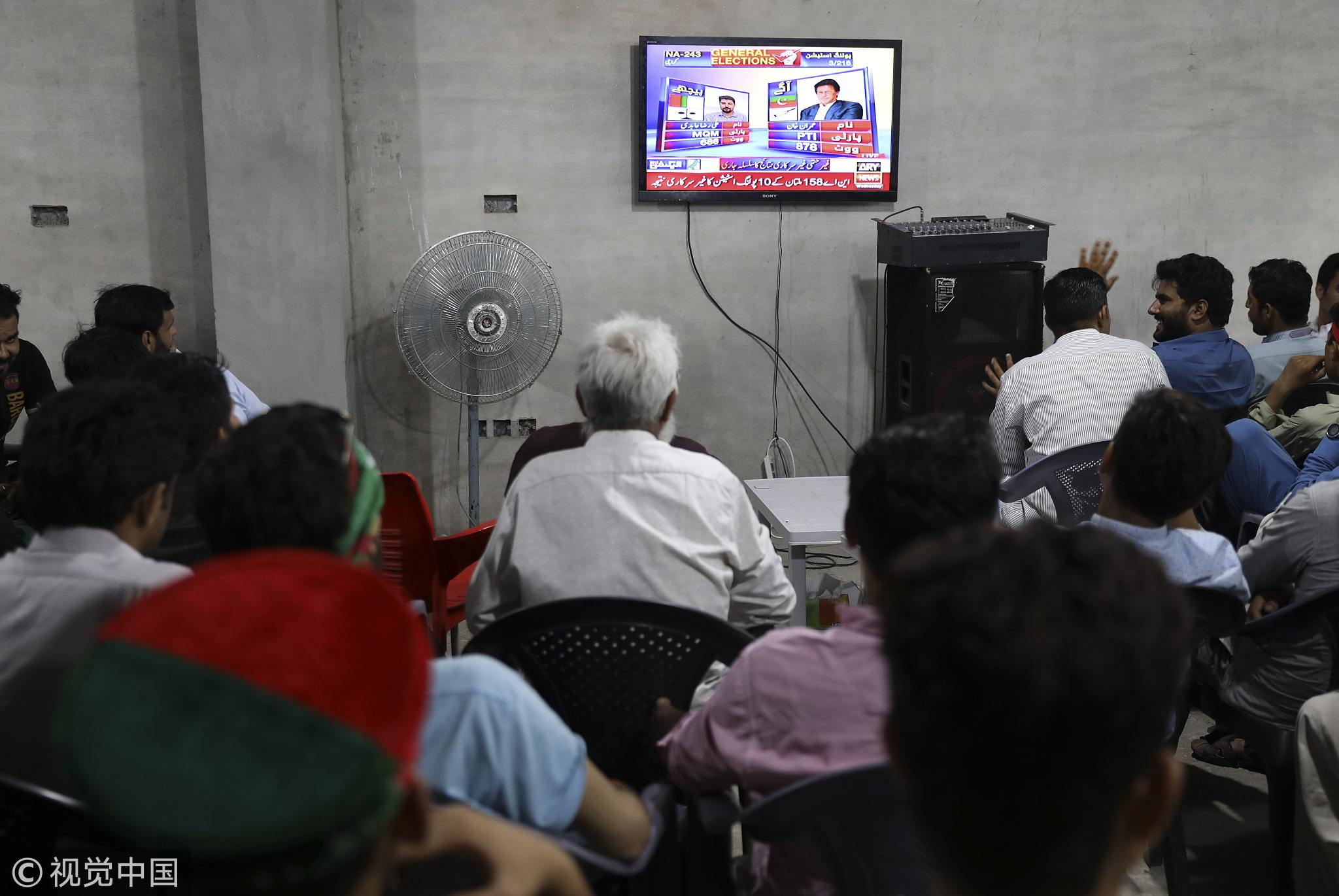
Supporters of Imran Khan, head of the Pakistan Tehreek-e-Insaf (PTI), watch exit poll results on a television in Lahore, Pakistan, July 25, 2018. /VCG Photo
Supporters of Imran Khan, head of the Pakistan Tehreek-e-Insaf (PTI), watch exit poll results on a television in Lahore, Pakistan, July 25, 2018. /VCG Photo
Khan tweeted on Tuesday that Pakistan faces a "grave economic crisis, due to corruption and cronyism."
He is considering a loan from the International Monetary Fund or other countries, and is keen to boost remittances from overseas Pakistanis and improve the business environment.
Khan made an array of promises on welfare and anti-poverty measures in the PTI manifesto – from creating 10 million jobs and building 5 million low-cost homes to establishing an "Islamic welfare state."
He has also promised to reform state-owned enterprises and the tax system.
"Our whole focus is on human development. Nations are not recognized by how their elite live; rather it is recognized by how it treats and lifts its poor," Khan once noted.
Khan, as a cricketer-turned-politician, captained Pakistan to a World Cup victory in 1992.