
TV Show
14:36, 02-May-2019
Nepal wants to serve as a transit country to both of its neighbors
 ["china"]
Share







Copied
01:30
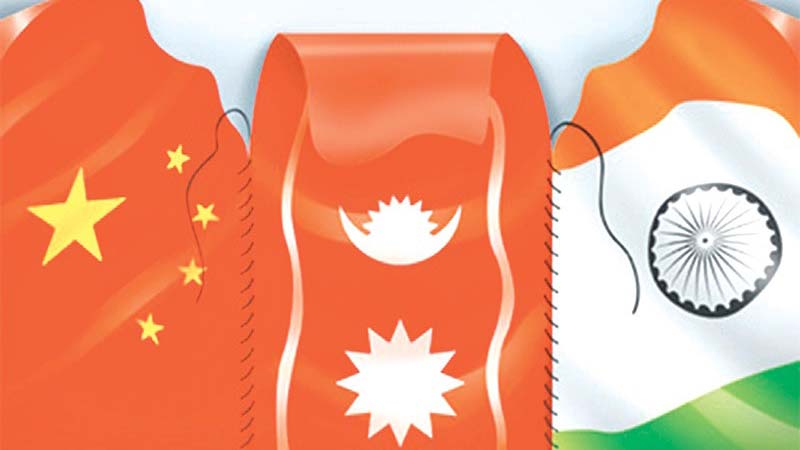
Nepal has developed close ties with its neighbors and Asia's two largest economies, China and India. It has maintained a balanced approach to the regional influences of the two emerging superpowers.
On April 29, Nepal and China signed the Protocol on Implementing Agreement on Transit and Transport and six other agreements in Beijing, allowing Nepal to access seven Chinese ports. The protocol marks the end to Nepal's dependence on Indian routes to trade with the third countries.
Pradeep Kumar Gyawali, foreign minister of Nepal, pointed out that as a landlocked country, Nepal requires critically modern and sophisticated connections with its neighboring countries to reduce production and transportation costs and enhance its competitiveness in the global market.
"For Nepal, connectivity is vital for us," Gyawali emphasized.
Besides geographic vicinity, Nepal and China share some political ideology as both countries have the Communist Party as the current ruling party of the central government.
02:33
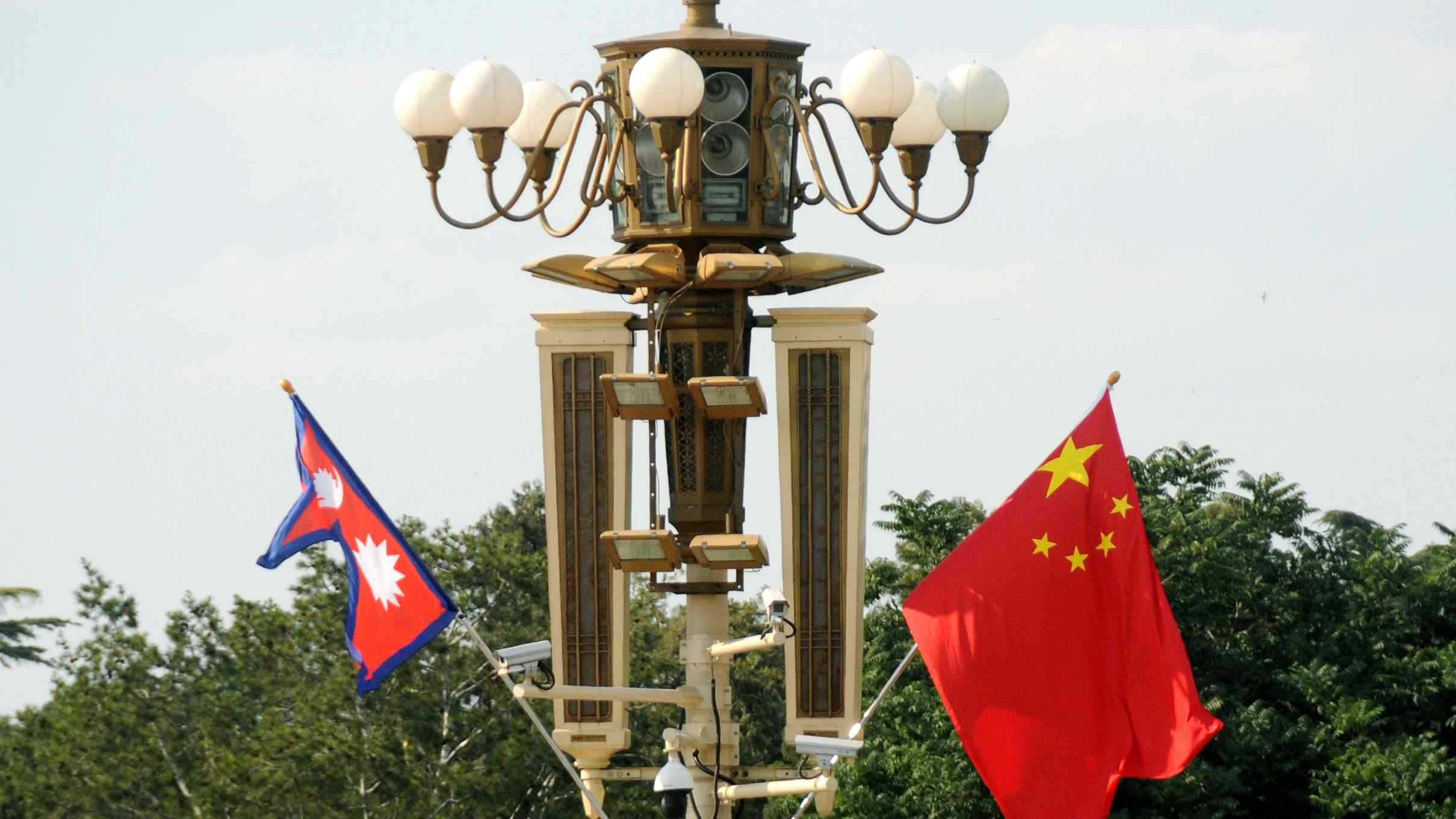
Gyawali acknowledged that socialist governments had failed in various countries, but he and many Nepalese people firmly believe in the future of socialism. He expressed belief that the global financial crisis categorically exposed the limitation of capitalism and proved the relevance of socialism.
"But what type or model of socialist system and economy pursued depends on the reality of that particular country and society," said Gyawali. "The relationship between the countries isn't decided by political ideology, it is decided by the national interests of that particular country."
Speaking of Nepal's other neighbor, India, Gyawali mentioned that Nepal and India share a 1,900km-long open border and similar cultural aspects, but stressed that it doesn't mean that Nepal is under influence of any other country. As one of the few countries that have never been colonized, Nepal always preserves its absolute independence and sovereignty.

The Boudhanath Temple in Nepal. /VCG Photo
The Boudhanath Temple in Nepal. /VCG Photo
Gyawali said Nepalese people wish to see both of their neighbors play instrumental roles in the region. He also noted that the global center is shifting to the East in terms of economics, demographics, and innovation.
"Being the largest economies of Asia, being the largest population of Asia, being the most ancient civilizations of Asia, China and India can play a very important role, a crucial role to transform not only the region, not only for Asia. Their collaboration would be very meaningful for global stability, peace, and prosperity," Gyawali noted.
"We would be very happy if we can serve as a transit country to both of our neighbors," he concluded.
(If you want to contribute and have specific expertise, please contact us at opinions@cgtn.com.)