
Opinions
16:40, 11-Sep-2018
South Africa's priorities as it hosts 2018 Telecom World
Updated
15:47, 14-Sep-2018
 ["china"]
Share







Copied
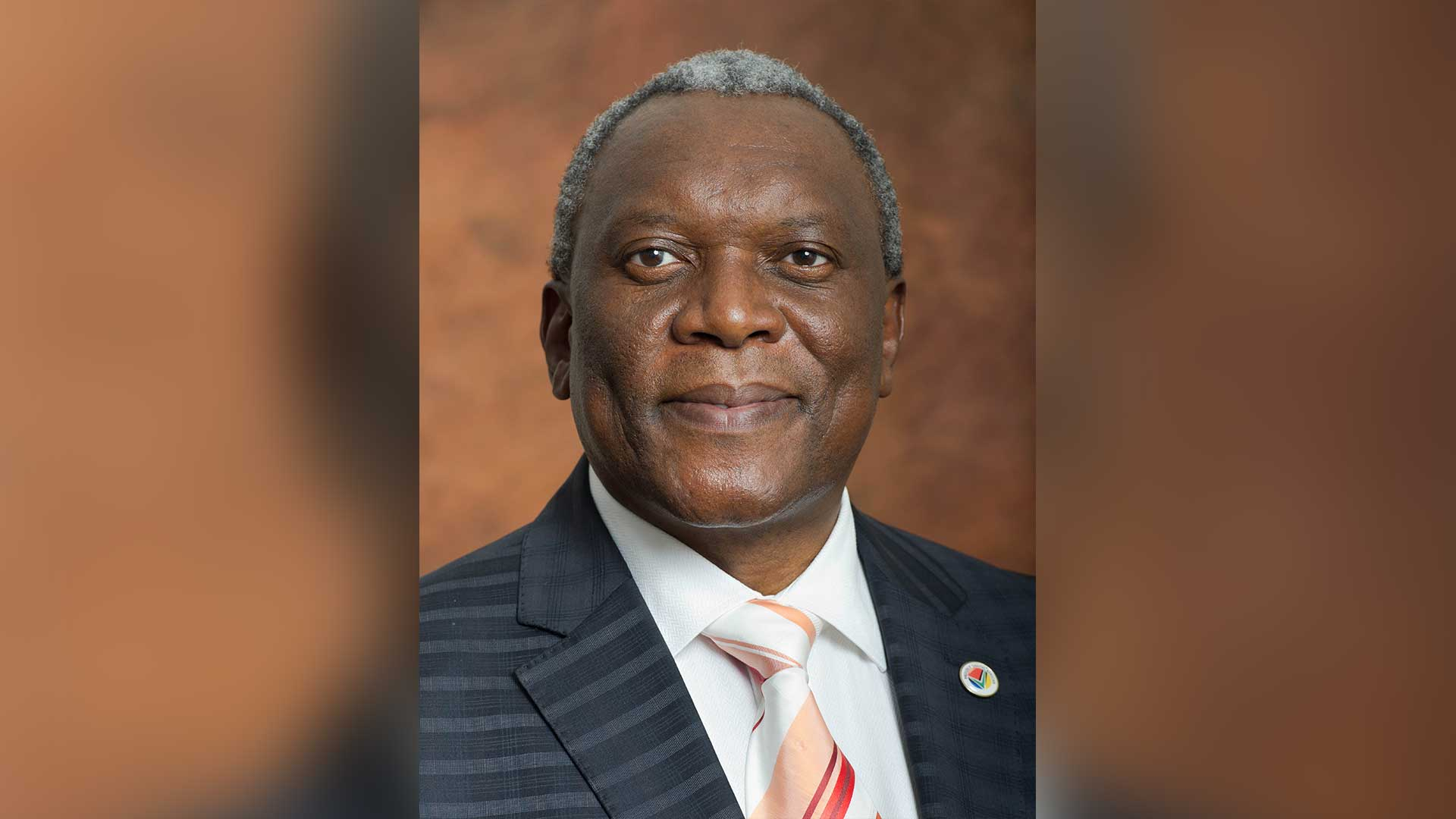
Editor's note: Dr. Siyabonga Cwele is the Minister of Telecommunications and Postal Services of South Africa. The article reflects the author's opinion, and not necessarily the views of CGTN.
This week South Africa is hosting world leaders in the information and communication technologies sector in partnership with the United Nation's International Telecommunication Union (ITU) and the private sector. The ITU Telecom World is being hosted in Durban at the iNkosi Albert Luthuli International Convention Centre from September 10-13, 2018.
The conference is expected to attract 7,000 government ministers, leaders of multilateral organizations, regulators, business, entrepreneurs and small businesses. We are embracing this opportunity because it ensures that Africa's voice is heard in the important technology discussions, which include preparations for 5G networks, impact and ownership of artificial intelligence, cyber security and the risks and opportunities of a smarter world. These are important discussions because Africa cannot afford to be left behind.
We also need to ensure that small businesses are not left behind because they can contribute to the development of finding local solutions to the continent's challenges, thereby, localizing the digital economy. The ITU Telecom World will also afford about 50 African and South African small businesses an opportunity to partner with other entrepreneurs and to seek potential investors. They will be showcasing their ICT capabilities, forging deeper partnerships and staying abreast with global ICT best practices. One of the key legacies of this conference will be the African Digital Transformation Centre which will test and standardize new African technologies on the continent among other things. This will ensure that African innovation is tested on the African continent.
This annual conference is being held on the African continent for the first time and it coincides with the centennial anniversary of Tata Nelson Mandela and Mama Albertina Sisulu. Mandela was the first democratic South African President to address the ITU in 1995. This year's conference takes forward Madiba's vision of bridging the digital divide, using technology for development and ensuring that nobody is left behind.
Addressing the 1995 ITU Telecoms, Mandela said: “Given the fundamental impact of telecommunications on society and the immense historical imbalances, telecommunications issues must become part of the general public debate of development policies. Telecommunications cannot be simply treated as one commercial sector of the economy, to be left to the forces of the free market.”
We shall need collaboration to achieve our goals much faster. This collaboration must be with governments, regulators, private sector, labor and academia. We are hosting this conference with the sponsorship of the private sector.
The ITU Telecom World is scheduled to be addressed by His Excellency President Cyril Ramaphosa, bringing hope of a new dawn for the country, Africa and the world. He is expected to emphasize once more, that we should take advantage of the rapid technological developments to help our countries achieve UN Sustainable Development Goals to improve the quality of life for all humanity.
Collaboration will also help us to define Africa's strategy in relation to data, which is evidently the fuel that propels the digital economy. Our collective decisions and actions will determine if we will forge our own destiny or become slaves to the pace of the digital economy. Decisions we make about data should support localization of the digital economy.
In South Africa, we have the E-Government Strategy which is our guide for digital transformation and modernizing our public service departments to improve service delivery to our citizens. This will enable the government to offer more services online to citizens. Some of the non-sensitive personal data generated through this initiative could be made available to third parties so that it can be used for the development of new products.
Another area of focus should be the collaboration in connecting people who remain offline. The Smart Africa Initiative has resolved to launch the One Africa Network which is aligned to modern thinking in the rollout of infrastructure as the continent strives to connect her unconnected citizens. New ways of connecting people are required because existing methods have left us with the infrastructure gaps which we are now trying to resolve.
Training people in digital skills is as important as rolling out infrastructure to cover everyone. In this regard, African countries are rolling out the Internet for All program which focuses on the provision of digital skills, localization of the Internet content and manufacturing and the rollout of infrastructure. Some private sector companies are partnering with African countries to scale up digital skills training. All these initiatives are important because they facilitate the meaningful participation of Africans in the digital economy and empowers them to do so in their own terms.
We want this collaboration to extend to cybersecurity. Cyber criminals do not respect national boundaries and they can be defeated through collaboration.
The ITU conference is coming to South Africa as we prepare to host the Investment Summit in October. It therefore offers an excellent opportunity to attract investment from ICT investors. South Africa is indeed open for business.
As we host the 2018 ITU Telecom World, we are committed to ensuring that more and more African citizens are connected to this important human right.
(If you want to contribute and have a specific expertise, please contact us at opinions@cgtn.com.)