
Politics
10:30, 27-May-2018
Peace deal at stake in Colombia's crucial presidential election
 ["china"]
Share







Copied
04:17
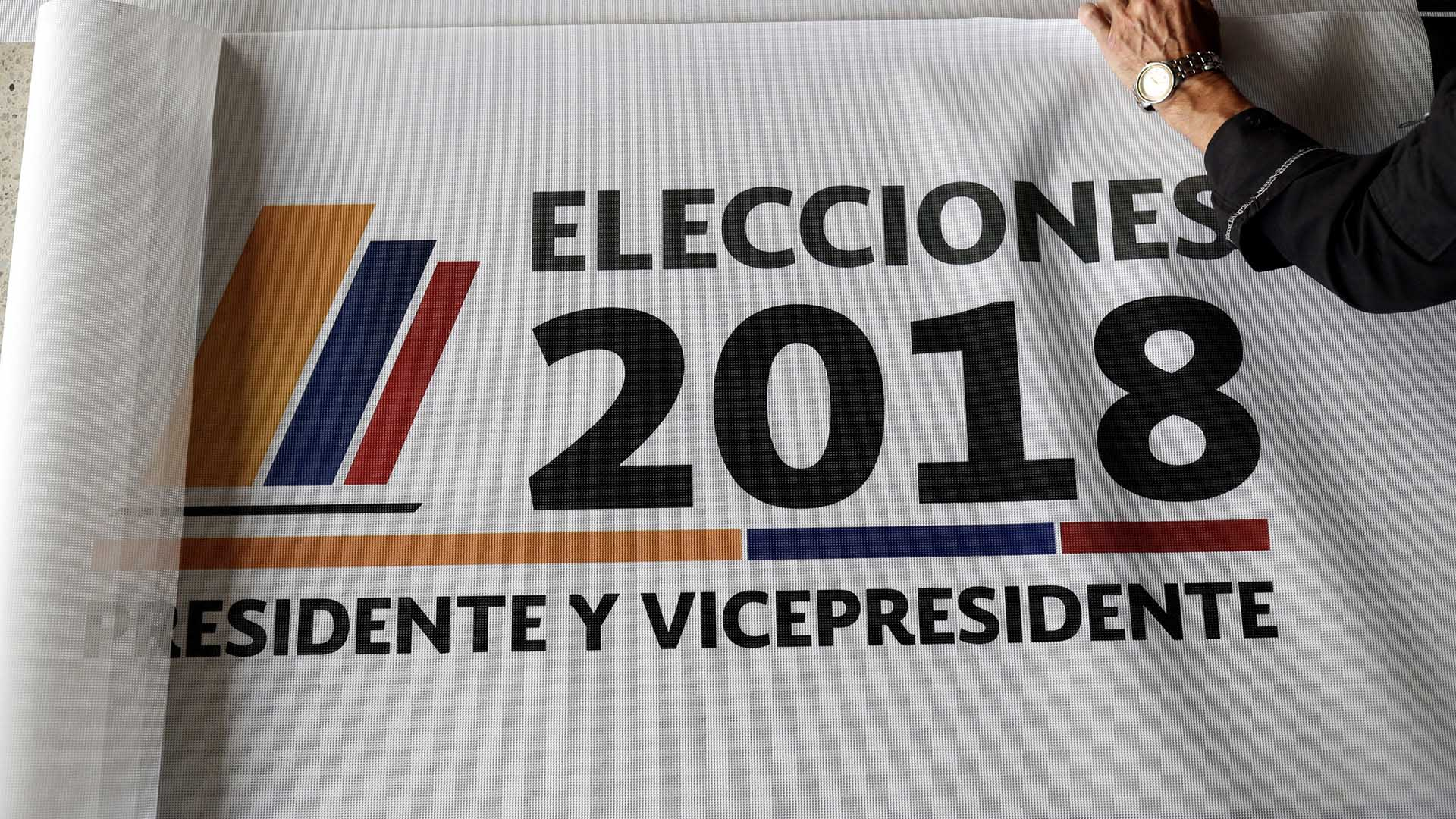
Five men are vying to become Colombia's next leader in a presidential election on Sunday that could determine the fate of a 2016 peace agreement which ended a 50-year-long guerrilla war.
If right-wing candidate Ivan Duque, the front-runner in opinion polls, wins the election, he and his supporters want to see major changes in the accord.
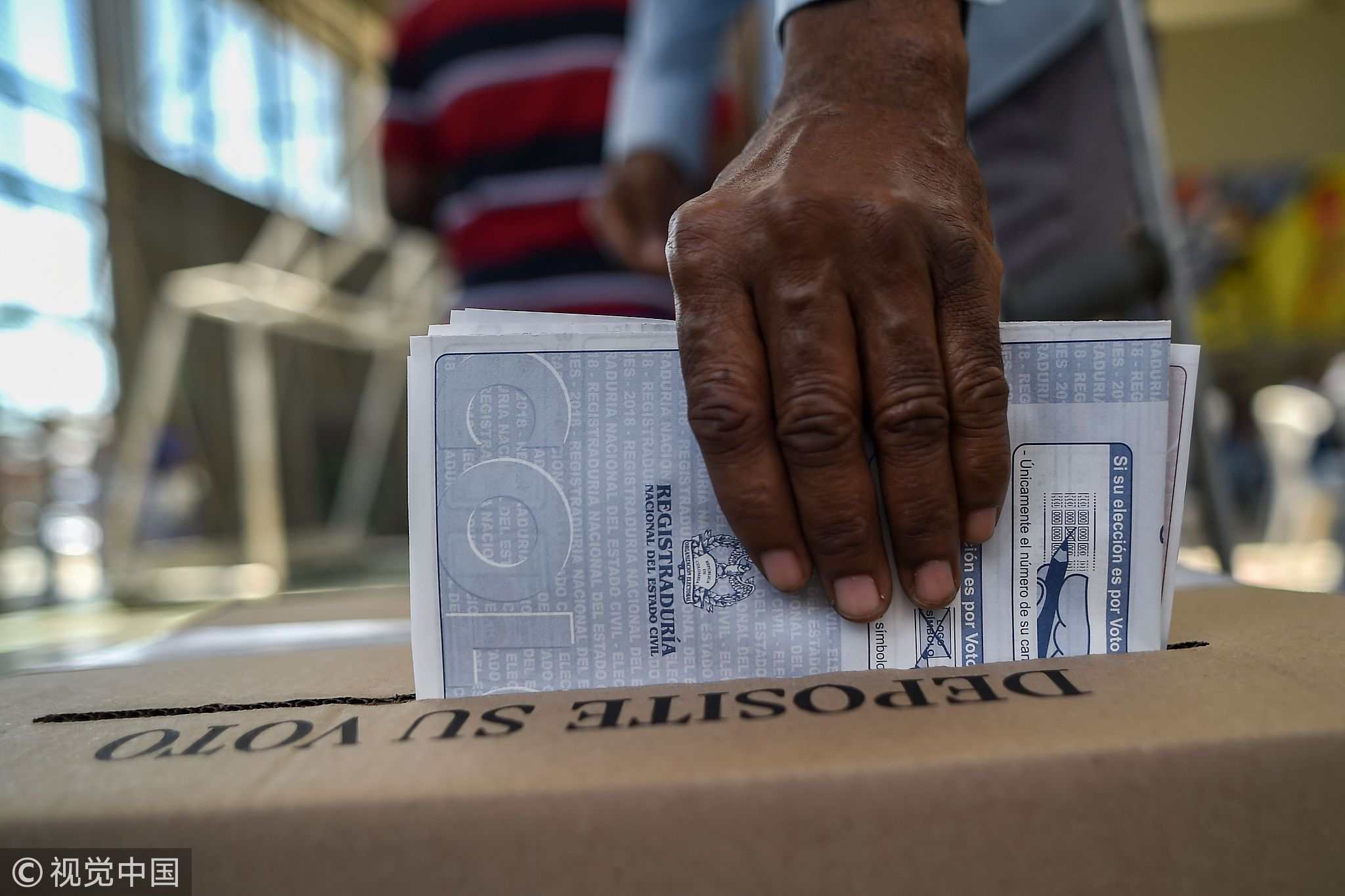
A man casts his vote at a polling station in Cali, Valle del Cauca Department, during parliamentary elections in Colombia, March 11, 2018. /VCG Photo
A man casts his vote at a polling station in Cali, Valle del Cauca Department, during parliamentary elections in Colombia, March 11, 2018. /VCG Photo
"The peace will be kept," said Senator Maria Fernanda Cabal of the Centro Democratico party. "But of course, we need to make some changes."
Duque wants to see stiffer punishments for the FARC leadership and to bar them from running for office.
"They should go to jail for at least five to eight years," insisted Cabal. "But the leader of the guerrillas says they will never do that. What kind of peace is that? Instead, they are taking seats in our congress."
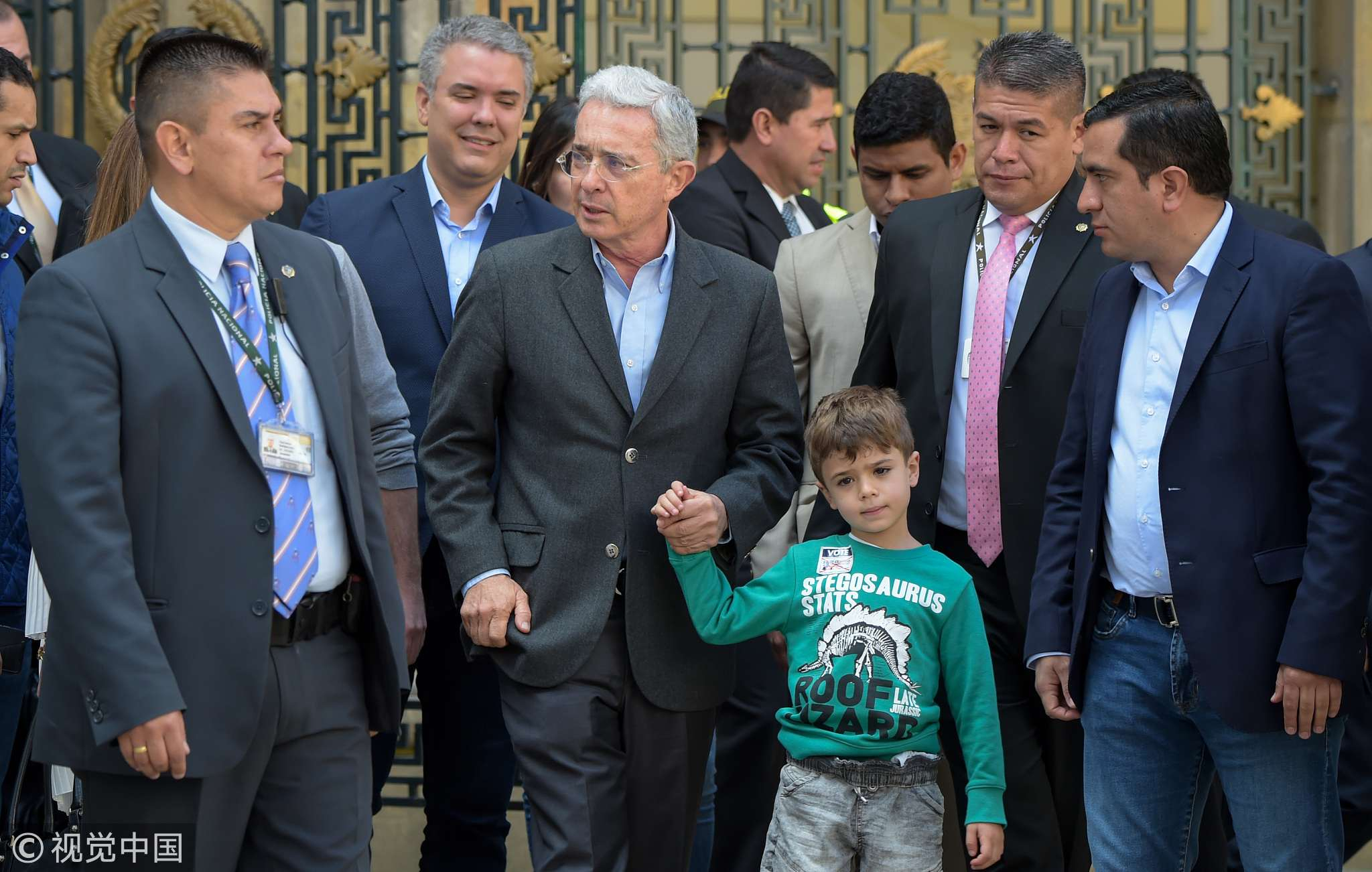
Colombian former president (2002-2010) and current senator Alvaro Uribe (C), accompanied by presidential candidate Ivan Duque, who is running for Uribe's Centro Democratico party, leaves after casting his vote at a polling station during parliamentary elections on March 11, 2018. /VCG Photo
Colombian former president (2002-2010) and current senator Alvaro Uribe (C), accompanied by presidential candidate Ivan Duque, who is running for Uribe's Centro Democratico party, leaves after casting his vote at a polling station during parliamentary elections on March 11, 2018. /VCG Photo
As part of the peace deal, FARC was given a small number of seats in congress and will face a justice tribunal, although most believe the leadership will not spend any significant time in prison.
Supporters of the peace accord fear the Centro Democratico may attempt to undermine the agreement. One prominent member of the party has talked of ripping up the peace deal entirely.
The government and the FARC say that it must remain as it was negotiated.
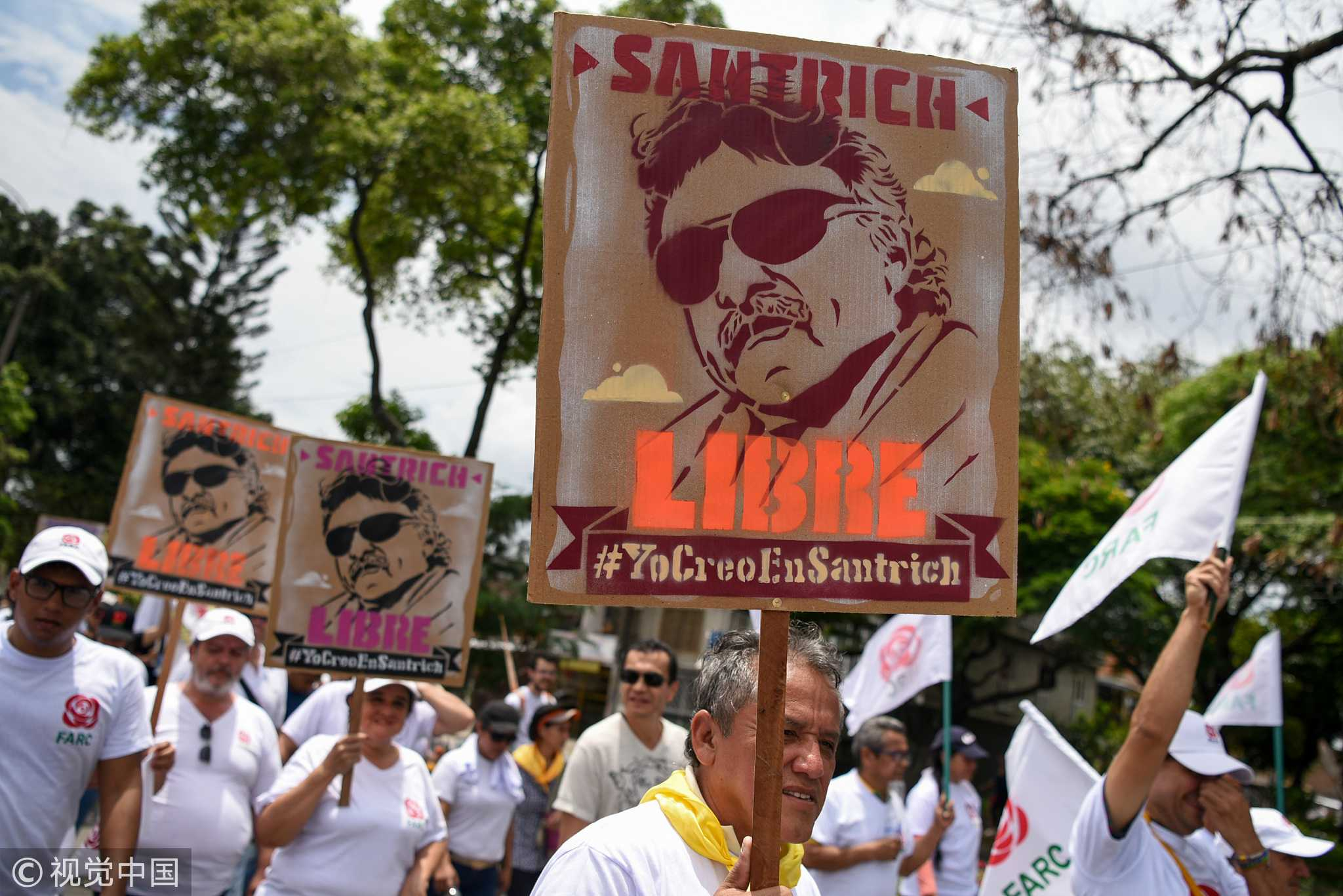
Supporters of the rebel-group-turned-political-party FARC hold signs depicting a former commander who had been slated to take a seat in Colombia's Congress Jesus Santrich, during a May Day march in the city of Cali, May 1, 2018. /VCG Photo
Supporters of the rebel-group-turned-political-party FARC hold signs depicting a former commander who had been slated to take a seat in Colombia's Congress Jesus Santrich, during a May Day march in the city of Cali, May 1, 2018. /VCG Photo
"The deal was signed with the country, not with one particular government," said FARC leader Sandra Ramirez.
The government and FARC point out the constitutional guarantees included no modifications.
But if Duque were to take power, he could alter the peace process by changing the constitution itself.
Read more:
Antonio Navarro Wolf, a supporter of the peace deal, believes the process could survive minor changes. But if it was gutted, and top leaders imprisoned, he says thousands of lower-ranking ex-guerrillas could return to the mountains.
"They have homes and they could go back to producing cocaine," said Senator Antonio Navarro Wolf. “So they would have places to go and money to live on. We could end up in a new period of conflict."
The Colombian government is trying to start peace talks with a smaller guerrilla group, the ELN. If the deal with the FARC is changed, the rebels may wonder how much they can trust the government.