
Business
14:01, 16-Jul-2018
India to head World Customs Organisation in Asia-Pacific as trade tensions loom
Updated
14:01, 19-Jul-2018
 ["other","India"]
Share







Copied
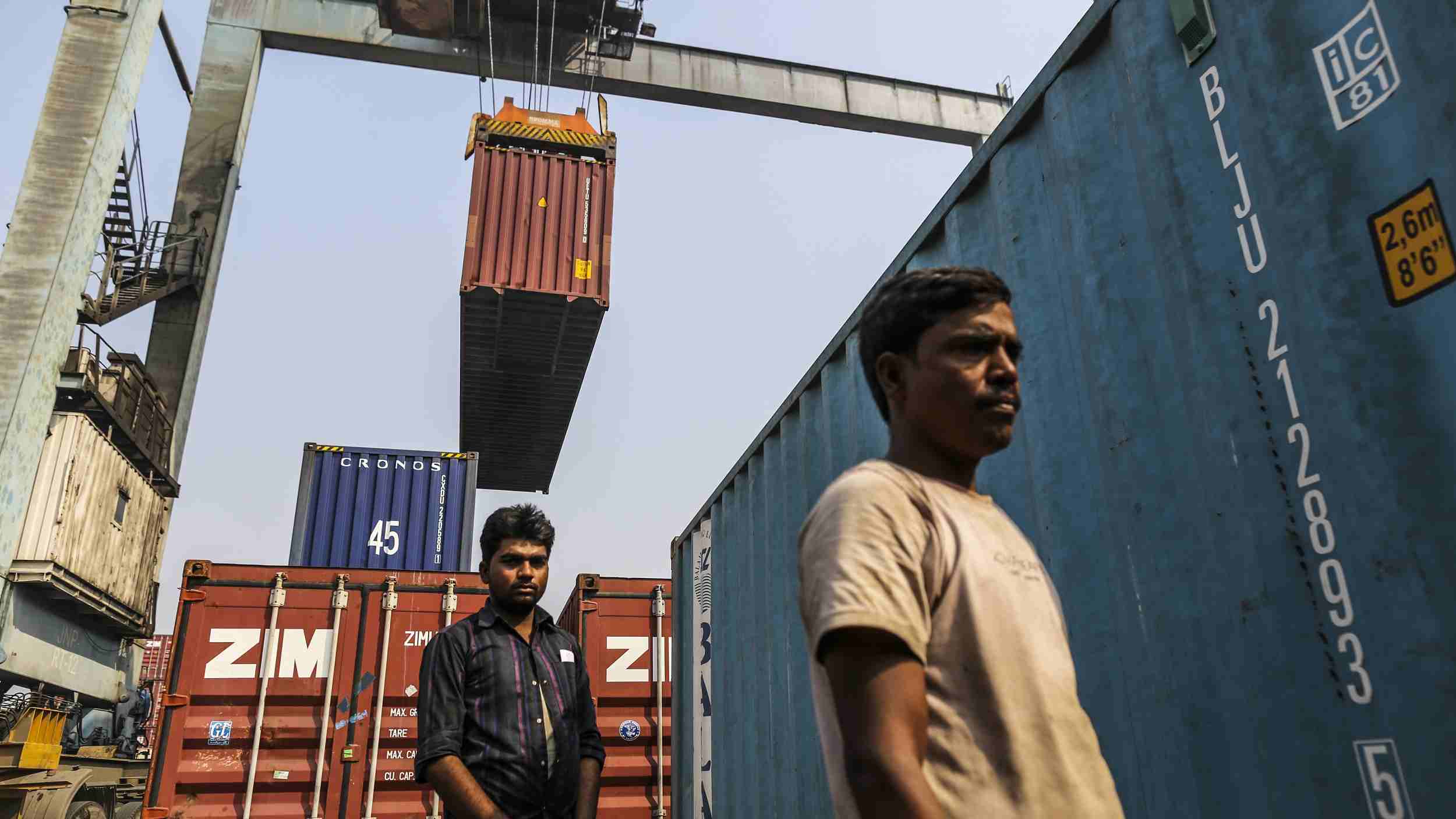
India will assume the role of Vice Chair of the Asia Pacific Region of World Customs Organisation (WCO) on Monday, with New Delhi saying the move will “enable India to take on a leadership role” during a crucial juncture for global trade.
A statement by the Indian Ministry of Finance published on Sunday said senior officials and customs delegations of 33 countries of the Asia-Pacific region will take part in a ceremony in New Delhi, followed by a seminar focusing on cross-border e-commerce.
The WCO represents 182 customs administrations around the world, through which 98 percent of all trade passes.
According to the statement, India will take its seat as “Regional Head” of the WCO until June 2020, a critical two-year period during which protectionism and US tariffs could threaten the global trade order, without effective leadership and cooperation in place.
While not as prominent as the World Trade Organization (WTO), the Brussels-based WCO works in tandem with the WTO on areas such as market access, rules of origin and trade facilitation.
In recent weeks India has increasingly been against US trade policies. At the end of April, India joined China and several other countries at the WTO in condemning “the unilateralism and protectionism” displayed by the US.
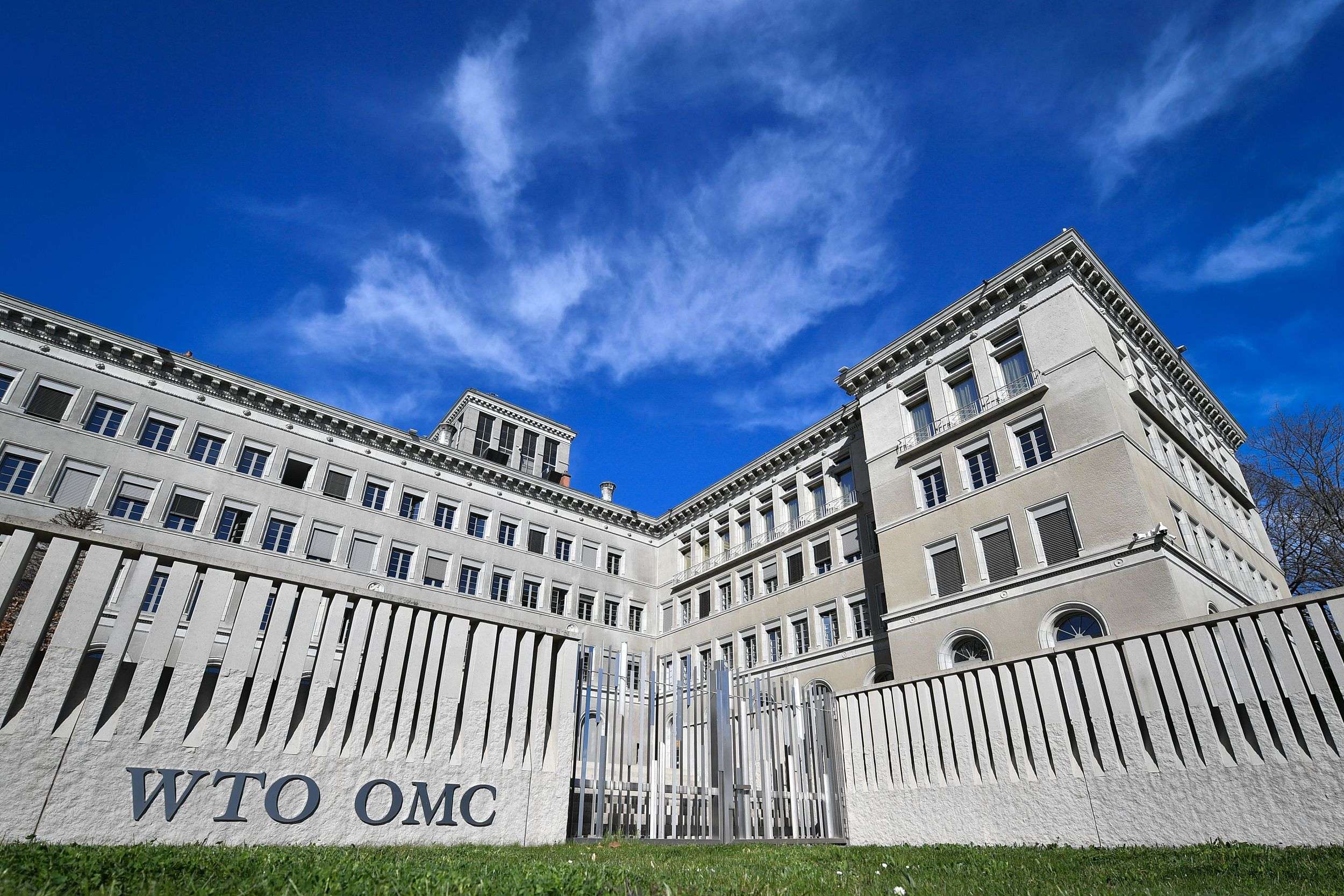
Countries including China and India have filed complaints to the WTO over US tariffs. /VCG Photo
Countries including China and India have filed complaints to the WTO over US tariffs. /VCG Photo
India’s representative at the WTO was quoted as saying “adoption of unilateral measures by members will erode our long-cherished principles of predictability and non-discrimination and can lead to a real risk of a full-blown trade war.”
Last Thursday, China’s Ministry of Commerce said that the trade war launched by the US is global, and not only with China.
The Trump administration in March placed tariffs on imports of Indian steel and aluminum, worth 1.2 billion US dollars, according to the WTO.
In June, India responded in kind, putting tariffs on 241 million US dollars’ worth of US goods – a value equivalent to the losses incurred by the US steel and aluminum tariffs.
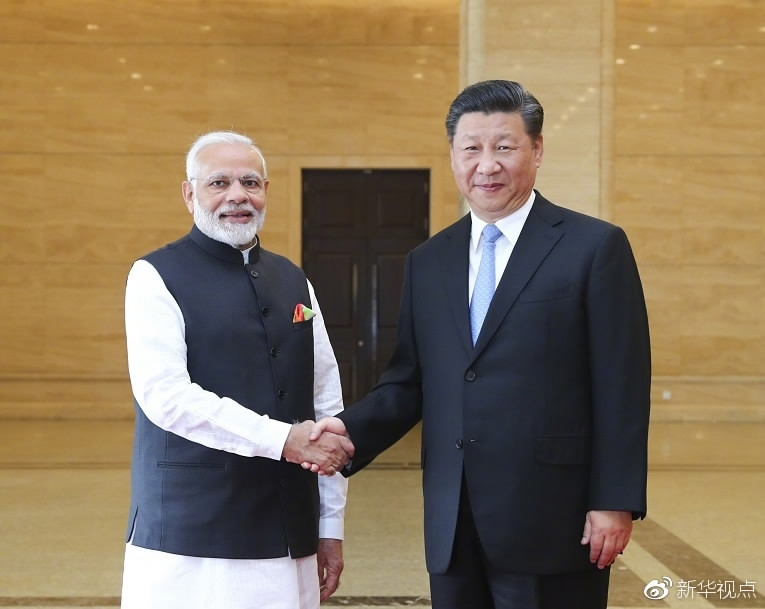
Chinese President Xi Jinping and Indian Prime Minister Narendra Modi visit an exhibition of cultural relics at Hubei Provincial Museum in Wuhan, Hubei Province, April 27, 2018. /Xinhua Photo
Chinese President Xi Jinping and Indian Prime Minister Narendra Modi visit an exhibition of cultural relics at Hubei Provincial Museum in Wuhan, Hubei Province, April 27, 2018. /Xinhua Photo
China and India have moved towards closer cooperation this year, with informal talks between Chinese President Xi Jinping and Indian Prime Minister Narendra Modi in April leading to a "comprehensive" consensus on global and bilateral issues concerning both.
Since that meeting, both sides have sought to resolve trade issues through dialogue, and progress has been made on improving economic ties.
Effective from July 1, China adjusted tariffs on products under 8,549 tariff codes made in Bangladesh, India, Laos, South Korea and Sri Lanka, as part of a tariff concession arrangement reached under the Asia-Pacific Trade Agreement (APTA).
Last week, China’s Foreign Ministry revealed that Beijing and New Delhi have agreed to slash tariffs on the import of Indian medicines, including anti-cancer drugs.
While continuing to apply pressure on the WTO to take action against the US, India is still seeking further cooperation with China on addressing the large trade deficit between the two countries, as well as visa restrictions and certain Indian exports.
In a submission made to the WTO last week, India’s representative said “this large and growing deficit is difficult for India to sustain, and serious efforts need to be made to remedy the situation.”
China currently has a trade surplus of around 52 billion US dollars with India, while bilateral trade reached a record 84.4 billion US dollars in 2017.