
World
10:51, 27-May-2018
Lebanon concerned new Syrian law could obstruct refugees' return
 ["other","Middle East"]
Share







Copied
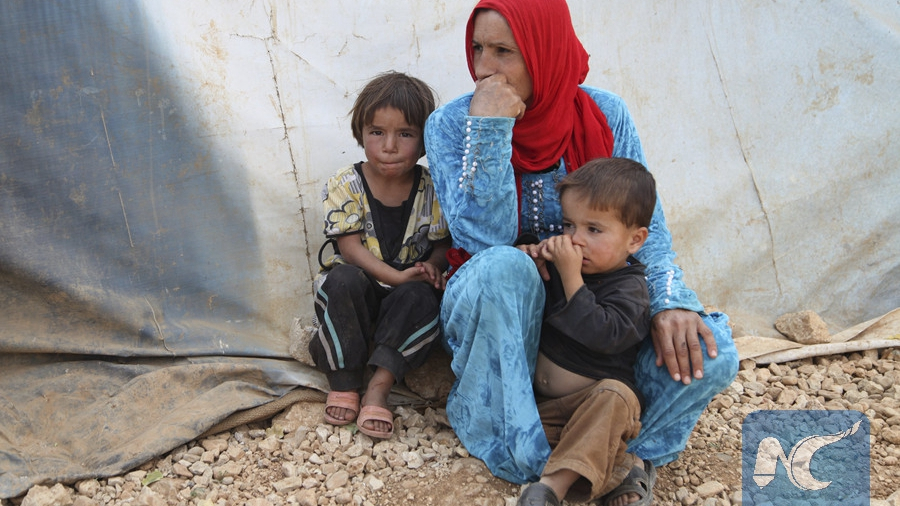
Lebanese Foreign Minister Gebran Bassil expressed concern on Saturday over a new Syrian law aimed at redeveloping areas crushed by the seven-year conflict, but which could potentially block the return of many refugees to their homes.
Bassil wrote in a letter to his Syrian counterpart Walid al-Moualem that the terms of "Law 10" could make it difficult for refugees to prove property ownership, and in turn discourage some from returning.
The initiative asks people to prove they possess property in areas chosen for reconstruction within a period of 30 days, and claim compensation. But aid groups say the chaos of war means few will be able to do so in the time specified.
The law was introduced in early April but has yet to be applied.
Authorities in Lebanon fear that the limited time frame could lead to Syrian refugees losing their properties, and eventually discourage them from going back to their homeland – something many in the tiny country don’t want to see happen as tensions surge over the economic fallout and arguably security risks resulting from Lebanon hosting over a million Syrian refugees.
"The inability of the refugees to practically present what proves their possession [of their properties] during the given time limit might lead to them losing their properties and their sense of national identity," Bassil said in the letter.
"This would deprive them of one of the main incentives for their return to Syria," he added.
A number of Lebanese officials and politicians have aired their concerns over the protracted stay of Syrian refugees in the country, as the Syrian army and pro-government forces retake more swathes of land. Some fear a repetition of the scenario of the Palestinian refugees, according to which a temporary situation turns into a seemingly permanent one.
Bassil's comments echo that of Lebanese Prime Minister Saad al-Hariri, who also cast doubt over the Syrian law.
"This law concerns us in Lebanon," Hariri said on Tuesday, "because it tells thousands of Syrian families to stay in Lebanon" by threatening them with property confiscation.
There have been official calls in Lebanese for Syrian refugees to return to calmer parts of their country, including from President Michel Aoun.
The United Nations however argues that Syrian refugees should not be forced to go back.
Last month, nearly 500 refugees were shuttled by buses from Lebanon to Beit Jinn district, southwest of Damascus, which returned to government control in December. The move was organized by the Lebanese authorities, without the involvement of the United Nations High Commissioner for Refugees (UNHCR). In a statement, the UN agency noted it was not taking part in organizing "these returns or other returns at this point, considering the prevailing humanitarian and security situation in Syria."
Bassil also sent a similar letter to UN Secretary-General Antonio Guterres, calling for action to protect the rights of Syrian refugees in maintaining their properties.
(With input from agencies)
[Top image: Syrian refugees from Raqqa rest near their tents in the Bekaa valley, Lebanon, Oct. 19, 2015. /Xinhua Photo]