
Business
18:19, 17-Jul-2018
China EconTalk: Fintech becomes a booster of RMB internationalization
Updated
17:47, 20-Jul-2018
 ["china"]
Share







Copied
03:31
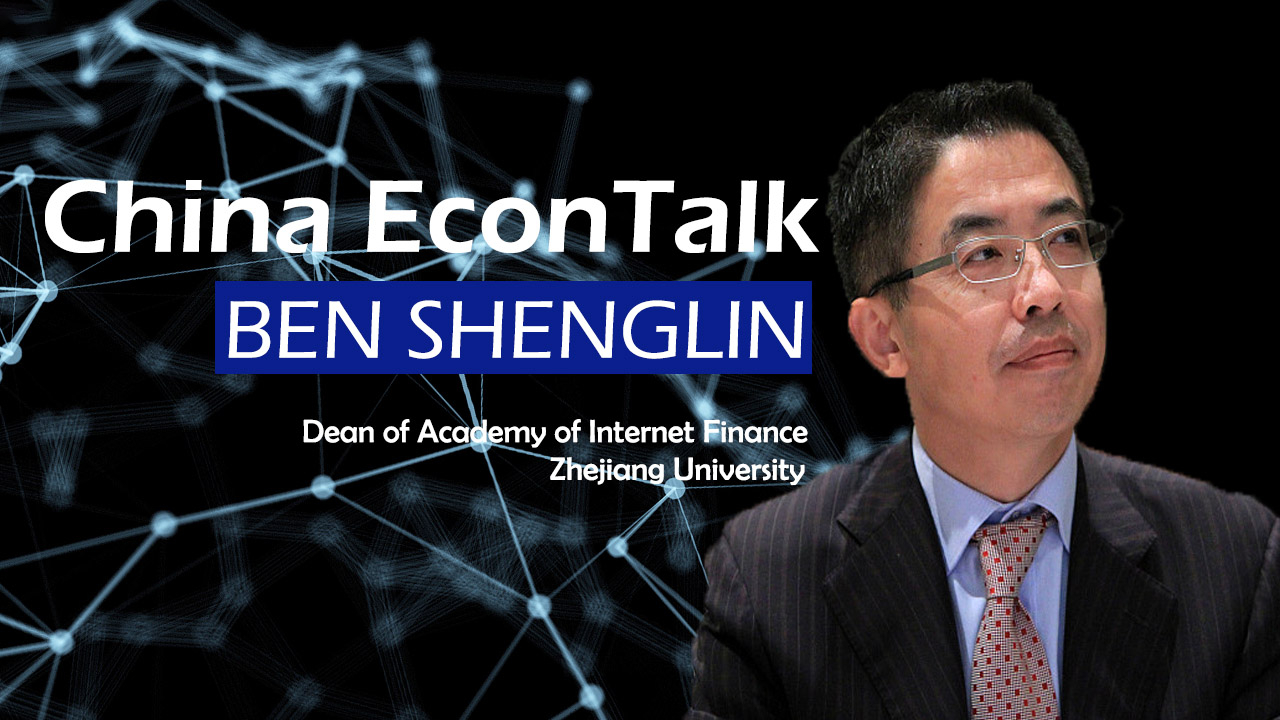
Professor Ben Shenglin, the dean of Zhejiang University's Academy of Internet Finance, talked about the world's two largest economies working together rather than escalating trade tensions.
The professor said the trade frictions between China and the US would bring some negative effect to the rest of the world. In that case, he still suggested the two countries can collaborate with ration rather than escalating trade tensions.
Some experts said that the trade tensions may accelerate renminbi’s internationalization, unwittingly. And Ben prefers fintech rather than trade uncertainty to be the booster of RMB internationalization.
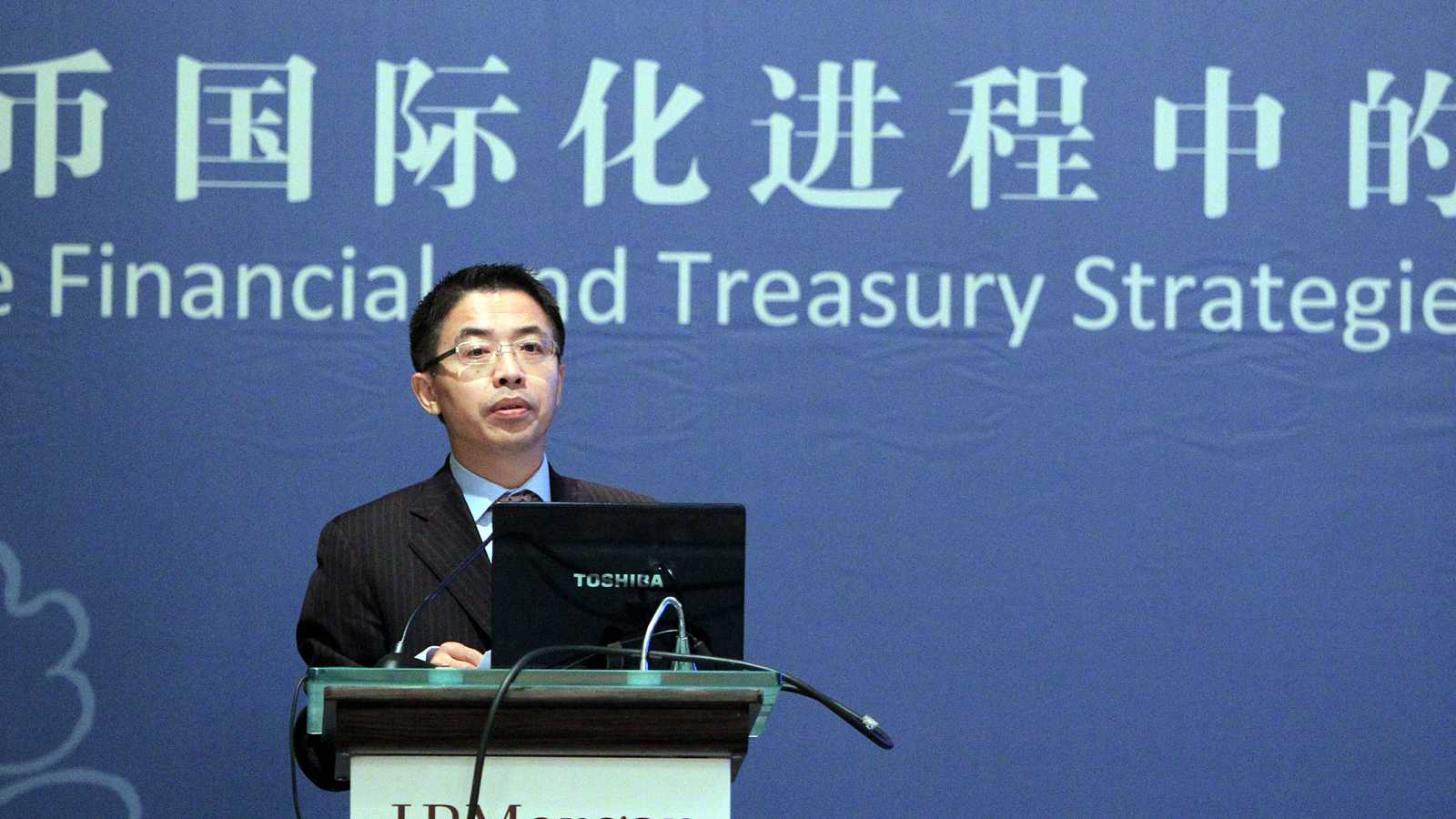
Ben Shenglin, the dean of Zhejiang University's Academy of Internet Finance. /VCG Photo
Ben Shenglin, the dean of Zhejiang University's Academy of Internet Finance. /VCG Photo
Fintech is relatively a new thing, and China is playing a leading role in that area globally, according to Ben. "As the awareness of fintech is raised up in other countries, they will understand that ‘oh it’s such a wonderful thing. We probably can learn and do it as well,'" Ben said.
Since China is the dominant player in the fintech sector, the booming of fintech could let the locals in other countries open RMB account, then transact in the low costs and in an efficient way, according to Ben.
“That actually creates an additional market in terms of using RMB for local usages by the local people, which would help the RMB internationalization,” Ben explained.
But the problem still exists. Ben admitted that China’s regulation of fintech is falling behind the market development, and he advised the policymakers to find out the most suitable regulatory regime for the fintech.