

Renovation begins at emperor's office at the Palace Museum
Updated 10:54, 07-Sep-2018
[]
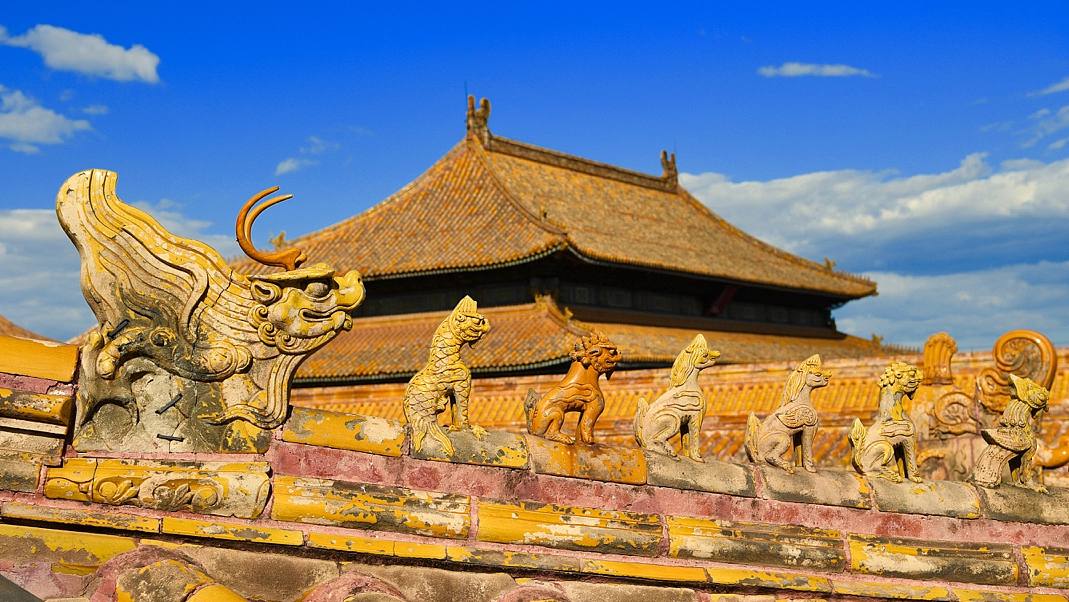
The Palace Museum, also known as the Forbidden City, on Monday began the official renovation on the Hall of Mental Cultivation, a palace building where eight emperors of the Qing Dynasty (1644-1911) resided and handled state affairs. /VCG Photo
The Palace Museum, also known as the Forbidden City, on Monday began the official renovation on the Hall of Mental Cultivation, a palace building where eight emperors of the Qing Dynasty (1644-1911) resided and handled state affairs. /VCG Photo

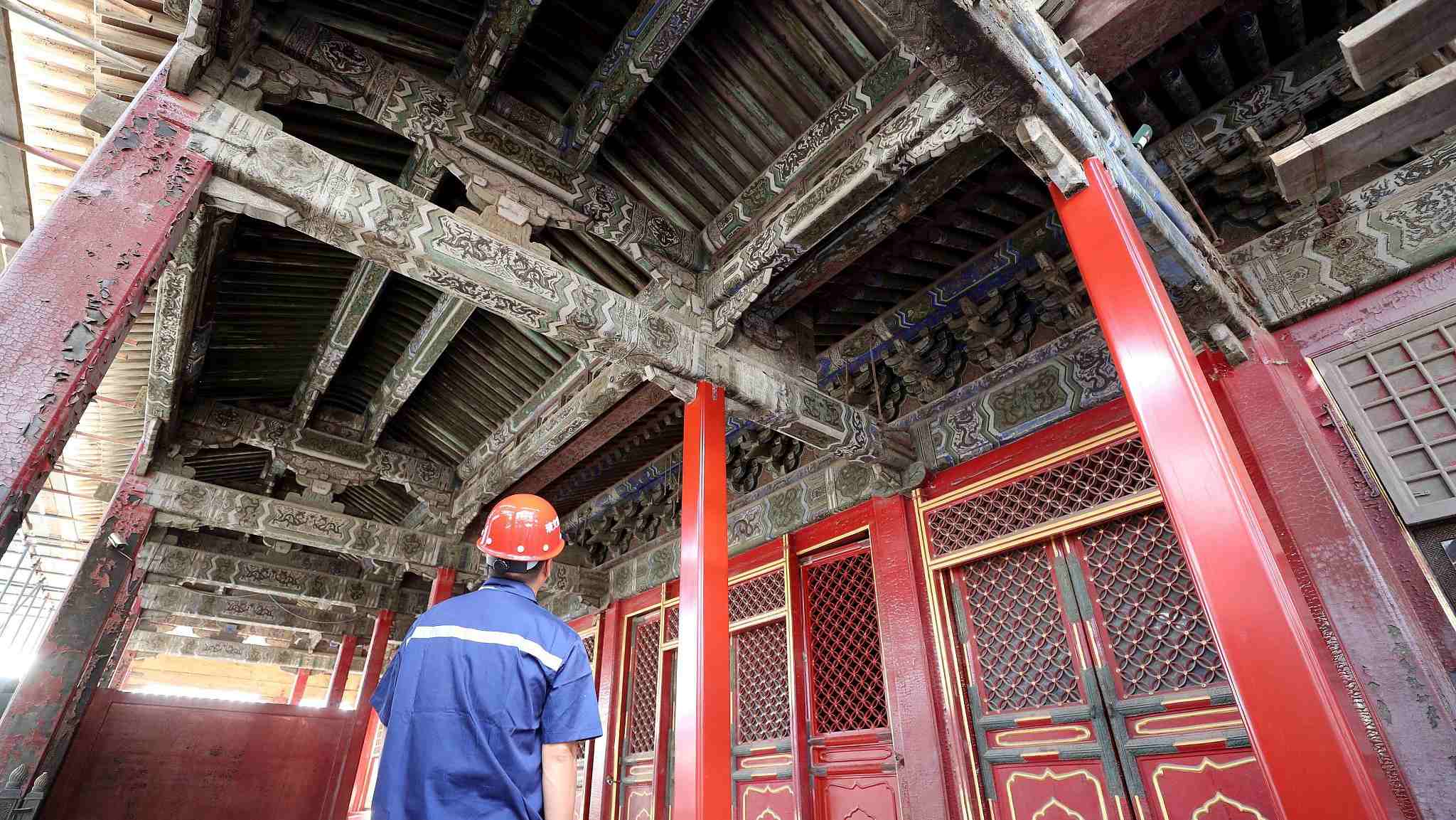
To prepare for the renovation, the museum had closed the palace since 2015 and conducted a series of researches and examinations. /VCG Photo 
To prepare for the renovation, the museum had closed the palace since 2015 and conducted a series of researches and examinations. /VCG Photo 

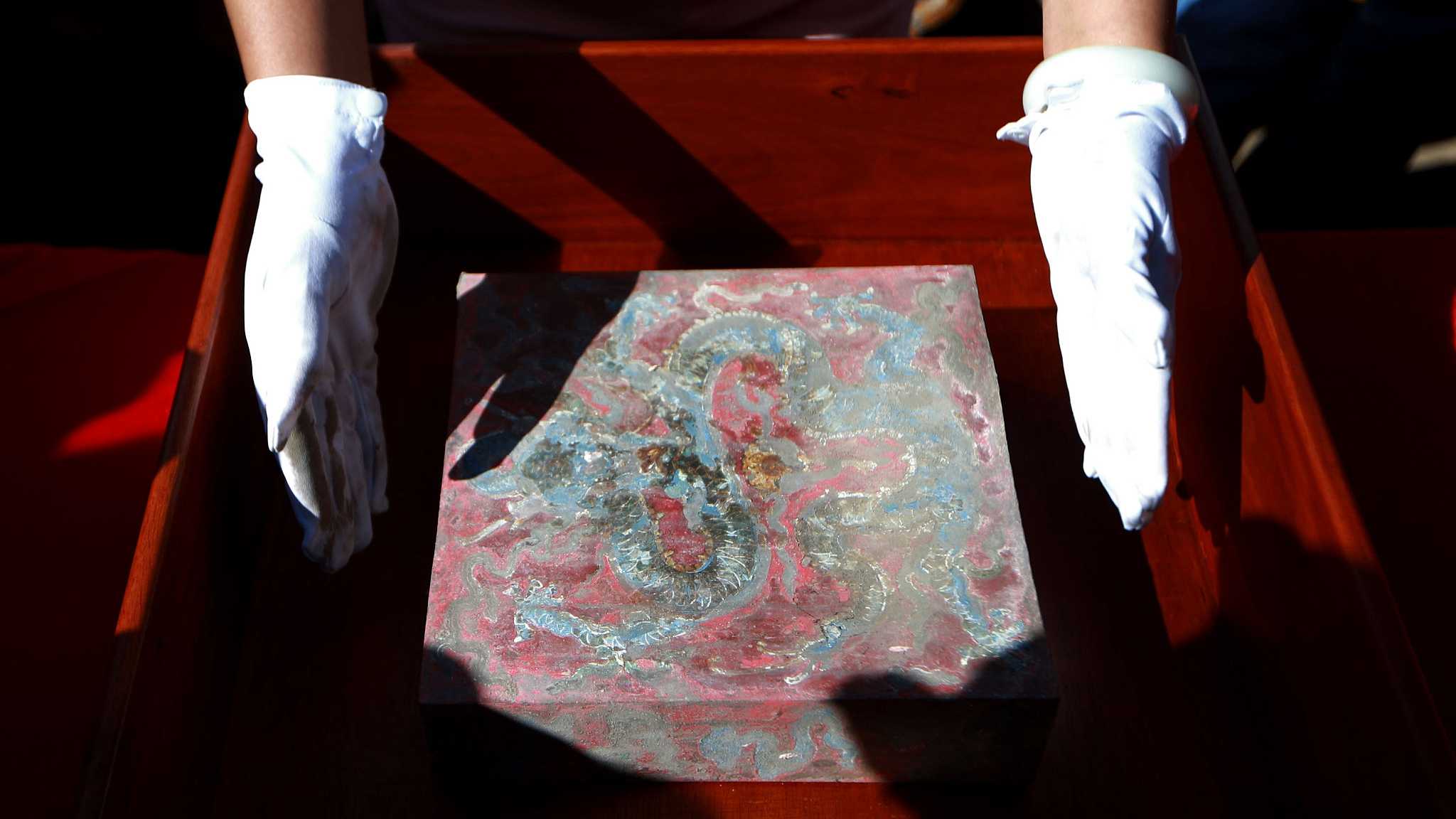
Historical relics stored at the palace were repaired, and architectural structures were thoroughly measured for future study. /VCG Photo
Historical relics stored at the palace were repaired, and architectural structures were thoroughly measured for future study. /VCG Photo

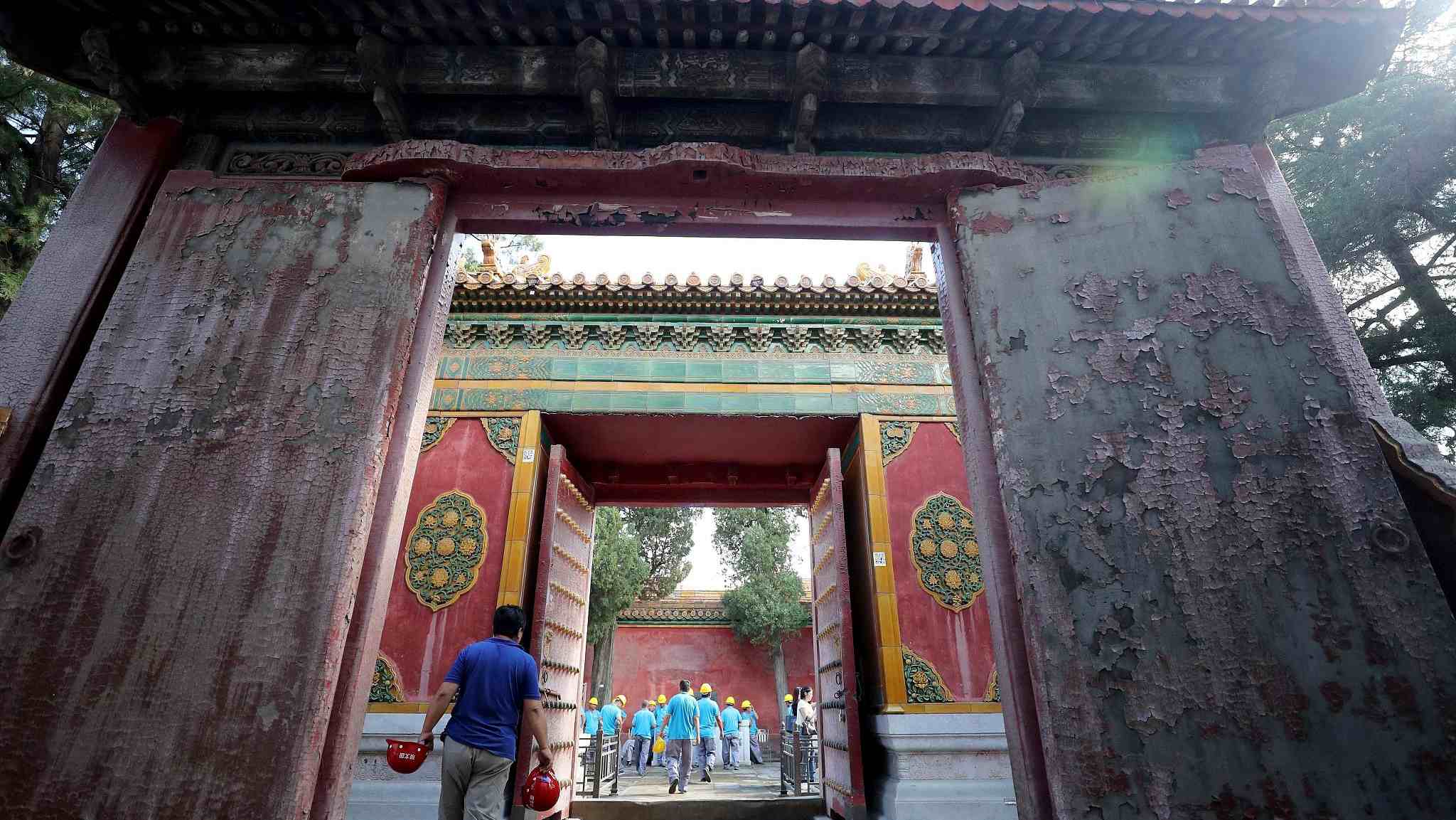
During the closure, hundreds of craftsmen underwent strict training in ancient architecture construction and traditional repairing techniques, and only 116 were selected to work on the renovation project. /VCG Photo
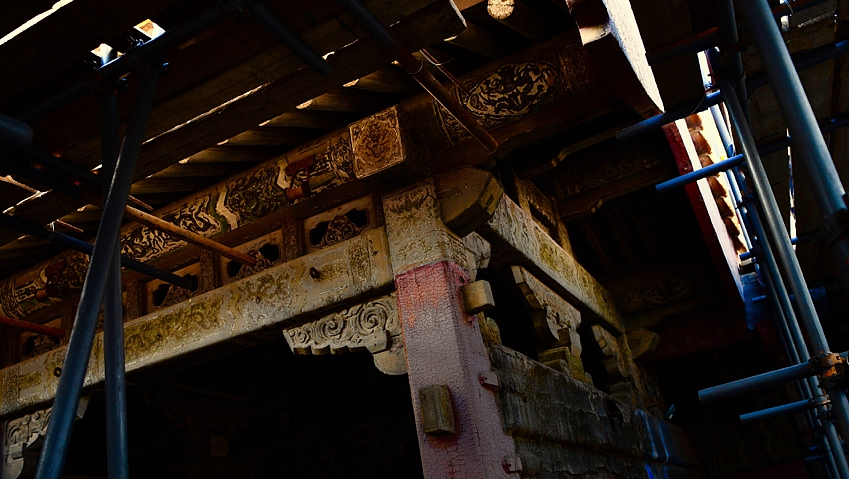
During the closure, hundreds of craftsmen underwent strict training in ancient architecture construction and traditional repairing techniques, and only 116 were selected to work on the renovation project. /VCG Photo

The renovation on the Hall of Mental Cultivation is part of an overall renovation project of the Palace Museum, the largest scale since 1911. It is scheduled to finish in 2020 when the Forbidden City celebrates its 600th birthday. /VCG Photo
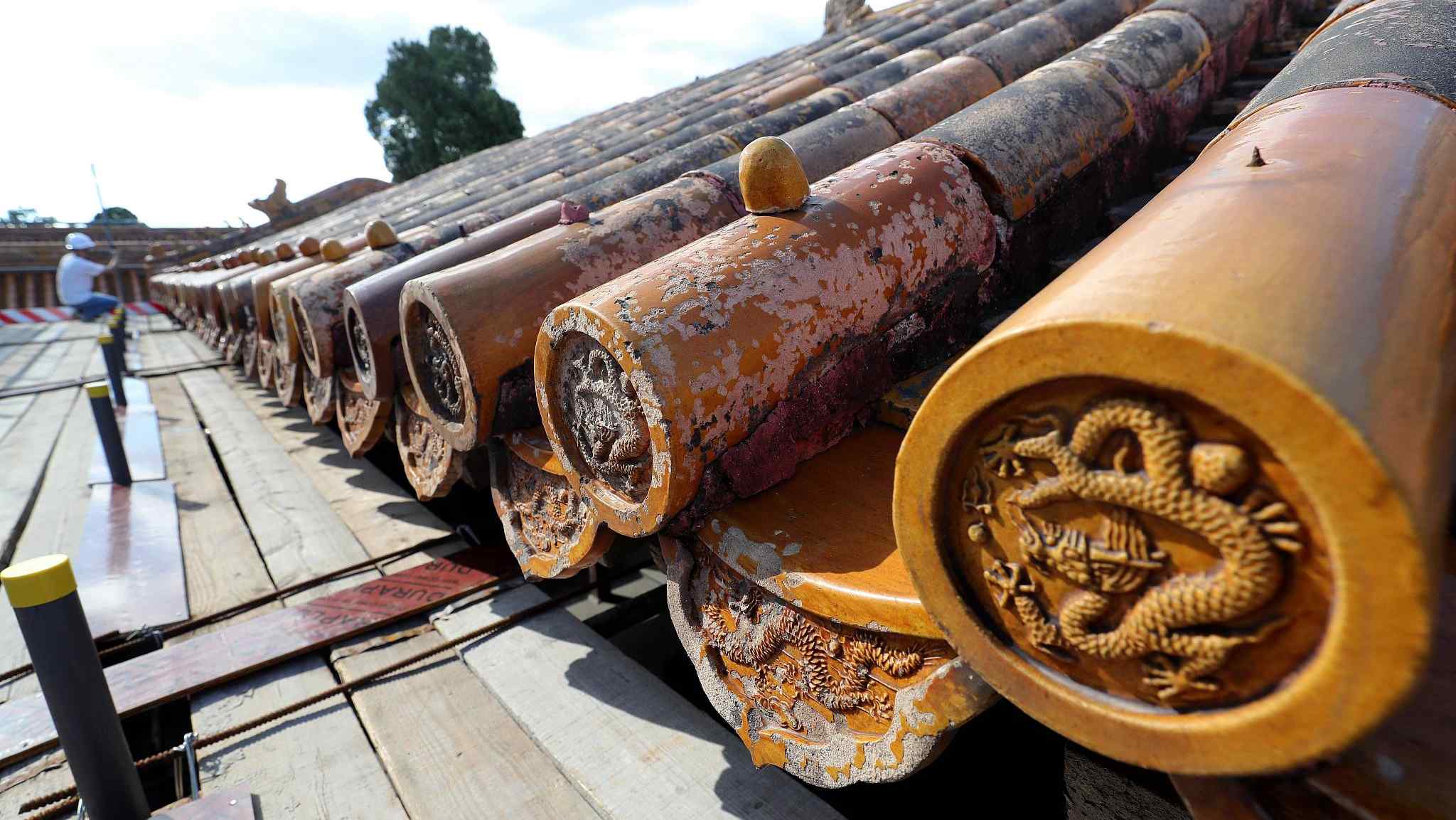
The renovation on the Hall of Mental Cultivation is part of an overall renovation project of the Palace Museum, the largest scale since 1911. It is scheduled to finish in 2020 when the Forbidden City celebrates its 600th birthday. /VCG Photo

Located in central Beijing, the Palace Museum was home to the royal court between 1420 and 1911. Today, it houses more than 1.8 million sets of cultural relics and welcomes millions of domestic and international tourists every year. /VCG Photo

Located in central Beijing, the Palace Museum was home to the royal court between 1420 and 1911. Today, it houses more than 1.8 million sets of cultural relics and welcomes millions of domestic and international tourists every year. /VCG Photo