
Politics
16:46, 24-Oct-2018
Why these two events are featured in Abe's China trip
Updated
15:57, 27-Oct-2018
 ["china"]
Share







Copied
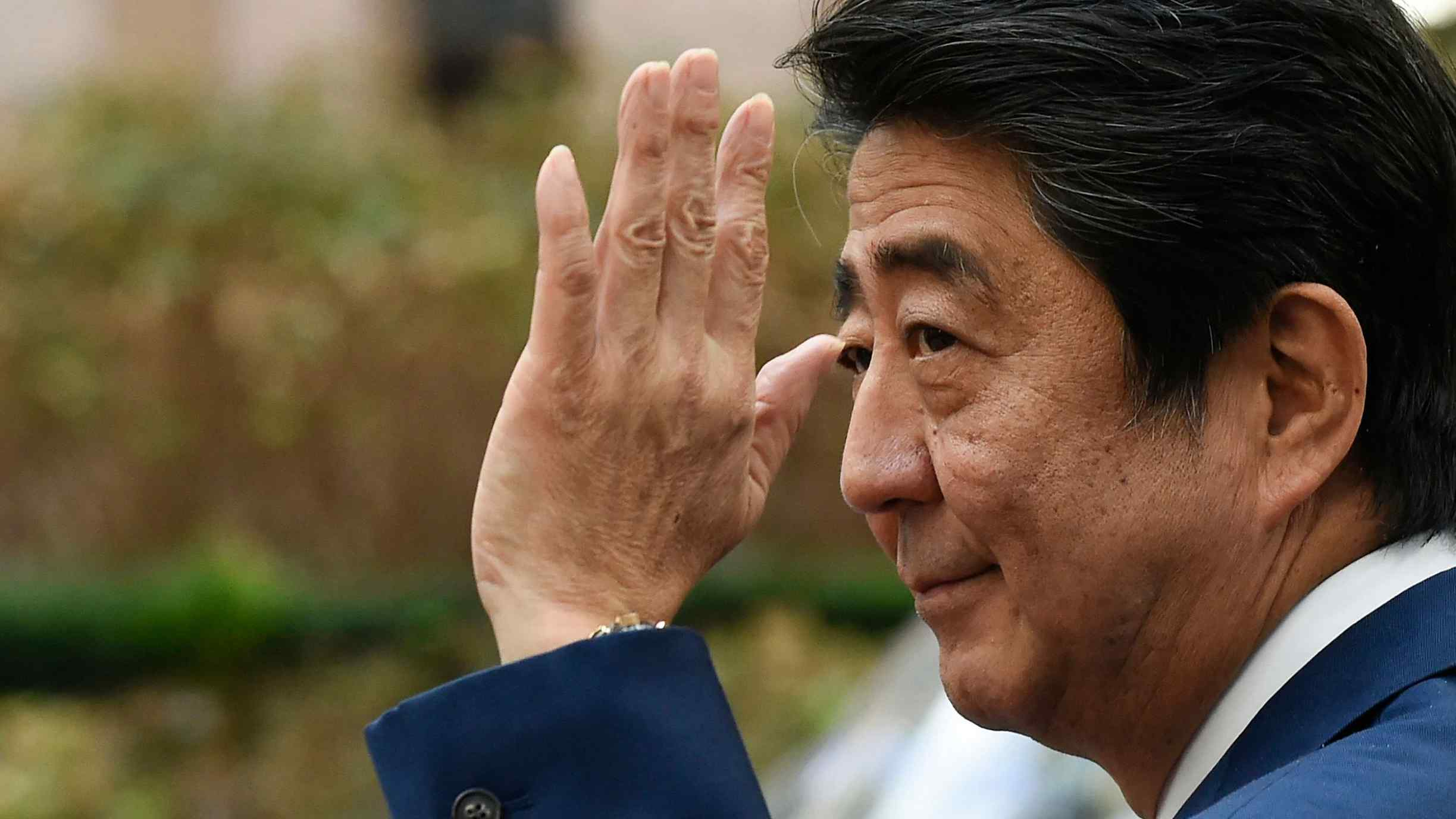
Japanese Prime Minister Shinzo Abe will pay an official visit to China from Thursday to Saturday at the invitation of Chinese Premier Li Keqiang, which will be the first official visit to China by a Japanese prime minister in seven years.
Besides meetings and talks with Chinese leaders, a reception marking the 40th anniversary of the signing of the China-Japan Treaty of Peace and Friendship and a forum on third-party market cooperation between the two countries will be held.
Here are things you need to know regarding the two arrangements and why these activities matter.
Political cornerstone: China-Japan Treaty of Peace and Friendship
The signing of the China-Japan Treaty of Peace and Friendship was a milestone for bilateral relations, summarizing the political problems between the two countries, and opening up a new chapter of China-Japan ties. It is one of the "four cornerstone political documents" of their relationship.
This year marks the 40th anniversary of the signing of the treaty.
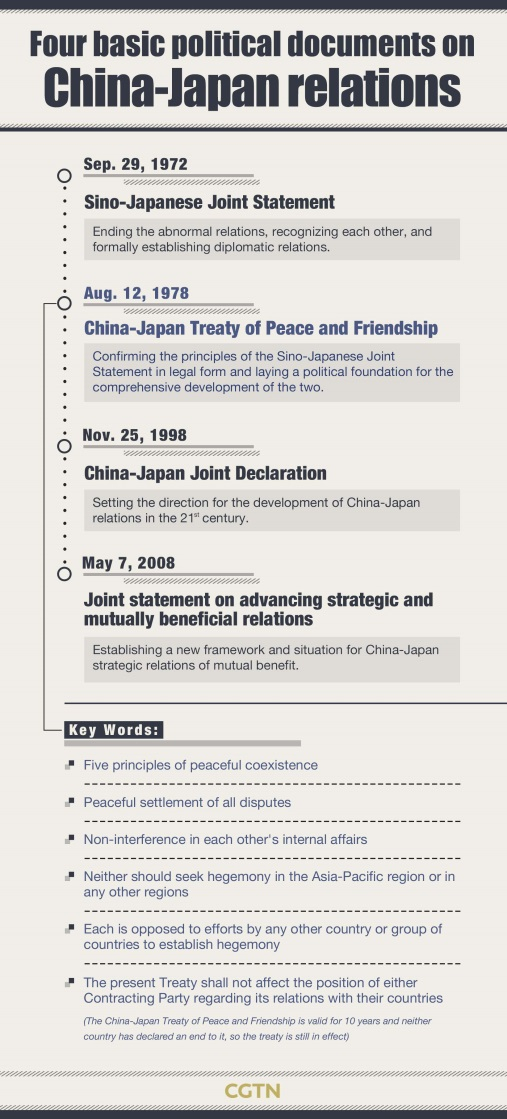
"Over the past 40 years, Japan-China relations have made great progress, and we want to push the bilateral ties to a new stage during this visit," Abe said in an interview with the Phoenix TV.
Chinese Foreign Ministry spokesperson Hua Chunying also said on Wednesday that this year also marks the 10th anniversary of the signing of the joint statement on advancing strategic and mutually beneficial relations and that principles in this statement still have an important realistic meaning today.
The two sides should consolidate the political and legal basis for China-Japan relations and open up a new blueprint for the future development of bilateral ties, she stressed.
Nevertheless, there are still some obstacles to further improvement of China-Japan ties, according to a recent survey by the Beijing-Tokyo Forum. Respondents have highlighted territorial disputes, maritime resource conflicts and disagreements on historical issues as main challenges for bilateral relations.
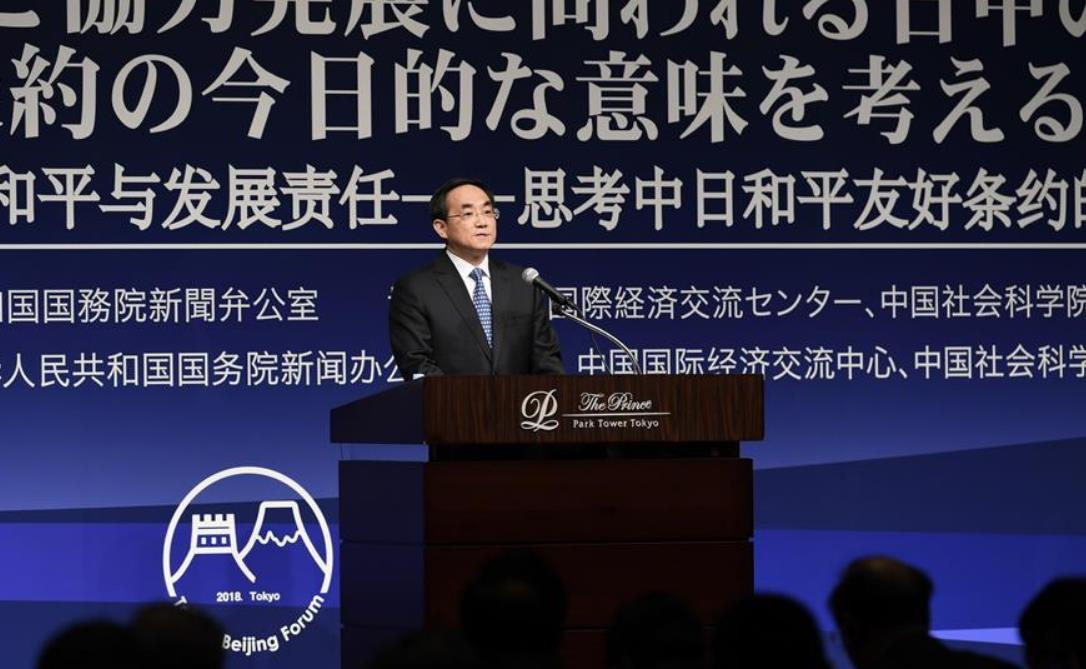
Xu Lin, the deputy head of the Publicity Department of the Communist Party of China (CPC) Central Committee and director of the State Council Information Office of China, speaks during the opening ceremony of the Beijing-Tokyo Forum in Tokyo, Japan on October 14, 2018. /Xinhua Photo
Xu Lin, the deputy head of the Publicity Department of the Communist Party of China (CPC) Central Committee and director of the State Council Information Office of China, speaks during the opening ceremony of the Beijing-Tokyo Forum in Tokyo, Japan on October 14, 2018. /Xinhua Photo
Read more:
With regards to improving ties, their most preferred solutions include solving the long-standing disagreements over historical issues and boosting political trust between Beijing and Tokyo.
Abe's visit to China, which comes five months after Premier Li's tour in Japan, offers another opportunity for the two sides to revisit the original spirits of the landmark treaty and lay a solid political foundation for further cooperation as bilateral ties return to the right track.
Combining strengths: Third-party market cooperation
Economic and trade cooperation is the "footstone" and "propeller" of China-Japan relations and an important basis for mutual political trust, said Gao Feng, spokesperson of the Chinese Ministry of Commerce, ahead of Abe's visit.
A thousand business people and trade officials are expected to attend the forum on third-party market cooperation held during the visit.
The Nikon Keizai Shimbun, a Japan economic journal, reported that more than 30 cooperation documents will be signed at the forum, which will feature discussion about bilateral business cooperation on Thailand's railway construction, China-EU railway logistics and government financing, etc..
Third-party market cooperation will help expand bilateral economic and trade cooperation as Chinese and Japanese economies have complementary advantages.
What is third-party market cooperation between China and Japan?
Experts explain with the example that China and Japan can jointly participate in development and cooperation on infrastructure construction, combining China's competitive advantages such as price and efficiency with Japan's technical advantages in engineering and operation management.
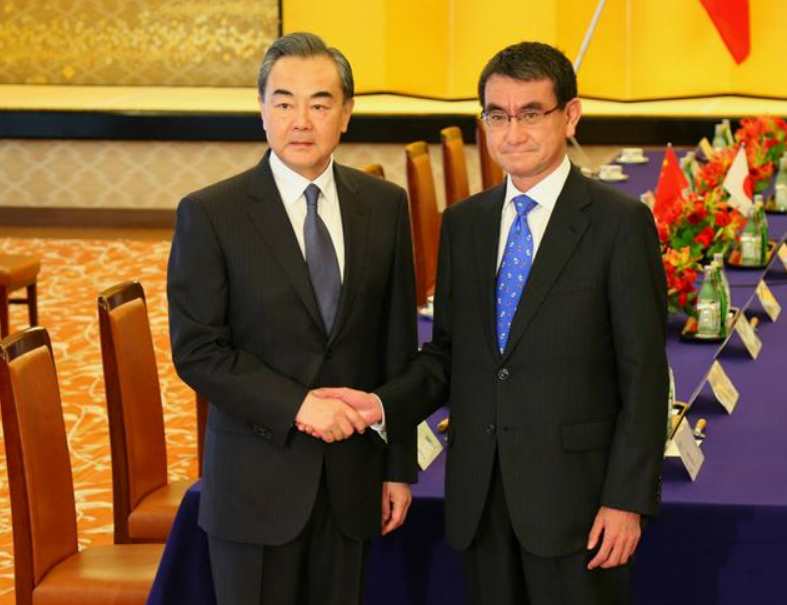
Chinese State Councilor and Foreign Minister Wang Yi (L) meets with Japanese Foreign Minister Taro Kono in Tokyo, Japan, April 15, 2018. /Xinhua Photo
Chinese State Councilor and Foreign Minister Wang Yi (L) meets with Japanese Foreign Minister Taro Kono in Tokyo, Japan, April 15, 2018. /Xinhua Photo
Chinese State Councilor and Foreign Minister Wang Yi reached consensus with Japanese Foreign Minister Taro Kono on promoting cooperation between enterprises of the two countries in the third-party market in April.
Less than one month later, Chinese Premier Li Keqiang and Abe witnessed the signing of several cooperation documents ranging from culture, public health, services and trade to exploring third-party market cooperation during Li's visit to Japan.
Premier Li suggested that the two countries jointly explore third-party markets within the framework of the Belt and Road Initiative.
On September 25, the first session of China-Japan Third Party Market Cooperation Working Mechanism was held in Beijing.
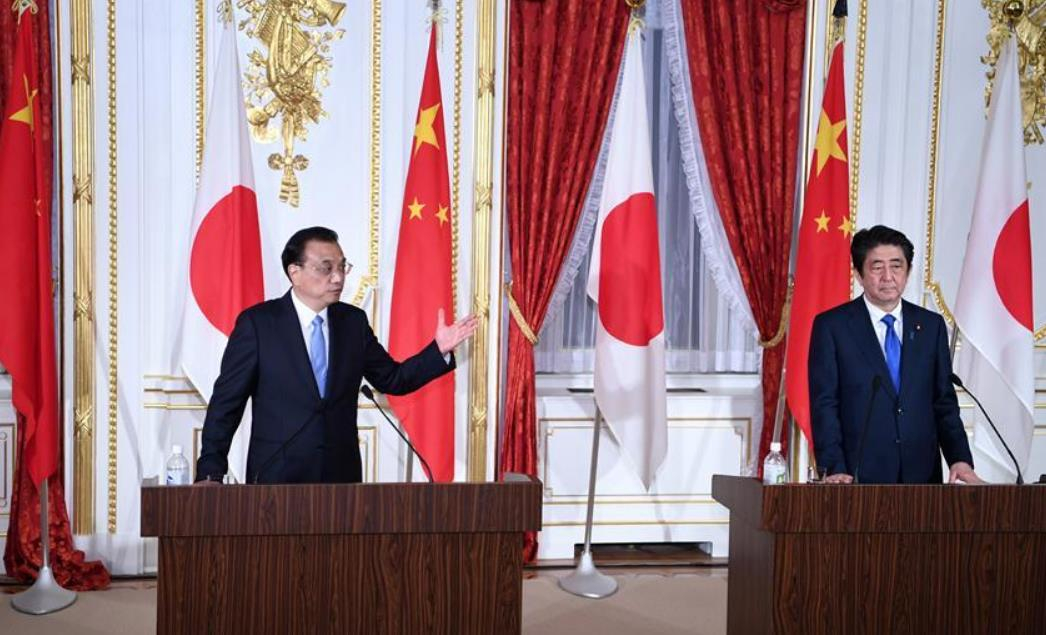
Chinese Premier Li Keqiang (L) and Japanese Prime Minister Shinzo Abe attend a joint press conference after their talks in Tokyo, Japan, May 9, 2018. /Xinhua Photo
Chinese Premier Li Keqiang (L) and Japanese Prime Minister Shinzo Abe attend a joint press conference after their talks in Tokyo, Japan, May 9, 2018. /Xinhua Photo
Japanese economist Hidetoshi Tashiro told Xinhua that there is huge potential for China and Japan on cooperation in areas such as high-speed rail, artificial intelligence, environmental protection and modern agriculture.
Companies of the two countries are complementary to each other, meaning win-win cooperation is achievable, Tashiro said
"Japan might be joining such a strategic competition in the security field and it's been there for many years but on the economy, Japan is fully inter-dependent with China and our business community is not in the same line with what the US government and also the business community try to see China,” Ken Jimbo, professor at Keio University, told CGTN.
01:06
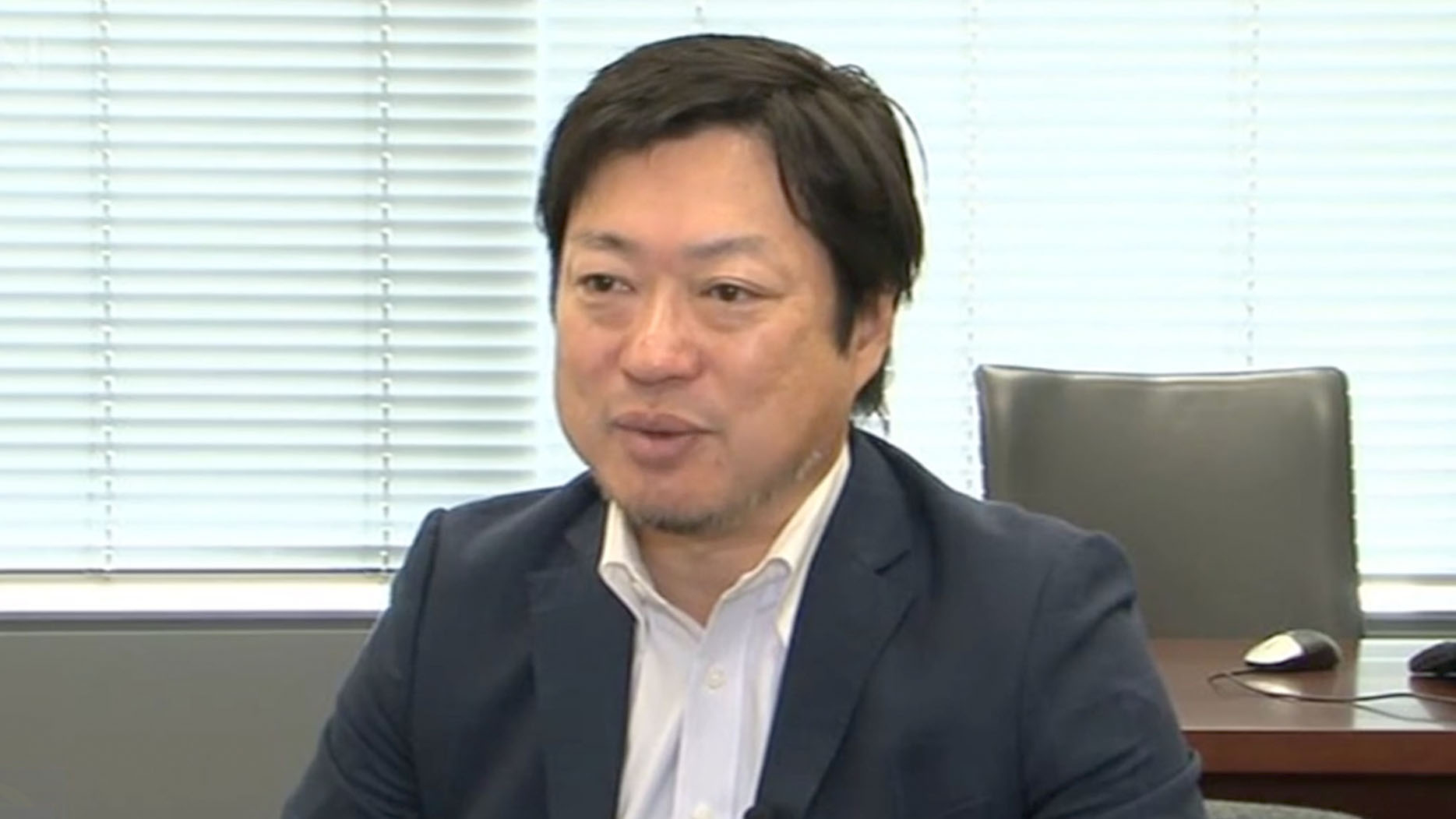
"We find areas of competition with China with their concept of Belt and Road Initiative," he said, adding that the Japanese government is trying to seek for areas where the two sides can collaborate together. "Japanese and Chinese official investments could make a force like multiplier effect on those areas."
China has reached consensus on third-party market cooperation with more than 10 developed countries, including France, South Korea, Germany, Britain, etc. since issuing a joint statement on third-party market cooperation with France in 2015.
00:47

China has a huge consumer market of nearly 1.4 billion people, Hua Chunying said on Tuesday, adding that China is now implementing a new round of opening up which undoubtedly will bring greater opportunities and broader prospects for China-Japan economic and trade cooperation.
She also told reporters that as two important countries in Asia and the second and third largest economies in the world, China and Japan have the duty to uphold multilateralism and free trade, resisting protectionism and unilateralism in all forms.
Besides on improving and developing bilateral ties, the two sides are also expected to exchange views on global and regional issues of common concern, such as the denuclearization of the Korean Peninsula, Japan's NHK reported.