Government plans that would see income tax raised for China’s burgeoning middle class have caused concern that the move would hamper official efforts to switch to a more consumption-driven economic growth model.
In a State Council notification issued last week, the Chinese central government proposed reducing income tax for the middle- and low-income population and “modestly strengthening” it for those earning more.
State media pinned the threshold at which people are currently deemed to be in the high-income bracket at 120,000 yuan (around 17,700 US dollars).
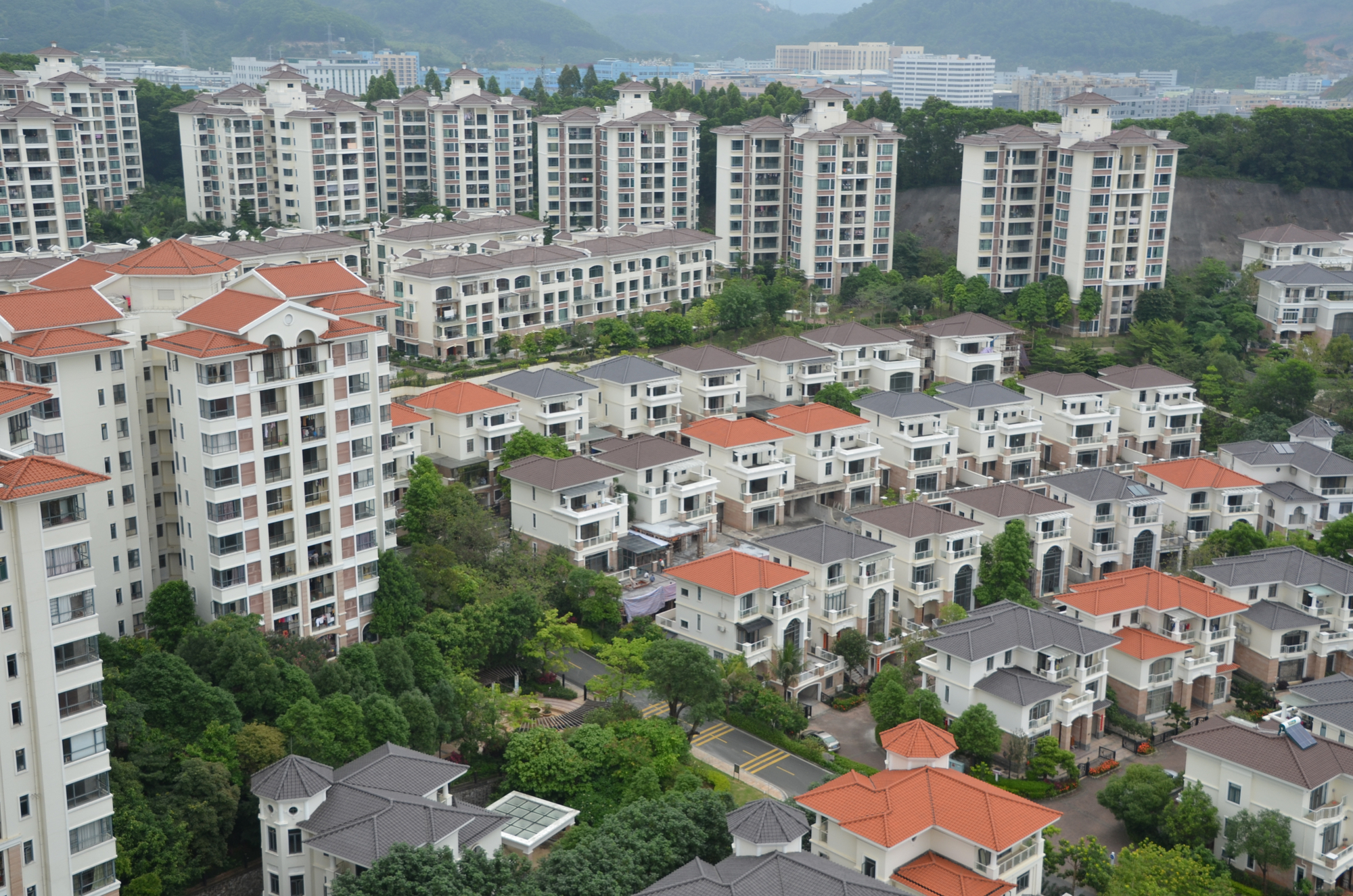
The figure has particularly unnerved big city residents, who say that urban living costs and rising property prices have rendered the threshold moot as an indicator of high income.
In Chinese megacities such as Beijing and Shanghai, housing prices have long exceeded 20,000 yuan per square meter.
Sixty percent of the 18- to 35-year-olds polled by the China Youth Daily recently felt that they would never be able to afford an apartment in one of China’s big cities.
And people have been complaining that the extra tax burden could further hurt their purchasing power.
“Being taxed so heavily, no one could afford to have a second child. Children cost money,” wrote someone with the screen name @Fiona on Twitter-like Sina Weibo, referring to China’s recent scrapping of the one-child policy.
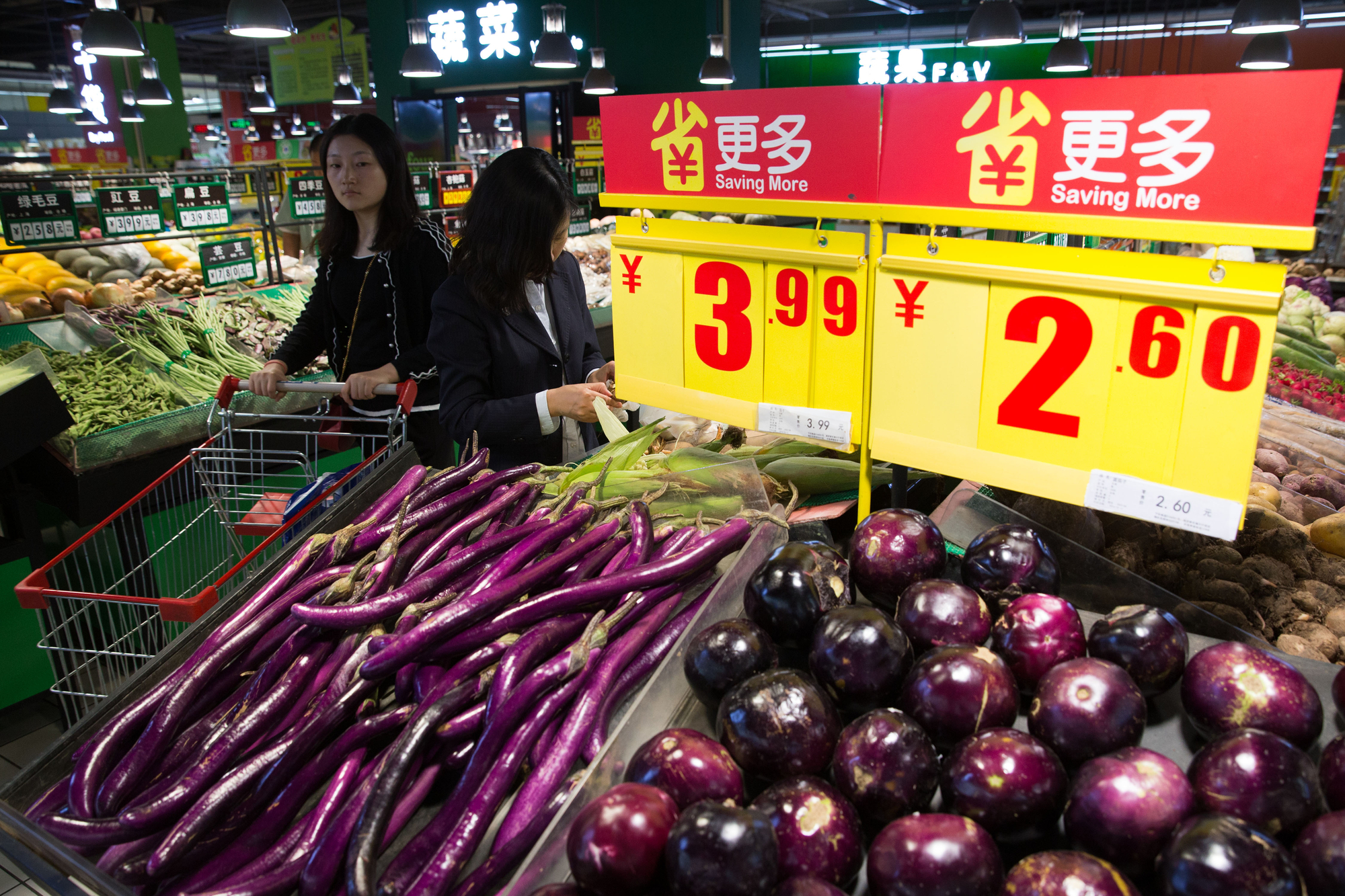
Experts also suggested the government needs to come up with a more sophisticated calculation to determine what constitutes high income.
“Nationally, 120,000 yuan as the threshold is plausible,” said Zhang Jianjing of accounting firm PwC, “but less so in big Chinese cities, where living costs are higher.”
China’s average annual salary was around 53,000 yuan in 2015, whereas the figure was 73,000 yuan in Shanghai and 83,000 yuan in Beijing, show figures from the National Bureau of Statistics (NBS).
“China’s income taxation is still far from perfect, with the low-income population being taxed heavily,” said Tan Shanmin of the Central University of Finance and Economics. “China needs to fix the system to avoid a decline in consumption.”
The Chinese government has long realized that an overreliance on state investment and exports for economic growth is less sustainable than a consumption-driven model.
It has been introducing policies to make the welfare system more consistent across the country in the hope of releasing more buying power.
Obviously, people need more money if they are to buy more.
The government’s goal is to increase income for both the urban and rural population and close the income gap, said Ha Zengyou, Deputy Director General of the Department of Employment and Income Distribution at China's National Development and Reform Commission.
The Gini coefficient is the most commonly used index measuring income gaps, with higher readings showing bigger gulfs between the haves and the have-nots. According to the NBS, China’s Gini coefficient dipped to 0.462 in 2015, the lowest reading since 2003.
