
Business
12:18, 01-Aug-2018
Mexico still preparing for US car tariffs, backs WTO reform
Updated
11:42, 04-Aug-2018
 ["other"]
Share







Copied
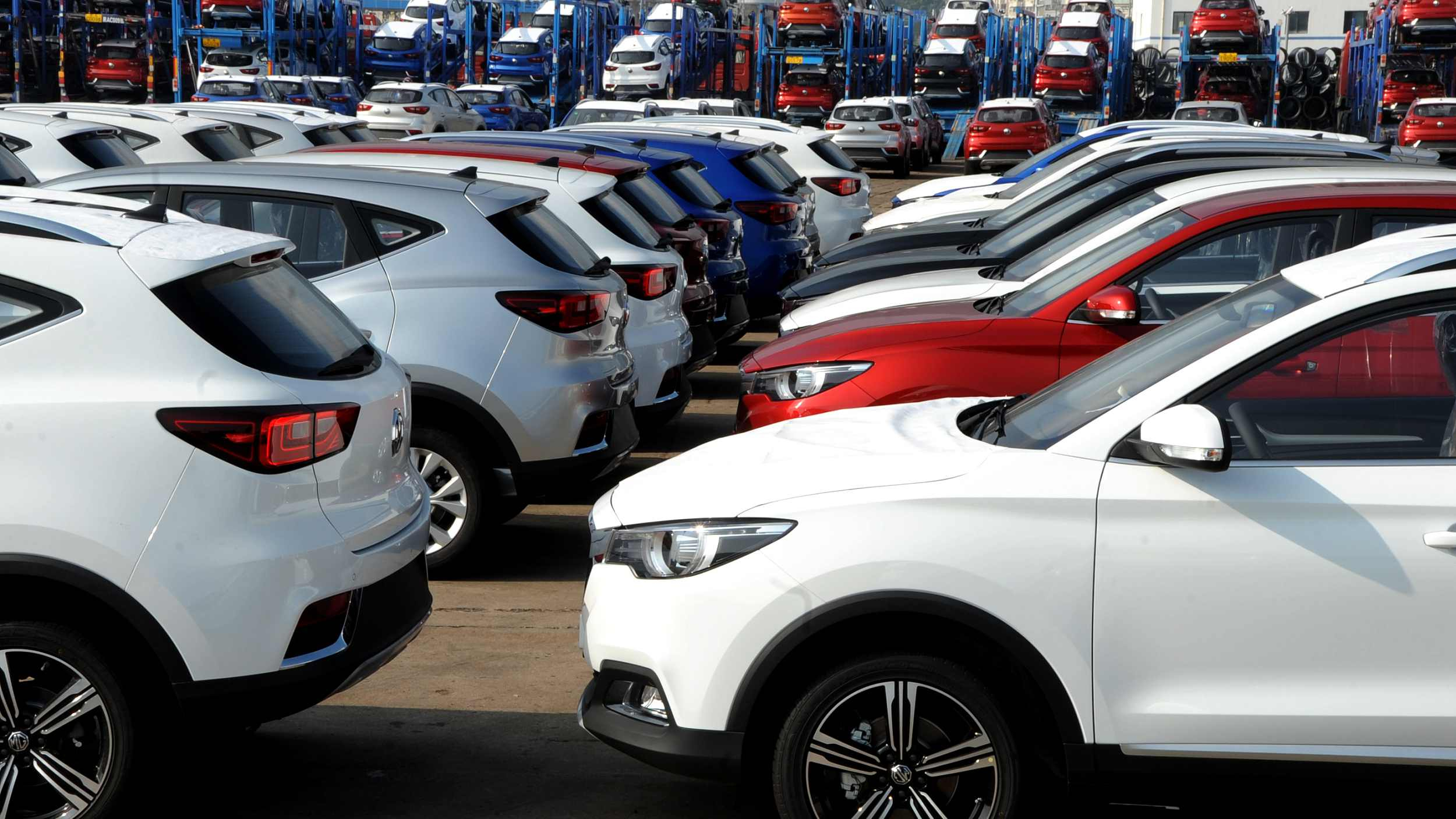
Mexico is still exploring options to respond to possible US tariffs on car imports, Deputy Economy Minister Juan Carlos Baker said on Tuesday, despite US-European talks last week that were supposed to have seen off the immediate threat.
Last week European Commission President Jean-Claude Juncker said he had secured a “major concession” from President Donald Trump, having agreed that as long as the two sides were negotiating on trade, they would hold off on imposing further measures, including US tariffs on cars and auto parts.
Baker was speaking after meeting senior trade officials from Canada, Japan, South Korea and the European Union in Geneva, which is also home to the World Trade Organization.
The countries — long-term US allies which are at odds with Trump over trade relations — were not coordinating their response, Baker told reporters. However, they were all determined to respond if tariffs on cars were imposed, he said, noting that the US process to introduce them had not stopped.
“We take that very seriously. Until that process is fully concluded and no tariffs are imposed, we need to be serious and consider the possibility that those tariffs may be established. We need to make it clear that we are prepared to react,” he said.
Over several hours of talks at the EU mission, the five powers — all of them hit by Trump’s steel tariffs imposed in March, and concerned about his disruption of the WTO — also discussed reform of the 23-year-old trading club.
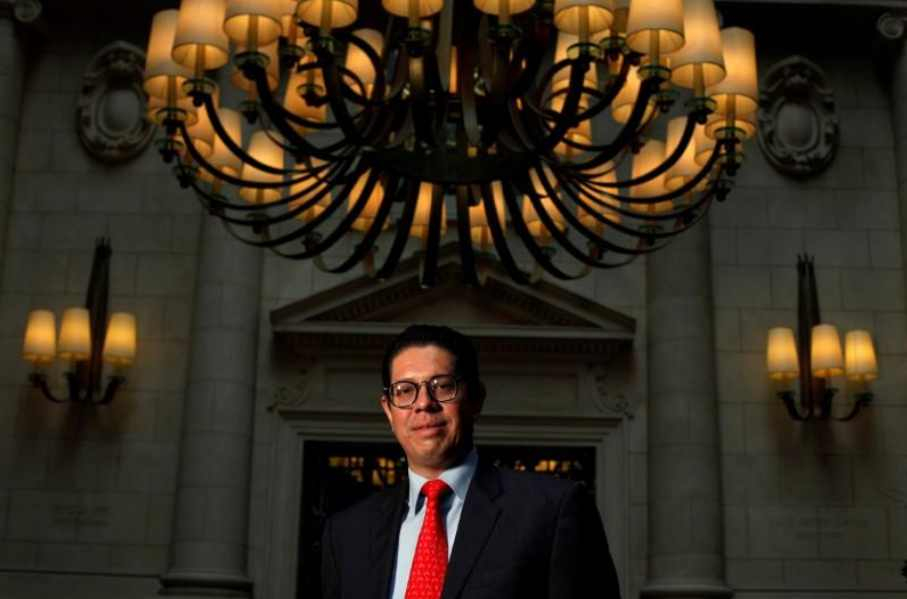
Juan Carlos Baker, Mexico's deputy minister for foreign trade, poses for a photo during an interview with Reuters in Buenos Aires, Argentina, April 18, 2017./Reuters Photo
Juan Carlos Baker, Mexico's deputy minister for foreign trade, poses for a photo during an interview with Reuters in Buenos Aires, Argentina, April 18, 2017./Reuters Photo
Trump is demanding a shake-up of the WTO, saying it treated the United States unfairly.
To force the issue, he has brought the WTO’s system for settling international trade disputes to the brink of collapse by blocking the appointment of judges when t terms of those in office expire, a situation that diplomats and trade officials have described as hostage taking and the “asphyxiation” of the WTO.
Baker said there were several sets of reform ideas on the table for the WTO and he was encouraged. “We would not be doing this if we believed the process is doomed to fail,” he said. “We all feel the sense of urgency here. We do not necessarily have a due date… but the sooner we start the better.”
Proposals are likely to be polished in the next few months, including at meetings of the G20 major economies, an APEC forum of Pacific rim countries, and at a Canadian-hosted meeting in October. A trade ministers’ meeting in Davos in January would be an important moment to take stock of progress, he said.
“Today was only a very initial incipient discussion but I believe it was good in terms of knowing how much running round we have ahead of us.”
Source(s): Reuters