
World
16:07, 28-Sep-2018
Opioid bill reminds us of human cost due to expensive drugs
Updated
15:57, 01-Oct-2018
 ["china","north america"]
Share







Copied
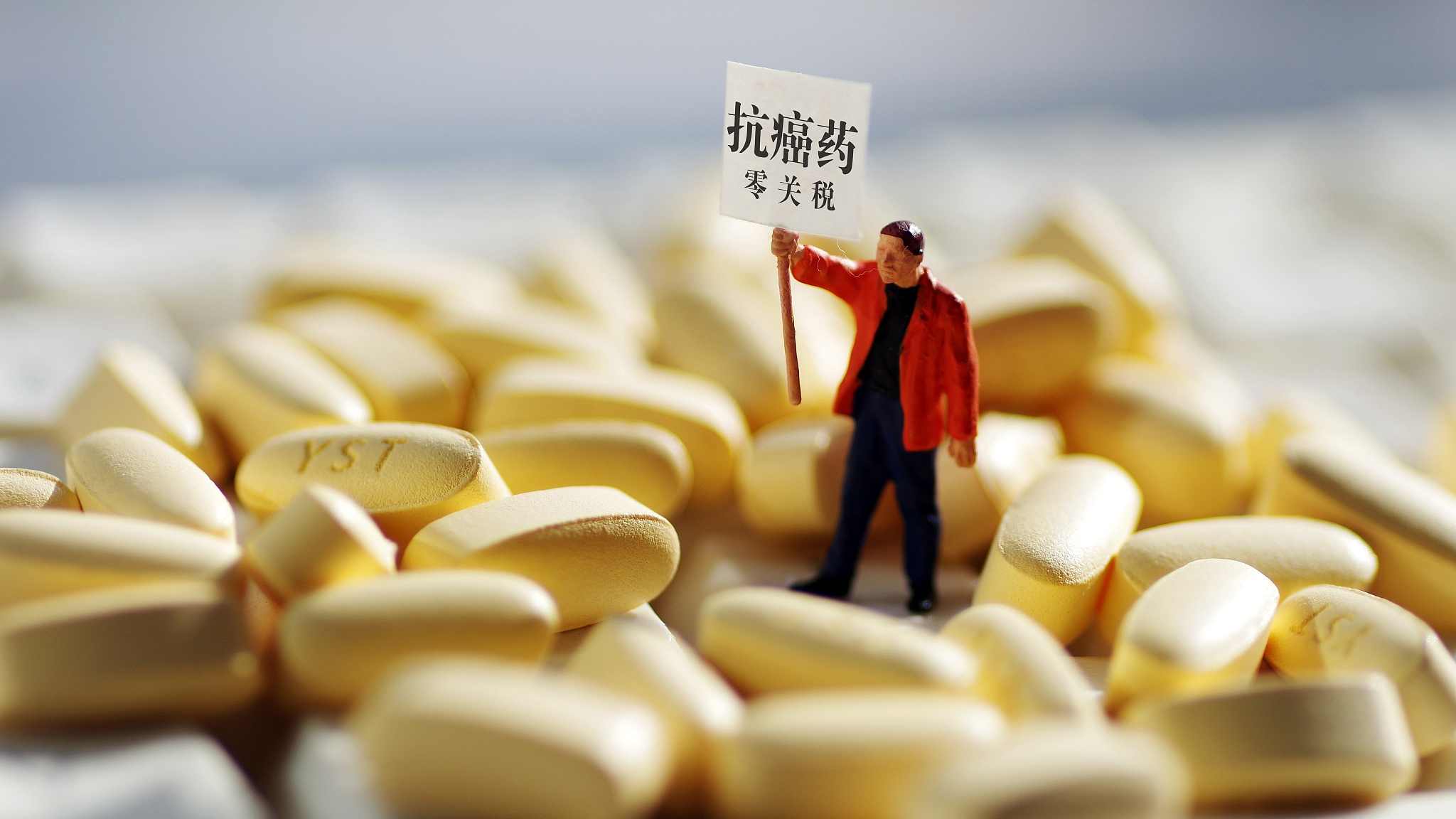
In the fight against the opioid crisis, the US Congress is mulling over a bill that cracks down on drug imports in an attempt to stem the flow of the synthetic drugs. However, the legislation also includes a provision that protects people who want to bring in cheaper drugs from outside the country.
The bill, which has passed the Senate, will prevent people from importing drugs that violate certain regulations, such as "mislabeled" medications, according to Kaiser Health News. The Senate version of the bill had previously stricken out a part of the provision that exempts those who are importing personal drugs, but soon put it back in.
If passed with the language, the act would make explicit the protection of people bringing prescription medication into the US, often at much cheaper prices from countries such as Canada.
Runaway drug prices have long been a problem for patients in the US, so many try to find generic versions that cost a fraction of the brand name medicine at home. US Senator Bernie Sanders introduced a bill back in 2017 that touts regulation for importation of safe and affordable drugs, but so far it remains in legislative limbo.
Smuggling for their lives
Patients in the US aren't the only ones fed up with paying a small fortune for life-saving medicine. China and India also have big markets for generic counterparts, since they import innovative foreign drugs at exorbitant prices.
A Chinese film centered on the smuggling of cheap generic medicine to save leukemia patients struck a chord with domestic audiences back in June. "Dying to Survive" is based on real cases of people bringing generic drugs into China from India -- often illicitly -- to sell to patients who just want to live.
Back in 2001, the Swiss drug giant Novartis brought Glivec onto the Chinese market, providing hope to those with a rare form of leukemia. It is considered a breakthrough therapy targeting the cancer at the molecular level, but the catch -- a year's supply cost 280,000 yuan (about 41,000 US dollars today). This put the drug beyond the reach of poorer patients in China, who have to continuously buy it to extend their lives.

The generic version (imatinib) of the leukemia drug sold by Novartis. Some Chinese patients eventually began buying the cheaper alternative from India. /VCG Photo
The generic version (imatinib) of the leukemia drug sold by Novartis. Some Chinese patients eventually began buying the cheaper alternative from India. /VCG Photo
Since India has a thriving industry manufacturing generic drugs, Chinese patients soon started buying the cheaper alternative there. Lu Yong, a leukemia patient, who smuggled the generic version of Glivec to needy patients back home and whom the film's protagonist is based on, was arrested in 2013 for promoting counterfeit drugs. Charges were dropped later upon outcry from patients he had saved.
Until China can reliably develop sophisticated generic drugs, its cancer patients will continue to depend on foreign medicine. Meanwhile, the central government has made concrete moves to secure lower prices for the sick, through eliminating tariffs on imported cancer drugs and including them on the drug list covered by national health insurance.