
Opinions
21:09, 07-Jun-2018
Opinion: Expectations and outcomes of India joining SCO
 ["china"]
Share







Copied
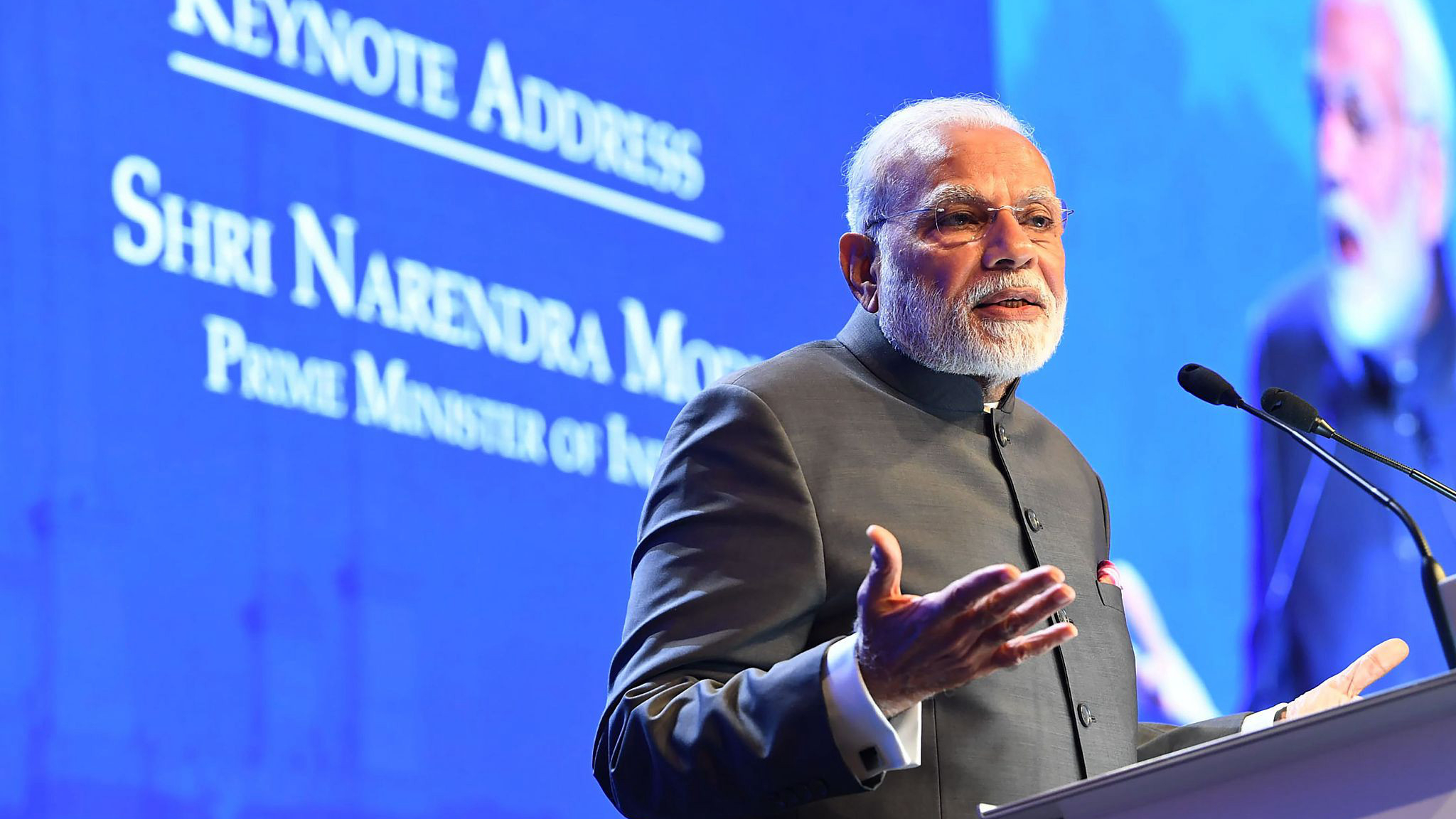
Editor's note: Swaran Singh is a professor at Jawaharlal Nehru University in New Delhi and a senior fellow at the Charhar Institute in Beijing. The article reflects the author's opinion, and not necessarily the views of CGTN.
The last several weeks have witnessed an upsurge in tourists visiting the beautiful Qingdao seaside resort in China's eastern province of Shandong. A seven-hour train ride north from Shanghai and six hours south of Beijing, this summer resort has become a favorite with Chinese tourists.
This weekend it will be hosting 22 delegations including several national leaders for the 18th summit of the Shanghai Cooperation Organisation (SCO).
Known as the headquarters of famous Tsingtao Beer and home appliance giant Haier, Qingdao is today a favored venue for multilateral meetings.
Some 20,000 volunteers have been training to bring perfection to each and every aspect of the SCO summit.
Amongst the most enthusiastic participants will be guests from India and Pakistan that became full members only last year and have been engaged in all its preparatory meetings.
Against this backdrop, it is pertinent to explore what has India brought to the table and how has it benefited from being part of this enterprise.
To put it at the very outset, from the year 2001 itself, when Shanghai Five became SCO and set for itself new goals of energy security and countering terrorism, India expressed a strong interest of becoming part of the initiative.
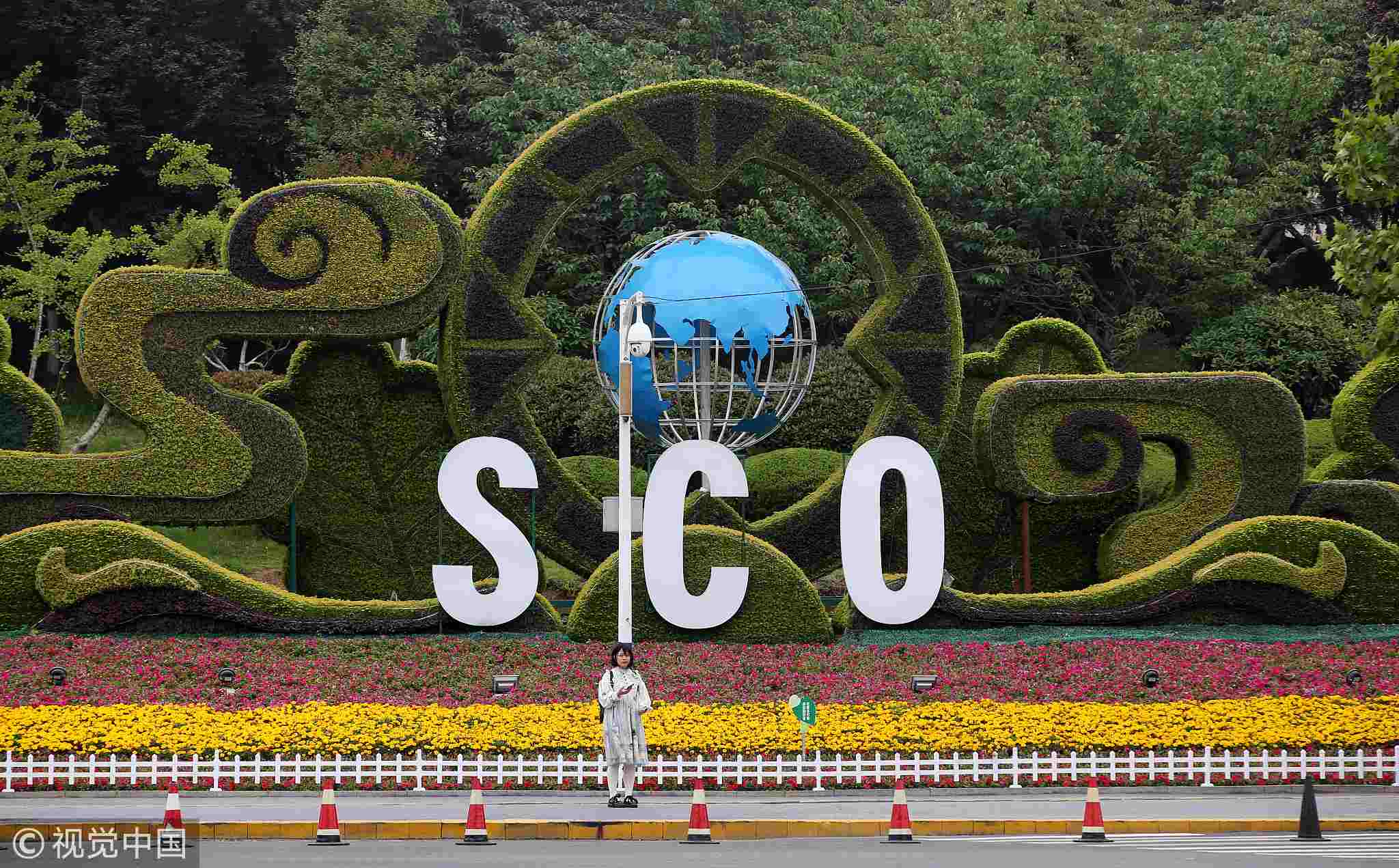
As the SCO summit is around the corner, the host city, Qingdao, is well prepared./ VCG Photo
As the SCO summit is around the corner, the host city, Qingdao, is well prepared./ VCG Photo
India has been a victim of terrorism since the 1980s and its energy deficit had been growing rapidly since the mid-1990s.
India, therefore, had both an urgent need as well as great expertise and potential in building complimentary partnerships with SCO members in jointly addressing these twin objectives.
The most recent example of its strong commitment to the SCO was India's decision last week to send its official delegation to the group's Regional Anti-Terrorism Structures (RATS) anti-terrorism meeting in Islamabad though terrorism is the cause why official India-Pakistan talks remain suspended.
New Delhi has clarified that while it remains committed to the SCO, the talks with Pakistan will remain suspended. Nevertheless, it cannot be denied that the SCO-RATS meeting last week provided a unique opportunity that may help to revive India-Pakistan talks.
Likewise, the SCO states Security Council secretaries meeting in Beijing last month saw India's deputy national security adviser meeting the Pakistani national security adviser in what can also be seen as a positive spinoff from SCO meetings.
Persistent tensions between India and Pakistan were once expected to make it harder for the SCO to reach consensus on various initiatives.
The answer to this question came on May 22 from President Xi Jinping who, in addressing the SCO Security Council secretaries in Beijing, underlined how the entry of India and Pakistan had actually enhanced the organization's potential for cooperation.
The SCO today is not just the world's largest regional organization but is seen as one of the most successful. Recent times have witnessed increasing efficiency and effectiveness of its dozens of mechanisms.
Shanghai Cooperation Organisation./ VCG Photo
Shanghai Cooperation Organisation./ VCG Photo
This brings India in regular contact with both China and Pakistan. Such multilateral meetings provide excellent opportunities for resolving bilateral issues. Various meetings last year in the run-up to the Xiamen BRICS summit had helped China and India to resolve the Donlang (Doklam) border standoff.
Now the Wuhan "informal" summit between President Xi and Prime Minister Modi symbolizes a reset in China-India relations and better China-India ties promise to provide a positive spinoff for India-Pakistan ties.