
World
16:02, 11-Oct-2018
Global tourism is affected by terror attacks
Updated
15:38, 14-Oct-2018
 ["china"]
Share







Copied
02:39
Terror attacks in major metropolitan areas that result in mass casualties create panic and instill fear. This is the new global reality.
In recent years, vehicle-rammings, knife attacks, shooting sprees and hostage standoffs have hit cities like London, Berlin, Las Vegas, Jerusalem, Paris and Sydney. Governments and civilian populations are struggling to defend against attacks.
In 2017, there was a 45-percent increase in global terrorism. The Global Terror Index estimates that worldwide terror cost governments 14.3 trillion dollars in 2016. When an attack happens, tourists routinely cancel travel or avoid booking holidays to perceived "trouble spots."
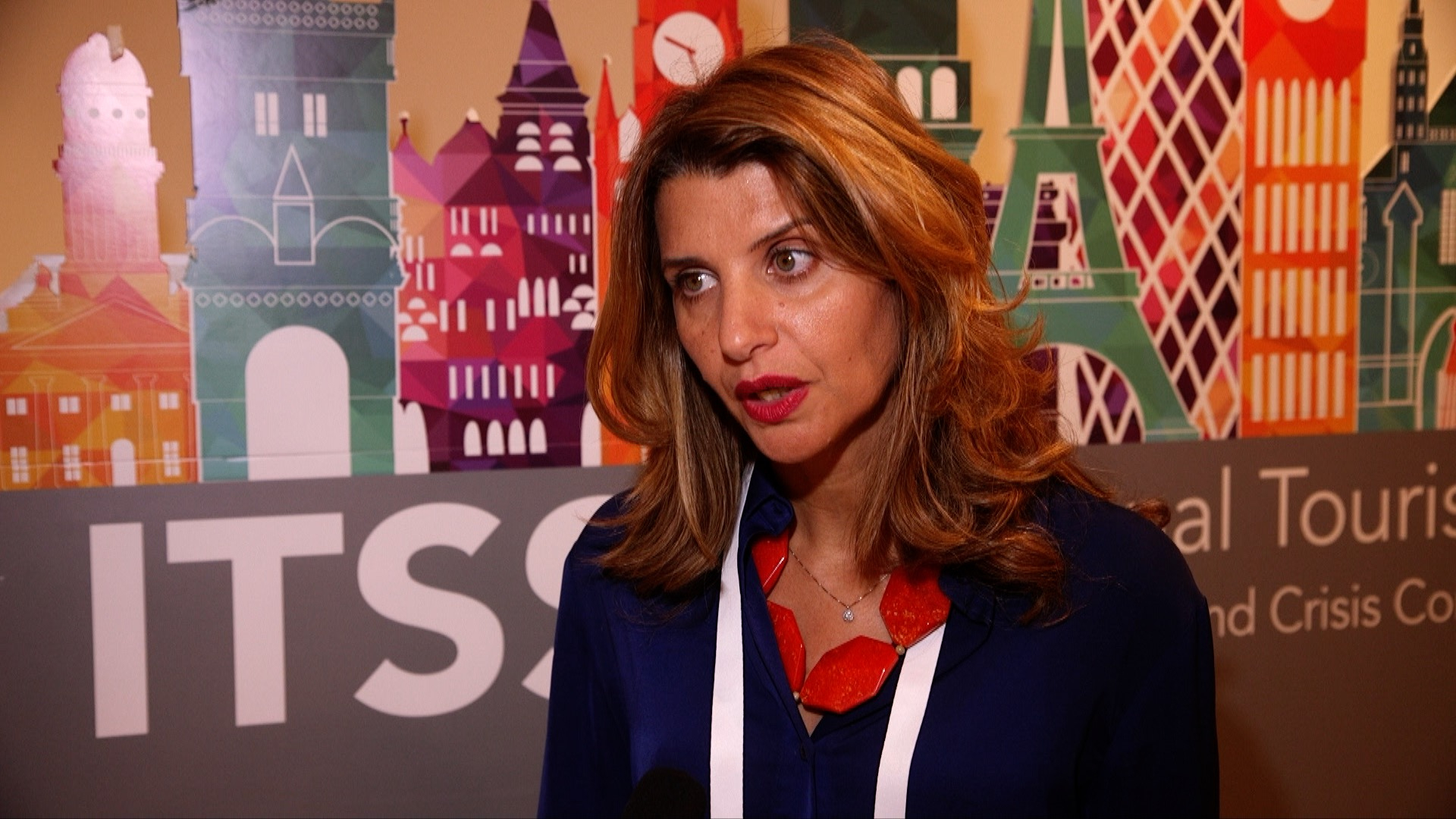
Ilanit Melchior, an official from the Israel Tourism Ministry. /CGTN Photo
Ilanit Melchior, an official from the Israel Tourism Ministry. /CGTN Photo
Tourism revenues are hit hard. Egypt's tourism revenue, for example, fell to 3.8 billion US dollars in the 2016 fiscal year - down from 11.6 billion dollars in 2010.
"It's about all of us sharing the same challenges and learning to live with the elephant that is in the room," said by Ilanit Melchior from the Israel Tourism Ministry.
Israel organized a first-of-its-kind International Tourism Security Summit in early October - a forum to bring together travel industry leaders from companies like Google, Trip Advisor, and Expedia and officials from the OECD, Israel's military and the US Commerce Department.
The aim of the summit is to discuss strategies for safeguarding populations and the tourism industry against attacks and target marketing strategies and messages that instill confidence in consumer-travelers.
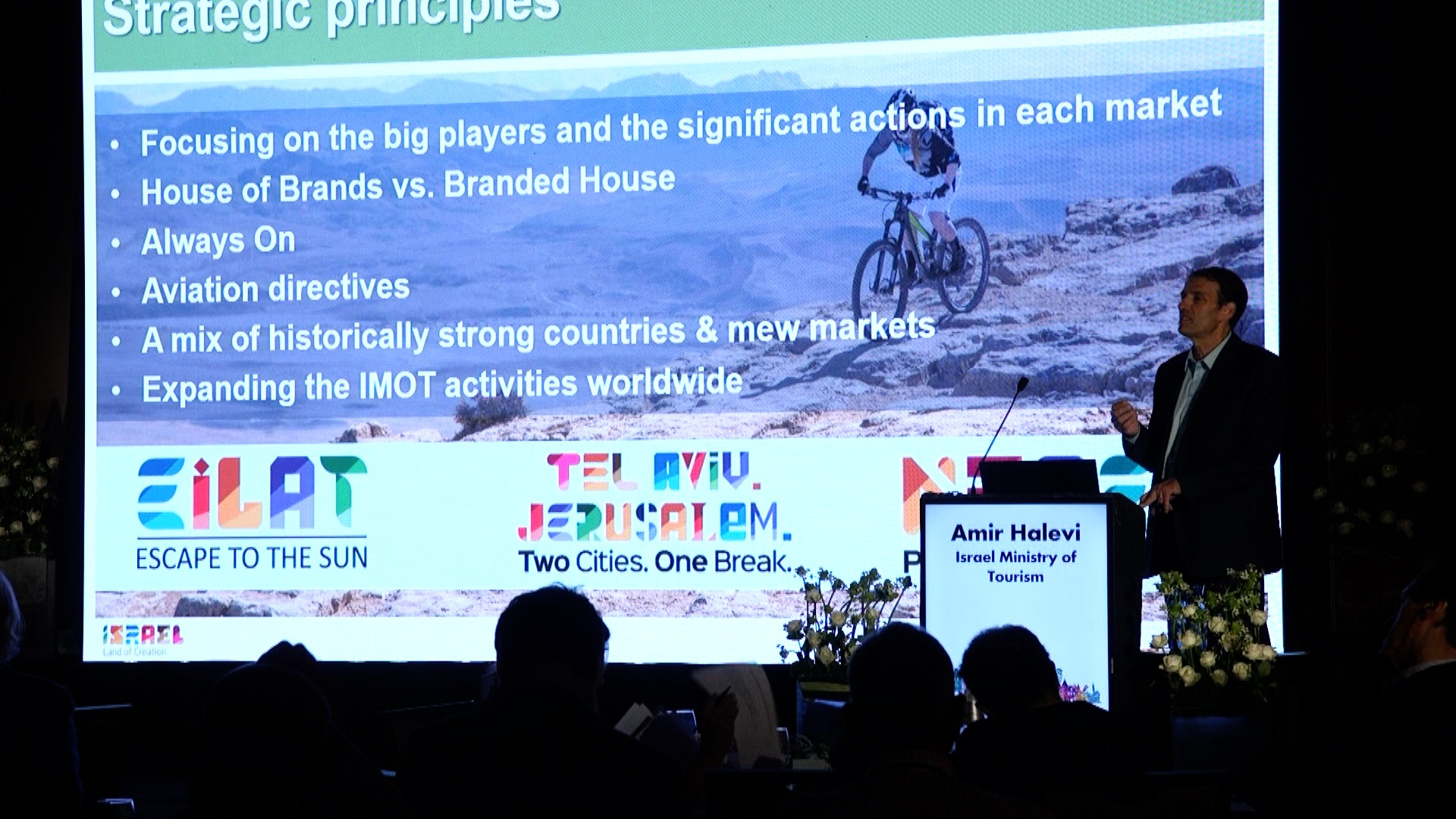
Israel organizes an Tourism Security Summit in early October. /CGTN Photo
Israel organizes an Tourism Security Summit in early October. /CGTN Photo
Jerusalem organized the conference after "getting requests for advice" from world leaders, security sector experts and tourism ministries on coping with attacks while building a brand, Ilanit Melchior told CGTN.
Despite a 2016 uptick in attacks on Israelis, the country's tourism rose by 25 percent the following year.
"We need that type of discussion as we are having it today, you know, and then to say: Okay. What's the next step? What have I been doing right and where should I do more to address safety and security issues? "Alain Dupeyras from OECD Regional Development and Tourism Division told CGTN
Challenges vary based on venues. Las Vegas hotels and malls don't install metal detectors at entrances while Jerusalem and Doha do. Paris has been plagued by attacks.
Methods for addressing terror are not uniform, but there is one summit message which a majority of attendees have seemingly embraced: "We're back in business - life is back to normal" as soon as possible after an attack.
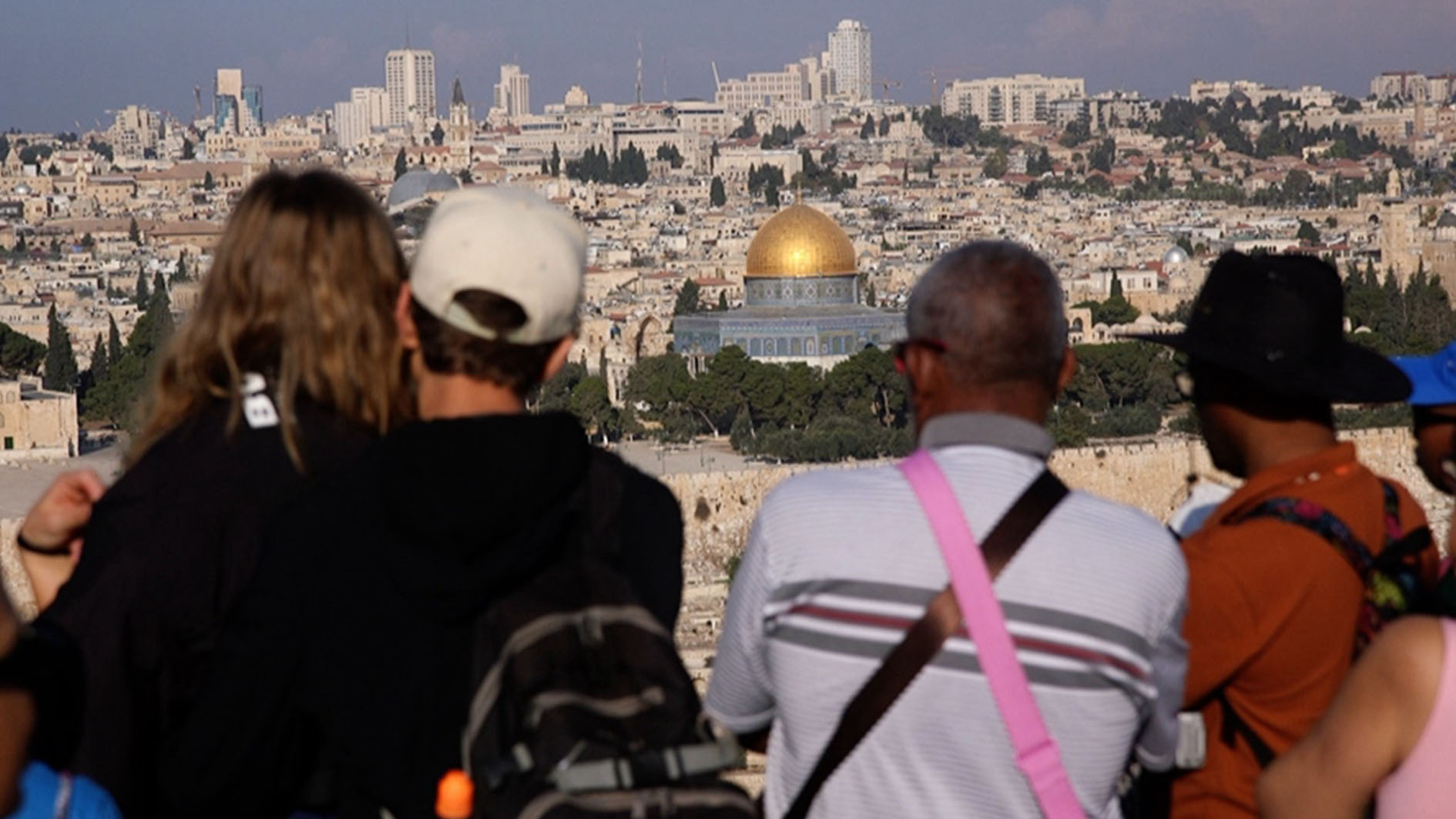
(Cover: Tourists in Jerusalem. /CGTN Photo)